



Milkweed for monarchs is critical for anyone looking to make a real impact on declining butterfly populations. If you want to help reverse one of North America’s most pressing pollinator crises, understanding the best milkweed species, planting methods, and real-world pitfalls is essential.
Key Takeaways
- Monarch butterfly populations dropped over 80% since the 1990s, but planting native milkweed remains a proven support strategy.
- Swamp milkweed (Asclepias incarnata) and common milkweed (A. syriaca) are essential for monarch survival, but each has unique growing requirements and challenges.
- Not all milkweed is beneficial-choosing region-appropriate, disease-free varieties is key to helping monarchs without causing unintended problems.
- Understanding milkweed for monarchs: What and why
- How to plant milkweed for monarchs: Step-by-step guide
- Advanced analysis & common pitfalls
- Conclusion
- FAQ
Understanding milkweed for monarchs: What and why
Milkweed is the sole host plant for monarch caterpillars, meaning they can only lay eggs and develop larvae on milkweed species. Since the 1990s, monarch populations have plunged by more than 80% due to habitat loss, climate change, and widespread pesticide use. Recent 2024 population counts reveal a 96% decline in California’s western monarchs, with only 9,119 counted, and eastern monarchs continue to struggle well below historical averages. Source
Why does milkweed for monarchs matter so much? Milkweed not only provides food for caterpillars—it underpins the monarch’s entire lifecycle and migration. Without enough healthy, native milkweed across breeding corridors, restoring monarch butterfly numbers becomes nearly impossible. While research does not yet quantify the exact impact of planting milkweed in 2024, its importance in conservation efforts is undisputed by virtually all pollinator scientists. Source
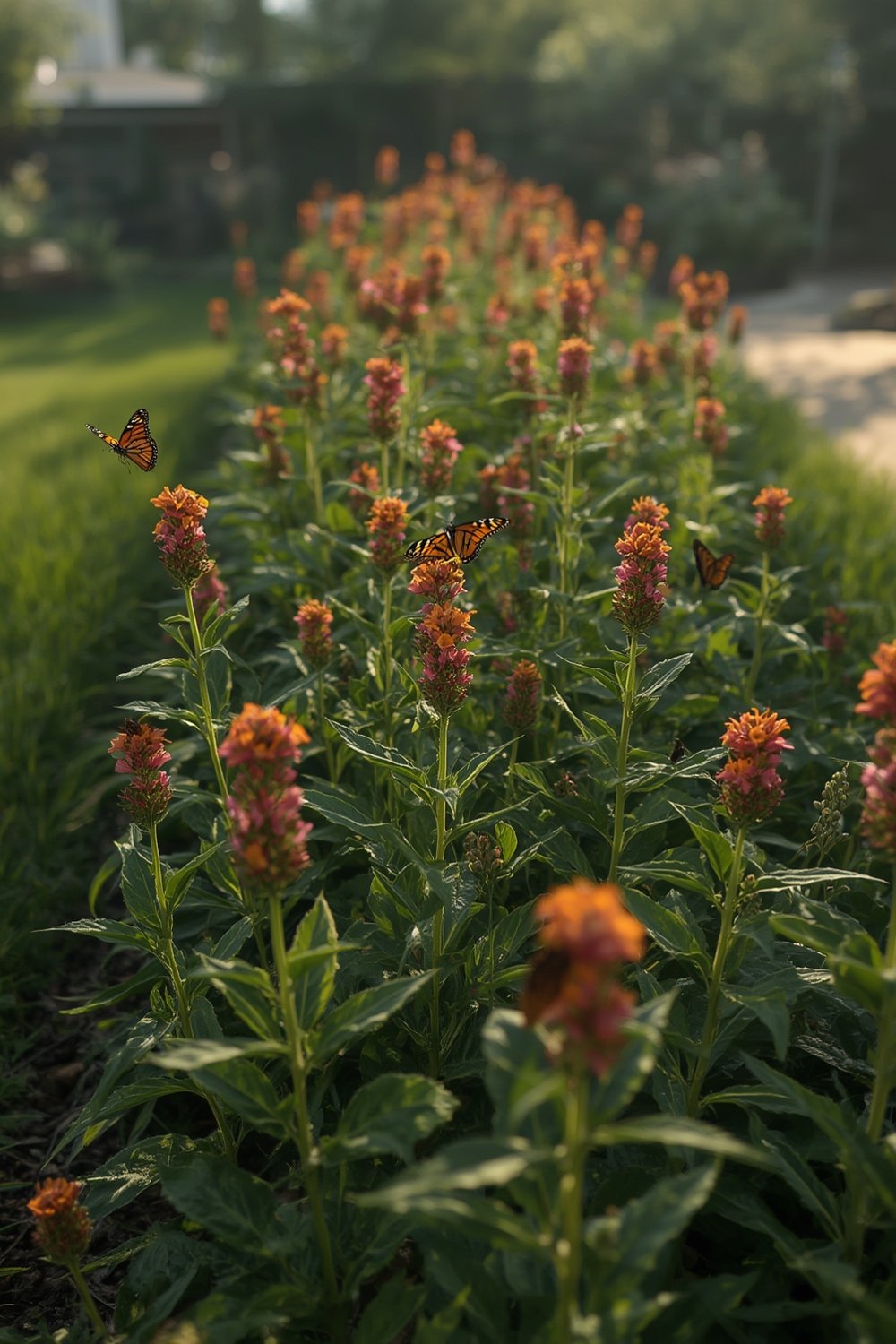
How to plant milkweed for monarchs: Step-by-step guide
Success with milkweed starts by choosing the right species for your region and following a few proven steps for germination, planting, and maintenance.
- Pro Tip: Always plant native milkweed species (like Asclepias incarnata in wet areas or A. syriaca in the Midwest/East) instead of tropical milkweed, which can disrupt monarch migration and survival.
- Hacks & Tricks: Accelerate germination by cold stratification milkweed seeds in your fridge: place seeds in moistened paper towels inside a plastic bag for 30 days before planting. This mimics winter and improves sprouting rates dramatically.
Step 1: Select the right milkweed species for your region
Native milkweeds work best and avoid the downsides of invasive or non-native varieties. Popular choices:
- Common milkweed (Asclepias syriaca): Best for Eastern and Midwest US, full sun, drought-tolerant, can spread aggressively.
- Swamp milkweed (Asclepias incarnata): Thrives in damp or sunny spots, less aggressive, excellent for rain gardens. (Rain garden design ideas)
- Showy milkweed (Asclepias speciosa): Western US, more ornamental, less weedy.
Avoid tropical milkweed (Asclepias curassavica), especially in the southern US, where it can persist year-round and negatively affect monarch migrations.
Step 2: Prep seeds for planting
Most milkweed seeds require cold stratification. Place seeds in moist paper towels in a sealed bag and refrigerate them for four weeks before planting.
Step 3: Plant outdoors in early spring
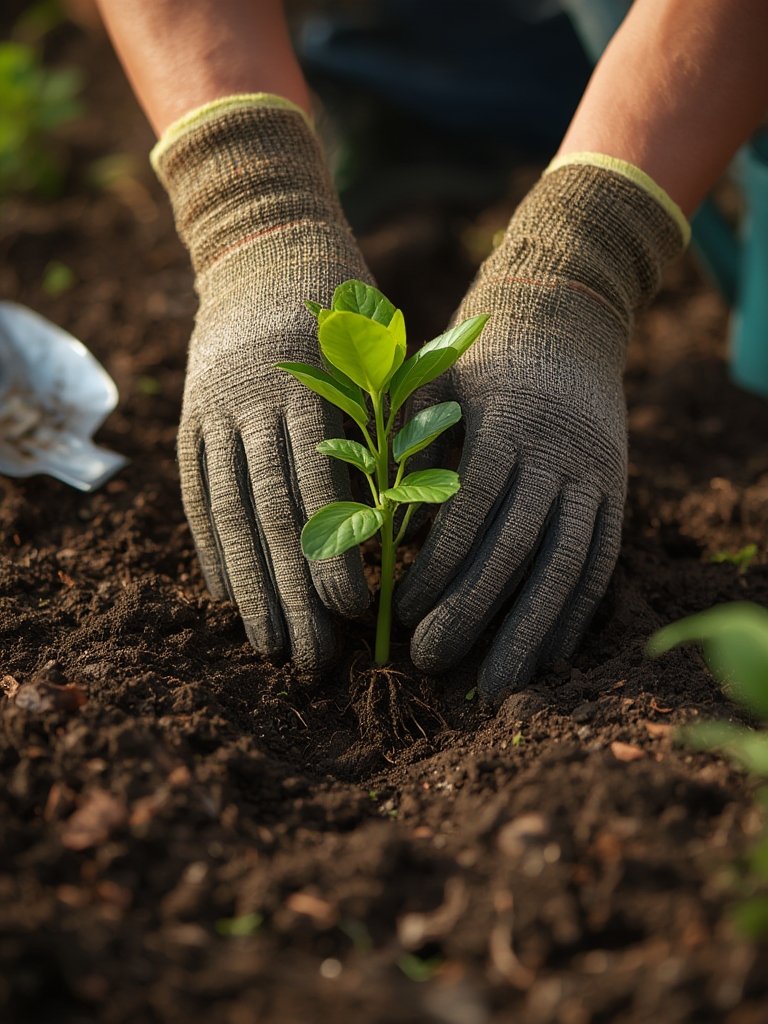
Direct sow stratified seeds after the last frost for best results. Plant 1/8 inch deep in soil that drains well for common milkweed or holds moisture for swamp milkweed.
Step 4: Water and thin seedlings
Keep soil lightly moist until seedlings are 2-3 inches tall. Thin plants to at least 12 inches apart to reduce crowding and disease.
Step 5: Monitor for pests and protect from herbicides
Check plants weekly for aphids or milkweed beetles. Rinse pests off with water, and never spray chemical pesticides-these can harm monarch caterpillars.
Step 6: Support healthy monarch hatching
If you see monarch eggs or caterpillars, avoid disturbing them. If stems break or fall, gently re-anchor them in soil-swamp milkweed is especially sensitive to root disturbance.
Want to make planting even easier for future seasons? Use ergonomic garden hand tools for prepping seedbeds and transplanting. Try a 9-piece heavy duty garden tool set or precision pruning shears to minimize root shock.
Advanced analysis & common pitfalls
Despite the urgency, planting milkweed does not guarantee monarch success. Research and user feedback highlight surprising challenges:
- Seed viability: Many gardeners report low germination, often due to skipped cold stratification or poor quality seeds from unknown sources.
- Wrong species: Planting non-native or tropical milkweed can disrupt natural monarch migration and potentially increase disease risk (e.g., OE parasite buildup).
- Site mismatch: Some milkweeds-like swamp milkweed-require moist soils, while others like common milkweed need full sun and dry conditions. Picking the wrong type or spot results in stressed, unproductive plants.
- Pest outbreaks: Aphids and milkweed beetles can overtake plants, especially if not checked early.
- Overcrowding: Failing to thin seedlings can cause wasting and fungal disease.
- Pesticide drift: Planting near treated lawns or fields exposes monarch caterpillars to deadly chemicals.
| Milkweed Species | Pros | Cons | Best Use |
|---|---|---|---|
| Common Milkweed (A. syriaca) | High monarch attraction, drought-tolerant | Spreads aggressively, not for small gardens | Pollinator meadows, large beds |
| Swamp Milkweed (A. incarnata) | Less weedy, tolerates moist soils, easier for small gardens | Needs consistent moisture | Rain gardens, wet borders |
| Tropical Milkweed (A. curassavica) | Easy to sprout, colorful flowers | Not native, may disrupt monarch migration | Should be avoided outdoors |
Another overlooked problem is improper seed sourcing. Always buy from reputable growers who specify the native region of their milkweed seeds. Seed transparency helps prevent accidental introduction of invasive types.
Using smart watering tools (such as a retractable hose reel) ensures seedlings get even moisture, which is especially important for swamp milkweed’s shallow roots during hot weather.
Conclusion
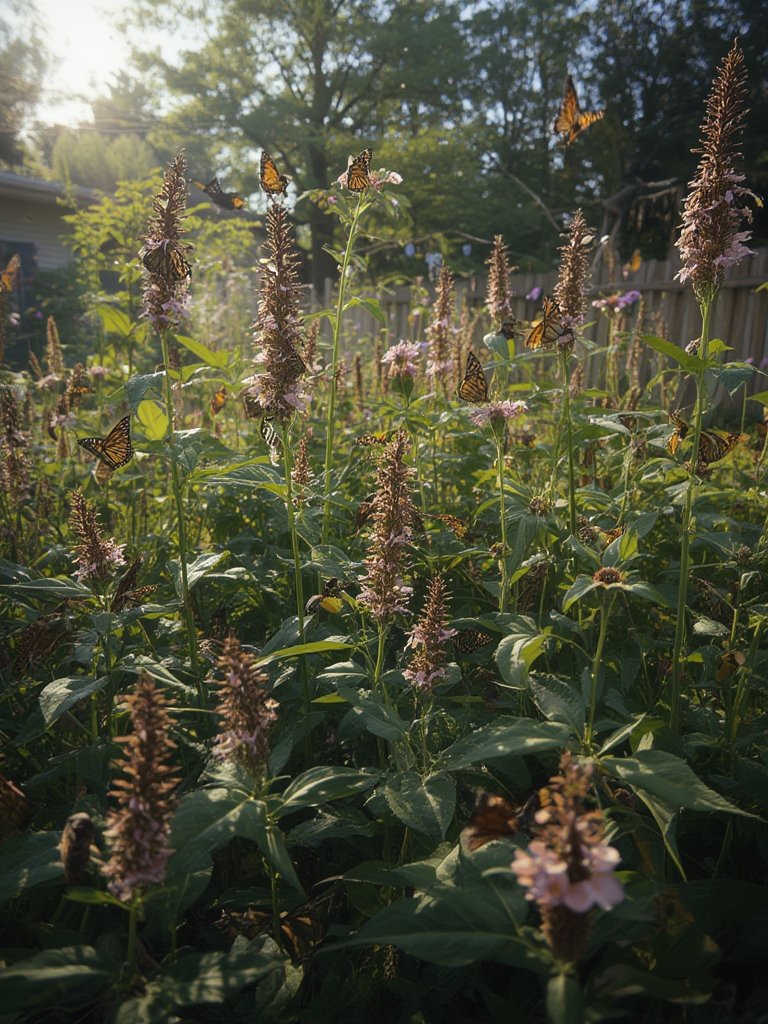
Restoring monarch populations is a big challenge, but strategic planting of milkweed for monarchs is one of the most direct and achievable solutions for gardeners and community groups. Choosing native species, stratifying seeds, and protecting seedlings from pests and chemicals all make a measurable difference. Monarch numbers are at historic lows in 2024 (source), but every patch of well-planned milkweed helps.
Ready to start? Select the right milkweed for your region, stratify your seeds, and prepare your garden beds with sturdy tools today. Explore our Native Pollinator Plants guide for even more ways to boost habitat in your yard. Your actions can directly support monarch recovery-get planting!
FAQ
Which milkweed species is best for monarchs in my region?
It depends on your location. Common milkweed (A. syriaca) suits eastern and midwestern states, while swamp milkweed (A. incarnata) is better for wet or rain garden areas. Western gardeners often use showy milkweed (A. speciosa). Always choose native species for your specific area.
Should I plant tropical milkweed (Asclepias curassavica)?
No. Tropical milkweed is not native and can cause disease buildup and migration issues for monarchs. Stick with native milkweed species recommended for your region.
How do I increase my milkweed seed germination rates?
Cold stratify seeds for 30 days in a moistened paper towel placed in the refrigerator before planting. Plant seeds at the right depth (1/8 inch), keep moist, and avoid sowing too deeply.
Do I need to protect milkweed from garden chemicals?
Yes. Pesticides and herbicides can kill caterpillars and pollinators. Grow milkweed away from treated lawns and fields, and use only manual pest control methods.
How can I make my habitat more attractive to monarchs?
Plant groups of native milkweed close together and include a variety of other native nectar plants. Maintain healthy, chemical-free soil and leave some leaf litter for shelter. For inspiration, check our Parkway Garden pollinator guide.