


Native pollinator plants are transforming gardens across the country, and new research proves they outperform traditional ornamentals in boosting pollinator health and abundance. If you want to create a lasting impact for bees, butterflies, and your local ecosystem, understanding what to plant- and what to avoid_matters more than ever. Here’s what you need to know.
Key Takeaways
- Native pollinator plants attract dramatically more pollinators than non-native varieties, with up to 42 times more visits in field studies.
- Choosing the right plant diversity and avoiding sterile cultivars or hybrids is critical for supporting pollinator populations.
- Common pitfalls include insufficient plant diversity, poorly timed bloom seasons, and using exotics that harm rather than help butterflies.
- What Makes Native Pollinator Plants So Effective?
- How to Create a High-Impact Native Pollinator Garden: Step-by-Step
- Advanced Insights & Common Pitfalls to Avoid
- Conclusion
- FAQ
What makes native pollinator plants so effective?
Native pollinator plants are species that have evolved naturally in your region, creating a perfect match for local bees, butterflies, and other beneficial insects. Unlike most ornamentals, these plants offer nectar and pollen at the right times and support co-evolved pollinators at every stage of their life cycle. A 2024 University of Florida study found that native plant species not only produced more flowers, but also attracted far more pollinators than equivalent non-natives, even under partial watering (see source).
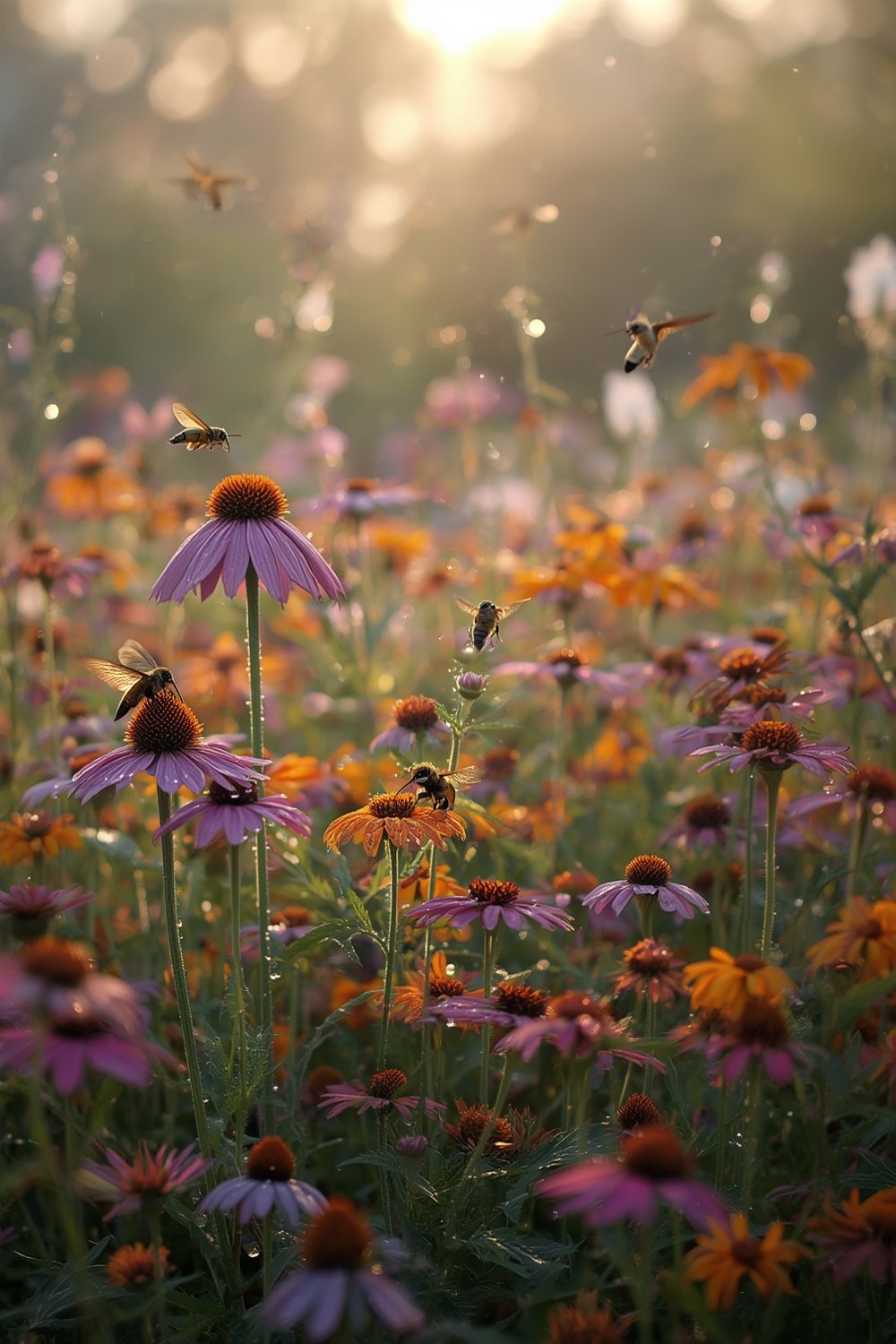
Field monitoring in 2023 showed pollinators visiting native flowers 42 times more than non-native ones, which highlights how vital this plant selection can be (read full study). By mimicking natural habitats in your yard, native plantings reverse pollinator decline and create environmental resilience.
How to create a high-impact native pollinator garden: Step-by-step
- Survey your planting site.
Note the sunlight, average moisture, and soil type in your yard. Native pollinator plants perform best when matched to these conditions. - Research local native species and gather sources.
Choose at least 10-20 kinds of flowering plants native to your region and suited to your site. Prioritize species that offer blooms from early spring through fall, such as anise hyssop, bee balm, and field thistle. Use reputable sources for seeds or plants—avoid generic “wildflower” mixes that often contain non-natives. - Plan for structural and seasonal diversity.
Mixing plant heights, bloom times, and flower shapes will support a wider array of pollinators. Include clumping grasses and several larval host plants for butterflies. - Prep your soil and remove exotics.
Clear turf grass, invasive plants, and amend soil only if needed (most natives thrive in undisturbed conditions). - Plant densely and group species.
Group 5-7 plants of each type together for visibility and pollinator access. Densely planted beds suppress weeds and enhance flower abundance. - Commit to long-term care and observation.
Water young plants until established. Avoid pesticides and let plant debris remain over winter for pollinator shelter. Observe which species attract the most visitors and adjust your mix over time. - Maintain and expand with smart tools.
Use high-quality garden tools—for example, the Fiskars bypass pruning shears help you cut back perennials cleanly. A mini chainsaw can aid in removing woody exotics as your garden matures. - Monitor, record, and celebrate pollinator activity.
Take notes or photos of pollinator visitors. Sharing data helps conservation—and is rewarding.
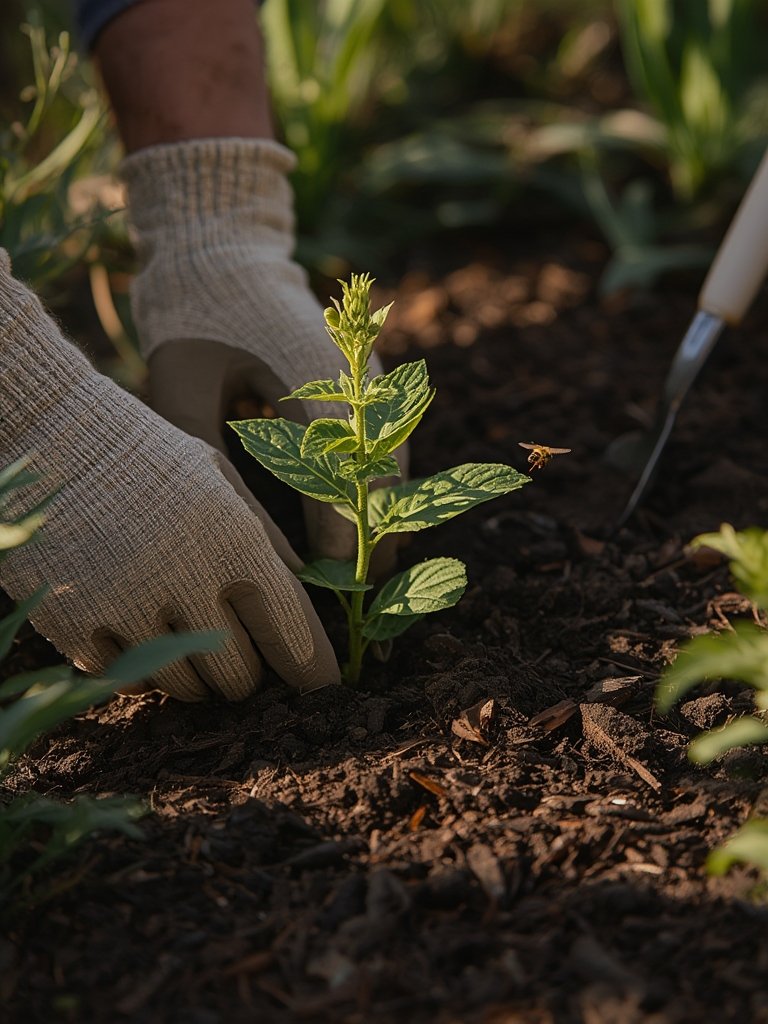
For added efficiency, keep your garden tidy and maintained using a reliable garden tool set. Smart maintenance prevents invasive weeds without harsh chemicals.
Advanced insights & common pitfalls to avoid
Even experienced gardeners struggle with native pollinator plantings. Based on recent research, here are the most important challenges and mistakes:
- Insufficient flower diversity: Most commercial wildflower mixes contain only 20-30 species, but research shows pollinators use far more when available. Undervaluing diversity means fewer insects get fed across the seasons (study link).
- Cultivar pitfalls and double flowers: Avoid hybrids or double-flowered ornamentals, which may lack pollen or nectar entirely (pollinator.org).
- Poor timing—phenological mismatch: Warming temperatures cause some natives to bloom too early; if pollinators emerge later, there’s nothing to eat (see discussion).
- Limited consideration of host plants for specialist species: For monarchs, only native milkweeds should be used. Non-native tropical milkweed may increase parasitic infections and interfere with migration.
- Site scale mismatch: Small urban gardens need compact natives; sprawling rural sites should add taller species like gray-headed coneflower or goldenrod for maximum diversity. (Few official recommendations exist—trial and observation are key.)
| Common Mistake | Why It Matters | Easy Fix |
|---|---|---|
| Using non-native or hybrid seed mixes | Pollinators may ignore these plants, leading to poor results | Buy regionally native seed from reputable suppliers |
| Ignoring bloom timing | Pollinators may not find food when they need it | Plant a mix to cover all seasons |
| Relying on just one or two species | Poor support for specialist pollinators | Aim for 10+ species, grouped by bloom time |
| Removing plant “debris” in fall | Destroys overwintering pollinator nests | Leave stems and leaves until spring |
| Using pesticides or pre-emergent herbicides | Kills beneficial insects and reduces pollinator populations | Hand-weed or use a stand up weed puller |
Field studies also reveal some often-overlooked, high-value natives:
- Anise hyssop (Agastache foeniculum) – top choice for bumble bees, butterflies, and more
- Bee balm (Monarda fistulosa) – essential for bumble bees, native bees, and butterflies
- Field thistle (Cirsium discolor) – a favorite with native bee species
These species may not feature in typical pollinator planting guides, but they’re proven winners in observational data.
Conclusion
Choosing, planting, and maintaining native pollinator plants is backed by real science—not just gardening trends. Remember to favor true native species, maximize diversity, and adapt for bloom timing to see significant upticks in bee and butterfly visits. Whether you’ve got a small urban patio or sprawling acreage, a strategic mix of natives like bee balm and field thistle creates genuine pollinator habitat. Start small, observe carefully, and don’t be afraid to adjust your species list over time.
For anyone serious about supporting pollinators, begin by planning your garden around native pollinator plants today. Every yard planted makes a meaningful difference. Ready to get your hands in the soil? Start building your list of regionally native seeds and watch your yard come alive—one wild visitor at a time.
FAQ
What are the best native pollinator plants for beginners?
Start with anise hyssop, bee balm, purple coneflower, and field thistle if they’re native to your area. These are widely attractive to bees and butterflies, easy to grow, and proven to outperform most ornamentals in supporting pollinator life.
Are native pollinator gardens more expensive to install than traditional landscaping?
Upfront costs can be similar or lower, especially if you start from seed or work in phases. Native gardens usually become less expensive over time since they need less water, fertilizer, and maintenance than exotic ornamentals.
Can I plant native pollinator species in containers or small urban spaces?
Yes! Many native plants do well in large pots or tight spaces, especially bee balm, anise hyssop, or milkweed. Always choose species suitable for your light and climate conditions.
What common mistakes should I watch out for with native pollinator gardens?
Avoid hybrid and double-flowered ornamentals, limit pesticide use, and always provide a mix of plant types to ensure nectar and pollen availability through all seasons. Also, leave some plant debris over winter for nesting pollinators.
Do I need special tools to manage a native pollinator garden?
Basic gardening tools are enough, but investing in ergonomic items like the right garden tool set or a bypass pruner will make seasonal upkeep easier and more enjoyable.