



Garden office pod solutions are transforming how people work from home, offering a smarter way to create focused, comfortable workspaces without major renovations or long commutes.
Key Takeaways
- Garden office pods can boost property value, productivity, and work-life balance when well-planned.
- Major pitfalls include hidden installation costs, regulatory hurdles, and post-installation climate control or connectivity issues.
- Practical planning, awareness of zoning rules, and investing in high-quality construction help avoid costly surprises.
- What is a garden office pod and why consider one?
- How to plan and build a successful garden office pod
- Advanced analysis & common pitfalls
- Conclusion
- Frequently asked questions
What is a garden office pod and why consider one?
A garden office pod is a freestanding, purpose-built structure designed for work and productivity, installed in your outdoor space. Unlike traditional home offices, pods separate work from home life physically and mentally, creating a quiet, distraction-free setting that helps you focus.
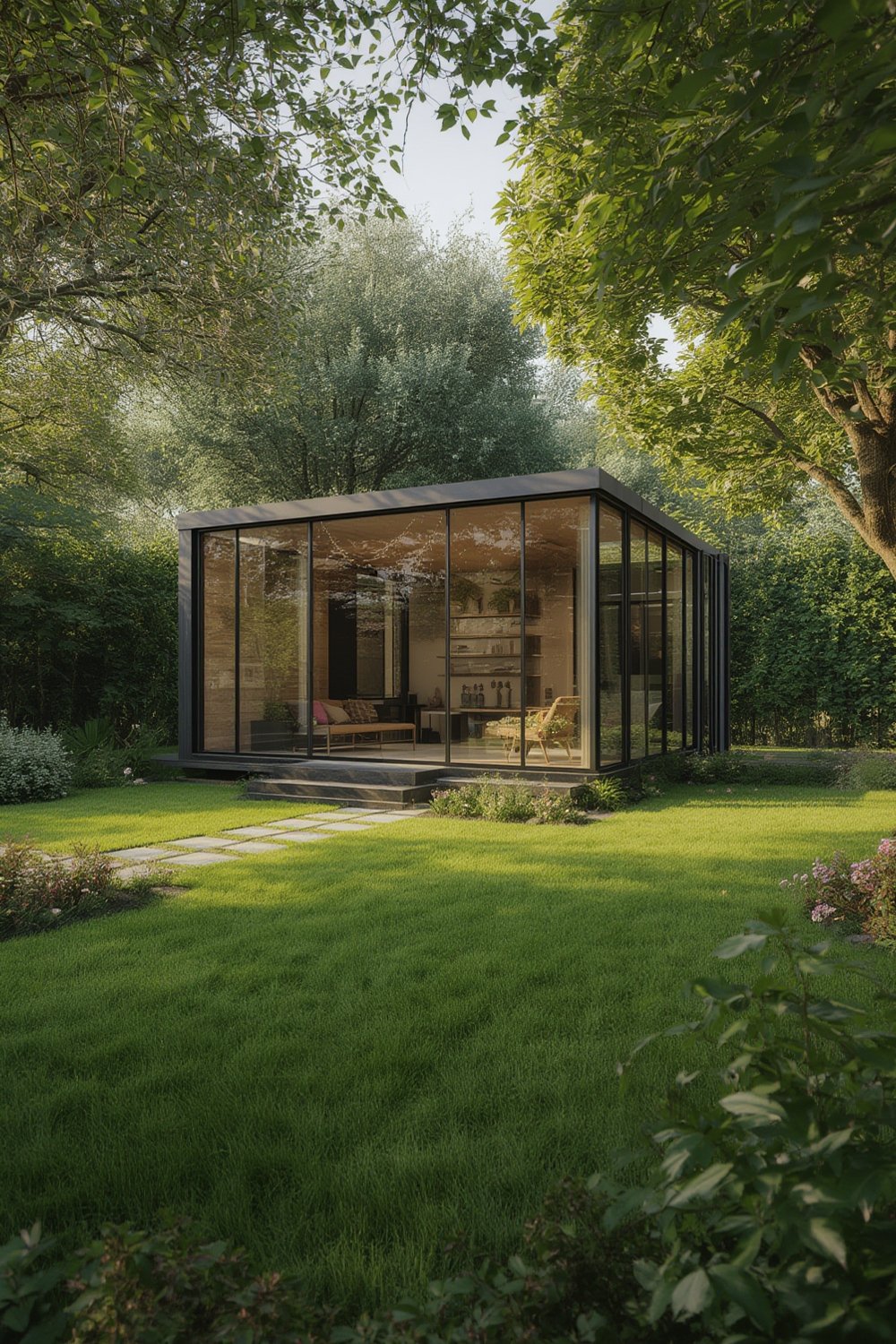
This trend has seen exponential growth. In the UK, Google searches for ‘garden offices’ held steady at nearly 400,000 in a year, and 2.1 million remote workers now use onesource. Beyond practicality, a garden office pod can raise home value by 8.4% on average – that’s nearly £23,000 for a typical propertysource.
Why do so many people invest in a garden office pod? For most, it’s the ability to reclaim work-life balance by establishing clear boundaries. The walk to the pod signals a mental shift and means less household interruption. For others, it’s about property value, energy-efficient space, or transforming the pod into a multipurpose retreat after hours.
As remote and hybrid work increase, this type of workspace is no longer a niche luxury. Instead, it’s a flexible investment many homeowners are considering seriously for 2024 and beyond.
How to plan and build a successful garden office pod
Building a garden office pod is a project that can add serious value and utility to your life – if you plan carefully, follow local rules, and select quality construction. Here are the key steps:
- Evaluate your space and local rules.
Map out your garden and check sun exposure, distance to boundaries, and utility access. For UK readers, structures taking up more than 50% of your outdoor space or sitting close to property lines will usually need planning permissionsource. The US rules are local and vary, so always check with your city or county building department. - Establish your budget.
The average cost in the UK is around £9,000, but this varies by size, specification, and location. Factor in delivery, installation, utility trenching, insulation, finishing, and any permits required. - Choose your pod type and design.
You’ll find everything from insulated modular office pods (prebuilt, dropped in by truck) to custom timber builds. Research brands such as Pod Space, known for sustainable and sleek designsource. Consider insulation, windows for natural light, security (locks, alarms), and how you’ll keep a comfortable temperature all year. - Plan for power, internet, and climate control.
You may need a licensed electrician to install underground cabling. For Wi-Fi, a signal booster or dedicated line often helps. Heating and cooling can be as simple as a wall panel heater or as advanced as underfloor heating and AC. - Select quality materials and finishes.
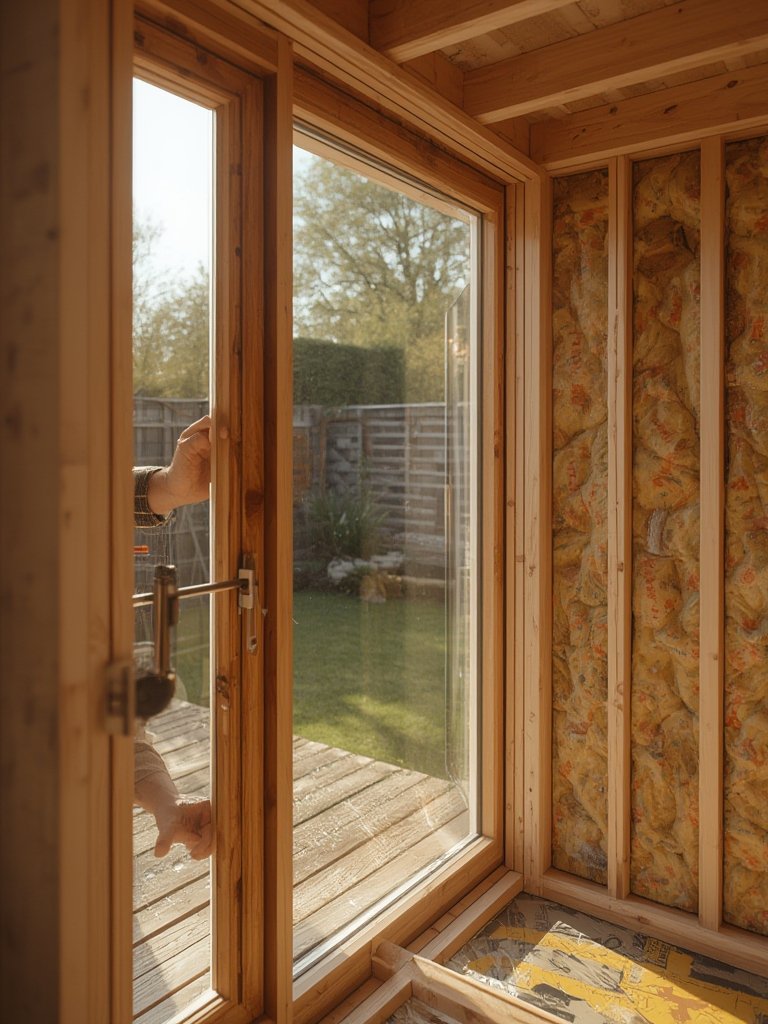
Premium insulation, weatherproof cladding, and double glazing boost comfort and add more value. Based on research, smaller pods with high-spec finishes often outperform larger, basic structures for ROI. - Don’t skip the paperwork.
Get approval if needed, especially for larger pods. UK planning permission is a common stumbling block, and in the US, some states classify pods as accessory buildings with strict codes and setbacks. Keep all documents for valuation and insurance. - Install, furnish, and personalize.
Once delivered, install the pod using a certified team or self-build if allowed. Don’t forget ergonomic furniture and essentials like a desk, chair, storage, LED lighting, and decor. For gardening tasks around your pod, check out this mini chainsaw review for efficient pruning and maintenance.
Adding a garden office pod is also a chance to optimize your landscape. Consider vertical planters for screening, or a vertical garden wall to boost privacy with greenery. If you’re organizing outdoor tools, an outdoor storage box is a practical upgrade alongside your new workspace.
Advanced analysis & common pitfalls
While the promise of a garden office pod is real, many owners encounter avoidable snags. Here’s a breakdown of recurring pitfalls, realistic worries, and a clear comparison to help you.
Common pitfalls and mistakes
- Ignoring hidden costs: Delivery, utility trenching, permits, slab preparation, and required upgrades often grow total spend well above advertised pod prices.
- Underinsulating or skipping climate control: If insulation is poor, the pod becomes uncomfortably hot in summer and freezing in winter. Budget for heating and cooling solutions from the start.
- Poor connectivity: Wi-Fi dead zones and underpowered extensions can ruin productivity. Test signal strength and consider direct cable runs or professional mesh systems.
- Regulatory issues: Installing without confirmed approval can mean forced removal or fines. This is especially risky when boundaries are tight or you’re over size limits.
- Maintenance surprises: Cheap builds can deteriorate quickly. Watch for water ingress, warped cladding, or poorly treated timber in climates with rain or freeze-thaw cycles.
- Lack of resale consideration: Over-large or poorly sited pods can hurt garden usability or even reduce buyer interest later. Choose size and placement with care.
Garden office pod vs. traditional home office and ADU
| Factor | Garden Office Pod | Traditional Home Office | Larger ADU/Annex |
|---|---|---|---|
| Avg. Cost (UK) | £9,000 | £2,000–£5,000 (conversion) | £40,000+ |
| Permits/Red Tape | Depends on size/location | Minimal | Extensive |
| Distraction Level | Very low | Medium-high | Very low |
| Space for Other Use | Multipurpose, compact | Usually single purpose | Apartment/guest flat |
| Impact on Value | Avg. +8.4% | Low | High |
| Utility Costs | Low-moderate | Minimal | High |
| Time to Build | 2–8 weeks | 1–2 weeks (paint/fit-out) | 3–10 months |
Each route has trade-offs. A garden office pod is faster and less invasive than a full ADU, but running costs and practical ROI depend on location, construction quality, and planning success.
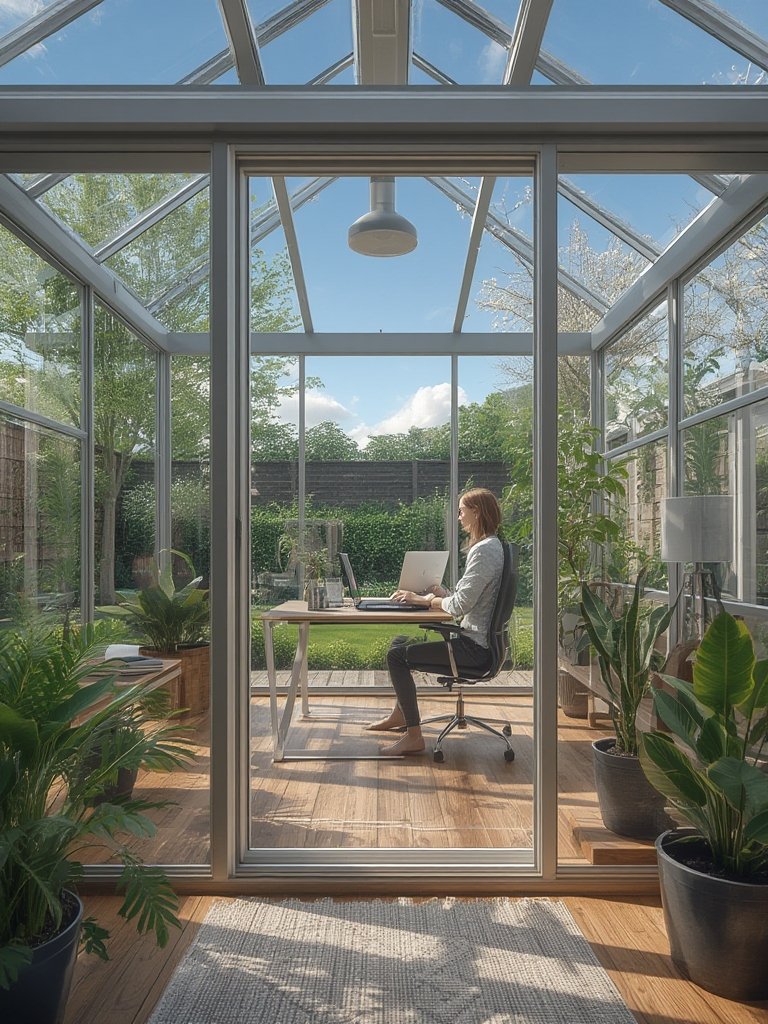
Remember, proper planning and investing in trusted, sustainable brands (such as Pod Space and others) reduce long-term repair and maintenance headaches. For more ideas on optimizing your space, including water-smart landscape improvements, check out our smart irrigation system guide.
Conclusion
Planning and building a garden office pod is one of the most effective ways to improve work efficiency, property value, and personal well-being for remote workers. The right pod delivers a quiet retreat, a real addition to living space, and strong potential for ROI. Research, budgeting, and adherence to local rules are essential—as is upfront investment in construction quality to avoid costly pitfalls later. The future of flexible work at home is here. Consider how a garden office pod could fit your needs, and start designing a workspace you truly enjoy.
If you want to take full control of your home work environment, consider planning a garden office pod to boost productivity and property value this year. Start by mapping your available space and researching local rules today.
Frequently asked questions
Do I always need planning permission for a garden office pod?
Not always. In the UK, you may need permission if the structure covers more than 50% of your garden or sits close to property boundaries. For smaller pods, many fall under permitted development, but rules vary by council. In the US, requirements depend on your state and city. Always check before starting.
What are the biggest hidden costs of installing a garden office pod?
Common hidden costs include utility trenching for electrical supply or internet, ground leveling, slab/bases, permit fees, and heating/cooling upgrades. Delivery charges can also add up, especially in rural or hard-to-reach areas.
Will a garden office pod really add resale value to my home?
On average, a well-built, fully finished garden office pod increases UK property value by 8.4%. Quality, location, and finish all affect this. A low-cost or poorly placed pod may add little value or even reduce garden usability.
What is the best way to keep a garden office pod warm in winter?
Choose a pod with high-grade insulation, double glazing, and minimal air gaps. Panel heaters or energy-efficient split AC units are popular for heating. Rugs and curtains can help trap warmth. Avoid cheap, underinsulated builds in cold climates.
Can I use a garden office pod for purposes other than work?
Absolutely. Garden office pods can be repurposed as gyms, studios, guest rooms, or hobby spaces when not used for work. Their flexibility is a major advantage over single-use home office conversions.
nn
🛒 Recommended Products