



Vertical garden wall systems are transforming urban spaces-small patios, balconies, and blank walls-into lush, plant-filled environments that improve air quality and add instant value to any property.
Key Takeaways
- Vertical garden walls are rapidly growing in popularity due to environmental, aesthetic, and property value benefits-global market size is expanding at over 9% CAGR through 2030.
- Installation and maintenance require careful planning and investment; common pitfalls include irrigation issues and design missteps.
- Emerging trends like modular panels, efficient irrigation, and smart sensor technologies make vertical gardens more accessible for small-space homeowners and renters.
- What is a vertical garden wall?
- How to build a vertical garden wall: step-by-step
- Advanced analysis & common pitfalls
- Conclusion
- FAQ
What is a vertical garden wall?
A vertical garden wall, sometimes called a living wall or green wall, is a structure affixed to an indoor or outdoor wall that allows you to grow plants upward instead of outward. These smart, efficient gardens are not just for show-they help filter the air, lower energy bills, and make even the smallest urban spaces feel alive.
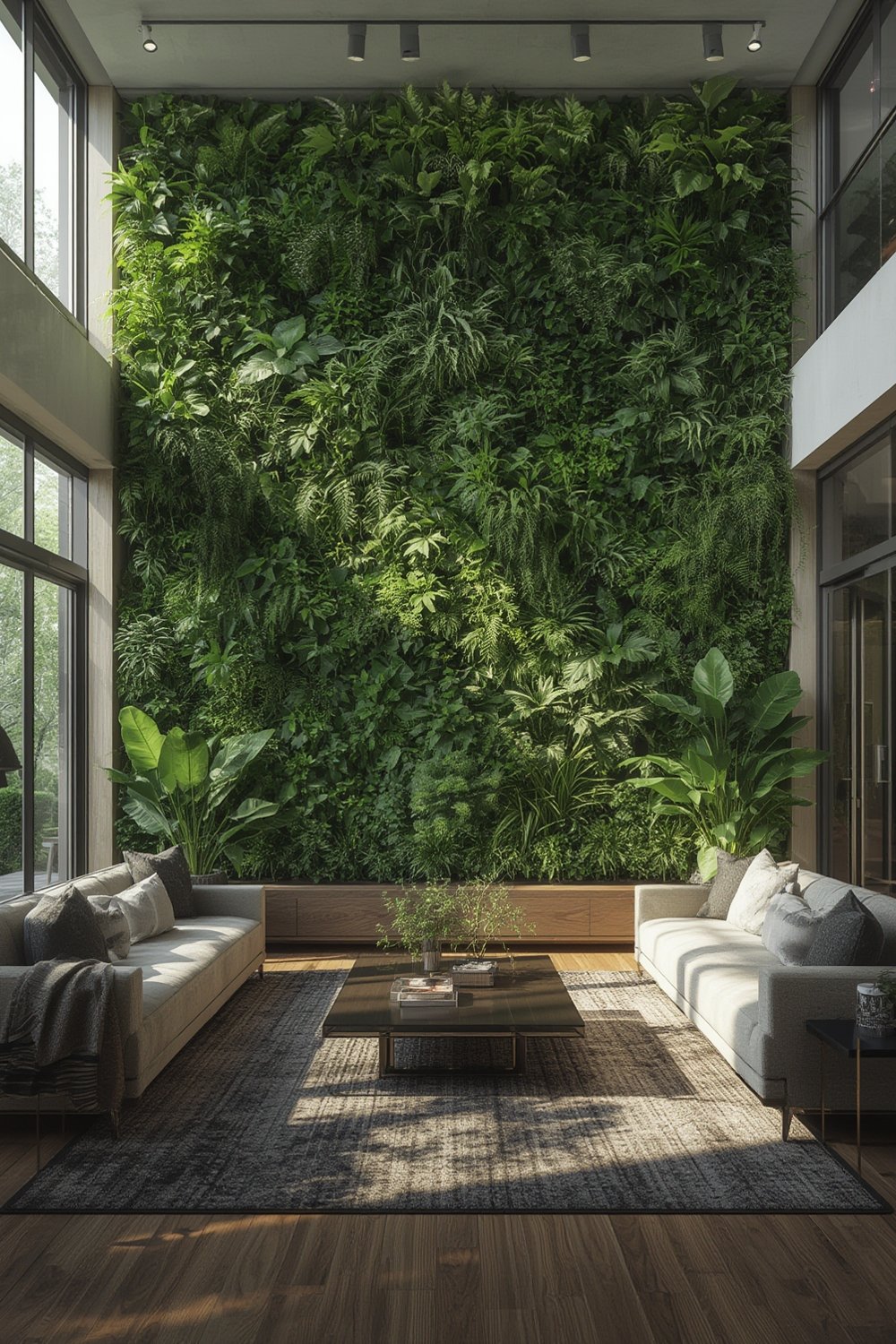
Adoption is booming. In 2024, the global vertical garden construction market reached $1.4 billion and is projected to hit $2.4 billion by 2030. North America alone holds over 40% of the green wall market revenue, while Asia Pacific is quickly catching up with an 11.8% annual growth rate.
(source, source)
The appeal is clear: vertical garden walls can enhance the look of any property, boost resale value, and actively contribute to better air quality and urban cooling. There are systems for every application-full exterior facades, compact balcony panels, modular felt pouches, and advanced hydroponic kits for indoor edible gardening.
How to build a vertical garden wall: step-by-step
Ready to bring greenery to your vertical surfaces? Here’s a straightforward guide for homeowners, renters, or small-space gardeners-no pro skills needed.
- Pro Tip: When starting out, opt for felt pocket systems-they’re lightweight, easy to move or expand, and minimize moisture against your underlying wall.
- Hacks & Tricks: Repurpose a shoe organizer or hanging pocket organizer as an ultra-budget vertical planter for herbs. Add a layer of plastic film inside each pocket to extend longevity and prevent soggy walls.
- Choose the Right System: Decide between pocket panels (great for DIY), pre-assembled modular trays, or hydroponic panels. Felt pockets are cost-effective and removable; panel systems offer more structure; hydroponics work for lush, edible walls indoors. Consider your wall strength and water tolerance.
- Select Plants Suited for Your Environment: For sunny balconies, try succulents or drought-tolerant annuals. For shady interiors, ferns, philodendron, and pothos are winners. Mix shallow-rooted and trailing species for best effect.
- Ensure Waterproofing: For outdoor walls, use a waterproof membrane behind your structure. Indoors, place a protective plastic or rubber sheet before hanging any felt or panel system.
- Plan Your Irrigation: For large installations, a drip irrigation kit or hydroponic reservoir is a must. For small walls, hand watering with a squeeze bottle or watering can suffices-just ensure all pockets get uniform moisture.
- Install the Wall Structure: Secure hardware anchors based on your system’s weight and wall type. For renters or patios, look for freestanding racks or over-the-railing modular panels.
- Fill, Plant, and Enjoy: Use a light, well-draining potting mix. Plant your selections, ensuring roots are firmly anchored and not crowded.
- Maintenance: Water as needed, check for leaks, and prune plants to control growth. Monitor for pests and fertilize every two months.
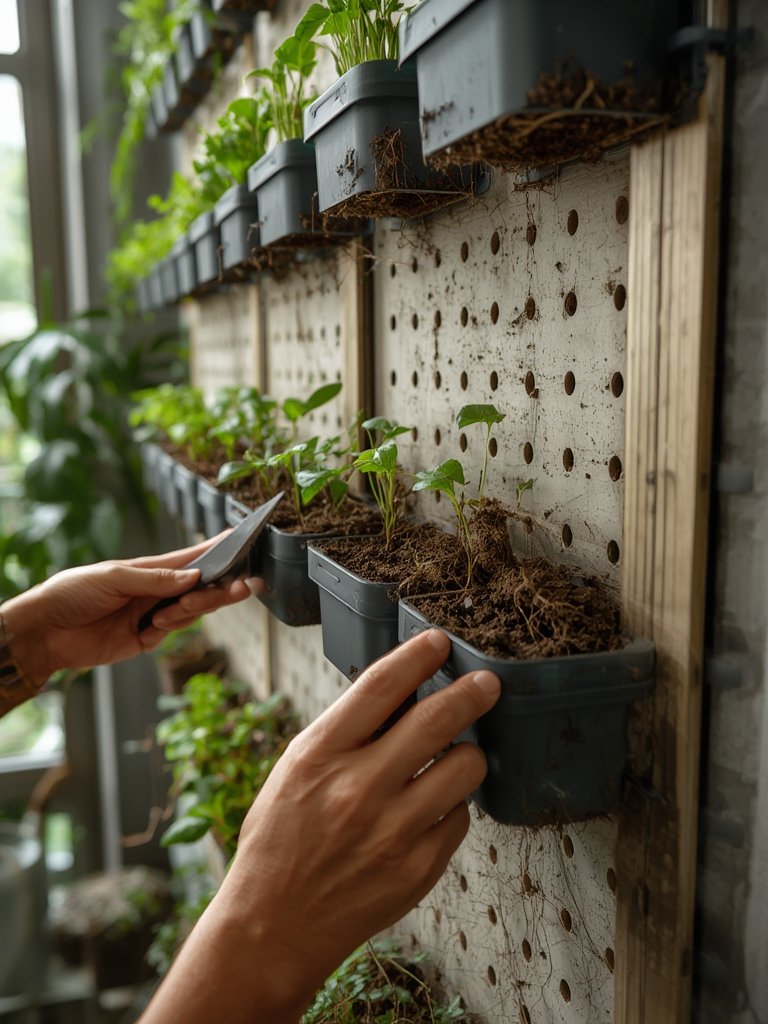
Useful tools for assembly and maintenance include a mini chainsaw for pruning, bypass pruning shears for precise plant trimming, and a retractable garden hose reel for easy watering indoors or out.
Want to automate your irrigation for hands-off maintenance? Consider a smart irrigation system for efficient, app-controlled watering.
Advanced analysis & common pitfalls
Before installing a vertical garden wall, be aware of critical pain points and challenges found in real-world use and recent research.
| Challenge | Description | Typical Solution |
|---|---|---|
| Maintenance needs | Frequent watering, pruning, and nutrient management can be demanding, especially for sun-exposed or edible walls. Neglect leads to poor plant health and unattractive walls. | Install automated drip or hydroponic irrigation. Use slow-release fertilizer. Assign monthly checkups. |
| Installation complexity | Improper anchoring or waterproofing can cause wall damage, leaks, or costly repairs. DIY missteps are common, particularly with heavy modular panels on drywall. | Use high-quality anchors for your wall type. Always add a waterproof membrane or liner before mounting. |
| Cost overruns | Quality materials, irrigation, and professional design push upfront costs higher than expected. Skimping on components risks failure. | Start small with a single module, then expand. Budget for maintenance supplies each season. |
| Pest and disease | Tightly packed plants in vertical arrangements can attract fungus gnats, mildew, or spider mites if ventilation is poor. | Space plants for airflow. Choose disease-resistant varieties. Use neem oil or insecticidal soap as needed. |
| Plant selection errors | Poor plant choices for given light, wind, and humidity conditions result in stunted growth or die-offs. Indoor edible walls without supplemental lighting often fail. | Research light, water, and soil needs. Consider adding LED grow lights for indoor systems. Test a small batch first. |
It’s clear—installation and upkeep are not “set and forget”. Modular systems, efficient irrigation, and sensors help, but expect regular attention for best results.
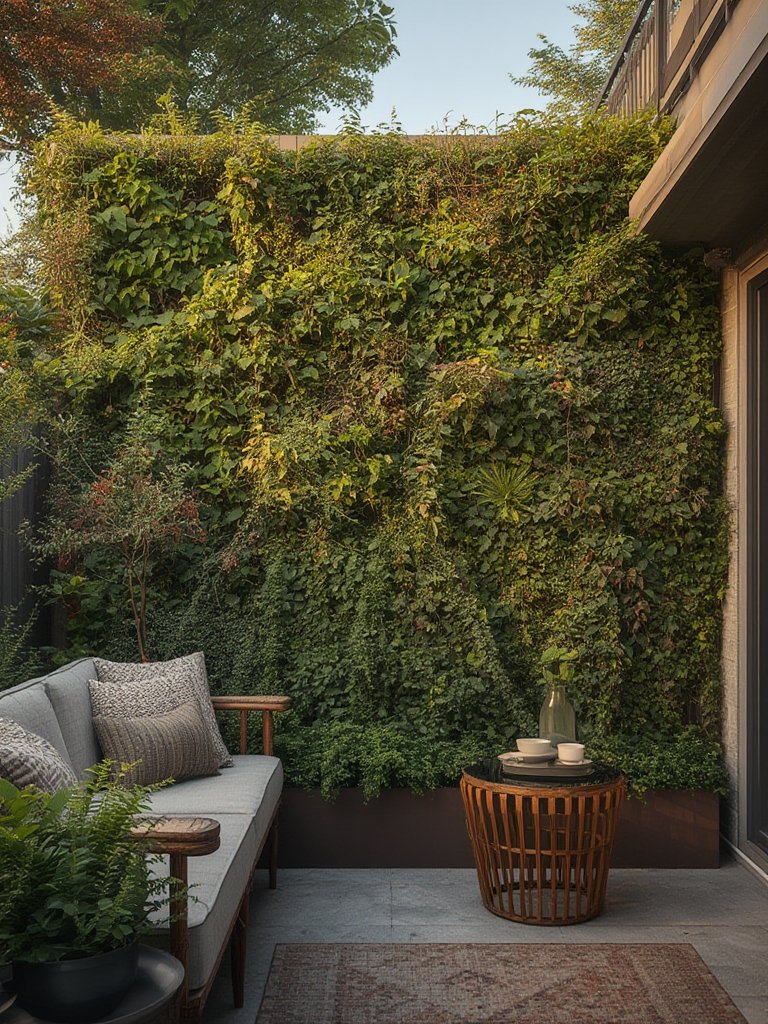
For space-constrained projects, modular panels with hydroponic or felt-based systems are increasingly popular as they can be sized to any location and moved or reconfigured easily.
Advanced technologies include soil moisture sensors and LED grow lights for year-round success (source).
Conclusion
A vertical garden wall isn’t just décor-it’s a living investment in your property’s appeal, your health, and your sustainable lifestyle. With smart planning, modular components, and the right plant selection, these systems can thrive in apartments, patios, or commercial spaces. While there are real challenges-maintenance, watering, upfront cost-modern solutions like modular felt panels, irrigation automation, and sensor management put a thriving green wall within reach for nearly everyone.
Ready to make your blank wall a living masterpiece? Start planning your vertical garden wall today and transform your space from ordinary to extraordinary.
FAQ
Do vertical garden walls damage my wall or property?
If installed correctly with waterproof membranes or liners, vertical garden walls should not cause structural damage. For rented or sensitive spaces, opt for freestanding or self-supporting systems.
How much does a small vertical garden wall cost to install?
Costs vary. DIY felt pocket systems start around $50-$100 for small panels. Modular panels or hydroponic systems can range from $150 to $1000+, especially with smart automation.
Which plants work best for vertical garden walls indoors?
Ferns, philodendron, pothos, snake plant, and certain herbs (like mint, oregano, and basil) thrive indoors, especially with indirect light and light watering.
How often do I need to maintain or water a vertical garden wall?
Most walls require watering 2-3 times per week unless automated. Pruning should be done monthly. Hydroponic systems can reduce watering frequency but regular checks are needed.
Can I grow vegetables and fruits on a vertical garden wall?
Yes-leafy greens, small tomatoes, strawberries, and herbs are popular edibles for vertical systems, especially with adequate light and quality growing media.