


Cat water fountain systems are changing how we keep our pets hydrated. Unlike regular bowls, these devices offer running water to encourage cats to drink more and stay healthy.
Key Takeaways
- A cat water fountain motivates cats to drink by providing a continuous flow of fresh water, which can support kidney and urinary health.
- Choosing and maintaining the right water fountain involves careful attention to cleaning routines, filter changes, and understanding common setup pitfalls.
- There are real drawbacks to consider, such as noise, cleaning demands, and filter availability, so know what to expect before buying.
The core concept
A cat water fountain is a powered device that circulates and filters water to create a fresh, flowing stream. Because cats instinctively prefer moving water, fountains can help overcome low water intake, a common problem that can lead to kidney or urinary tract issues.
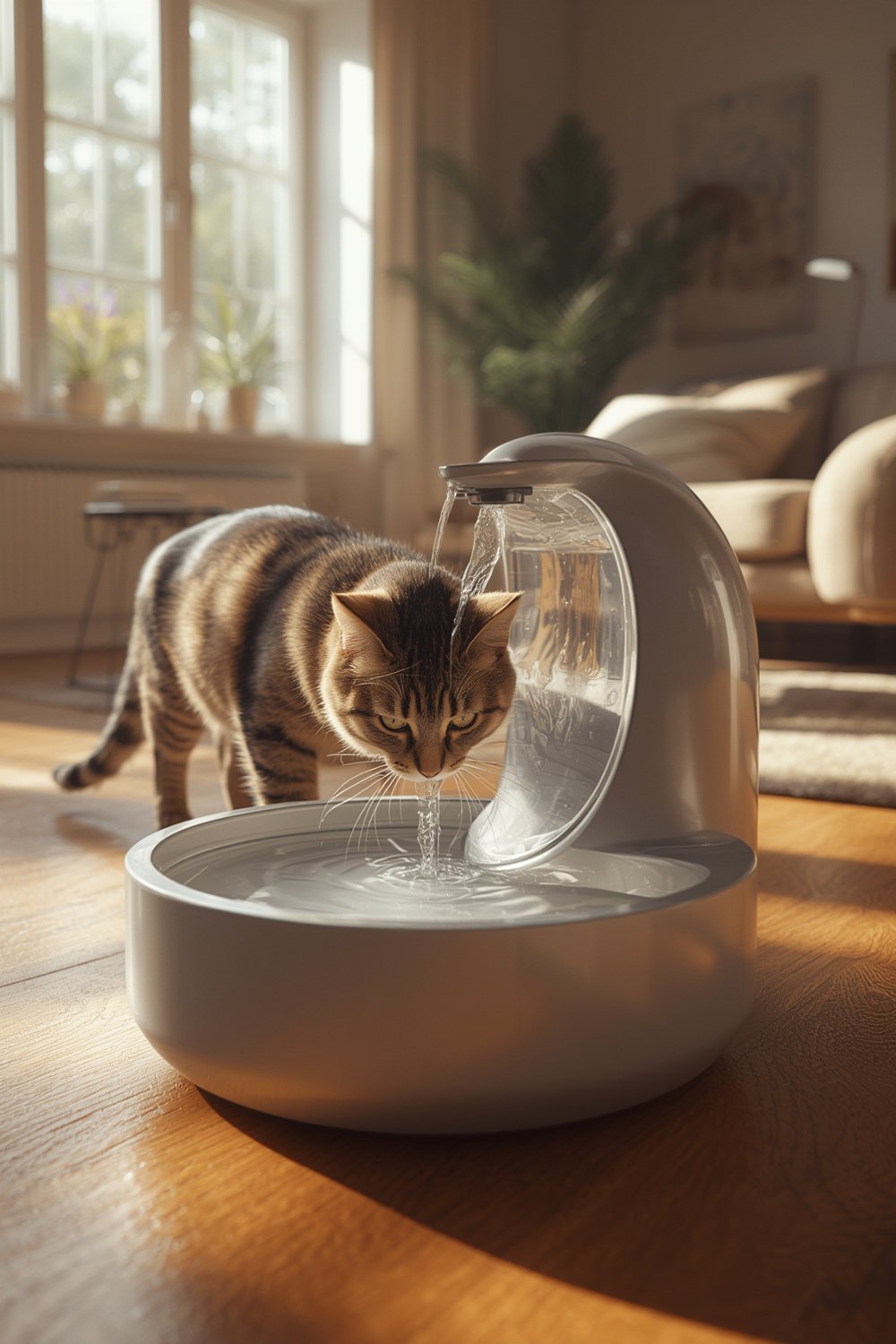
Unlike traditional water bowls, cat water fountains pull water through filters to remove debris and odors. Many models provide multiple drinking areas like bubbling pools and trickling steams. Some have replaceable carbon or foam filters to keep the water odor-free and appealing, but require regular maintenance.
Encouraging your cat to drink more is especially crucial if you feed dry food. If you’re feeding wet cat food, like grain-free seafood pate, hydration needs may differ, but many cats still benefit from running water.
Step-by-Step Guide
Setting up and maintaining a cat water fountain is straightforward when you follow these steps:
- Pro Tip: Always rinse the new fountain and parts with warm water before first use. This helps clear out dust or chemicals from manufacturing that could affect taste.
- Hacks & Tricks: If your cat is hesitant, try placing a tiny pinch of freeze dried fish treat on the edge of the fountain. Let them investigate gradually—many cats overcome hesitation after curiosity takes over.
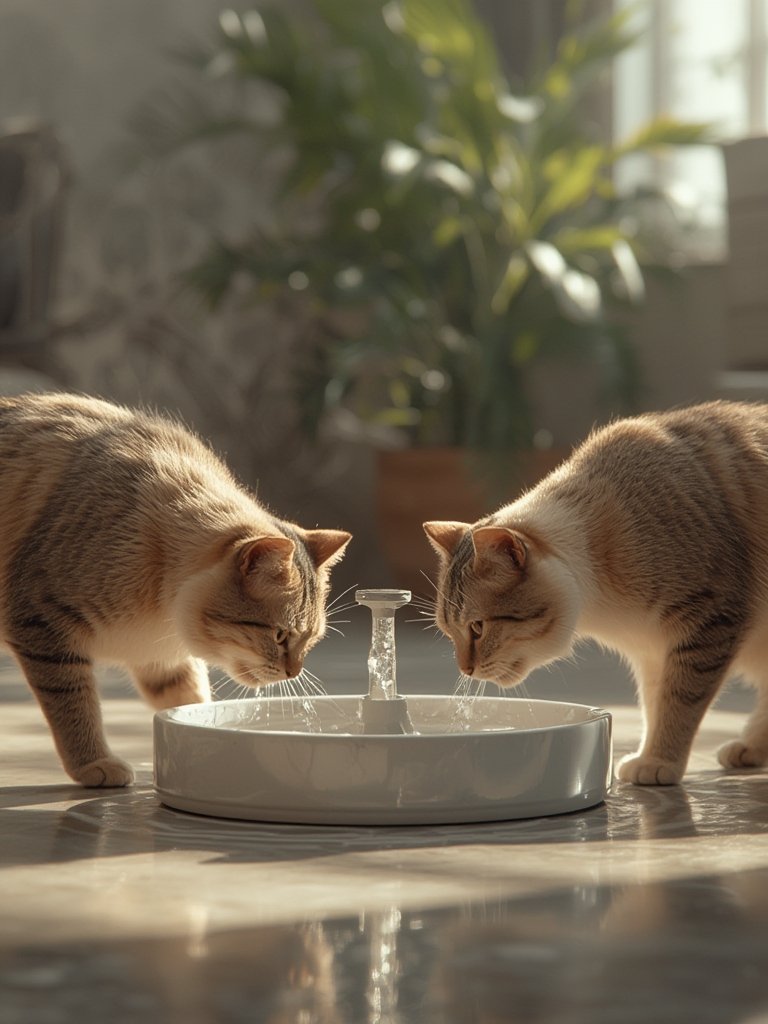
- Choose the right size and style: If you have more than one cat, select a larger or multi-level fountain. Consider material (ceramic for easy cleaning, stainless steel for durability, or BPA-free plastic). For multi-cat homes or travel, you might also need gear like an expandable cat carrier to keep pets separated.
- Pick a location away from food and litter: Cats dislike drinking close to their food or litter due to instinct. Place the fountain in a quiet but accessible spot. Tip: When setting up a fountain, avoid placing it near automatic litter boxes like the ultra-quiet automatic litter box, as noise or odor may discourage drinking.
- Assemble and fill with filtered water: Follow manufacturer’s assembly instructions. Use filtered or spring water if possible, as tap water with high mineral content can leave residue on the pump and surfaces.
- Plug in and monitor the flow: Turn on the fountain, verify the pump is working, and adjust flow if your model allows. Some cats are cautious and may need the flow gentle at first.
- Introduce your cat gradually: If your cat is wary, leave the unplugged fountain out for a day. Plug it in during quiet moments so the cat explores without pressure. Positive association and patience help most timid cats adjust.
- Clean thoroughly every 3-7 days: Disassemble, scrub moving parts (especially the pump), and replace filters as directed. For eco-conscious households, match your cleaning schedule with litter changes-if you’re using eco-friendly tofu litter, sync routines to keep the cat’s area tidy.
- Track water intake: Some fountains with see-through reservoirs make it easy to see if water is running low. If you want to monitor your cat’s water consumption for health reasons, consider automated solutions that log weight and usage, similar to weight tracking smart litter boxes.
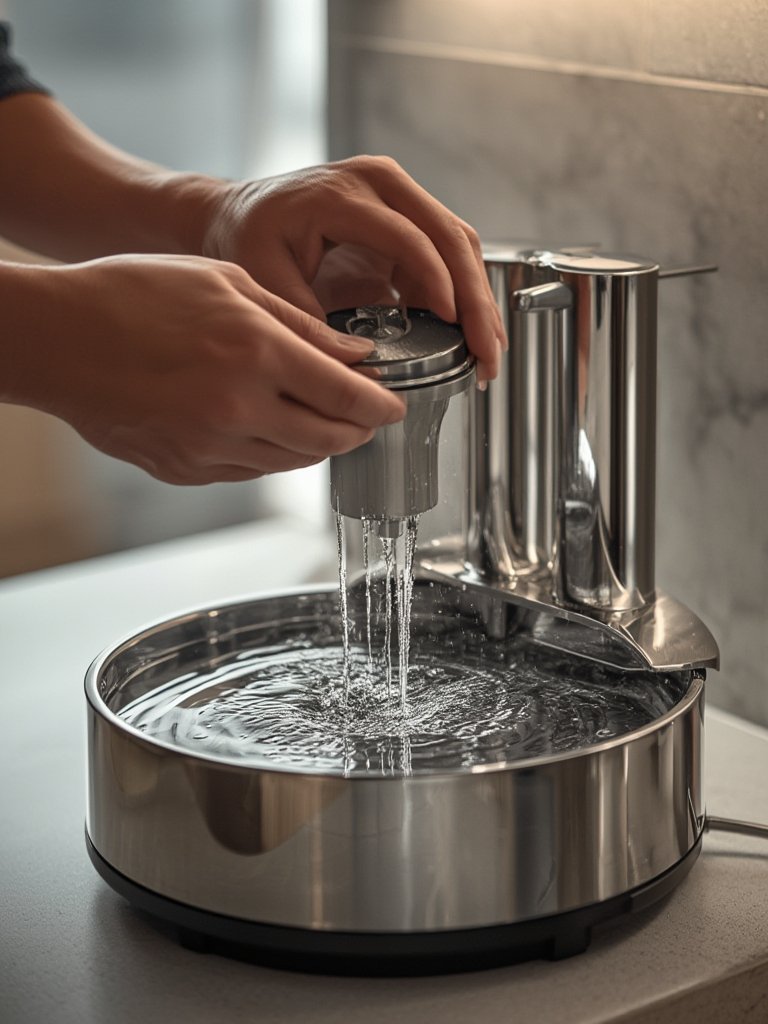
Keep extra filters and a small sponge brush handy for cleaning hard-to-reach spots inside the pump. Some owners use a weekly calendar reminder to stay on top of both fountain and litter box routines.
If your cat shows little interest, try leaving the regular bowl next to the fountain for a week. Many eventually transition as the novelty fades and the preferred water source becomes clear.
Pairing proper hydration habits with nutritional options such as protein-rich wet cat food can make a visible difference in your pet’s health. Remember: Hydration and nutrition work best as a team.
Advanced Analysis & Common Pitfalls
Most cat owners notice a quick boost in water intake with a fountain—however, several downsides can catch you off guard. Here’s a realistic look at challenges and how to avoid them.
| Common Issue | Root Cause | Practical Solution |
|---|---|---|
| Unpleasant noise or vibration | Water level too low, pump assembly off-center, or model design flaw | Check water level daily, re-seat the pump, and test without filter for change in noise |
| Slime/algae buildup | Infrequent cleaning, standing water, or exposure to sunlight | Clean all parts weekly, don’t place fountain in sunny areas, consider antimicrobial bowls |
| Filter shortages/hard-to-find replacements | Obscure or discontinued models | Choose popular brands with reliable supplies, order replacement packs in advance |
| Reluctance to drink | Cats fearful of pump noise or unfamiliar movement | Use low-flow settings, introduce slowly, avoid models with exposed pumps |
| Odors over time | Dirty pump, infrequent filter changes, hard water | Disassemble for full clean weekly, use filtered water, change filters consistently |
In addition to hygiene concerns, power outages will disable all electric fountains, leaving your cat without water. Always leave a backup bowl available, especially during stormy seasons or vacation.
If your home already struggles with pet hair, consider using pet-specific tools for fur management such as a specialized carpet rake. Excess hair floating in water can quickly clog fountain pumps.
Tech-focused owners may want to check out other pet care automation options (like the latest automatic litter boxes) to build a fully modern cat care station. Still, it’s important to weigh recurring costs and effort versus the real benefits for your pet.
Conclusion
To sum up, a cat water fountain is a practical investment for most pet owners wanting to boost their cat’s water intake. Cleaning, filter changes, and noise are all manageable with a little planning. If your routine already includes healthy practices—like feeding quality wet cat food or using eco-friendly tofu cat litter—adding a fountain can make it even easier to support your cat’s well-being.
Ready to see the difference a cat water fountain can make? Choose a reliable model, set up with care, and keep your cat hydrated for better lifelong health.
FAQ
Do cats really need a water fountain or will a regular bowl work?
Cats can drink from regular bowls, but many prefer moving water. A water fountain can encourage more drinking, especially for cats prone to dehydration or urinary issues.
How often should I clean my cat water fountain?
Most manufacturers recommend a full clean and filter change every 3 to 7 days, depending on water quality and number of pets.
Is filtered or tap water better for my cat fountain?
Filtered water is often preferred, as it reduces mineral deposits and reduces odors that could deter your cat from drinking.
Will a fountain make a mess or leak?
Well-designed models rarely leak, but playful cats may splash. Place a mat underneath and keep the fountain on a flat, stable surface for best results.
Where is the best place to position a cat water fountain?
Set up the fountain away from food and litter boxes, in a quiet spot that is easy for your cat to access but free from heavy foot traffic or direct sunlight.