


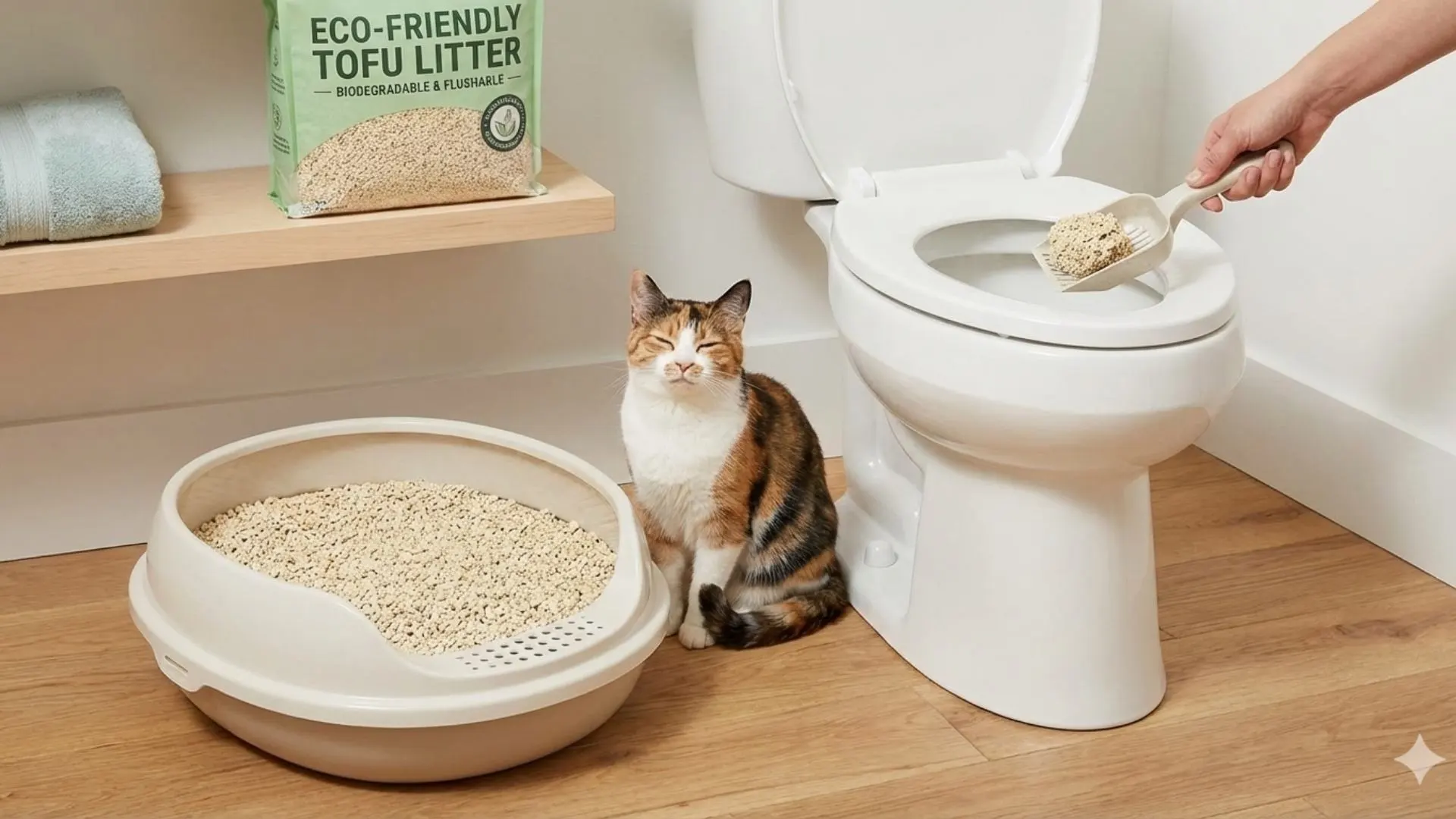
Tofu cat litter has quickly emerged as a top choice for cat owners looking for an eco-friendly litter alternative in today’s market. But is it hype, or does it really compete with traditional litters for odor control, usability, cost, and sustainability? Here’s what you must know before you switch – with hidden downsides most blogs miss.
Key Takeaways
- Tofu cat litter now accounts for about 4-7% of the global cat litter market, led by North America, Europe, and East Asia, and is growing much faster than traditional clay.
- Common complaints are higher cost, possible odor issues if not scooped daily, and fit issues with some automatic litter boxes.
- Despite “flushable” claims, many municipalities advise against flushing due to toxoplasma concerns and plumbing risks.
- What Is tofu cat litter and why consider It?
- How to use tofu Cat litter: step-by-step
- Advanced analysis & common pitfalls
- Conclusion
- FAQ
What Is tofu cat litter and why consider It ?
Tofu cat litter is a plant-based, biodegradable alternative made from soy pulp (okara), a by-product of tofu or soy milk manufacturing. Unlike conventional clay litter (based on mined bentonite), tofu litter is lightweight, clumpable, marketed as low dust, and can be composted or, according to some labels, flushed. Its main appeal is its environmental profile. The market for tofu cat litter has exploded, reaching $540–634 million worldwide in 2024 out of an overall $8–15 billion cat litter market, with growth up to 12% annually in leading regions like North America and Asia.
[1],
[2]
Adopting tofu litter offers a real shot at reducing landfill waste and chemical dust, but it comes with real-world trade-offs in cost, fit, and maintenance.
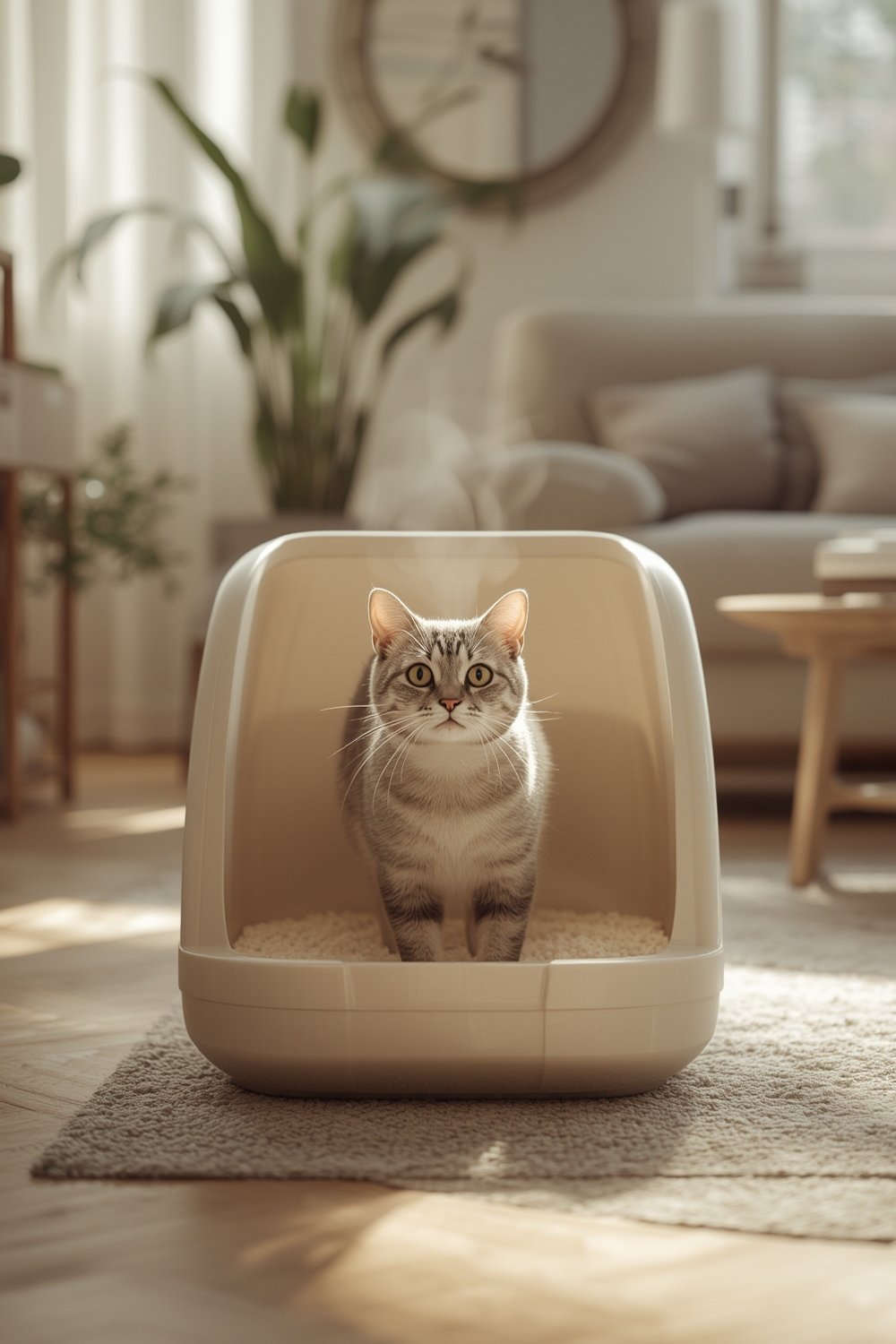
How to use tofu cat litter: step-by-step
- Gradual transition is key. Mix your old litter with tofu litter, increasing the tofu portion over 5-7 days. Some cats dislike sudden texture or scent changes, especially pellet styles.
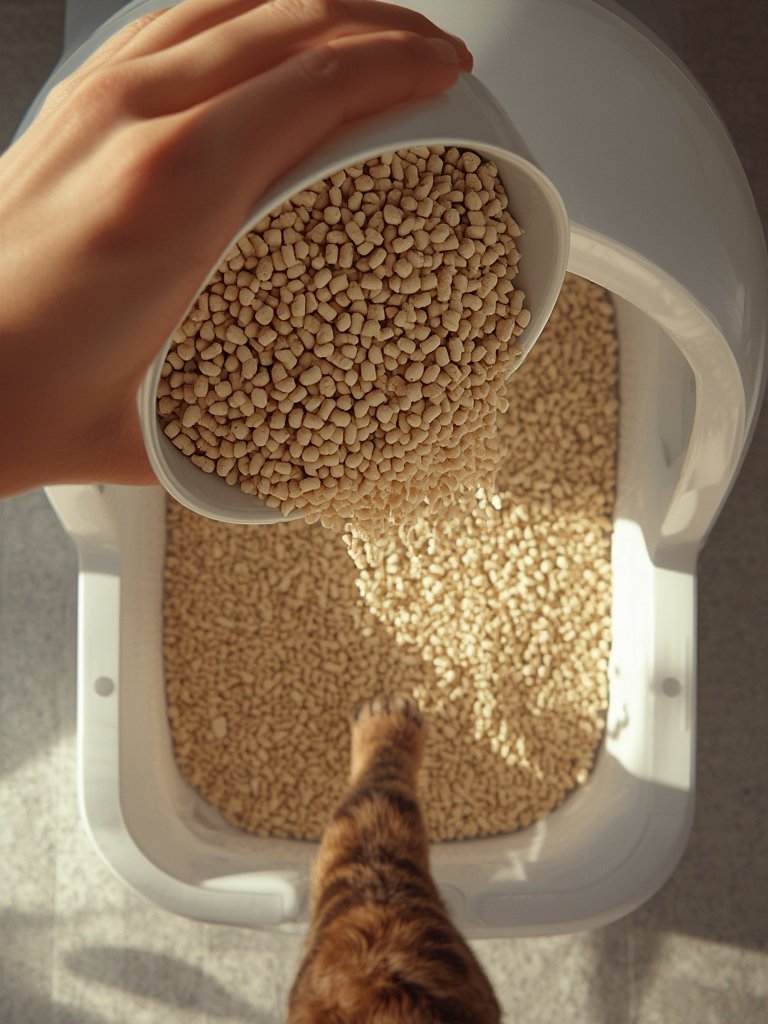
- Fill to 2–3 inches depth. A consistent layer helps with clumping and minimizes sticking to the box floor.
- Scoop clumps daily. Odor control drops fast if clumps are left in the box – even premium brands perform best with daily scooping.
- Top up as needed. Tofu pellets can break down over time. Add fresh litter to maintain depth, especially in multi-cat homes.
- Box cleaning. Every 3– 4 weeks (single cat), dump all litter and rinse the box. Tofu litter’s low density makes this less of a workout than with heavy clay.
- Disposal: Know your city’s rules. Compost only urine-soiled tofu litter if your municipality allows, and never compost cat feces for edible gardens due to toxoplasma risk. Most regions advise against flushing, regardless of “flushable” claims.
- Storage matters. Keep bags sealed in dry areas to prevent mold or infestation – tofu litter absorbs moisture from the air.
For more tips on reducing tracked litter around the home, check out our deep-dive on the carpet rake for pet hair removal.
Advanced analysis & common pitfalls
Switching to tofu cat litter is tempting, but it’s far from a “set and forget” solution. Here are the most common user-reported issues and a side-by-side comparison to help you decide:
| Litter Type | Typical Price (USD/lb) | Odor Control | Clumping | Dust | Tracking | Automatic Box Compatible? |
|---|---|---|---|---|---|---|
| Tofu (clumping) | $1.20–$2.50 | Good (if scooped daily) | Fair–Excellent (brand dependent) | Low | Moderate (less than clay, but varies) | Rarely (except fine-grain) |
| Premium clay | $0.80–$1.80 | Very Good–Excellent | Excellent | Medium–Low (best brands) | Low | Yes |
| Corn/Wheat (clumping) | $0.80–$2.00 | Fair–Good | Fair–Good | Low–Medium | Moderate–High | Some |
| Wood/Pine (pellets) | $0.40–$1.20 | Fair (initially) | Poor (non-clumping); Good (clumping wood) | Low–Medium | High | No |
| Paper/recycled (non-clumping) | $0.60–$1.50 | Poor | Poor | Low | High | No |
- Odor declines quickly unless you scoop daily. In humid climates, even top-tier tofu litters can struggle compared to premium clay.
- Soft clumping is common. Some brands form mushy clumps that break apart during scooping, especially with heavy urination.
- Tracking is mixed. Pellets tend to track less than fine corn or paper, but much more than heavy clay. Frequent sweeping or a mat is a must.
- Not always automatic box ready. Large pellets can jam moving parts or fail to trigger sensors. If you want easy maintenance, look for compatible units, like the automatic litter boxes, or stick with fine clay.
- Storage can be problematic. Tofu absorbs humidity – in warm regions, unsealed bags may develop clumps, mold, or attract pests. Use airtight storage.
- Flushability is oversold. Municipalities in the US, Europe, and Asia mostly advise against flushing cat litter due to toxoplasma risks – regardless of “flushable” claims.
[3] - Higher upfront costs. Tofu litter is still 2-4 times the price per pound compared to value clay (and sometimes to bulk wood pellets), though more efficient clumping may offset this slightly for some users.
- Safe, but not foolproof. While labeled “non-toxic,” safety data is mostly based on absence of chemicals rather than formal medical testing. If you or your cat has a soy allergy, consult your vet before switching. Kittens may try to eat pellets, so monitor initial use.
For multi-cat homes frustrated by odor, proper nutrition and fastidious scooping remain essential – no litter can fully mask neglect.
On the sustainability side, most tofu litter brands tout their eco profile, but very few publish real life-cycle impact data. Want to dig deeper into high-standard manufacturing? Look for ISO 9001/14001 or independent compostability certifications when possible, but expect most eco-claims to rely on generic “biodegradable” language.
If you care about dental or respiratory health, tofu’s low-dust design is a plus for sensitive cats (and humans). Pets with special oral or digestive needs may also benefit from clean surroundings – see our gut and dental health review for indoor pets.
For homes that struggle with persistent mess, supplementing with tools like a pet hair vacuum can make overall cleaning easier.
Conclusion
Tofu cat litter is a rapidly growing, eco-friendly alternative with clear benefits – less dust, easier handling, and better composting potential than most conventional litter. However, it comes with higher costs, sometimes mixed clumping and odor control performance, and a learning curve with disposal and storage. As of 2024, it holds just 4-7% of the total market but will likely keep growing. If you want a sustainable litter that’s good for your cat and the planet, test a small bag first, and follow best practices. Ready to try tofu cat litter? Compare, transition gradually, and clean consistently for the best results.
For more modern litter and pet care solutions, browse our reviews of automatic self-cleaning litter boxes, or upgrade your space with a cat-safe indoor pet gate.
FAQ
How long does tofu cat litter last per cat?
Typically, a 6 lb (2.7 kg) bag lasts 3– 4 weeks for one adult indoor cat, with daily scooping and 2–3 inch fill depth. Large bags (13–20 lb) may last 6–8 weeks. Actual use varies with cat size and box habits.
Is tofu cat litter really flushable?
While many brands claim flushability, most municipalities advise against flushing any cat litter due to the risk of Toxoplasma gondii reaching water supplies and clogging pipes. Compost urine-only litter if allowed, and never flush feces or large amounts.
What’s the biggest downside compared to clay litter?
Price is a top concern – tofu litter is generally 2– 4 times more expensive than standard clay per lb. Odor control can also be weaker if you don’t scoop daily. Some cats may not take to the new texture.
Can tofu cat litter be used in automatic litter boxes?
Most pellet-style or large-granule tofu litter jams moving parts or isn’t detected by sensors in standard automatic boxes. Only fine-grain tofu types should be trialed, and performance may still lag behind clay.
Is tofu litter safe for cats and kittens?
Tofu litter is marketed as non-toxic and food-grade, but formal studies are rare. Avoid if your cat has a soy allergy. Supervise kittens initially to prevent them from eating pellets.