


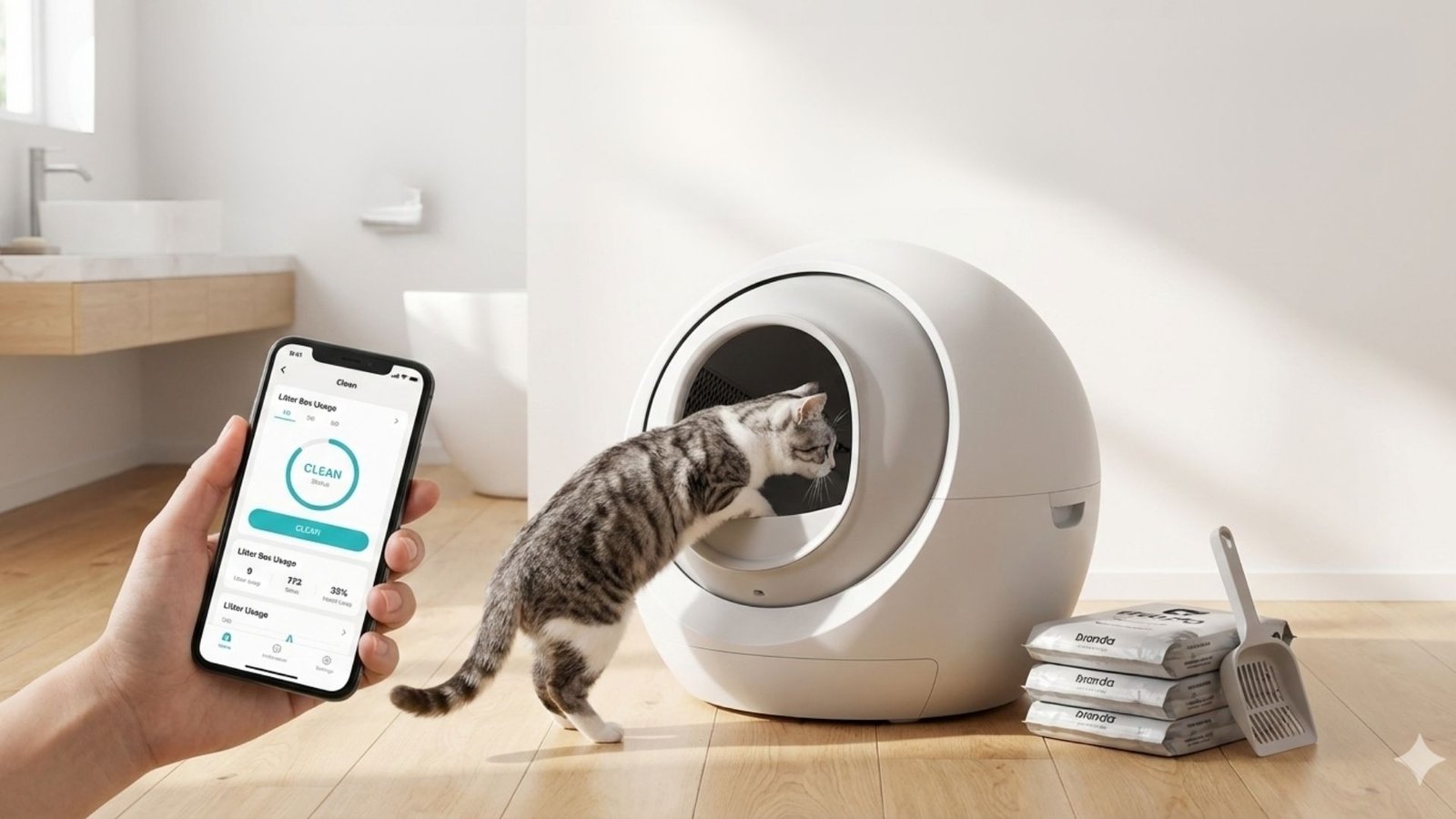
Automatic litter box technology is changing how cat owners manage litter chores, offering time savings but also introducing real hurdles you need to know about. If you want to stop daily scooping and upgrade your cat’s hygiene, here is your complete, realistic guide-based on 2024’s latest evidence and market data.
Key takeaways
- The automatic litter box market surpassed $550M in 2024 with 6–8% annual growth-driven by app-connected, premium models but costs and complexities remain significant restraints.
- Common user complaints include jams, sensor errors, cleaning, app bugs, and unexpected odors-most “self-cleaners” still require regular maintenance.
- To get results, research box size, automation method, litter compatibilities, and be ready for ongoing costs beyond just the initial price tag.
- 1. The Core Concept: What Is an Automatic Litter Box and Why Choose One?
- 2. Step-by-Step Guide: How to Choose and Succeed With an Automatic Litter Box
- 3. Advanced Analysis & Common Pitfalls
- 4. Conclusion
- 5. Frequently Asked Questions
1. The core concept: what is an automatic litter box and why choose one?
An automatic litter box is a self-cleaning waste solution for cats that uses mechanical or smart technology to separate and remove soiled litter, aiming to reduce human scooping. The promise is clear: less mess, less odor, more time saved, and potentially real health benefits via app-based monitoring.
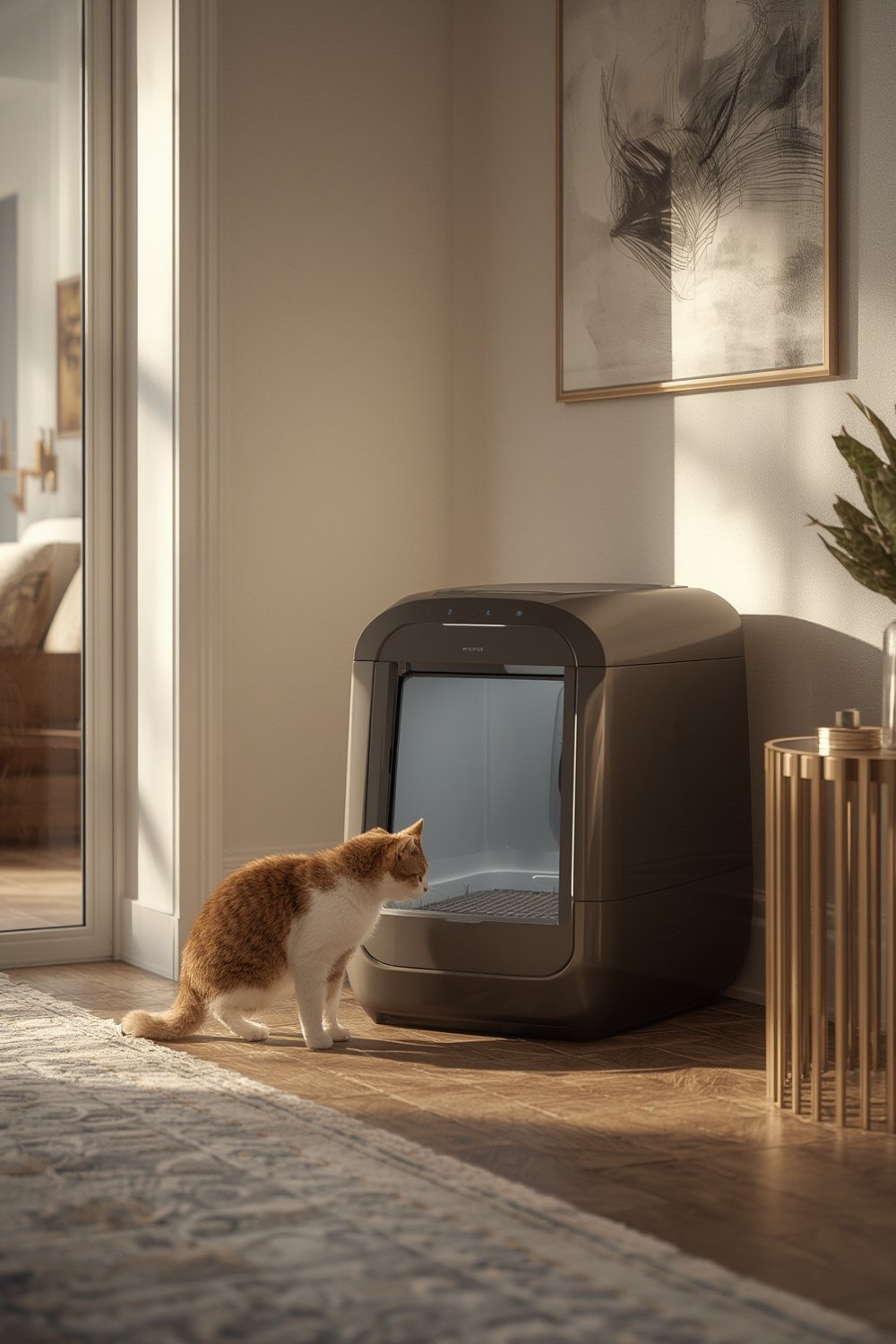
The global market for these devices has exploded, with sales topping $550M in 2024—mainly due to premium, Wi-Fi, and app-enabled models. North America leads adoption, holding over 36% of sales.
See Grand View Research and IMARC for full industry stats.
What continues to drive demand? Urban living, high pet ownership, convenience, and the quest for cleaner, odor-free homes. Leading brands tout health monitoring, app notifications, and true “hands-off” operation. However, the reality for most buyers is more nuanced.
2. Step-by-step guide: How to choose and succeed with an automatic litter box
- Set your budget and expectations. Entry-level smart litter boxes start near $250. Advanced rotating drum models or IoT units often cost $500–800-and can reach $100+/year in recurring consumables. Look beyond MSRP and estimate the total cost of ownership across three years.
- Size matters: measure your space and your cat. Many units are large, heavy, or too tight for bigger breeds. Your cat should have enough space to comfortably turn around-a box should ideally be 1.5 times your cat’s body length. For multi-cat homes, follow the vet-mandated “n+1” rule-have one more box than the number of cats, even if they’re automatic models.
- Pick the right automation technology. Rotating drum models (like Litter-Robot or Leo’s Loo) are favored for thorough self-cleaning. Rake-and-tray designs (ScoopFree, AutoEgg) work well with compatible tray/litters but often need more manual cleanup. Plumbing-connected “flushable” boxes (CatGenie) minimize odor, but require more setup and can be noisy.
- Check litter compatibility before buying. Some automatic litter boxes require specific brands (silica, low-dust clumping, proprietary granules) and can jam with off-label litters. Review brand guides and user forums before switching.
- Assess tech features vs your needs. Decide if Wi-Fi health logs, app cycle control, firmware updates, or cat ID features align with your household. Some app functions depend on the vendor’s cloud service; consider what will remain if the vendor shuts down servers.
- Plan for cleaning and maintenance. All robot litter boxes require periodic deep cleans-expect to disassemble, scrub drums, rakes, or sensors every 2–6 weeks (more with several cats). Read user reviews and manuals before buying, and factor in time required.
- Start slow: help your cat transition. Place the new unit beside your old box. Let both boxes get slightly dirty. Put a spoonful of used litter in the new machine to help acclimate. Gradually remove the old box only once your cat is reliably using the automatic one without stress.
- Monitor regularly-even if it’s “automated”. Owners should still check for error lights, stuck cycles, noise, and odors. Keep an eye on your cat’s waste for signs of health problems. Technology is a tool, not a replacement for attention.
- Save on consumables. Many models sell proprietary liners, filters, trays, or deodorizing pods at a premium. Standard tall kitchen trash bags and standard clumping litters often work just as well (but confirm compatibility).
- Understand the support and warranty coverage. Read up on the manufacturer’s policy for replacements and repairs-some units require costly out-of-warranty part swaps or support subscriptions after the first year.
- Pro Tip: Download and read the full user manual for any automatic litter box you’re considering before purchasing. Manuals detail tray cleaning, error codes, firmware updates, and maintenance intervals that aren’t in the marketing materials. This can help avoid surprises and set practical expectations from day one.
- Hacks & Tricks: If your smart box’s “proprietary” liner bags are expensive, try refitting standard tall kitchen trash bags (13-gallon) to the drawer-most users report this cost-saving swap works just as well and can cut monthly costs in half.
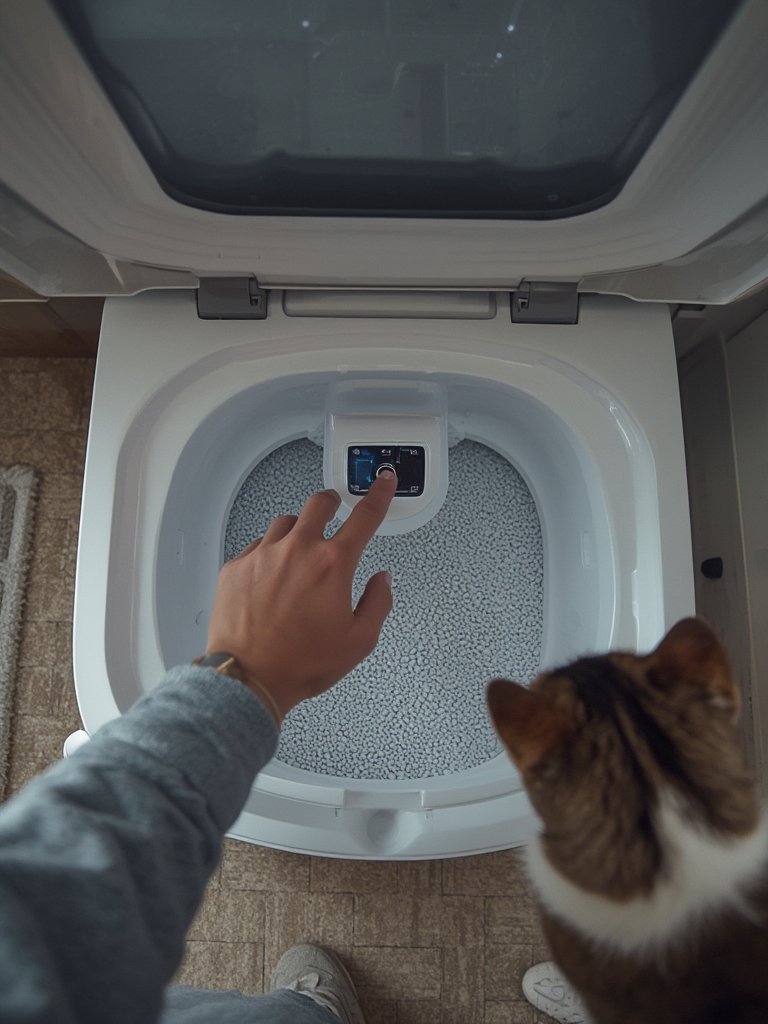
Looking for more ways to boost home cleanliness and odor control? Check out our pet hair remover reviews and see how a tofu cat litter can further reduce mess and dust, especially alongside a robot box.
3. Advanced analysis & common pitfalls
No matter how advanced, automatic litter boxes have limitations. Here’s a direct comparison of top cleaning technologies—and the most common user pain points from 2023–2024:
| Aspect | Rotating Drum (Litter-Robot, Leo’s Loo) | Rake/Tray (ScoopFree, AutoEgg) | Flushable (CatGenie) | Smart Pan (PetKit, others) |
|---|---|---|---|---|
| Detection | Weight, IR/laser | Weight, IR, timer | Weight, optical | Weight, IR, sometimes cat ID |
| Cleaning | Rotates to sift, bagged waste | Rake pushes into tray | Wash & flush | Agitates/sifts, some hand-scooping |
| Waste Disposal | Sealed drawer, filter | Tray (disposable/reusable) | Direct drain/sewer | Removable tray/bag |
| App Features | Visit logs, weight trends, cycles, alerts | Basic usage tracking | Status, alerts, usage | Health logs, alerts, updates |
| Odor Control | Filter, sealed, some pods/fans | Crystal litter, sealed tray | Waste quickly removed | Filter, sometimes ionizer/UV |
Common pitfalls & real-world issues:
- Jams with sticky clumps or diarrhea. Most sensors can’t detect soft/flattened waste stuck inside—which causes cycle errors, foul odors, or manual scraping duties.
- Sensor misreads. Cats under 5 lbs (kittens or small breeds) may not trigger cycles reliably, while heavy litter mats or objects can accidentally trigger or block cleaning.
- Error loops and unreliability. “Bonnet open”, “overfill”, or “rotation jam” errors happen, especially in dusty or high-humidity environments. Some units need a reset or even full disassembly.
- Noise complaints. Despite marketing, many robots are noticeably loud-cycles at night can disturb sleep in smaller homes.
- Litter tracking and dust. Open/large domes can spray litter far from the entrance. Special mats (or investing in pet hair removers) help but no solution is totally “mess-free”.
- Odor breakthrough when bins fill early. For multiple cats, bins may fill and stink days before scheduled changes-much sooner than expected from the marketing copy.
- Connectivity and app frustrations. Many users report spotty Wi-Fi, excessive notifications, or service outages-sometimes causing features to disappear if the cloud backend is down.
- Ongoing consumables costs. Branded filters, trays, and pods are a real budget item-review litter compatibility, liner swaps, and generic options to cut costs.
- Missed health clues. Over-reliance on automation means subtle changes in poop or pee (blood, mucus, signs of illness) may be missed if you aren’t visually checking.
- Veterinarian advice on n+1 box rule. You must still maintain adequate box numbers even with robots; otherwise, cats may avoid the box or fight for access.
- Lack of security transparency. Most Wi-Fi boxes claim encryption but provide little detail about actual privacy protection. Know what data is sent and stored-see external documentation and privacy policies for your chosen model.
Want a robot litter box that’s truly “ultra quiet” and tracks your cat’s weight? See our full review of a new smart model here. If you’re battling chronic odors or dust, you may also benefit from eco-friendly tofu cat litter or even a wet cat food diet change (improving stool consistency can reduce jams).
4. Conclusion
Automatic litter box systems in 2024 offer genuine convenience and improved hygiene for many cat owners, but come with ongoing costs, quirks, and learning curves that brands often gloss over. If you expect “hands-off” perfection, results may disappoint. For best success, stay vigilant-monitor your cat’s health, maintain box numbers (n+1), and choose the right design and maintenance schedule for your household. Ready to tackle litter scooping with smart tech? Weigh the pros and cons and make sure any automatic litter box fits both your home and your cat-not just your wishlist.
Take action: Compare models carefully, budget for long-term costs, and prepare for some hands-on time even with the most advanced devices.
5. Frequently asked questions
How often do I need to empty the waste drawer?
For one cat, most waste drawers last 5–10 days. With two or more cats, expect to empty every 2–4 days. Full bins or poor maintenance lead to odor-even in premium models.
Are automatic litter boxes safe for kittens or small cats?
Kittens under five pounds or very petite cats may not reliably trigger cleaning sensors. Most brands advise waiting until your cat is at least six months old. Some advanced boxes have multi-sensor detection or RFID tags for better safety.
Will my cat accept the new box, or could it cause litter box avoidance?
Many cats switch easily, especially if you use their current litter in the new box and transition gradually. However, loud noises, box size, and “scary” motion can deter some cats. Always keep the old box available for a week or two during the change.
Is a self-cleaning box enough for multi-cat homes?
No. Experts (and most manufacturers) still recommend following the “n+1” rule: one litter box per cat, plus one extra. Even with automation, too few boxes increase stress and risk of inappropriate elimination.
How private and secure are smart litter boxes with Wi-Fi?
Most use encrypted app connections and password-protected accounts, but details about data storage or privacy are limited. Use strong, unique passwords, update firmware, and avoid reusing credentials from other sites. If security is a priority, check your preferred model’s privacy policy before buying.