

Zero turn mower residential models have transformed lawn care for homeowners with large yards, delivering commercial-grade maneuverability in a user-friendly format. If you want to cut mowing time, achieve a professional finish, and finally get ahead of unruly grass, zero turn mowers are the essential upgrade worth considering.
Key Takeaways
- Residential zero turn mower adoption is surging in North America due to increased demand from large-yard homeowners seeking speed and efficiency.
- Common pitfalls include high maintenance costs, limited access to skilled technicians, and unclear differences between residential and commercial models.
- Innovative features like battery-powered zero turn mowers and maneuverable, compact decks help set 2025 models apart but bring new considerations for durability and cost.
- What is a residential zero turn mower and why does it matter?
- How to choose and optimize a zero turn mower for your yard
- Common pitfalls and what top reviews miss
- Conclusion
- FAQ
What is a residential zero turn mower and why does it matter?
Residential zero turn mowers are riding lawn mowers designed with a unique steering system that enables them to turn on a dime—quite literally, with a zero-inch turning radius. Unlike traditional lawn tractors, zero turn mowers use dual-hydrostatic transmissions operated by lap bars or levers, offering precise control for navigating around trees, garden beds, and yard obstacles.
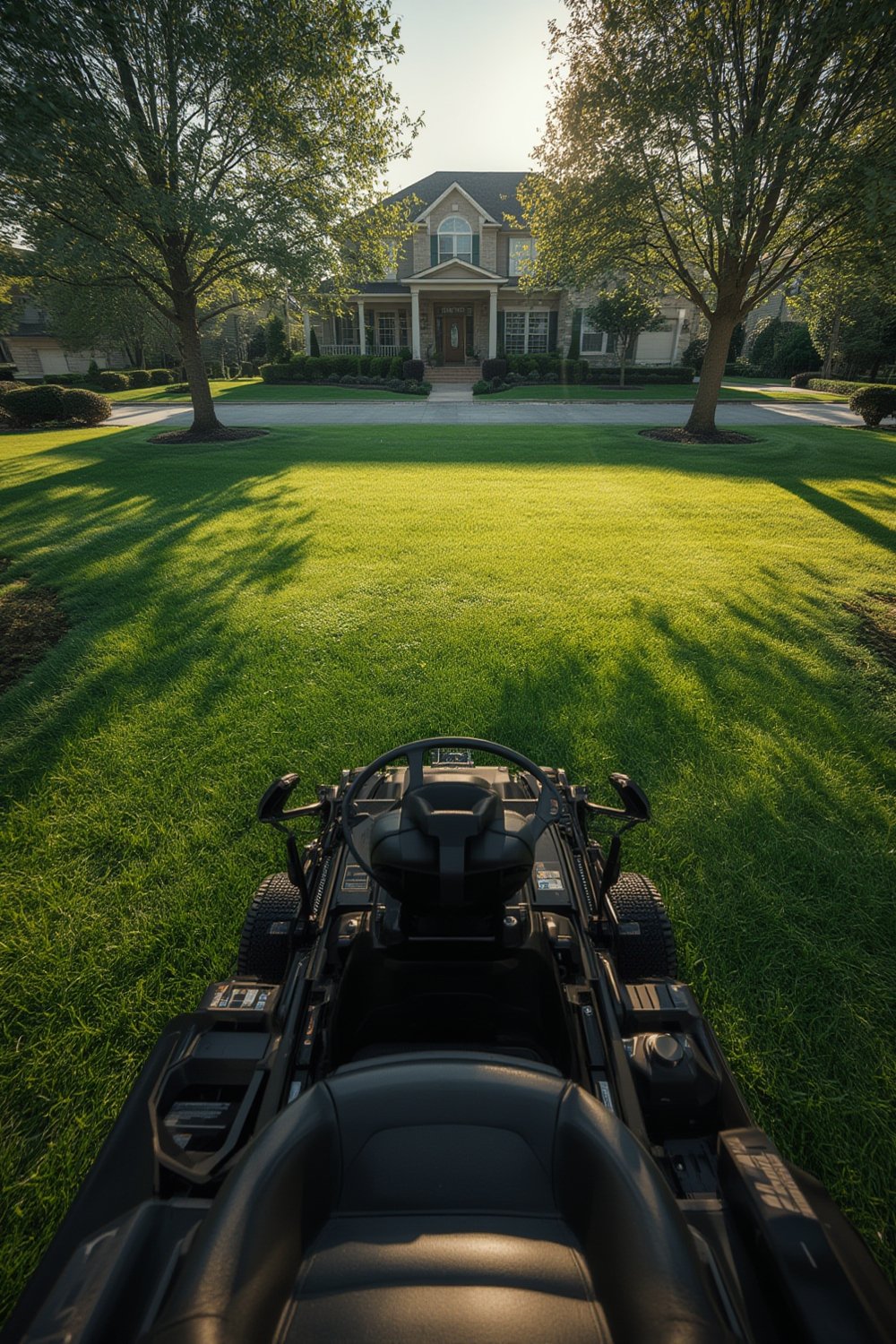
Over the past year, the zero turn mower market has reached over USD 3.6 billion globally, with the residential segment leading the way. Homeowners with mid to large-sized lawns now prefer these mowers for their time-saving speed, professional-grade cut, and ability to handle complex landscapes that would bog down a standard tractor or push mower.
According to Cognitive Market Research, demand is rising especially in North America, where expansive lawns are common and time spent mowing is often a point of household friction.
Zero turn technology is no longer reserved for professionals. With mower decks commonly ranging from 34 to 54 inches and engines in the 18-24 HP class, these machines strike a balance of power and agility ideal for demanding residential use.
How to choose and optimize a zero turn mower for your yard
Selecting the right zero turn mower residential model and maintaining it for peak efficiency requires careful planning. Here’s a step-by-step approach to ensure you invest wisely and get the best results from your mower:
-
Identify Your Yard’s True Demands.
Take stock of your yard’s size, slope, and density of obstacles. For lawns under 1 acre with tight landscaping, look for zero turn mowers in the sub-40 inch deck size. If your lawn is larger (1–3 acres), a 42–54 inch deck with 18–24 HP is an optimal blend of cut width and maneuverability. -
Compare Engine and Power Ratings.
Models in the less-than-25 HP range currently dominate the residential market, offering ample muscle for homeowner needs at manageable price points. Opt for brands known for reliability, such as Kawasaki or Kohler, but balance against cost and available service in your area (Arizton Report). -
Choose Deck Construction Wisely.
Heavier-duty (fabricated) decks withstand more abuse than lighter, stamped decks typically found on entry-level models. Investing in a fabricated deck can pay off, especially if your yard contains sticks, rocks, or uneven patches. -
Investigate New Tech Like Battery Powered Options.
In 2025, battery-powered zero turn mowers are gaining traction. The John Deere Z380R Electric can mow up to 3.5 acres per charge, producing less noise and requiring minimal maintenance, but comes with higher upfront cost and new questions about long-term battery durability. Learn more in our breakdown of battery powered lawn mowers. -
Evaluate Comfort and Ergonomics.
Test sit before buying–seek a high-back seat, adjustable arms, and smooth controls. Operator comfort makes a significant difference in mowing a three-acre lawn. Check reviews for vibration complaints and seat padding ratings. -
Get Real About Maintenance.
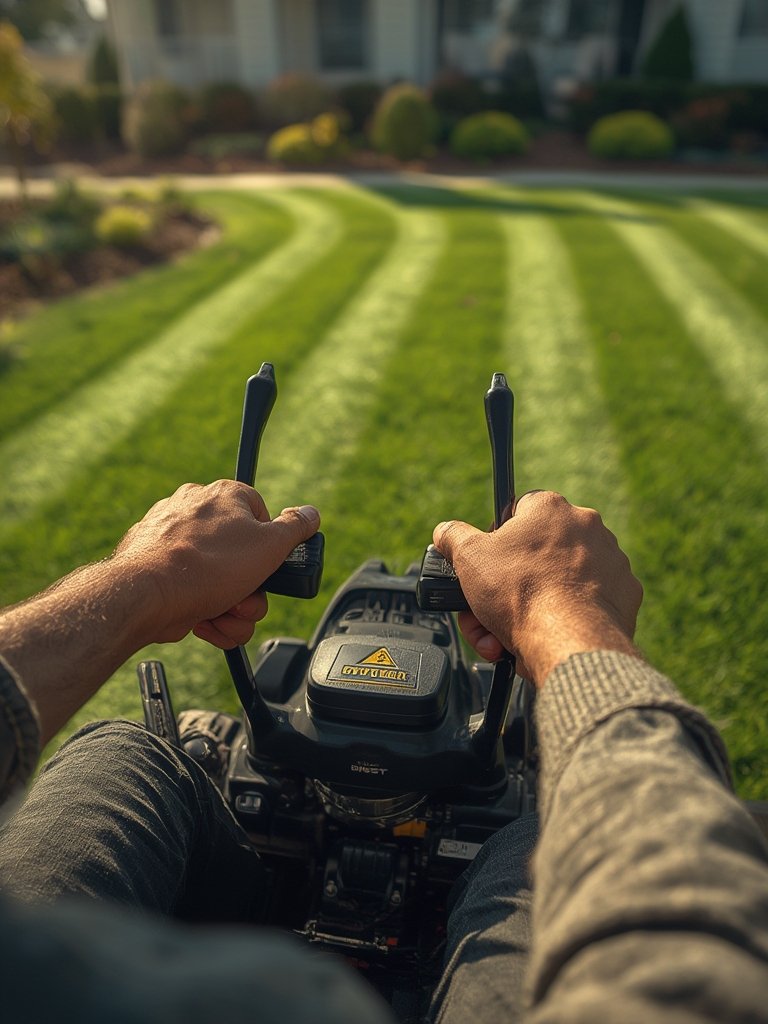
Plan for periodic oil changes, blade sharpening, and belt replacements. Find out if your local dealer services the brand you’re considering; some residential-focused brands have fewer authorized service centers.
-
Compare Financing and Warranty Terms.
While high-end residential zero turn mowers start around $3,000 and reach well above $6,000, many dealers now offer financing and extended warranties. Always clarify total cost of ownership—don’t forget to budget $200–$400 per year for professional servicing and parts. -
Optimize Cutting Patterns.
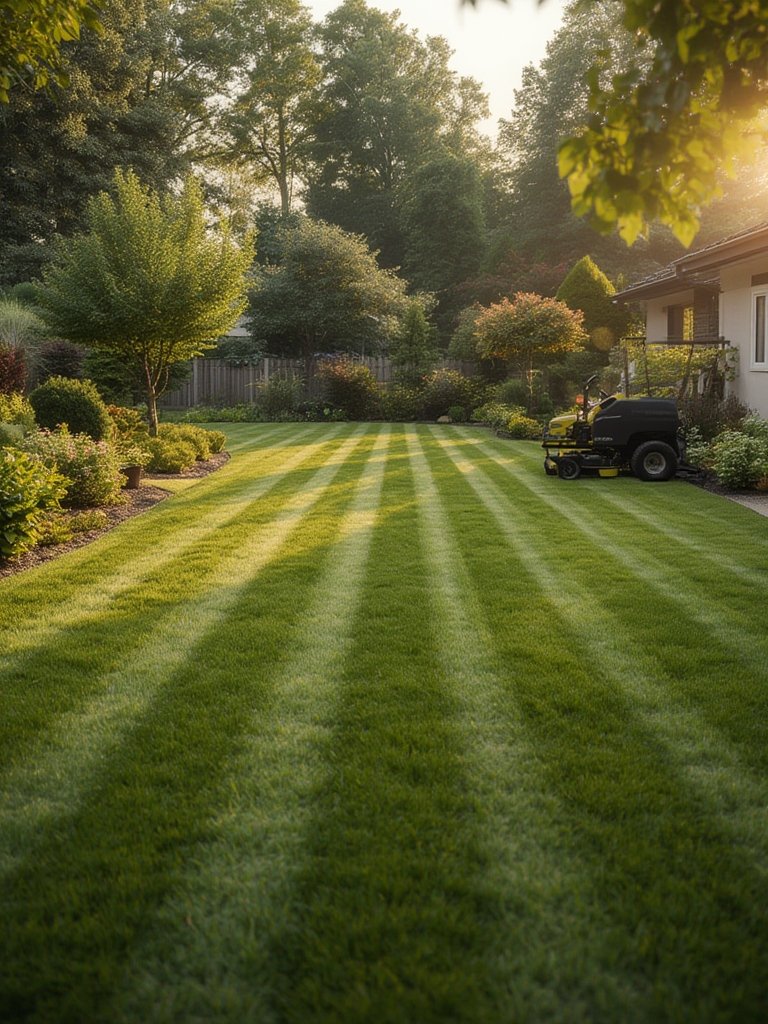
Establish straight, overlapping passes for large open areas, then use the zero turn capability for perimeter and obstacle work. If you’re tight for space or maneuvering in garden beds, review tools like the mini chainsaw for pruning overhanging limbs once per season to maximize mowing efficiency.
Explore additional lawn care essentials—like a retractable garden hose reel or the right bypass pruning shears—to support your overall lawn maintenance approach.
Common pitfalls and what top reviews miss
While zero turn mower residential models can be a gamechanger, buyers regularly cite frustrations in three core areas: cost of ownership, unclear technical differences between residential and commercial lines, and ongoing service headaches.
- Maintenance and Repair Costs: Engines, hydrostatic transmissions, and electronic controls can each cost $500 or more to repair outside of warranty. Many residential buyers underestimate these expenses. The shortage of local, brand-authorized technicians amplifies delays and total repair bills.
- Service Center Access: Top complaints in negative reviews relate to slow parts shipping and having to haul heavy equipment to distant dealers, especially if purchasing a lesser-known brand or an internet-only model.
- Unclear Feature Differences: Residential zero turn mowers often look similar to commercial models but differ in frame construction, warranty terms, and expected lifespan. Many review sites gloss over these distinctions. Without this clarity, homeowners may think they’re getting a bargain when opting for a commercial lookalike, only to face reliability issues sooner than expected.
- High Upfront Cost and Financing Surprises: While financing options do exist, unclear interest rates, mandatory insurance coverage, and varying warranty inclusion terms can inflate the real price. Always read the fine print (Grand View Research).
- Battery Power Limitations: The latest electric models reduce maintenance but introduce upfront cost and battery lifespan concerns. Homeowners with dense, thick grass or hilly properties may find runtime limiting or replacement batteries expensive as technology matures.
| Feature | Residential Zero Turn | Commercial Zero Turn |
|---|---|---|
| Engine Power (HP) | 18–24 HP typical | 25–35+ HP |
| Deck Construction | Stamped or light fabricated | Heavy-duty fabricated |
| Price Range | $3,000–$6,000 | $7,000–$15,000+ |
| Warranty | 2–4 years residential | 3–5 years commercial; more restrictions |
| Intended Usage | Up to 3 acres, weekly/biweekly | Multiple properties, daily use |
| Maintenance Needs | Seasonal basic service; dealer dependent | Frequent, on-site or dealer service |
Owners should set realistic expectations about both the convenience and commitments attached to these machines. For those seeking an even lower-maintenance experience, robotic mowers may be worth consideration; see our robotic lawn mower guide for a radically different approach.
Conclusion
Residential zero turn mowers can turn a dreaded, all-day mowing chore into a manageable, even enjoyable task. But buyers must weigh deck size, engine power, service access, true costs, and comfort features to choose the right model. By asking the right questions up front and comparing real-world specs, large-yard homeowners can confidently select a zero turn mower residential model that truly fits their needs.
Ready to upgrade your mowing game? Review your property’s demands, compare current 2025 models, and don’t hesitate to pursue an in-person demo before deciding. Your perfect lawn—and extra free time—awaits.
FAQ
How do I know if a zero turn mower residential model is right for my yard?
If your property is at least half an acre with open areas and obstacles such as trees or flowerbeds, a zero turn mower offers speed and precise control. For steep hills or very narrow gates, consider limitations in maneuverability or overall width.
What is the average lifespan of a residential zero turn mower?
With regular maintenance and average residential use, expect 7–10 years of reliable service. Commercial use or neglect can shorten this dramatically.
Are battery-powered zero turn mowers worth it for large yards?
New battery-powered models cover up to 3.5 acres per charge and are ideal if noise and minimal maintenance are priorities. However, initial costs are higher and battery lifespan is still evolving. Double-check warranties and expected replacement costs before buying.
What maintenance does a zero turn mower require?
Regular oil changes, blade sharpening, belt inspection, air filter cleaning or replacement, and checking tire pressure. For electric models, battery health monitoring and software updates may be needed.
Can I use a residential zero turn mower for light commercial work?
Occasional commercial use is possible with higher-end residential models, but warranties may be voided by frequent or heavy-duty use. Always check manufacturer terms.