



Battery powered lawn mower technology is rapidly changing how homeowners care for their lawns. As gas prices rise and eco-regulations tighten, more people are switching to cordless electric mowers for their convenience, lower emissions, and quieter operation. But is a battery powered lawn mower really right for your yard-or are there still hidden downsides you should know?
Key Takeaways
- Battery powered lawn mowers now dominate electric mower sales, with adoption growing over 10% annually.
- Key advantages include zero emissions, quieter operation, and lower long-term maintenance—but higher upfront cost and run-time limitations persist.
- Compare battery, gas, and corded mowers carefully, as performance and total cost can vary by model and lawn size.
- What are battery powered lawn mowers and why choose one?
- How to select and use a battery powered lawn mower: Step-by-step
- Advanced analysis and common pitfalls
- Conclusion
- Frequently asked questions
What are battery powered lawn mowers and why choose one?
Battery powered lawn mowers-also called cordless electric mowers—run on rechargeable lithium-ion batteries. Unlike gas mowers, they don’t need gasoline, oil changes, or spark plugs. And unlike corded electric mowers, you’re not tethered to an outlet or limited by cord length. These mowers are designed for convenience, reduced noise, and a lower carbon footprint.
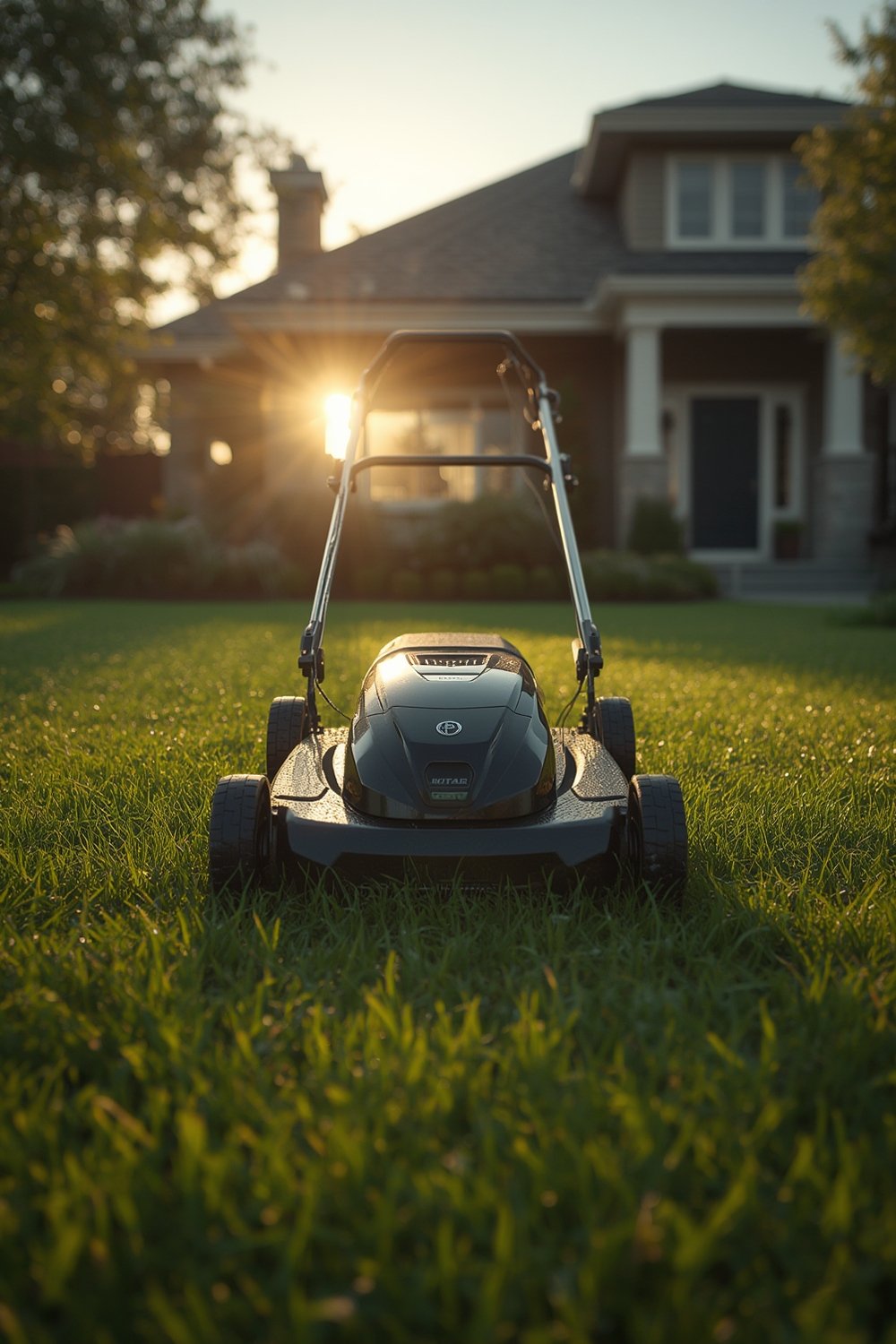
Market data shows battery powered models are now the fastest-growing mower segment. According to Straits Research, the global electric mower market reached $9.28 billion in 2024, with battery-powered mowers holding the largest share. As more homeowners look for quieter, cleaner mowing solutions, states like California are even incentivizing electric adoption and banning new gas mower sales.
But battery mowers still face skepticism. Many buyers worry about run-time, cutting power, battery longevity, and the higher upfront price. That’s why it’s crucial to understand the trade-offs before replacing a gas mower-especially if you have a larger or tougher yard.
For more on modern cordless tools, check our comprehensive review of portable electric mini chainsaws—another trending battery-powered solution for outdoor maintenance.
How to select and use a battery powered lawn mower: Step-by-step
- Evaluate your lawn size and terrain. Battery mowers are ideal for small to medium lawns (under 1/3 acre). For steeper grades or frequent thick grass, higher-voltage (40V or 60V) models perform better.
- Check battery specs. Look for lithium-ion batteries (not outdated lead-acid), check the amp-hour (Ah) rating-a higher Ah typically means longer run-time (but heavier battery).
- Compare cutting width and deck options. Standard cordless mowers range from 14 to 22 inches wide. If you want to cut faster, choose a larger deck, but check that your battery can handle it.
- Balance up-front cost with long term value. Expect to pay from $250 to $700+ for a reputable cordless push mower. Consider the cost of blade replacements and spare batteries. While gas mowers may be cheaper initially, battery savings can add up over time from zero fuel and reduced maintenance.
- Understand charging time and runtime. Most modern lithium batteries recharge in 60 to 120 minutes and power the mower for 30-60 minutes, covering about 1/4 to 1/2 acre per charge depending on conditions. For larger lawns, consider a model with dual batteries or buy a second pack.
- Test ergonomic features. Look for easy height adjustment, comfortable handles, and push-button starting.
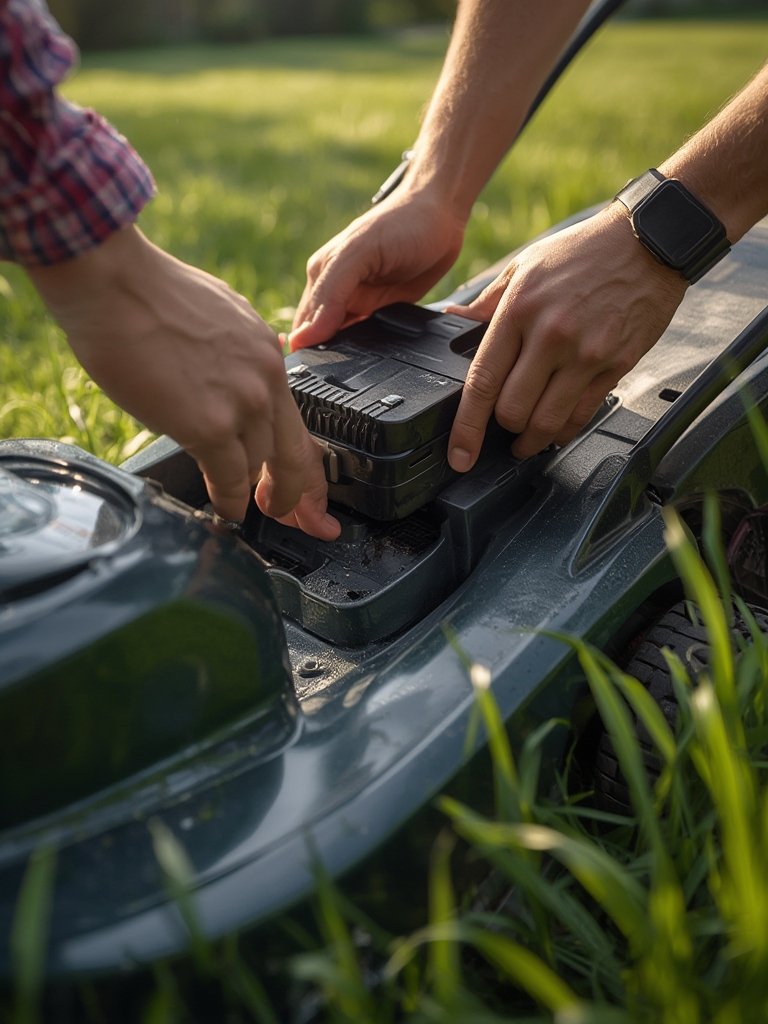
To prevent battery wear, avoid storing packs in high heat or fully depleted. Store with 40-60% charge if you won’t use them for more than a month.
Routine maintenance is simple: clear grass buildup after each use, check for blade sharpness, and keep the battery’s charging contacts clean. Unlike gas mowers, there’s no oil to change or carburetors to worry about.
If you love organized storage, see our outdoor storage box recommendations
Advanced analysis and common pitfalls
Despite impressive growth, battery powered lawn mowers aren’t a perfect fit for everyone. Here’s what you need to know about real-world obstacles and user-reported problems:
- Higher upfront cost: Battery mowers cost 20-50% more than entry gas models. Most savings are realized in fuel and service over several years, not up front.
- Runtime limitations: Most mowers cover up to 1/2 acre per charge. If you have a large yard, factor in time for charging or invest in backup batteries.
- Battery degradation: Lithium-ion cells lose capacity after hundreds of cycles. Expect to replace a battery every 3-5 years, with replacement costs anywhere from $80 to $200 depending on brand and capacity. Unfortunately, leading mower brands seldom publish detailed battery pricing or warranty terms up front.
- Less cutting power for dense/thick grass: Even top battery mowers may struggle in wet, tall, or extremely thick lawns compared to premium gas units. Some users report multiple passes are needed when tackling spring growth.
- Support and repairs: Battery mowers have fewer moving parts, but if a controller or battery fails, parts may not be serviceable by local mechanics the same way as gas mowers.
- Second battery needs: For properties over 1/3 acre, the cost of an additional battery can make total ownership higher than initial estimates.
Let’s compare the options side-by-side:
| Feature | Battery Powered | Gas Mower | Corded Electric |
|---|---|---|---|
| Emissions | Zero | High | Zero |
| Noise (dB) | 60-75* | 85-95* | 60-75* |
| Runtime Per Use | 30–60 min (1/4–1/2 acre) | Uninterrupted (just refill) | Unlimited (mains power) |
| Power Output | Good for most grass; some struggle in thick/wet | Excellent, handles tough/huge lawns | Limited by cord, less power for tall grass |
| Total Cost Ownership (5 yrs) | Mid to High (battery replacement $100-200) | Lower upfront, higher maintenance/fuel | Lowest, but limited range |
| Maintenance | Minimal (no spark plug, oil, or carburetor) | Regular (oil, spark plug, air filter, fuel) | Minimal |
| Warranty / Support* | Typically 2-5 years (battery often less) | Varies widely | 2-3 years typical |
*Noise levels and warranty policies can vary by brand/model and are often not published clearly.
Battery mowers also win significant eco-points: according to Transparency Market Research, they offer zero emissions and lower noise, a major reason why states are promoting their adoption. For energy-conscious gardeners, battery tools complement water-saving landscaping like drought-tolerant landscapes and smart irrigation systems for minimizing overall resource use.

Conclusion
If you need to reduce noise, emissions, and maintenance at home, a battery powered lawn mower will serve you well, especially on properties up to a half acre. Compare the run-time and battery costs before choosing, and factor in your lawn’s actual needs. As technology improves, these mowers are only getting more practical-but it pays to do your research.
Ready for a cleaner way to mow? Start comparing top battery powered lawn mowers in your area today-your ears, neighbors, and environment will thank you.
Frequently asked questions
How long does a battery powered lawn mower battery last?
Most lithium-ion batteries last 30 to 60 minutes per charge, depending on mower power and grass conditions. With proper care, batteries should provide 3 to 5 years of service before significant capacity decline.
Can a battery powered lawn mower handle thick or tall grass?
Some higher voltage models (40V, 60V, or higher) do well with demanding conditions, but thick, wet, or very tall grass may require multiple passes or shorter mowing sessions. Gas mowers still have the edge for extreme scenarios.
What maintenance does a battery powered lawn mower require?
Basic steps include clearing grass buildup, sharpening or replacing the blade as needed, and keeping batteries charged using the charger. There’s no oil, spark plug, or fuel system maintenance needed.
What is the typical warranty on battery powered lawn mowers?
Most leading brands offer 2 to 5 year warranties on the mower, while the batteries are usually covered for 1 to 3 years. Be sure to check specific brand policies, as battery coverage is often shorter than mower coverage.
Are replacement batteries expensive?
Replacement costs range from $80 to $200 depending on brand, model, and battery capacity. Check battery availability and pricing before you buy the mower to avoid surprises.