



Orthopedic dog bed solutions have become essential for owners seeking real results for aging, arthritic dogs struggling with comfort, pain, and mobility. Recent clinical findings prove that not all dog beds are equal when it comes to protecting joints and offering genuine relief, especially for large and senior dogs.
Key Takeaways
- Clinical evidence shows orthopedic dog beds significantly reduce joint pain and improve mobility for arthritic dogs.
- The right materials and mattress thickness are critical—thick, quality memory foam beats budget or thin padding every time.
- Proper size selection and ongoing maintenance are just as important as foam quality for effectiveness and longevity.
- What is an Orthopedic Dog Bed—and Why it Matters
- How to Choose the Right Orthopedic Dog Bed: A Step-by-Step Guide
- Advanced Analysis & Common Pitfalls: Owner Mistakes, Foam Myths, and Real-World Issues
- Conclusion: Does Your Dog Need an Orthopedic Bed?
- Frequently Asked Questions
What is an Orthopedic Dog Bed—and Why it Matters
An orthopedic dog bed is engineered to provide targeted joint and spine support, using materials like high-density memory foam or orthopedic foam that conform to your dog’s body, especially hips, elbows, and shoulders. Unlike regular pillow beds or cheap foam, orthopedic beds distribute pressure evenly, reducing pain and stiffness for dogs with arthritis or mobility issues.
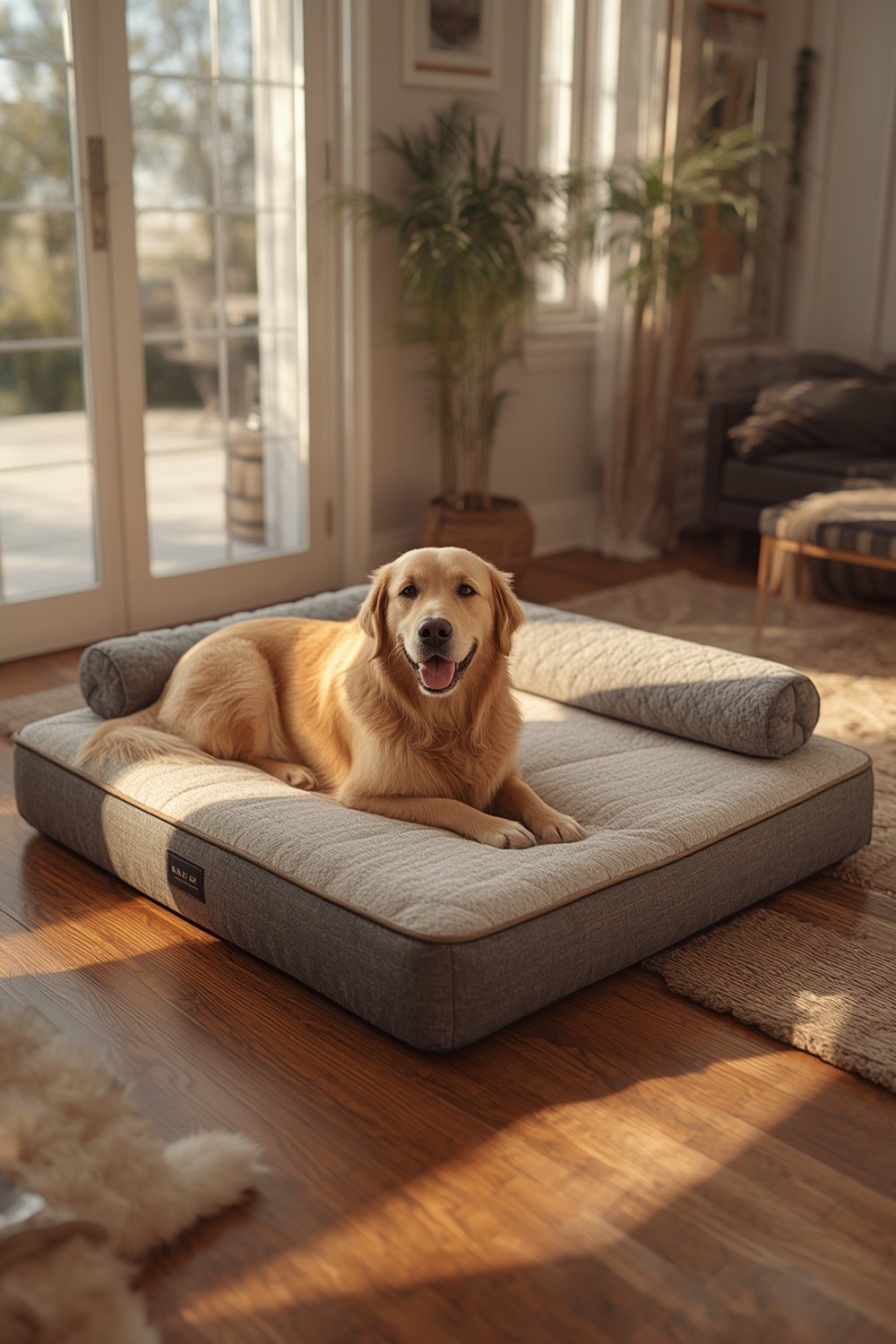
Clinical research from the University of Pennsylvania confirms orthopedic beds can reduce joint pain, improve joint function, and aid restful sleep in large dogs with arthritis. Dogs showed less limping and more confident movement. Some premium beds—like those from Big Barker—are clinically tested and recommended by veterinarians. Even among highly-rated options, those with thicker foam mattresses consistently outperform thin or flat beds for both pain relief and durability.
For senior, arthritic, or large-breed dogs, the difference between an orthopedic dog bed and a standard dog bed can mean deeper sleep, less morning stiffness, and an improved quality of life.
How to Choose the Right Orthopedic Dog Bed: A Step-by-Step Guide
Not all beds advertised as “orthopedic” are genuinely beneficial. Here’s how to make a realistic, science-backed choice.
-
Measure Your Dog for the Right Fit
Lay your dog down in their typical sleeping position and measure from nose to tail base. Add at least 6 inches to length and width. Beds that are too small force dogs to curl uncomfortably, creating pressure points. Consider beds with bolsters for head and neck support. -
Select True Orthopedic Foam
Look for beds made with high-density memory foam (polyurethane or orthopedic), at least medium firmness. Avoid convoluted (egg crate) foam for seniors or heavy dogs—it compresses fast and often traps heat. -
Check Mattress Thickness
Clinical tests show 2 inches is a minimum for real orthopedic value. For large or giant breeds, 4-7 inches delivers much better support and lifespan. Thicker foam prevents sagging and joint bottoming-out—key for heavy seniors. -
Choose Breathable Materials
Beds with open-cell foam and removable covers (like the Petfusion Ultimate Dog Lounge) help prevent overheating. Memory foam can trap warmth, which is soothing for some arthritic dogs but uncomfortable for heat-sensitive breeds. -
Balance Price with Durability
Premium beds (e.g., Big Barker at $250+) use higher-grade American-made foam and strict quality controls, often backed by clinical studies. Budget beds may use imported foams that break down in 12-24 months. If you need machine washability, look for reinforced or waterproof covers. -
Maintain Proper Hygiene
A removable, washable cover is essential. Beds without this feature become breeding grounds for odors and bacteria. Wipe the foam core occasionally and make sure the bed dries completely to prevent mold or premature breakdown. -
Monitor Your Dog’s Mobility and Sleep
After upgrading, many dogs show improved ease of movement, less limping, and more restful sleep within weeks (source). If you don’t see improvements, double-check bed size or try a thicker model.
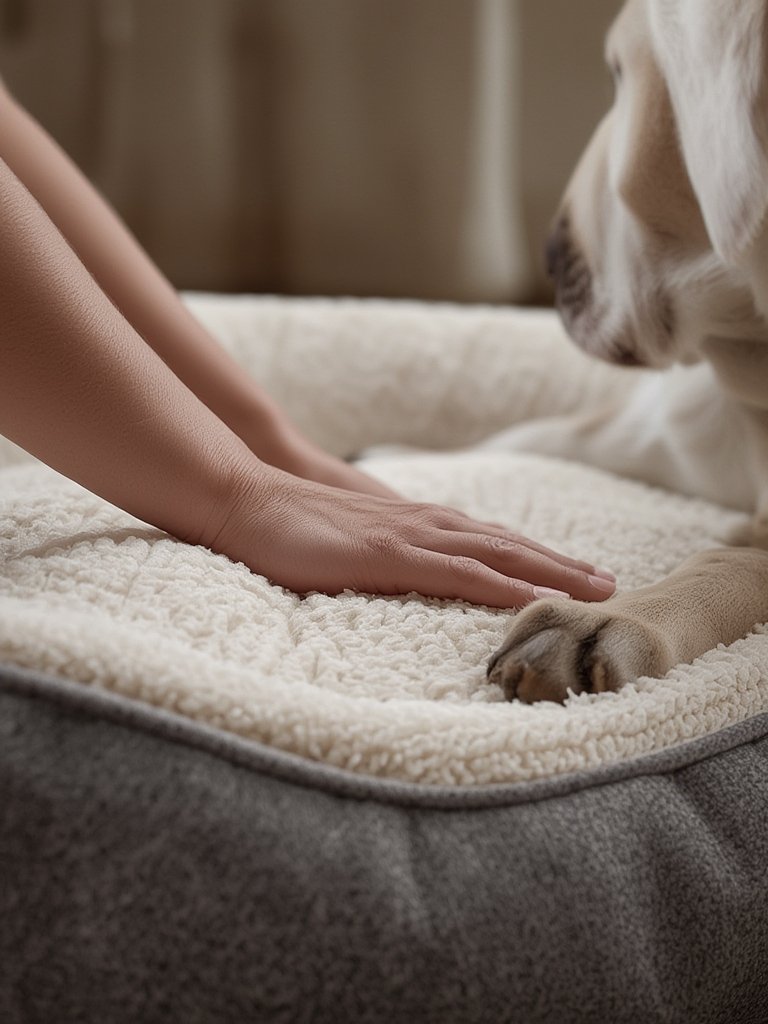
For anxious dogs that need extra comfort, bolstered orthopedic beds, like the KSIIA washable dog bed, can provide both pressure relief and a plush, secure feel—just ensure the foam underneath is truly orthopedic.
Advanced Analysis & Common Pitfalls: Owner Mistakes, Foam Myths, and Real-World Issues
Many well-intentioned dog owners encounter avoidable mistakes when choosing or maintaining an orthopedic dog bed. Learn from the latest research and market experience to make smarter choices.
| Brand/Model | Materials | Thickness | Joint Support Impact |
|---|---|---|---|
| Petfusion Ultimate Dog Lounge | Durable twill cover, dense memory foam | Meets 2+ inch standard | Even support for 45-lb dogs, reduces pressure points (source) |
| Big Barker Junior | Orthopedic foam core | Clinically tested for large dogs | Uniform body support for small dogs (10-12 lbs) (source) |
| General orthopedic beds | Polyurethane/orthopedic foam | 2+ inches recommended | Prevents sagging, distributes pressure, lowers joint stress (source) |
- Foam breakdown and flattening: Budget beds with low-density or too-thin foam lose their support in as little as 6-24 months, especially for heavier dogs. Even reputable brands with 10-year warranties aren’t immune if cleaned improperly or used outdoors.
- Heat buildup: Memory foam traps warmth. Dogs prone to overheating (double-coated breeds!) can get uncomfortable on closed-cell foam. Seek open-cell foam for better cooling, or avoid “calming” plush beds if joint support is required—they have little proven orthopedic benefit (source).
- Wrong size selection: A bed that’s even slightly too small erases orthopedic benefits by forcing unnatural postures. Large breeds and long-bodied dogs are most at risk—refer to a size chart or measure generously.
- Elevated and non-foam bed confusion: Despite marketing, no independent tests prove that calming or elevated dog beds provide the same pressure relief as true orthopedic foam beds for senior or arthritic dogs.
- Cleaning neglect: Failed maintenance (ignoring dirty removable covers, letting foam stay damp after accidents, etc.) accelerates foam degradation and can void some warranties. If you need a bed that stands up to frequent washing, consider a washable U-shaped bolster orthopedic bed.
Choosing sustainable materials is trending, but always check whether the core foam meets orthopedic specs. Features like bolster shapes, chaise lounges, or travel beds are secondary—joint support and size are non-negotiable for true orthopedic value. If you want more pet care tips, see our complete pet nutrition review or learn how a probiotic supplement could complement your dog’s wellness plan.

Conclusion: Does Your Dog Need an Orthopedic Bed?
Evidence and owner experience agree: for senior dogs, those with arthritis, or any breed prone to joint trouble, the investment in a quality orthopedic dog bed pays lasting dividends in comfort and mobility. Focus on high-density foam, proper sizing, washable covers, and real orthopedic claims—not marketing jargon.
If you want your companion to rest easier and move better, upgrade to an orthopedic dog bed and monitor the difference. Ready for a real joint health boost? Explore trusted orthopedic beds or see our reviews on nutritious food options for a complete pet wellness package.
Frequently Asked Questions
Do orthopedic dog beds really help with arthritis and joint pain?
Yes, peer-reviewed studies show orthopedic beds reduce pain, stiffness, and limping in arthritic dogs by providing even weight distribution and joint support. Dogs’ nighttime restfulness and morning mobility often improve markedly.
How thick should an orthopedic dog bed be?
A minimum of 2 inches of high-density memory or orthopedic foam is recommended for most dogs. For large or giant breeds, look for 4-7 inch thick beds for genuine support and lasting structure.
How do I clean and maintain a memory foam dog bed?
Remove and wash the cover at least monthly (or immediately after accidents). Wipe the foam core with a damp cloth; let it dry fully before reassembly. Proper care extends the bed’s lifespan and prevents odors.
Are elevated or calming dog beds as effective as orthopedic beds for seniors?
No. Current independent research does not show that elevated or calming beds provide the same pressure relief or joint support as true orthopedic memory foam beds, especially for arthritic or mobility-impaired dogs.
How long will a premium orthopedic dog bed last?
High-quality orthopedic dog beds can last 3-5 years (sometimes much longer) with proper care. Lower-priced options with inferior foam may lose support within 1-2 years, especially with heavy use or poor maintenance.
nn