

### Blog Post:
No mow lawn alternative solutions are rapidly gaining popularity as homeowners look to reduce maintenance, save water, and support pollinators. If you’re frustrated by endless mowing, costly irrigation, and lifeless turf, it’s time to consider smarter options that align with sustainability and your lifestyle. This guide cuts through the hype with practical advice on how to make the switch, avoid costly mistakes, and choose the right no mow lawn alternative for your climate and needs.
Key Takeaways
- No mow lawn alternatives can cut water use by up to 75% and require far less maintenance than traditional grass lawns.
- Options include microclover, native grasses, xeriscaping, and pollinator meadows – each with unique benefits and limitations.
- Transitioning to a lawn alternative requires planning for establishment time, aesthetics, and potential compatibility with pets and high activity.
- What is a no mow lawn alternative and why consider one?
- How to replace your grass: Step-by-step transition guide
- Advanced analysis and common pitfalls
- Conclusion
- FAQs
What is a no mow lawn alternative and why consider one?
No mow lawn alternatives replace traditional turf grass with resilient ground covers, native plants, or low-growing meadows that require less mowing, watering, and chemical input. Homeowners are making the switch for several reasons, including saving time, reducing costs, and improving environmental health.
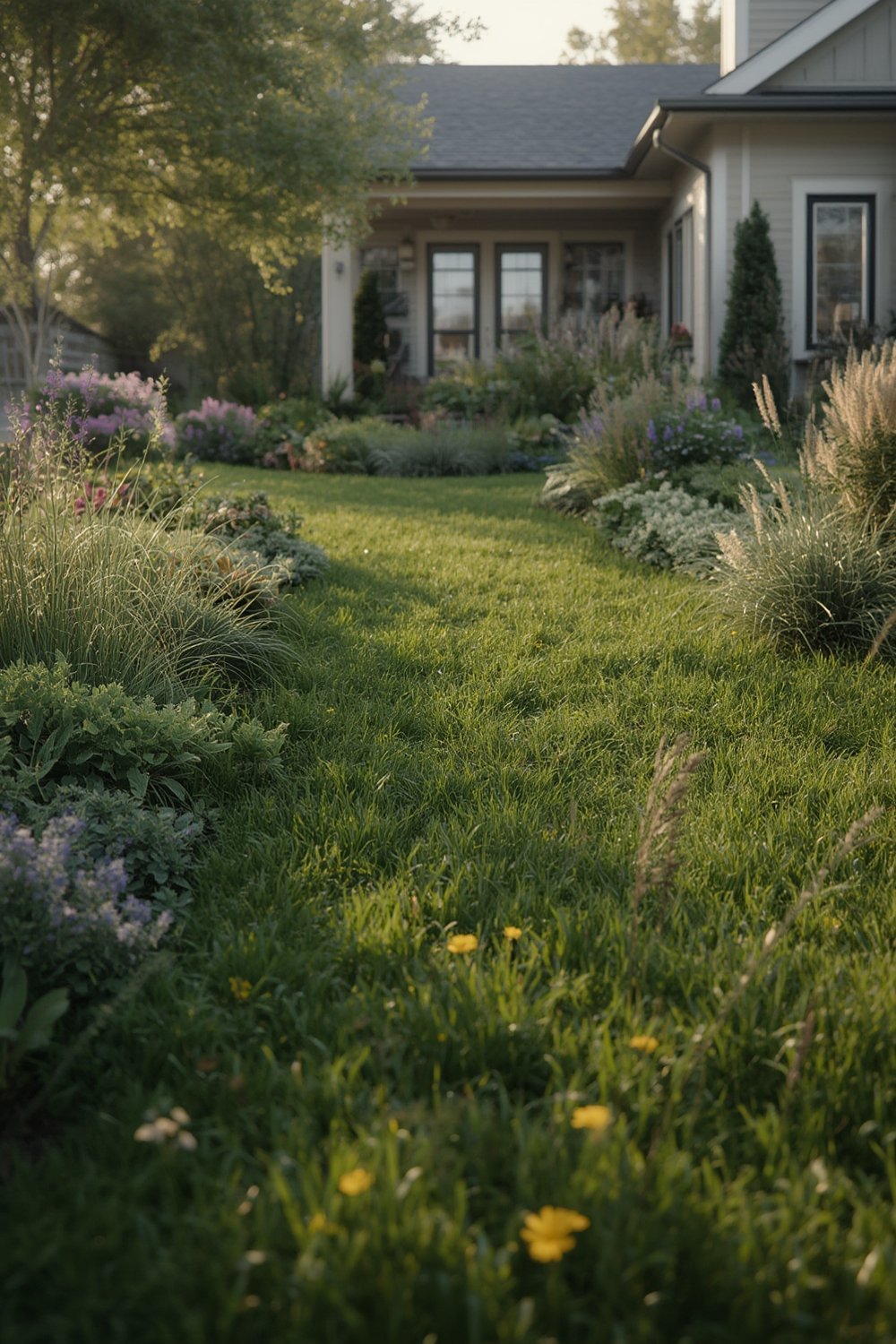
From 2019 to 2021, the percentage of homeowners planning to convert lawns to wildflower or native landscaping more than doubled, showing a clear trend toward sustainable yard care (source). Major motivations include:
- Supporting pollinators and wildlife by providing diverse, flowering food sources (source).
- Cutting water use by 50-75% with drought-adapted alternatives (source).
- Reducing fertilizer, irrigation, and mowing for less work and fewer chemicals.
Common options for a no mow lawn alternative include microclover lawns, prairie grasses, thyme, creeping sedum, and even engineered meadow blends. Each offers different looks and benefits—some blend easily with landscaping, others create a wildflower effect.
To maximize ecological benefit, try combining native pollinator plants or integrating a rain garden area for stormwater management and biodiversity. For high-traffic areas, durable ground covers or limited-use turf patches may still be necessary.
How to replace your grass: Step-by-step transition guide
Tired of mowing and ready for a change? Here’s how to create a durable and beautiful no mow lawn alternative:
- Assess sun, soil, moisture, and use patterns: Identify shady vs. sunny areas, soil type, drainage, and heavy traffic zones. Some alternatives, like microclover or buffalo grass, need sun; others, like sedges, handle partial shade.
- Choose the right alternative: Match your climate and usage. For dry regions, try drought tolerant landscaping or xeriscaping. In the Midwest or wet zones, opt for native sedges or moisture-loving ground covers (source).
- Remove existing turf grass: Use solarization, sheet mulching, or a manual sod cutter. If your area is small, pruners like the Fiskars Elite Bypass Pruning Shears help cut tough roots.
- Prepare the soil: Loosen soil, incorporate compost, and remove weeds. For larger plots, a mini chainsaw can help cut through woody roots and tough sod edges.
- Sow or plant the alternative:
- Seed method: For clovers, buffalo grass, or meadow blends, distribute seed evenly and gently rake in. Consider a hand spreader like the Scotts Whirl manual spreader for even coverage.
- Plug method: Plant plugs or small pots of creeping thyme, sedums, or native grasses at recommended spacing.
- Water lightly but consistently: New seeding or transplants require regular watering until established. Reduce water as plants mature.
- Control weeds and monitor progress: Expect some weeding in the first season as your ground cover establishes. Most alternatives shade out weeds as they fill in.
- Enjoy and adjust: Once mature, most alternatives need only occasional mowing (once or twice per season) or none at all. Monitor for bare patches and reseed as needed.
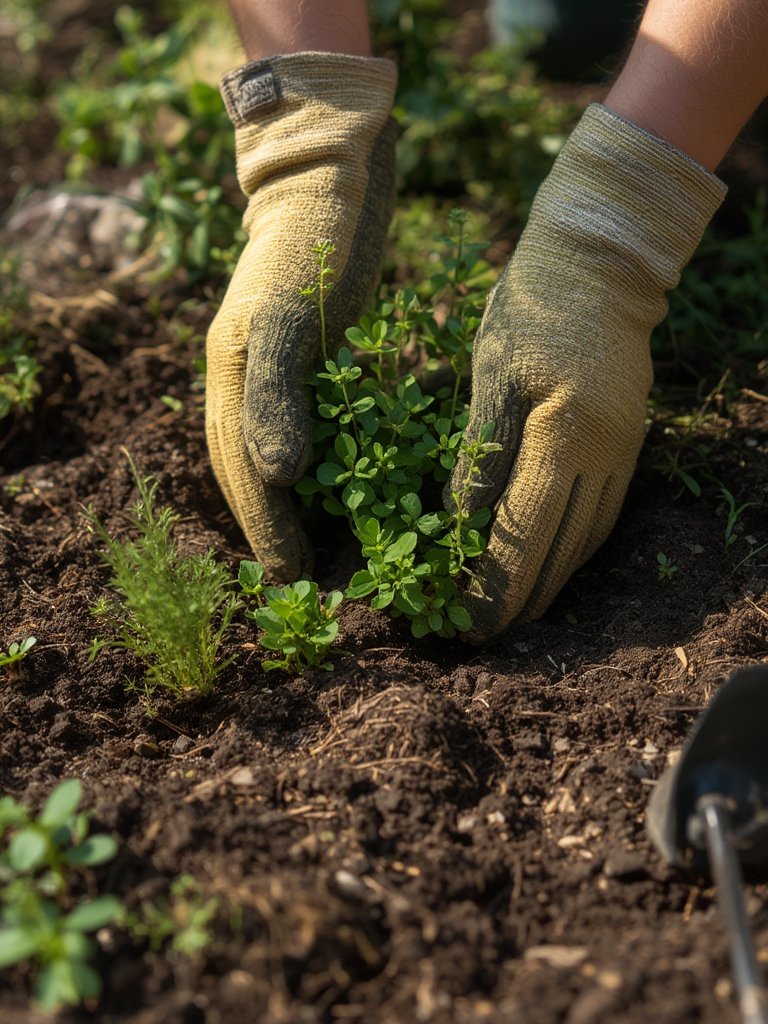
For unique curb appeal, try focal beds, pathways, or blending edible landscaping with low-mow areas. Always check local ordinances—some neighborhoods still have turf grass mandates.
Advanced analysis and common pitfalls
Switching to a no mow lawn alternative isn’t one-size-fits-all. Here’s what most articles skip—and what you need to know for a successful long-term transition.
Common pitfalls
- Expecting instant results: Most alternatives, especially from seed, take one to three years to fully fill in. Bare patches and weeds are common during the establishment phase.
- Poor site assessment: Choosing a sun-loving ground cover for a shady yard or vice versa will disappoint. Take the time to match species to your exact yard conditions.
- High traffic issues: Many alternatives (like wildflowers, low sedum, or thyme) can be damaged by frequent play or pet activity. For families or pet owners, consider blended designs with strong turf or mulched pathways in key areas.
- Over- or under-watering: New installs need moisture, but established areas often perform best on minimal irrigation. Overwatering can foster weeds and fungal disease.
- Maintenance misconceptions: No mow does not equal “no care.” Occasional weeding, overseeding, or cutting may still be required, though typically much less than standard turf.
- Neighborhood Covenants: Some HOAs or local codes still require certain “neat” appearance or turf lawns. Always check before investing.
Maintenance & cost comparison
| Expense | Traditional Turf Grass | Microclover / Native Alternative |
|---|---|---|
| Water (annual) | High (weekly irrigation, spikes in summer) | Low to moderate (establishment period only, then minimal) |
| Mowing | Weekly | Once or twice per season / sometimes none |
| Fertilizer/Chemicals | 4-6 applications/year (herbicide, pesticide, fertilizer) | Rare to none (clover types supply their own nitrogen) |
| Reseeding | Annual (bare patch repair) | Occasional first 2 seasons, then rarely |
| Total Cost (per year) | $300-$700+ (water, mowing, chemicals) | $50-$200 (after establishment year) |
Real-world user challenges
Some homeowners report frustration with patchy growth, muddy spots during establishment, or dissatisfaction with less “perfect” lawn aesthetics. Others find that pets or kids damage delicate covers. There is also an initial learning curve for new maintenance routines, especially with identifying weeds vs. desirable ground covers.
Regional limitations & best practices
No single alternative works everywhere. In arid states, drought tolerant landscaping using succulents, sage, and stone mulch excels. Midwest homes may need wet-tolerant sedges. Native grass lawns like buffalo or blue grama thrive in hotter, open regions but may struggle in shady yards source.
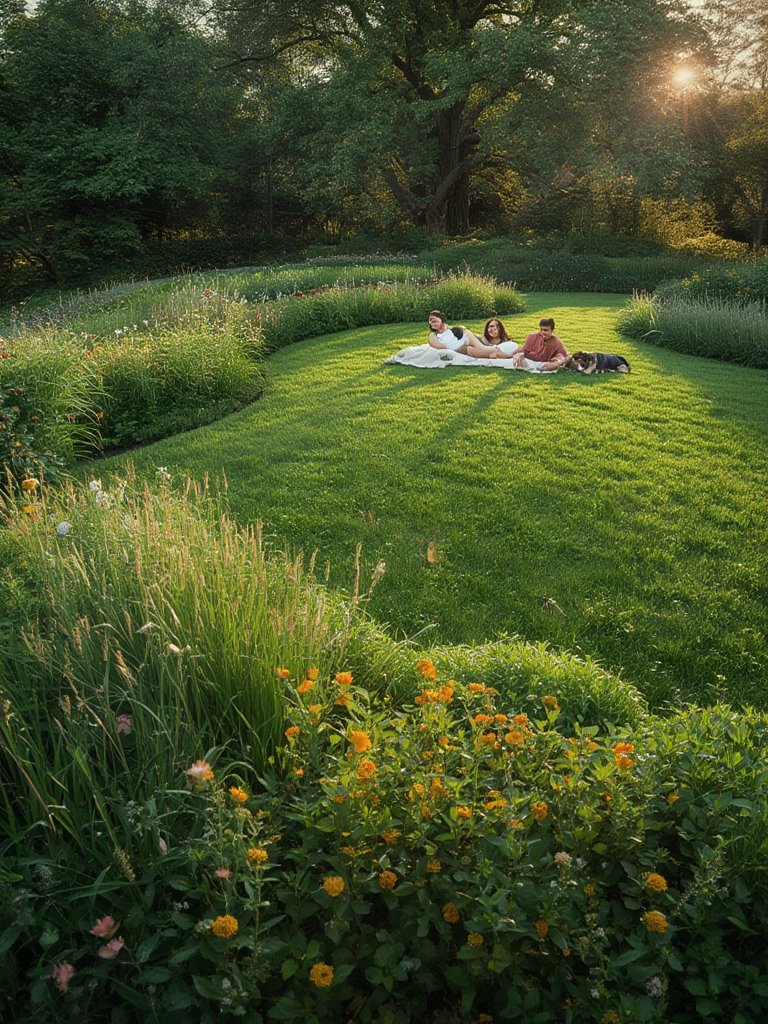
Consult local native plant guides or cooperative extensions for zone-specific recommendations. When in doubt, mix alternatives or leave a small patch of grass for high-traffic zones.
Conclusion
Switching to a no mow lawn alternative is an investment in lower maintenance, water savings, and real ecological impact. Start with a manageable area, match the ground cover to your climate and yard usage, and expect a few seasons of adjustment. With careful planning and the right tools, you can transform your lawn into a resilient, beautiful, and eco-friendly asset. Ready for less mowing and more biodiversity? Make your no mow lawn alternative happen this season—your weekend and the environment will thank you.
FAQs
What is the best no mow lawn alternative for dogs and high traffic?
For pets and active families, microclover blended with a tough turf species or low-growing native grasses (like buffalo grass) tends to perform best. Avoid delicate wildflowers or creeping thyme in play zones, as they can be easily damaged.
How long does it take for a no mow alternative lawn to look established?
Most new lawns take 1-3 years to fill in fully. Sodded or plug methods establish faster than seed. Expect some patchy or weedy stages in the first year.
How much does it cost to maintain compared to traditional grass?
After establishment, costs typically drop 50-80% — less irrigation, mowing, and no need for chemical fertilizers or weed killers. Annual savings of a few hundred dollars are common for the average yard.
Can I use a no mow alternative in shady yards?
Yes, but options like sedges, some fescues, or shade-tolerant wildflower mixes work better than sun-loving microclover or buffalo grass. Assess your yard’s conditions before choosing.
Will my HOA or city allow a no mow lawn alternative?
Some homeowners’ associations or municipalities have strict landscape rules. Check local ordinances before starting. Where allowed, design for tidiness and consider adding mowed edges or defined borders for an intentional look.