


Native plant nursery near me searches have exploded as gardeners, landscapers, and homeowners shift toward sustainable and biodiverse landscapes. But what does it really take to find authentic native plants in your region-and what should you watch out for before buying?
Key Takeaways
- Finding reputable native plant nurseries is challenging due to limited supply and uneven distribution nationwide.
- Look for nurseries specializing in local ecotypes and ask targeted questions to ensure authenticity and suitability.
- Native nurseries support healthier ecosystems and biodiversity, but verification and planning are critical for long-term success.
- What is a native plant nursery and why does it matter?
- How to find and choose the best native plant nursery near you: step-by-step guide
- Advanced analysis: pitfalls, challenges, and solutions
- Conclusion
- FAQ
What is a native plant nursery and why does it matter?
A native plant nursery specializes in growing, propagating, and selling plants that are indigenous to the specific region it serves. This focus differs from generic garden centers that mostly offer popular exotics or cultivars, often sourced from far away.
These nurseries matter because native plants are foundational for healthy ecosystems. They support local wildlife (like the hundreds of bee species in North Carolina), improve soil and water cycles, and demand far fewer chemicals and resources than non-native species. According to recent USDA research, roughly 825 native plant growers now operate in the U.S., but they serve highly regional markets and collectively form just 10-17% of overall nursery plant production.
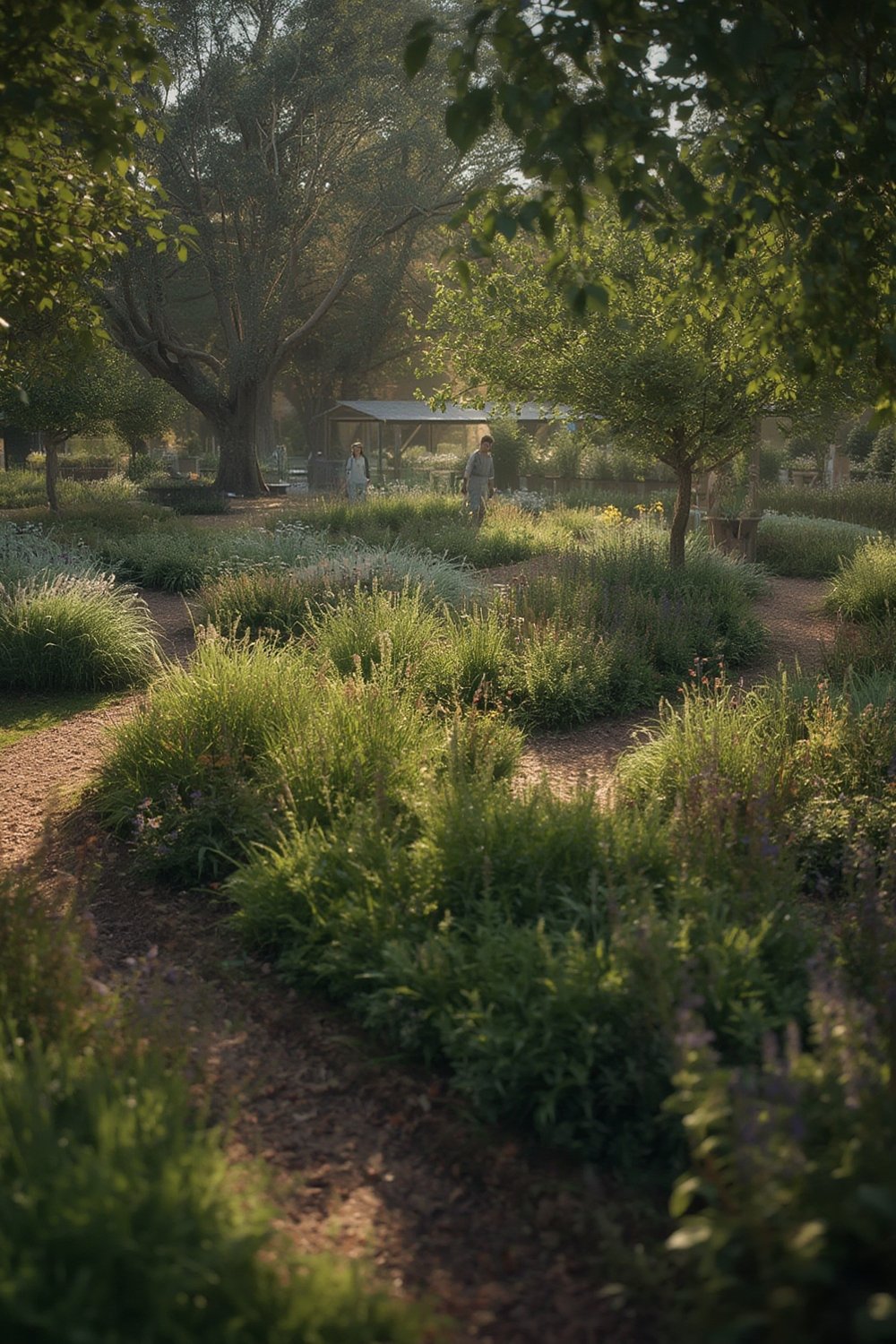
Native-focused nurseries offer unique benefits for both ecological health and resilient landscaping. Plants adapted to your specific climate and soils mean less watering, lower maintenance, and a thriving support network for pollinators and wildlife. But with fragmented supply and consistent demand outpacing producers, finding the right nursery takes extra effort-and careful vetting.
How to find and choose the best native plant nursery near you: step-by-step guide
Not all nurseries labeled as “native” offer the same authenticity or regional focus. Use the following step-by-step approach to get native plants that truly deliver on ecosystem benefits:
- Identify true local native plant nurseries.
Search online using your city or ZIP code plus “native plant nursery near me.” Ignore big box stores—they rarely offer regionally appropriate natives or ecotypes. - Cross-check nursery lists with local conservation groups.
State native plant societies, botanical gardens, and conservation NGOs often publish vetted lists of reputable nurseries. - Review product offerings and ask direct questions.
Does the nursery specify native ranges, seed source, or local ecotypes? Are staff knowledgeable about site conditions? - Verify regional suitability of available plants.
Make sure plants are native to your county or ecoregion-not just your state. Ask about provenance and whether plants are wild-collected or nursery-propagated. - Ask about sustainable practices.
Inquire about pesticide use and seed sourcing. Top nurseries often employ Integrated Pest Management (IPM) and prioritize genetic diversity. - Plan your visits for spring or fall.
Most native nurseries have the largest selection during these planting windows. Some only open seasonally or require appointments.
- Pro Tip: Always call ahead or check the nursery’s website to confirm inventory and business hours-rare species or hyper-local ecotypes tend to sell out fast.
- Hacks & Tricks: Bring a printout of your local ecoregion plant list or pull up a regional native plant database on your phone, so you can verify species on the spot.
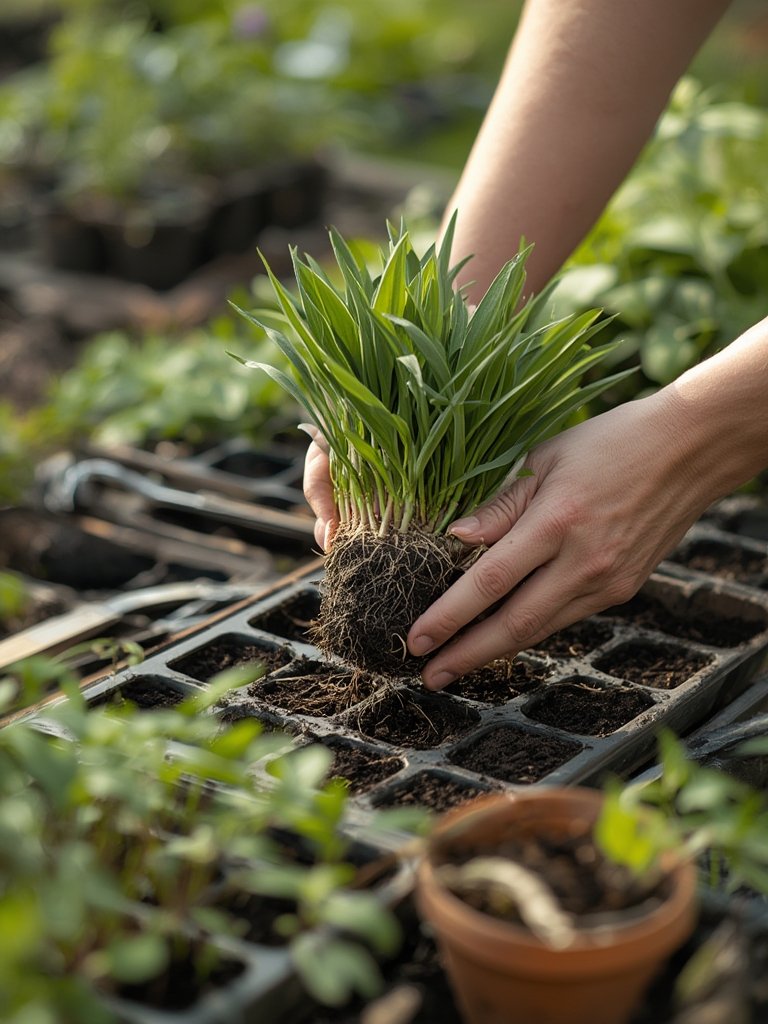
Some native plant nurseries also organize annual sales or pop-up events with conservation groups. These offer rare plants and expert advice, but may require arriving early to get the best selection. When planning, check local event calendars and conservation network newsletters too.
Finally, ensure you have the right basic tools for planting and establishment-such as mini chainsaw for removing old shrubs, garden clippers for shaping, or a complete garden tool set for prepping and maintaining your new native garden beds.
Advanced analysis: pitfalls, challenges, and solutions
Even passionate gardeners and well-intentioned landscapers face hurdles in sourcing and planting natives. Here’s what to expect-and how to adapt:
| Pitfall | Why It Happens | Actionable Solution |
|---|---|---|
| Limited supply and variety | Production lead times are 2-4 years and demand exceeds supply. Many nurseries operate at capacity. Some rare species may be unavailable for several seasons. [Source] | Order in advance, join waitlists, and use multiple nurseries (including pop-ups) to diversify your sources. |
| Ambiguous or misleading plant labels | Some nurseries do not specify species provenance or sell cultivars with altered traits. | Ask about regional ecotypes, wild-origin propagation, and verify Latin names. |
| Ecotype mismatch | Plants may be “native” to a state but genetically adapted for totally different soils/climate. | Use regional plant lists/database and favor nurseries that disclose original collection sites. |
| Lack of established price transparency | There is little publicly available pricing data and costs can vary dramatically by species, size, and nursery type. | Contact nurseries before visiting; ask for price lists and fees upfront. |
| Seasonal or inconsistent operating hours | Many native nurseries are seasonal or only open by appointment, causing wasted trips. | Always check current hours and visit during peak planting seasons for the best selection. |
| No unified certification system | No industry-wide certification or labeling regulations, so authenticity claims are unregulated. | Rely on recommendations from conservation organizations and check nursery participation in regional seed networks. |
While the market for natives has nearly doubled since 2019, demand continues to outpace professional production. New commercial-scale growers are rare, and regional shortages remain common. This means customers are responsible for diligent vetting-and may need to find creative solutions or adjust their garden plans.
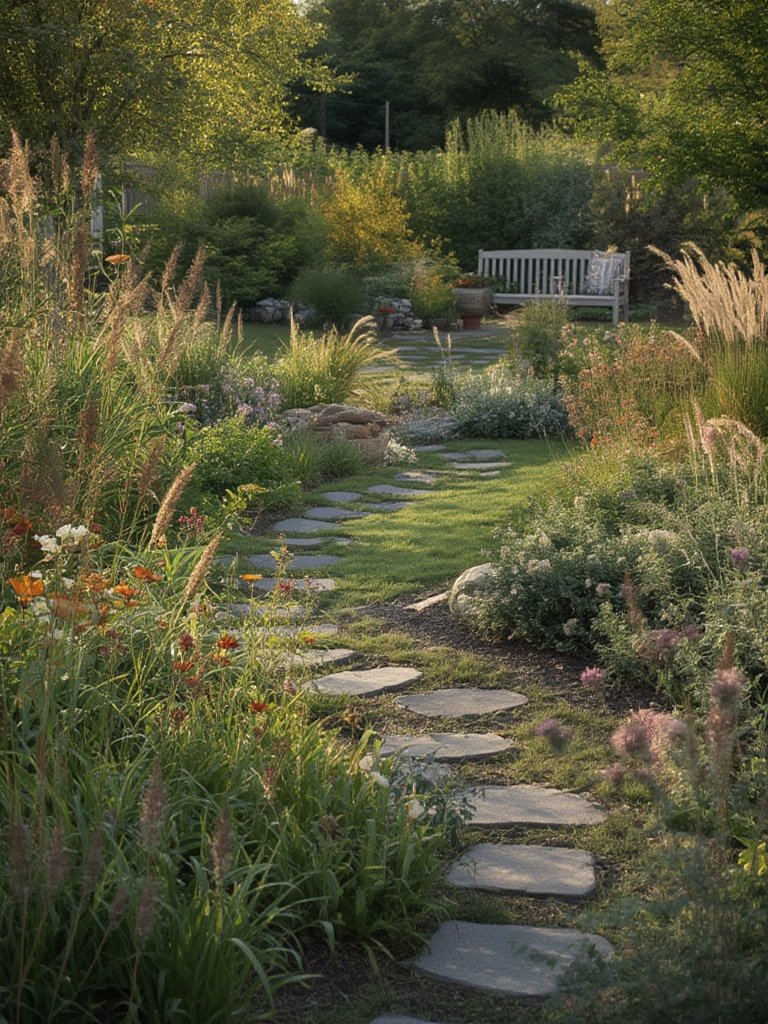
Don’t ignore ongoing maintenance. Even native gardens benefit from the right watering equipment or integrated pollinator plant selections that extend seasonal appeal and attract wildlife.
For applications beyond the backyard-like rain gardens, bioswales, or pollinator habitats-check resources such as this step-by-step rain garden installation guide for deeper planning support.
Conclusion
Finding the right native plant nursery near me is about more than proximity—it’s about ensuring plant authenticity, regional suitability, and ethical production. Always verify sources, leverage local networks, and plan ahead to secure real ecological benefits. With the right preparation and attention to authenticity, your native planting project supports biodiversity, conserves water, and reduces maintenance for years to come.
Ready to transform your landscape? Start connecting with your region’s best nurseries and make every planting count.
FAQ
How can I be sure a nursery’s plants are truly native to my area?
Ask the nursery staff for provenance details, including where and how the seed or plant material was sourced. Cross-reference against regional native plant lists from local conservation groups or universities.
Are native plants really harder to find than common garden species?
Yes-while native plant demand has surged, supply remains limited, especially for hyper-local or rare species. Many small nurseries serve only nearby customers and some species require long production lead times.
Will native plants reduce my garden maintenance?
Once established, most native plants require less watering, fertilizer, and pest control than exotics. However, they still need proper site selection and establishment, especially in the first two years.
What’s the difference between a garden center and a native plant nursery?
Generic garden centers mostly stock mass-market exotics or cultivars grown for ornamental traits. Native plant nurseries focus on plants originally found in your region and sometimes propagate wild-collected, ecotypic material.
Are there certifications for native plant nurseries?
As of 2024, there is no national certification system for native plant nurseries. Rely on recommendations from local plant societies, and inquire about the nursery’s seed sourcing and propagation practices.