


Key Takeaways
- Drought tolerant landscaping can cut landscape water usage by 30-80% depending on the method-meaning real savings and less maintenance.
- Initial investment typically pays off within 2-6 years when factoring in water savings, rebates, and reduced upkeep.
- Success depends on the right planning, soil management, and meeting local rebate program standards.
- What is drought tolerant landscaping and why does it matter?
- How to get started: step-by-step guide for homeowners
- Advanced analysis & common pitfalls
- Conclusion
- Frequently asked questions
What is drought tolerant landscaping and why does it matter?
Drought tolerant landscaping is the design and installation of landscapes that need less water to survive and stay attractive. It emphasizes drought-resistant plants, efficient irrigation (drip systems, smart timers), and ground covers or mulches that help reduce evaporation. Instead of lawns or thirsty ornamentals, these yards rely on hardy groundcovers, shrubs, and trees adapted to dry spells.
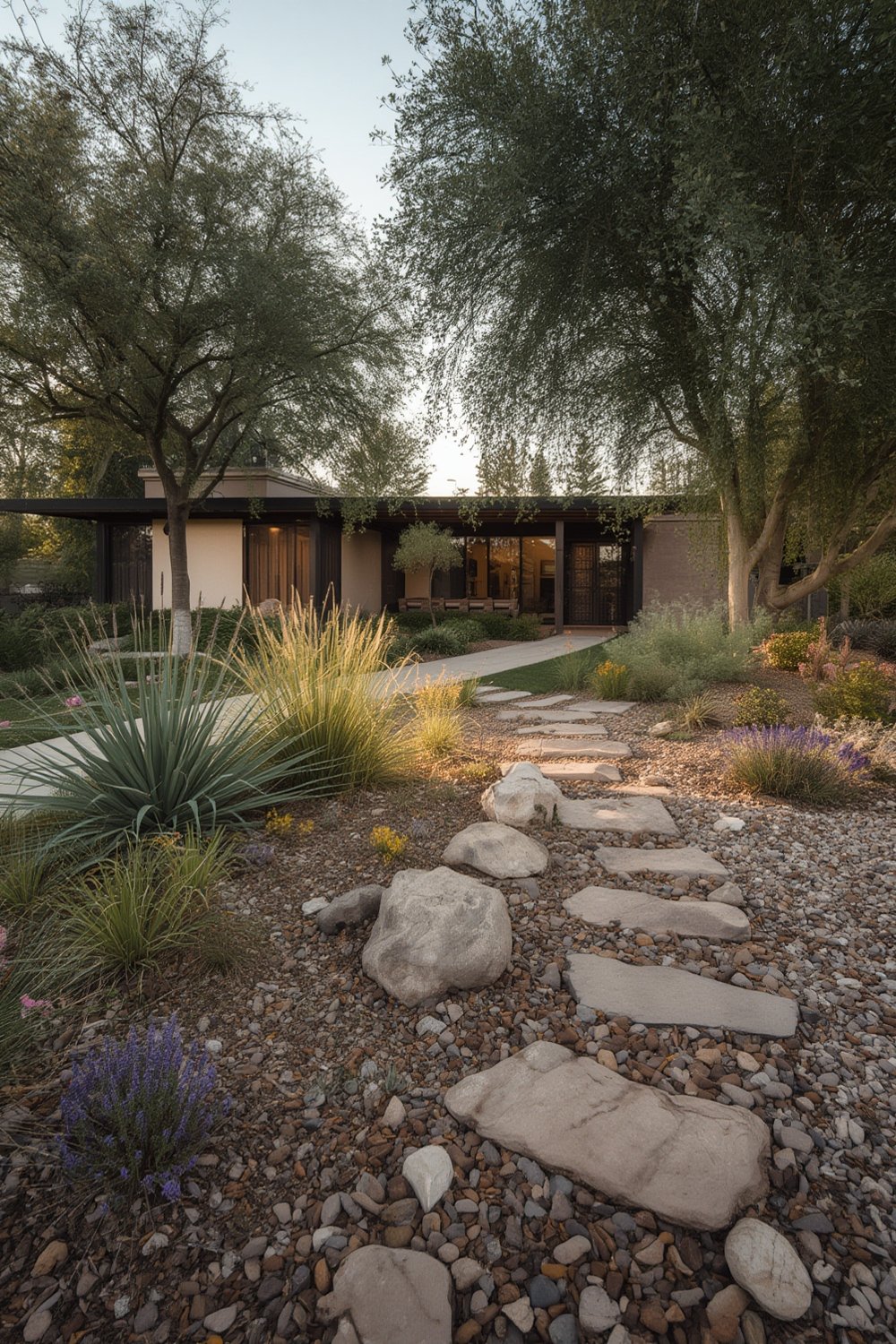
Why bother? On average, switching to drought tolerant landscaping can cut outdoor water use by 30-50%. If you go all in on xeriscaping, that reduction can hit 50-80% compared to traditional turf or mixed gardens (source). For a typical home, this can mean hundreds of dollars a year in savings, less time spent mowing or weeding, and a genuine boost in property value (source). Plus, tailored designs often attract pollinators and create environmental resilience for your neighborhood.
The impact is direct: less water waste, lower bills, greater sustainability, and increased curb appeal that stays green through drought cycles.
How to get started: step-by-step guide for homeowners
Ready to start? Follow these steps to make the transition to lower-water landscaping smooth and cost-effective.
- Pro Tip: Before removing any lawn or existing plants, check for local rebates and design requirements. Many programs—like those in California—require you to apply before work starts to qualify for rebates.
- Hacks & Tricks: Map your yard’s sunny and shady zones before buying plants. That way, you can group them by water needs (“hydrozoning”), which slashes watering waste and plant loss even further.
- Assess your site and make a plan.
- Start with a soil test-compact or clay-heavy soils waste water. Think about adding compost or sand as needed.
- Sketch out areas for play, pathways, seating, and storage-for example, consider a 31-gallon outdoor storage box to keep tools tidy and dry.
- Research your climate’s best drought-tolerant plants.
- Native species nearly always outperform exotics.
- Trees and large shrubs create shade, which cools the ground and drives down water needs for everything beneath.
- Set reminders to group plants so those with similar water needs are together.
- Remove or reduce turf grass.
- Rent a sod cutter or use a stand-up weed puller for smaller areas.
- For larger projects, a mini chainsaw makes short work of tough roots and shrubs.
- Choose ground covers and mulch.
- Plan to cover all bare soil with at least 2–3 inches of organic mulch or rocks. This prevents weeds and locks in soil moisture-less watering and less weeding.
- Install efficient irrigation.
- Drip irrigation with timers maximizes water savings.
- Upgrade to smart controllers if possible, as many rebate programs require them.
- Plant, water in, and monitor for the first year.
- Avoid overwatering: new drought-tolerant plants need regular watering their first season but then thrive on less.
- Regularly inspect irrigation for leaks-using a retractable hose reel can help maintain tidy, tangle-free watering setups.
- Annual maintenance is minimal.
- Remove weeds early, top off mulch, and prune as needed. Most tasks can be performed with basic bypass pruning shears or a durable gardening tool set.
- Check local rebate compliance if making major changes-some programs require ongoing proof of qualifying landscape features.
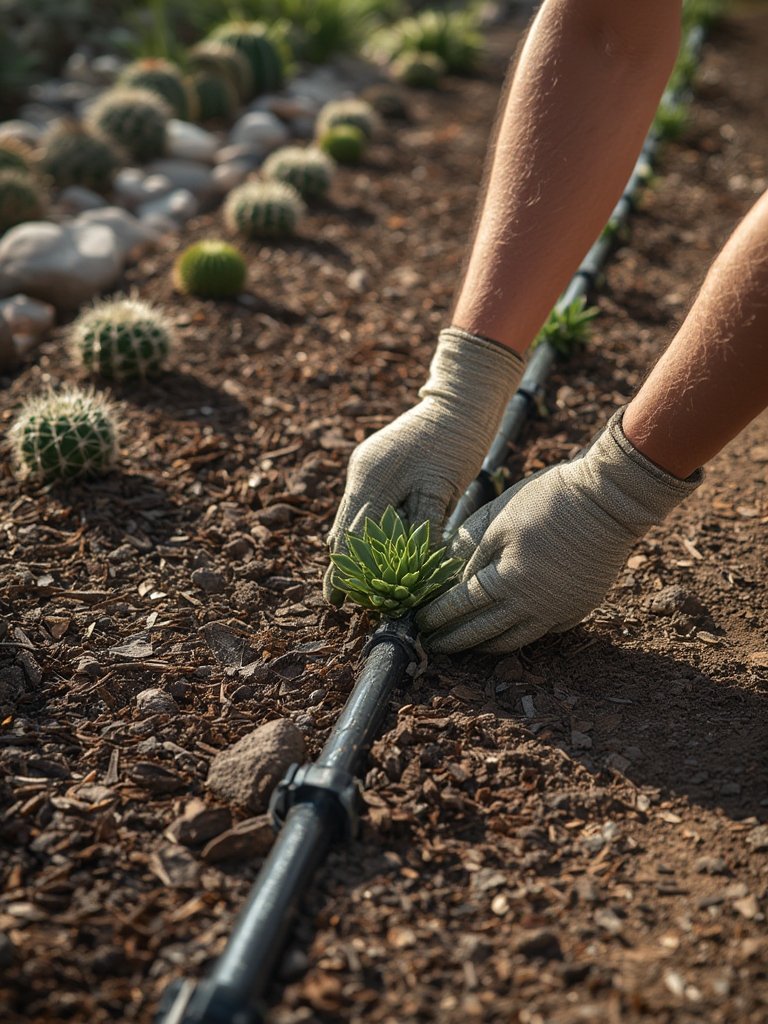
Patience pays off. Most landscapes look sparse at first, as drought-tolerant plants typically fill out over 1–2 years. Water savings, fewer weeds, and reduced mowing become obvious fast, but design adjustments may be required if certain plants fail or weed issues persist.
Advanced analysis & common pitfalls
It’s not all smooth sailing. Here’s what actually trips up most first-timers and practical comparisons you should consider:
| Factor | Traditional Lawn | Drought Tolerant Landscaping |
|---|---|---|
| Yearly Water Use | ~150 gallons/day (~55,000 gal/yr) | 45-75 gallons/day (30-50% less) |
| Upkeep Time | 4-6 hours/week | 1-2 hours/week |
| Break-even Timeline | Ongoing high cost | 2-6 years (with rebates and savings) |
| Regulatory Incentives | Usually none | Rebates of $2–$4/sqft in some states (source) |
Common pitfalls to avoid
- Poor plant selection: Buying random “drought-tolerant” species without checking local adaptability leads to slow growth or die-off.
- Underestimating initial cost: Converting a yard isn’t free. Soil preparation and plant costs can add up quickly, but rebates often offset some expense
- Overwatering new installs: Newly planted drought-tolerant plants need water to establish. Many users continue high watering for years, which reduces savings and can harm the plants.
- Inadequate planning for coverage: Most rebate programs require 50-60% plant coverage once plants reach maturity. Installing too few causes compliance issues and leads to weed problems.
- Ignoring ongoing maintenance: Even low-water gardens require seasonal pruning and monitoring for weeds and irrigation leaks.
- Overlooking local rebate criteria: Removing turf or installing new beds without following pre-approval steps invalidates rebates-always check first.
For more ideas that combine low-water design and pollinator support, check out our guide to native pollinator plants.
Conclusion
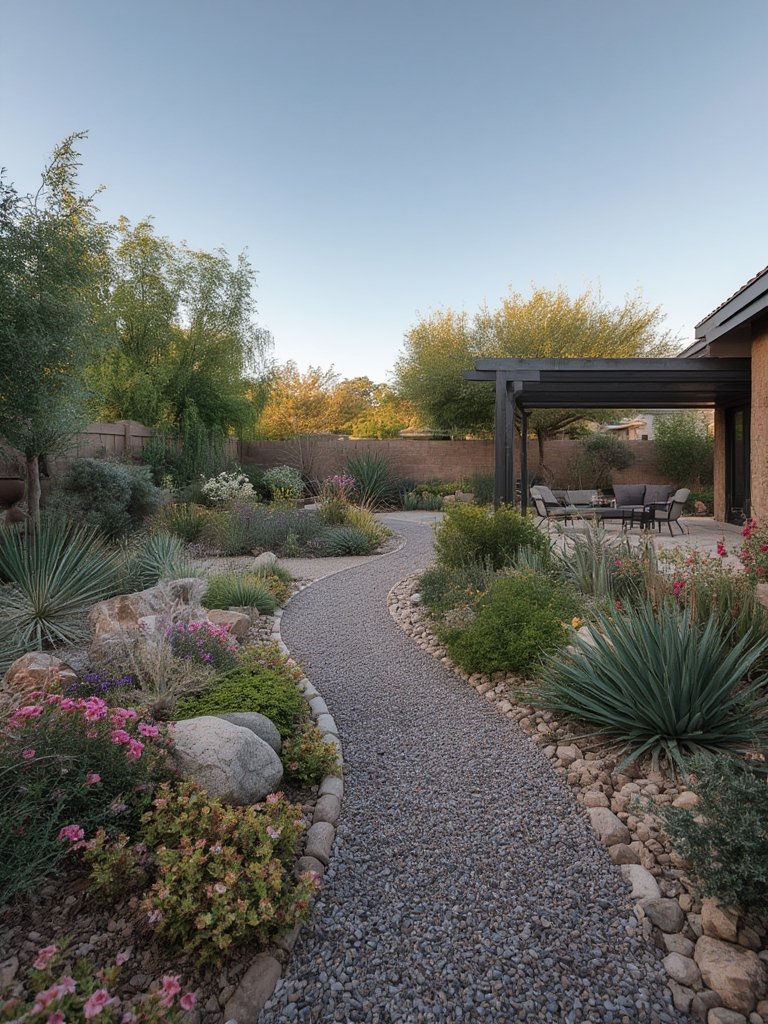
Drought tolerant landscaping is the most effective way to save water, reduce yard work, and create beauty that lasts even as droughts become more frequent. Whether you aim for full xeriscaping or just a water-wise refresh, swapping out turf and thirsty ornamentals for native, tough plants pays off-literally and in peace of mind. If you’re ready to put drought tolerant landscaping to work for your home, get started now by planning your custom design and checking local rebate opportunities. You’ll see results in your water bill and your landscape resilience within the first year. Ready to make the change? Start drawing your plan today and turn your yard into a sustainable showpiece.
Frequently asked questions
How much water can I realistically save with drought tolerant landscaping?
Switching to drought tolerant landscaping can reduce outdoor water use by 30-50%. Full xeriscape designs may save 50-80% over traditional lawns. Actual savings depend on your plant choices, irrigation efficiency, and climate.
How long does it take for a drought tolerant yard to pay for itself?
Most landscapes break even in 4-6 years through water bill savings and lower maintenance costs. In areas with expensive water or larger municipal rebates, the payback can be as fast as 2-3 years.
Will I qualify for a turf replacement rebate?
If your city or water district offers rebates, you usually need to apply before starting work. Common requirements include at least 50-60% plant coverage at maturity, drip irrigation, and use of approved plant lists. Check with your local agency before beginning.
Is maintenance really less for these types of yards?
Yes, but “less” doesn’t mean “none.” You’ll spend less time mowing and watering but will need to weed, check irrigation, and prune, especially until your plants fill in fully.
What are some good tools for drought tolerant landscaping upkeep?
Vital tools include bypass pruning shears, a weed puller, a retractable hose reel for targeted watering, and a basic garden tool set for seasonal maintenance. Our premium gardening tool guide lists the best picks for quality and comfort.