


Allergy supplements for dogs are marketed as a natural way to help itchy, uncomfortable pets, but do they really work and how do you choose the right one?
Key Takeaways
- Clinical trials show most benefit for skin symptoms—itchiness and dermatitis—not other allergy types.
- Omega-3s with proper dosing (50-220 mg/kg EPA) are best supported by veterinary evidence; most products underdose.
- Probiotic and yeast-based blends may help, but results and quality standards vary, and consumer complaints include ineffectiveness.
- What Are Allergy Supplements for Dogs—and Why Do Owners Use Them?
- How to Safely Try Allergy Supplements for Your Dog (Step-By-Step)
- Advanced Analysis & Common Pitfalls
- Conclusion
- FAQ
What Are Allergy Supplements for Dogs—and Why Do Owners Use Them?
Allergy supplements for dogs are commercially available chews, powders, oils, or capsules designed to relieve allergy symptoms—mainly itching, skin irritation, or excessive licking. Owners seek these options for several reasons: prescription allergy medications can have side effects, are sometimes cost-prohibitive, and some owners prefer “natural” remedies.

The science, however, is clear: most supplements primarily help with skin allergies—such as pruritus (itching) and dermatitis—not digestive or respiratory symptoms. A recent 2023 clinical trial showed a probiotic-and-nutraceutical blend offered statistically faster improvement in skin symptoms versus placebo. Omega-3 fatty acids supplements, especially with enough EPA and DHA, also show measurable anti-inflammatory benefits in peer-reviewed studies, but not all over-the-counter (OTC) products meet these proven dosing levels.
Importantly, not all dogs respond the same. Genetics, environment, severity of allergy, and even the dog’s gut microbiome play a role. Where allergies are chronic or severe, supplements alone are unlikely to fully resolve the issue—prescription treatments may still be essential.
For dog owners seeking extra digestive support, a dedicated dog probiotic supplement (with enzymes and fiber) may be more appropriate for gut-related symptoms.
How to Safely Try Allergy Supplements for Your Dog (Step-By-Step)
- See your veterinarian first. Never skip a professional diagnosis. Skin symptoms can result from allergies, mange, diet changes, fleas, or infection.
- Identify the target symptom. Are you looking to help itchy skin, digestive problems, or respiratory symptoms? Most supplements only support skin allergies.
- Analyze supplement ingredients and dosing. Review the supplement label for EPA/DHA content (seek 50–220 mg/kg EPA daily), probiotics (identify specific strains like Bifidobacterium animalis), and avoid blends with vague “proprietary” formulas.
- Start with one supplement at a time. Document your dog’s symptoms, then try the supplement as labeled for at least 4–8 weeks. Single-ingredient omega-3s (fish oil) are best studied.
- Watch for side effects and changes. Monitor for vomiting, diarrhea, lethargy, or worsening itching—stop if these occur and consult your vet.
- Assess effectiveness honestly. Rate skin symptoms weekly (paw-licking, redness, scratching). If no substantial improvement by 8 weeks, reconsider your approach.
- Compare supplement costs with prescription therapies. Supplement prices can add up, sometimes rivaling prescription allergy meds.
- Choose quality brands with transparent sourcing. Seek third-party tested products or those with clear EPA/DHA levels. Beware of unproven hypoallergenic claims—a staggering 73% of vet probiotics don’t match their label, according to veterinary analysis.
- Reevaluate and adjust. Your dog’s allergies may change with seasons, diet, or age. Continually reassess supplement value and your dog’s quality of life.
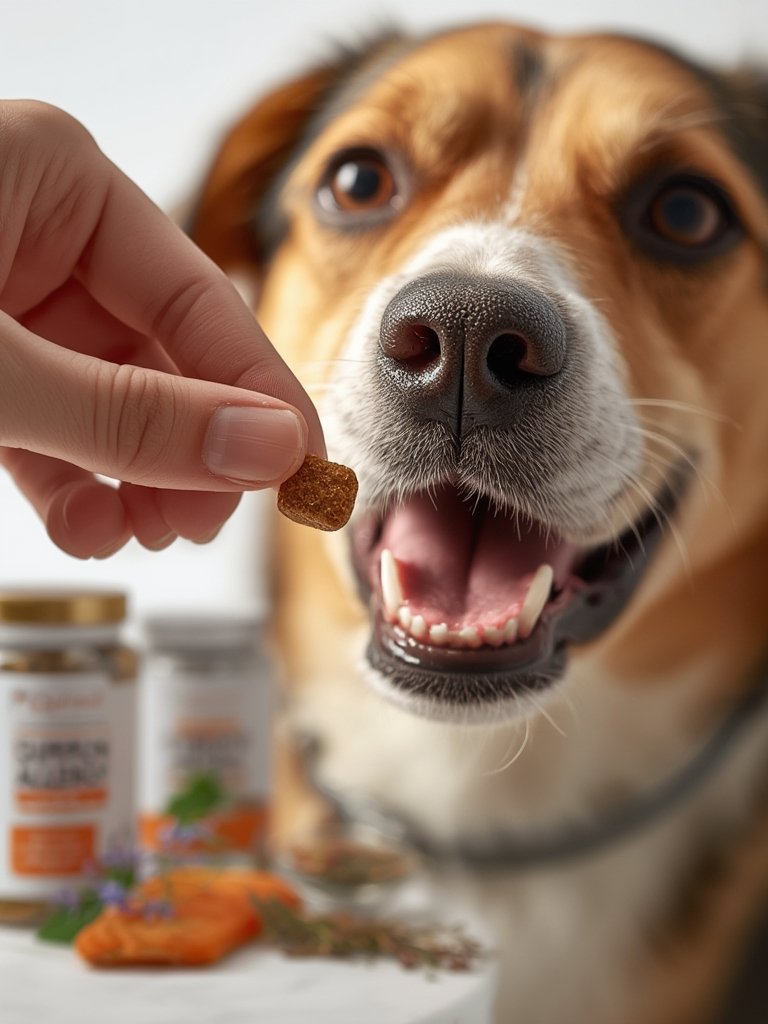
Supplementing smartly also means controlling for external factors. Using a carpet rake for pet hair removal and regular cleaning can reduce allergens in the home, increasing the effectiveness of any supplement strategy.
Curious about using probiotics for issues beyond skin health? Dive deeper into dog probiotic strains and dosages to better understand what matches your dog’s needs.
Advanced Analysis & Common Pitfalls
Clinical evidence and real-world reviews show that, despite the market hype, most allergy supplements for dogs face these major challenges:
- Ineffective doses: Most dog chews and oils on the shelf do not deliver the minimum EPA dose proven effective in trials—typically offering less than 10% of the required amount.
- Overly broad “probiotic” claims: Probiotics can help modify the gut-skin axis, but only certain strains (at specific amounts) are studied for skin health. Most OTC products lack strong evidence for treating established allergies.
- No clear standard for “hypoallergenic”: No regulated standard or third-party certification currently exists for hypoallergenic dog supplements. Manufacturers may use this label for marketing, not as a guarantee.
- Variable quality and lack of transparency: According to published veterinary data, 73% of tested products don’t accurately match ingredient labels.
| Allergy Supplements for Dogs | Prescription Allergy Meds (e.g., Zenrelia) | |
|---|---|---|
| Main Ingredients | Omega-3s, Probiotics, Yeast-based Postbiotics | Immunomodulators (e.g., Janus kinase inhibitors), Antihistamines, Steroids |
| Evidence for Itch Relief | Limited, mainly for skin symptoms; only Omega-3s consistently proven | Multiple large trials; direct reduction in itching and inflammation |
| Onset of Action | 2–4 weeks minimum; may be longer | Often rapid (within days) |
| Cost Transparency | Poor (labels rarely show mg EPA/kg dosing); monthly cost varies widely | Prescription only; cost data rarely public, usually higher than OTC supplements |
| Potential Downsides | Ineffectiveness, label inaccuracy, no regulated “hypoallergenic” standard | Possible side effects: vomiting, diarrhea, lethargy |
| Best For | Mild–moderate, primarily skin allergy symptoms | Moderate–severe, or refractory allergies |
Market data shows a $2.7 billion spend on pet allergy supplements in 2024, yet product cost versus real efficacy remains largely unaddressed. If you seek true complete nutrition (including minerals and vitamins), verifying against a quality grain-free food such as this seafood cat food (if shopping for cats) may provide balanced results, albeit for a different species.
For environmental control, supplement strategies can pair with tools like a washable orthopedic dog bed to decrease dust mites and allergens that often worsen symptoms.

Owners report frustration when supplements fall short or cause mild digestive upset; more severe cases may require prescription treatments like Zenrelia (see FDA approval report).
For additional immune support and fresh breath, consider a complementary product such as Clean Breath dog dental powder, which combines oral and gut health strategies.
Conclusion
Most dog allergy supplements offer safe, but limited, relief—especially for itching and mild dermatitis.
The evidence is best for omega-3s in the right dose, but most products underdeliver. Hypoallergenic and probiotic blends have promise, but verify quality and set realistic expectations before starting.
Always consult your vet, and if you’re not seeing improvement with allergy supplements for dogs after a trial, don’t hesitate to explore prescription options for real relief.
Ready to make an informed choice? Try a high-quality, well-dosed supplement and monitor progress closely! Your dog’s comfort and health come first.
FAQ
What is the most effective ingredient in allergy supplements for dogs?
Omega-3 fatty acids—especially EPA—are consistently backed by veterinary evidence for itch relief and inflammation reduction. Look for supplements with at least 50–220 mg EPA per kilo of your dog’s weight.
Can probiotics cure dog allergies?
Probiotics may help modify immune response and support skin health in some dogs, but they rarely “cure” established allergies. Their main value is as a supportive measure, not a replacement for prescription allergy treatments when indicated.
How long does it take for allergy supplements to work?
Most supplements, like omega-3s and probiotic blends, require at least 2–4 weeks for noticeable improvement in itching or skin symptoms, and some dogs may require longer trials.
What are common side effects of dog allergy supplements?
Some dogs may experience digestive upset (vomiting, diarrhea) or, rarely, increased itching. Always introduce new supplements gradually and monitor your pet closely.
How do OTC allergy supplements compare in cost to veterinary allergy meds?
Precise monthly averages vary, but multiple sources report that high-quality allergy supplements can approach or exceed the monthly cost of prescription meds like Zenrelia in 2024, despite differences in evidence and speed of action.