


Creating a garden wellness space transforms any yard into a restorative sanctuary for mind and body. More than trend, it’s science-backed self-care that delivers measurable benefits-if designed with your needs and limitations in mind.
Key Takeaways
- Garden wellness spaces offer proven mental and physical health benefits, reducing stress and increasing resilience.
- Planning, accessibility, and personal goals are crucial to long-term success—overlooking these leads to common pitfalls.
- Thoughtful plant choice, sensory design, and practical features like privacy are keys to a functional, enjoyable sanctuary.
- Understanding garden wellness spaces
- How to create your own garden wellness space (step-by-step guide)
- Advanced analysis and common pitfalls
- Conclusion
- Frequently asked questions
Understanding garden wellness spaces
A garden wellness space is a purpose-built outdoor area prioritizing your mental and physical health. Unlike a standard lawn or patio, every element is arranged to encourage stress relief, mindfulness, physical activity, and a sense of calm. These spaces may include quiet corners for meditation, flexible zones for yoga, healing plants, natural water features, and comfortable spots to simply rest and breathe.
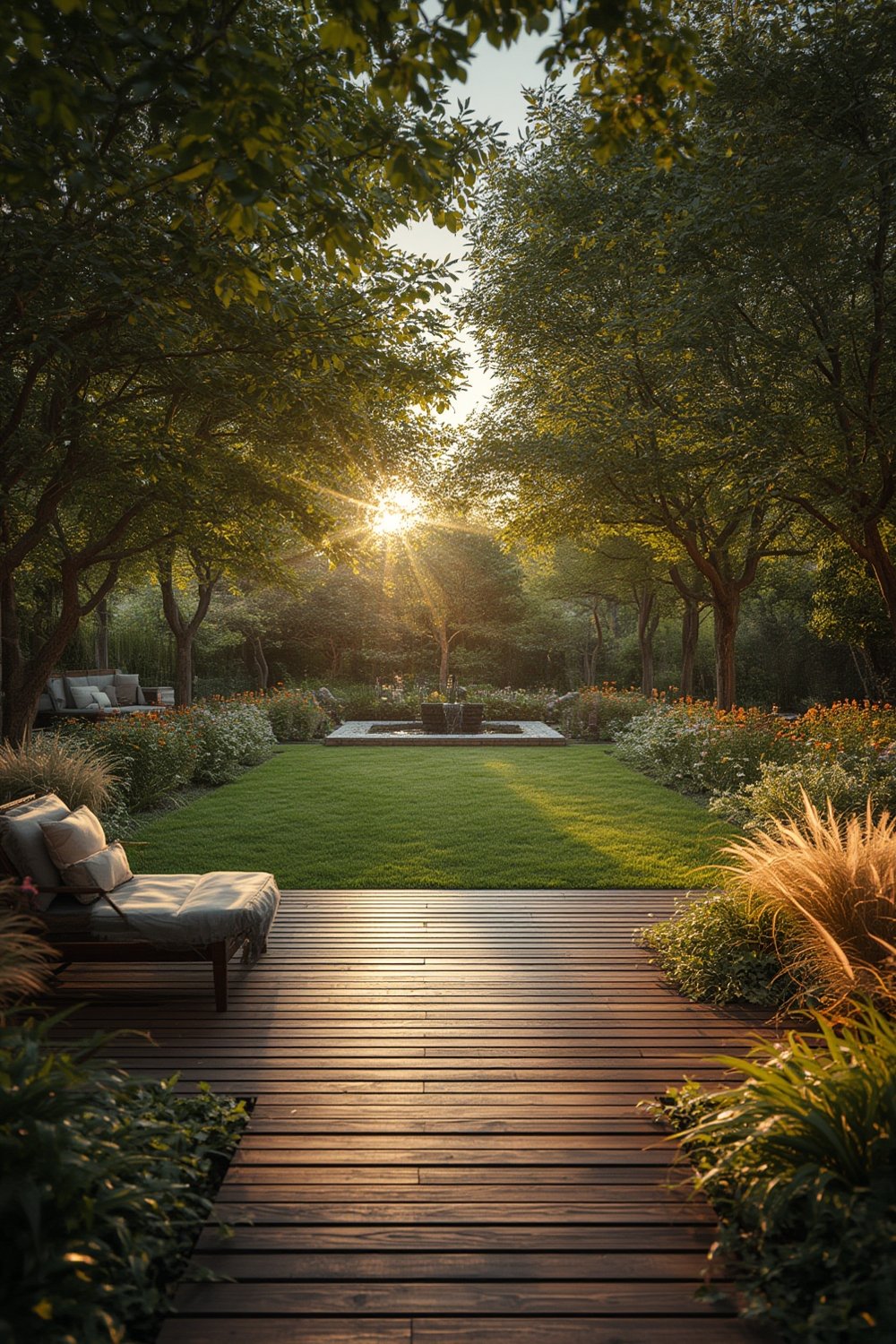
Why does this matter? Gardening and time in nature aren’t just pleasant-they’re scientifically proven to lower anxiety and blood pressure, boost mood, and foster healthy behaviors. In fact, controlled studies show that regularly working in a garden can increase fiber intake, improve physical activity by over 40 minutes per week, and help prevent chronic diseases. The “attention restoration theory” suggests that even brief exposure to nature recharges your mental batteries.
A thoughtfully designed wellness garden brings these benefits to your doorstep. It’s also a powerful antidote to screen fatigue, social isolation, and the daily pressures of modern life. With the right layout and plantings, you create an affordable, deeply personal retreat-no commute or spa membership required.
How to create your own garden wellness space (step-by-step guide)
Ready to build your own sanctuary? Follow these practical steps-no need for landscape architecture experience.
- Assess your space and goals.
Walk your yard and define how you want to use your garden wellness space. Is your priority meditation, yoga, socializing, or quiet reflection? Measure available square footage, sunlight, shade, and privacy. Photograph the area and jot down morning versus afternoon sun patterns. - Prioritize privacy and tranquility.
Choose a location buffered from street noise, wind, or visual distractions. If privacy is an issue, plan perimeter plantings, a trellis, or fencing. Native pollinator plants not only create natural screens but also support wildlife (see guide). - Select calming elements and plantings.
Leverage evidence-based features: water elements for sound, flowers for color/interest, seating for comfort, and winding paths for walking meditation. Pair native perennials with annuals to provide continual bloom and low maintenance. A heat-tolerant perennial mix ensures year-round appeal without high water bills. - Create flexible, accessible zones.
Leave open space for yoga, stretching, or stretching out on a ergonomic garden seat (ergonomic garden seat). Design gentle paths for barefoot walking and plan for easy entry and exit-especially if older adults or children will use the space. - Add weather protection and comfort.
Outdoor furniture, shade sails, or a heavy-duty table cover let you use your space in rain or sunshine (see table cover). Consider windbreaks and ensure pathways don’t become slippery when wet. - Illuminate for ambiance and safety.
Solar pathway lights add ambiance and let you enjoy the garden at dawn or dusk (solar light tips). Use subtle, low-glare lighting to avoid disrupting the sense of calm. - Keep tools, storage, and irrigation practical.
Install an outdoor storage box for cushions and garden equipment (see storage review). Drip irrigation or a smart watering system ensures healthy plants without extra hassle. - Plan for year-round enjoyment.
Add evergreens, winter-interest shrubs, or four-season focal points so your garden wellness space stays inviting even in colder months.
- Pro Tip: Before building, sit in your chosen spot at different times of day to assess sun, wind, and noise. Small changes in placement can dramatically boost comfort and tranquility.
- Hacks & Tricks: Use a portable privacy screen or tall potted bamboo to instantly buffer unattractive views or neighbors—no permanent construction required.
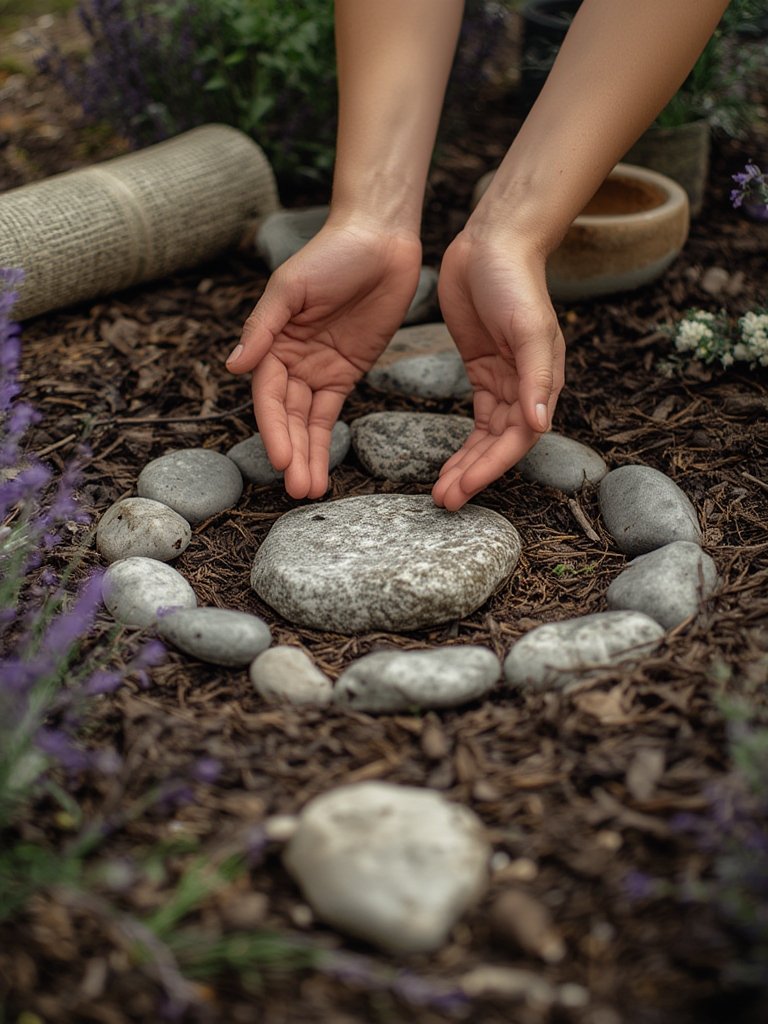
Advanced analysis and common pitfalls
Even well-intentioned garden wellness spaces can fall short. Here’s what research and real-world experience reveal about the leading obstacles:
- Underestimating initial costs: While the mental health benefits are clear, budget overruns are common. Material, plant, and furnishing costs vary widely by region and design complexity.
- Ignoring technical requirements: Weak privacy, insufficient weather protection, or slip-prone surfaces can undermine your sanctuary. For yoga or meditation, safe and level flooring is essential.
- Poor accessibility: Skipping step-free access and wide paths can exclude children, seniors, or those with mobility challenges.
- Failure to plan for maintenance: Without an efficient pruning tool and a realistic schedule, wellness gardens quickly become overgrown stressors.
- Lighting mistakes: Bright spotlights or poorly placed solar lights can ruin ambiance and waste energy.
- Choosing high-maintenance or invasive plants: Select tough, non-spreading species adapted to your local climate, ideally using a premium gardening tool set for upkeep.
| Pitfall | Common Result | Simple Fix |
|---|---|---|
| No privacy screening | Frequent distractions | Install trellis with climbing plants |
| Inadequate weather protection | Limited seasonal use | Add heavy-duty covers or plant windbreaks |
| High-maintenance plants chosen | Increased stress, more work | Opt for native perennials and low-maintenance species |
| Skip accessibility planning | Difficult entry, not inclusive | Install step-free paths, wider walkways |
| Neglect sound/ambiance | Urban noise intrudes | Add water features or tall grasses |
Research confirms that even small efforts-like spending just 20 minutes in a healing garden-can measurably improve mood, lower blood pressure, and encourage ongoing healthy behaviors (see meta-analysis). However, unaddressed design gaps can limit these gains. Be realistic about your resources and energy. If needed, start small and evolve your sanctuary over time; even a balcony or container setup can offer restorative benefits.
Conclusion
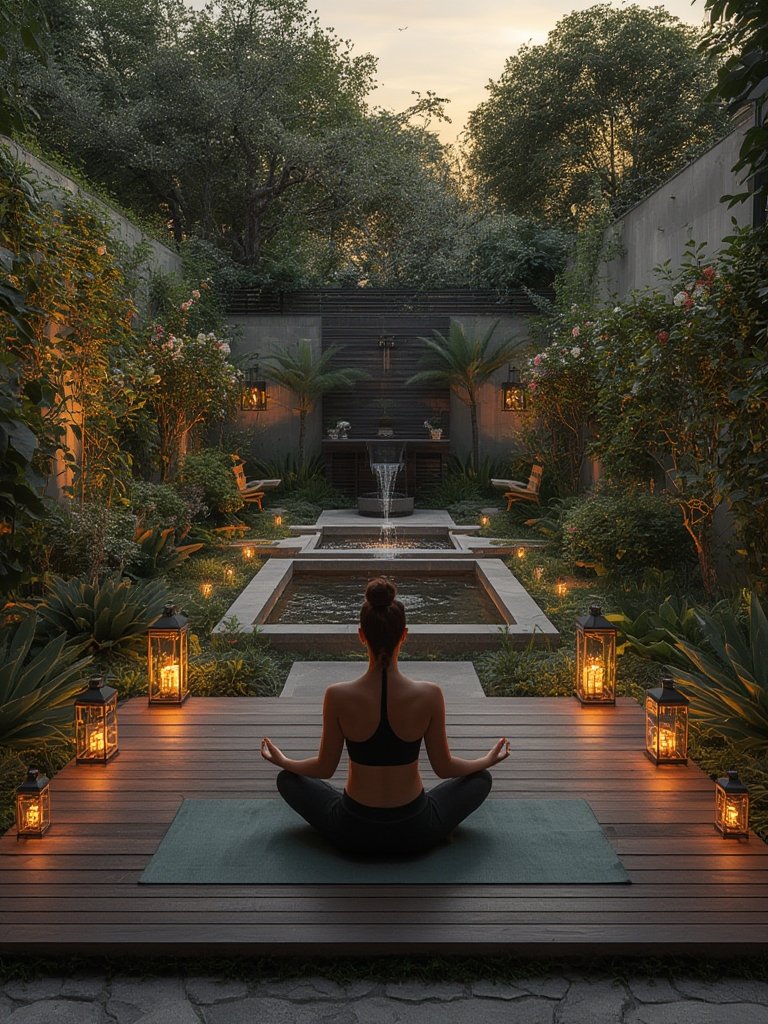
Building a functional garden wellness space is more than a backyard upgrade-it’s an investment in long-term strength, clarity, and peace. By grounding your decisions in research and considering privacy, accessibility, maintenance, and comfort, you set the stage for daily renewal. Don’t wait for next season: start your journey to a healthier home and mind with a garden wellness space you’ll use year round.
Ready to transform your yard into a personal sanctuary? Gather your garden tools and take the first step today-your mind and body will thank you.
Frequently asked questions
What are the key benefits of a garden wellness space?
Garden wellness spaces help reduce stress, improve mood, increase daily physical activity, and can lower the risk of chronic disease. They also foster mindfulness and social connection.
How much does it cost to create a garden wellness space?
Costs vary by location, size, and design. A DIY space with basic features might cost a few hundred dollars, while professionally landscaped retreats can range into the thousands. Start simple and scale up as your budget allows.
Which plants are best for mindfulness gardens?
Select low-maintenance, non-invasive plants that thrive in your climate. Native flowers, aromatic herbs (like lavender), evergreens, and sensory grasses are excellent choices for mindfulness gardens.
Do I need special tools or equipment?
No, but investing in ergonomic tools and comfortable seating or kneelers can make maintenance easier and more enjoyable. Options include pruning shears, a durable hand tool set, and safe storage for cushions or accessories.
How can I make my wellness garden usable year-round?
Include evergreen plants for off-season color, weather-resistant furniture, proper drainage, and lighting for shorter days. Small shelters or heavy-duty covers can also extend seasonal use.