


Heat tolerant perennials can transform sun-scorched yards into thriving gardens while slashing maintenance and water use. But not every plant on the “tough” lists lives up to the hype-let’s break down what really works, what doesn’t, and how to get long-lasting color year after year, even when summer temperatures spike.
Key Takeaways
- Choose heat tolerant perennials matched to your USDA zone, soil, and sunlight—don’t trust generic lists.
- Proper soil prep, site selection, and mulching are as critical as species choice for real resilience.
- Water savings are real but only if you avoid common pitfalls like crowding or over-fertilizing.
- What Makes a Perennial Heat Tolerant?
- Step-by-Step: Growing Heat Tolerant Perennials Right
- Advanced Analysis & Common Pitfalls
- Conclusion
- FAQ
What Makes a Perennial Heat Tolerant?
Not all perennials can handle sustained heat and drought, and even lists from plant tags or websites often miss the mark for your climate or soil. Heat tolerant perennials are species that not only survive but thrive when summers are intense, humidity is low or variable, and water is limited. This means they have deep roots, efficient water use, and proven records in sweltering growing conditions.
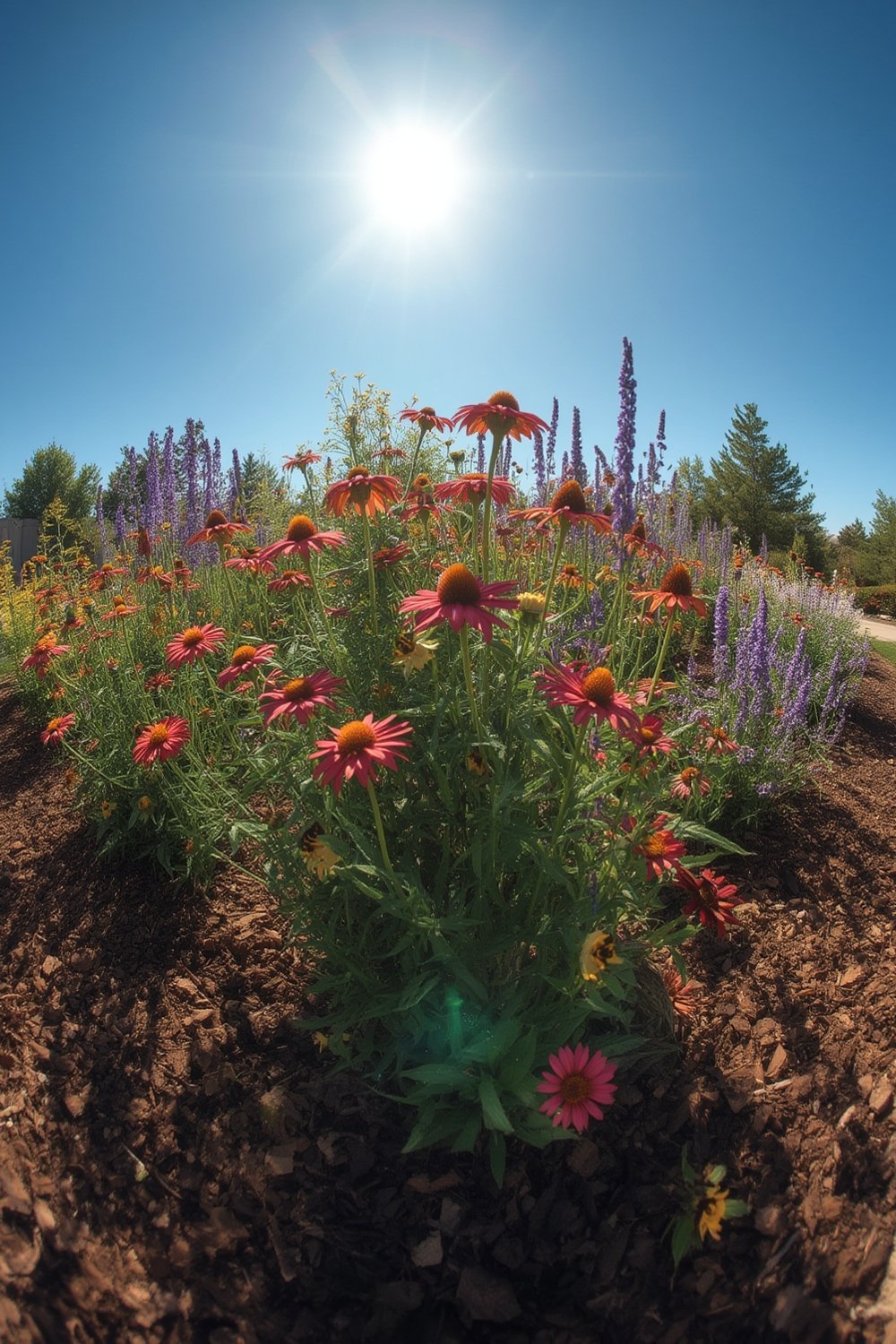
Classic options like coneflower (Echinacea purpurea), black-eyed Susan (Rudbeckia fulgida), Russian sage (Perovskia atriplicifolia), and agastache offer vivid blooms and persist through multi-year cycles in USDA zones 5-9. For southern gardeners (Zones 8-11), try lantana, salvias, and coreopsis. Adaptation to heat depends not just on survival, but on reliably flowering and looking good despite the stress of summer weather.
Why does it matter? As droughts and heatwaves become severe and water use restrictions grow common (see industry turf studies and remarks in USDA research), it’s essential to move beyond lawn-centric or thirsty perennial gardens to truly resilient plantings.
Benefits include sustained flowering, reduced turf areas (see our deep dive on native grass lawns), less irrigation, and lower long-term costs-a compelling mix for both new and established gardeners.
Step-by-Step: Growing Heat Tolerant Perennials Right
Success with heat tolerant perennials is about more than picking a tough plant. Here’s how to set yourself up for a thriving, low-maintenance garden-even as your neighbors’ yards wilt in midsummer.
- Pro Tip: When planting, water newly installed perennials deeply but infrequently-this pushes roots downward, making plants more resilient to long, hot spells and drought.
- Hacks & Tricks: Use decomposed granite, gravel mulch, or stones around your heat loving perennials to retain soil heat overnight and repel water from the stems, reducing fungal disease risk-even in humid climates.
- 1. Match Species and Zone: Double-check USDA zone compatibility for each perennial-not just for cold, but for heat. For example, blanket flower (Gaillardia) thrives in 5-10, while agave needs 8-11 semi-arid climates.
- 2. Soil Preparation: Loosen soil deeply and mix in coarse sand or pea gravel if native soil holds water or becomes compacted. Many heat-tolerant species (like lavender) detest soggy feet.
- 3. Amend, Don’t Overdo: Add well-rotted compost before planting, but avoid rich manures or fertilizers that promote lush leaves over roots. Established heat tolerant perennials are often happiest unfed.
- 4. Group for Efficiency: Plant in sweeps of three or more. Clumping heat-loving perennials like yarrow or sedum shades soil, reduces evaporation, and makes watering more efficient.
- 5. Mulch the Right Way: Apply 2-3 inches of organic mulch (shredded bark, pine needles, or straw) around—never against the base of-perennials. Mulch keeps roots cool, deters weeds, and locks in moisture during heatwaves.
- 6. Early Watering: In the first growing season, check soil moisture regularly and water deeply when top few inches dry out. Use a quality retractable garden hose for easy, targeted watering.
- 7. Pruning for Airflow: Trim faded flowers and crowded stems quickly (Fiskars Elite Bypass pruners work for small cuts) to prevent fungal issues, especially in humid climates after thunderstorms.
- 8. Minimal Fertilizer After Year 1: Once established, most heat tolerant perennials need no fertilizer-excess nitrogen weakens roots and increases water needs.
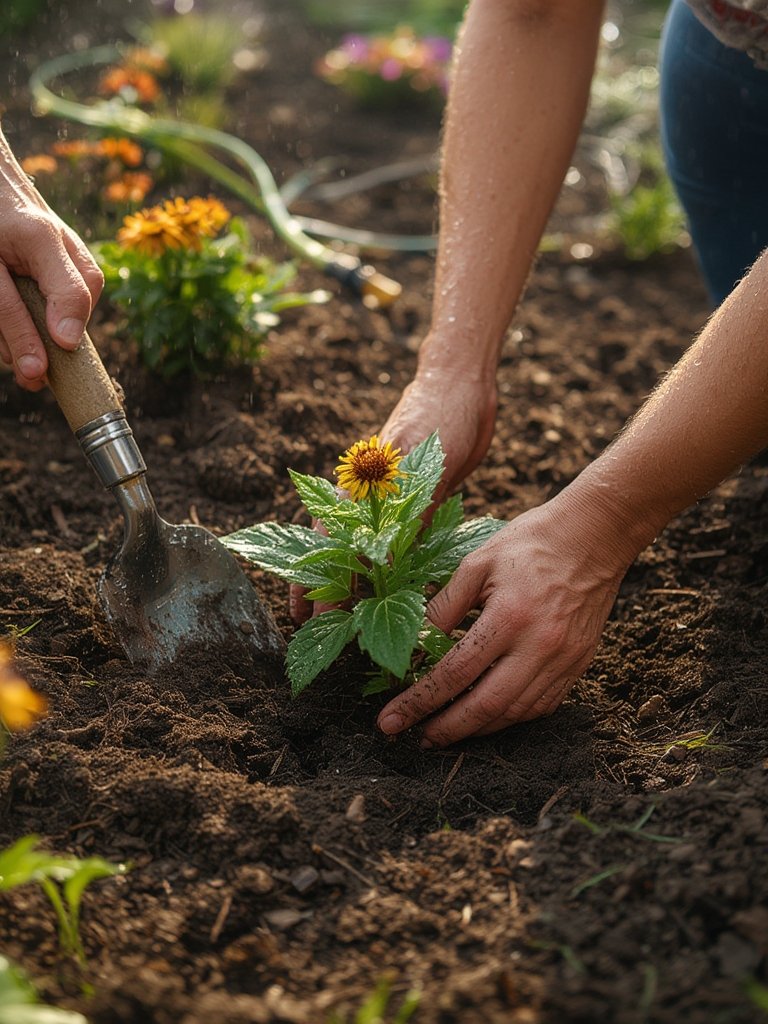
- 9. Monitor for Pests/Diseases: While heat stress usually deters most pests, occasional outbreaks of mites or leaf spot can happen during prolonged drought. Hand-pick, prune, or use targeted organic controls only if necessary.
- 10. Plan for Succession: Blend short-stature perennials like coreopsis in front, with tall blooms like Echinacea or Amsonia in the middle or rear, to keep color and structure all summer.
- 11. Tools Matter: Invest in durable hand tools (such as a heavy duty garden tool set) to speed up planting and make maintenance easier in hard, dry soil.
Want a deeper dive? Our drought tolerant landscaping guide covers advanced irrigation and layout strategies for larger spaces.
Advanced Analysis & Common Pitfalls
Even the best plant can fail if set up to struggle. Here’s what real gardeners (and the data) say goes wrong-with solutions to dodge these common missteps.
| Pitfall | What Happens | How To Fix |
|---|---|---|
| Crowding plants or using too much mulch | Plants suffocate, roots stay damp, risk of rot increases—especially for drought-adapted species | Space correctly, and keep mulch at least 2 inches from stems |
| Overwatering after establishment | Roots stay shallow, plants flop or die in later droughts | Water deeply but less often after Year 1 |
| Not adjusting for local soil quirks | Heavy clay or dense sand can both kill otherwise tough perennials | Amend soil or select species proven in your area (local extension websites are useful for research) |
| Choosing the wrong species for zone | Plants either fry in heat or fail to overwinter | Double check both summer and winter limits in reputable databases |
| Ignoring wind/sun exposure | Edges of beds or exposed slopes cook plants faster than central beds | Place toughest species in most exposed sites, or use low hedges for shade/wind protection |
| Over-reliance on “drought tolerant” claims from plant tags | Generic “tough” perennials often fail if not tested locally | Prioritize plants with proven track records in your region (search local forums or extension lists) |
Cost analysis from recent gardener reports and academic data suggest a typical heat tolerant perennial bed uses 50 to 75 percent less water than turf in year two and beyond-see warm season grass comparison studies. Upfront planting costs are higher, but break even after 2-4 years as water and fertilizer spending drop.
Also, not every “native” or “pollinator” perennial is automatically heat resilient. Always check for both heat and drought ratings, or use curated lists in expert guides like native pollinator plants when making your selections.
Conclusion
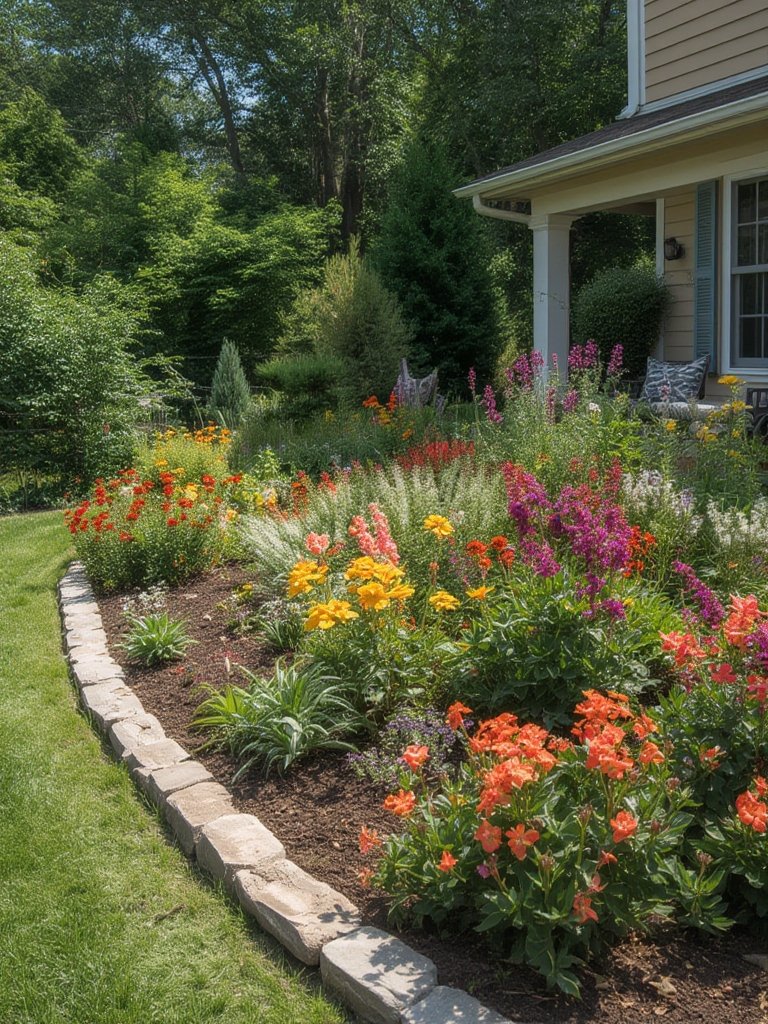
Heat tolerant perennials are the future of sustainable, beautiful gardens in any region facing hotter, drier summers. The right plant choices—combined with smart soil prep, proper mulching, and deep, infrequent watering-will pay off in lush blooms, pollinator activity, and major savings in time and money.
Start replacing thirsty lawns and struggling non-natives with the best heat tolerant perennials for your zone-backed by real-world data. Ready to take the next step? Browse our proven native grass lawn guide or see drought tolerant landscaping inspirations for your own property.
Don’t wait for the next heatwave: your resilient, waterwise landscape begins today with heat tolerant perennials.
FAQ
What heat tolerant perennials are best for full sun?
Some of the best options for full sun include coneflower, black-eyed Susan, Russian sage, coreopsis, yarrow, and blanket flower. Always match species to your exact USDA hardiness zone for reliable returns.
How much water do heat tolerant perennials really save?
Once established, these perennials typically use 50 to 75 percent less water than lawns or non-native flower beds, as shown in research on warm-season turf. Actual savings depend on soil, climate, and plant spacing.
Can I grow heat tolerant perennials in containers?
Yes, but containers heat up and dry out much faster than the ground. Choose larger pots, use well-draining potting mix, and water more often in hot spells. Consider a self-watering insert or mulch to reduce evaporation.
Will deer eat heat tolerant perennials?
Many heat tolerant species are deer resistant (like Russian sage and agastache), but hungry deer will try almost anything in drought. Use fencing or repellents if browsing pressure is heavy.
Do I need to fertilize these perennials each year?
No. Most heat tolerant perennials perform best with minimal feeding after their first year. Too much nitrogen encourages weak growth and increases water need.