


Native grass lawn transformation is gaining momentum as homeowners seek low-water, resilient alternatives to traditional turf. But what does it really take to install and maintain a native grass lawn, and is it truly as simple as it sounds? Here’s what you need to know—plus a realistic breakdown of the challenges, costs, and benefits in 2024.
Key Takeaways
- Switching to native grass lawns can slash water usage by up to 60%, but upfront costs are substantial and payback is slow.
- Native grass lawns require different care routines and appearance expectations—don’t expect a uniform “green carpet.”
- Allergies, pet-friendliness, and long-term weed management are often overlooked but essential considerations.
- Understanding native grass lawns: What and why
- How to replace traditional turf with a native grass lawn
- Common pitfalls, real-world drawbacks, and advanced analysis
- Conclusion
- FAQ
Understanding native grass lawns: What and why
Native grass lawns are composed of grass species indigenous to your region rather than high-maintenance imported turf grasses. The biggest appeal: substantial reductions in water usage and upkeep. Traditional turf often needs constant mowing and irrigation, while native grasses evolved to thrive on local rainfall and minimal intervention. This switch can cut irrigation needs by up to 60%, save on utility bills, and foster healthier ecosystems.
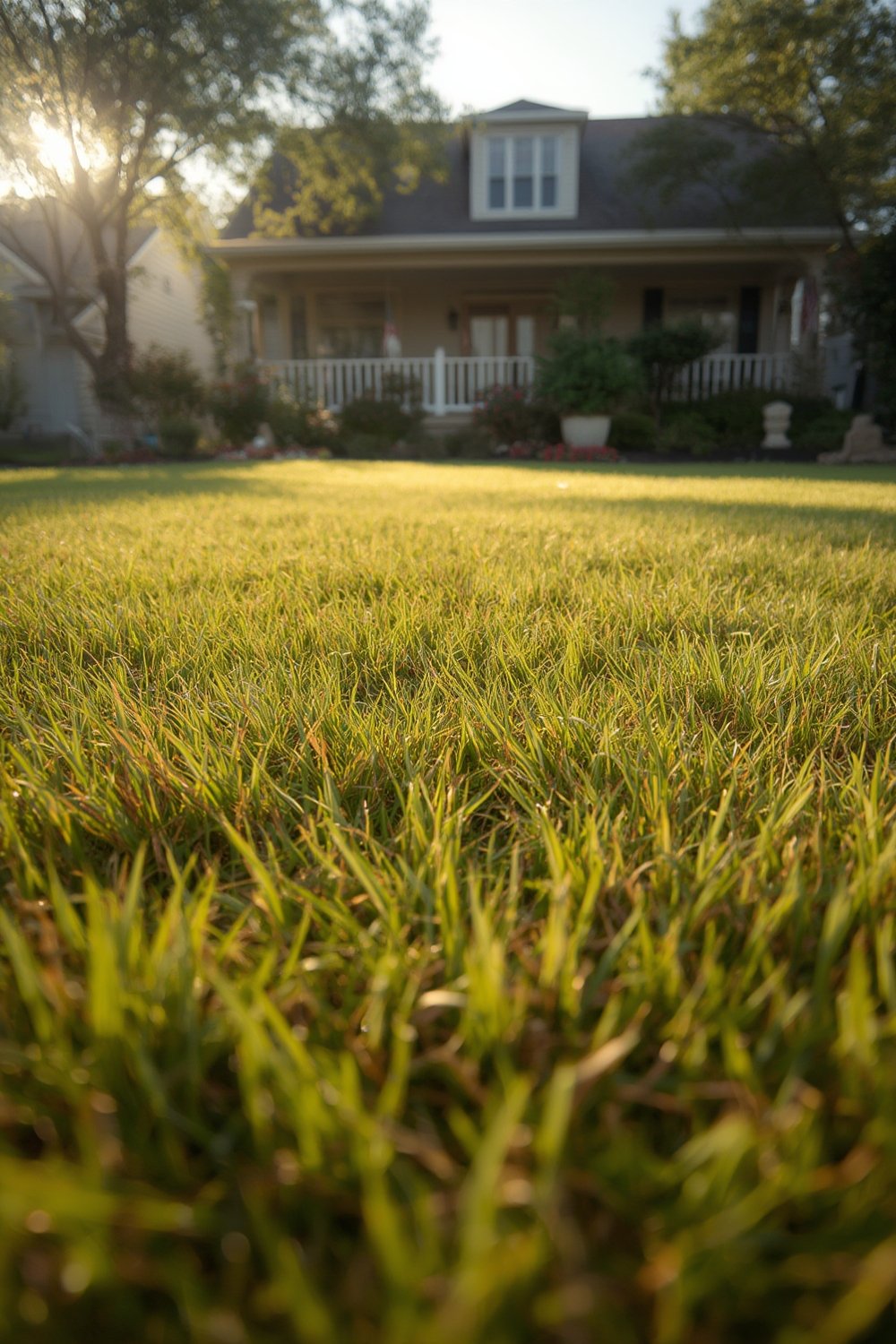
According to recent data from UC Davis, a household can expect to save around $46 per year in water costs after converting to native plants, while reducing annual water use by 60%. Nationwide, landscape irrigation makes up nearly a third of all residential water use (almost 9 billion gallons per day), and native grasses are a proven way to address this water drain. But water is only part of the story: native grass root systems run 10–15 feet deep, compared to a mere 1–2 inches for most turf, enabling superior stormwater absorption and drought resilience.
How to replace traditional turf with a native grass lawn
Ready to transition to a native grass lawn? Here’s a realistic, actionable guide:
- Kill off existing turf. Remove your current lawn—either manually, with a stand up weed puller (see top tools), or using herbicide such as Roundup. Budget roughly $30 per 300 square feet for herbicide applications, typically applied 3 to 4 times.
- Prepare the soil. Rake and remove leftover roots. Aerate compacted areas if drainage is poor. Use heavy-duty garden hand tools for this step (good set found here).
- Install irrigation (optional but recommended). Consider a drip system with smart controls—initial install can cost $3,960 to $9,000 depending on complexity, according to case studies.
- Select the right native grass seed or plugs. Consult local nurseries for region-appropriate choices. Buffalo grass and blue grama are Western favorites; Kurapia offers near-turf appearance.
- Plant during optimal season. Early fall or spring maximize root establishment before summer stress hits.
- Mulch and water deeply. Right after planting, apply a thin mulch layer to suppress weeds and water deeply to encourage root growth. Shift irrigation toward “infrequent, deep soaks” as plants mature.
- Initial weed management. Expect to weed persistently for 2–3 months post-install—Kurapia lawns, for example, require diligent early weeding.
- Mow sparingly and monitor coverage. Most native lawns need mowing only 3–4 times yearly. Watch for bare patches and overseed or replant as needed.
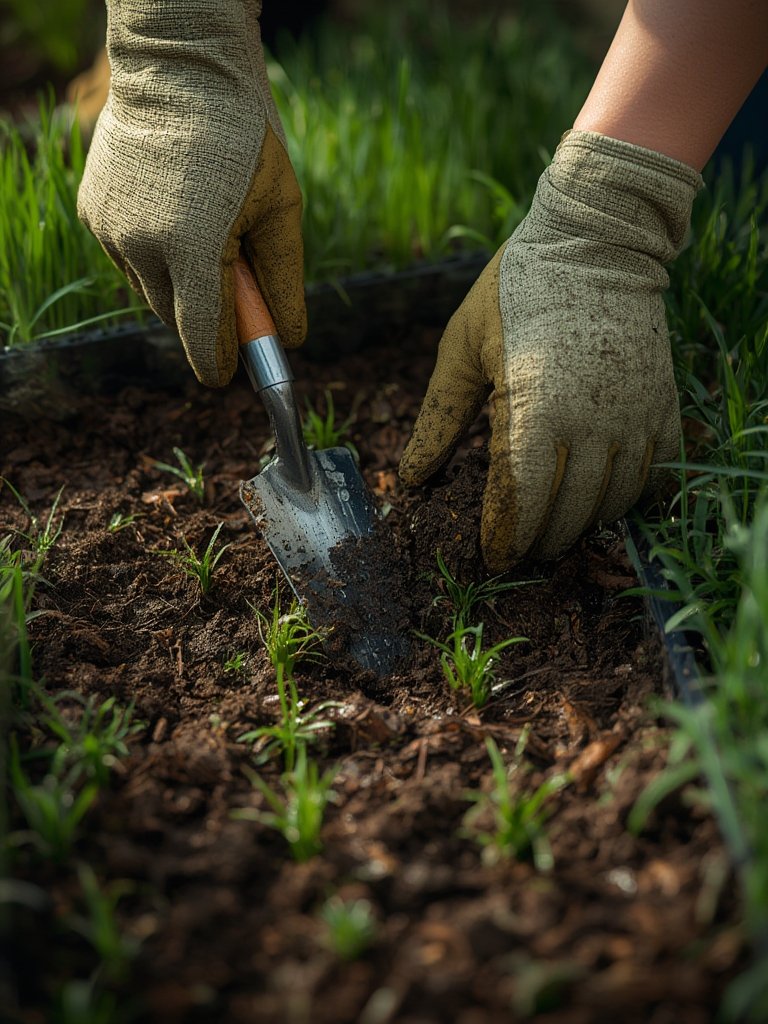
For ongoing maintenance, expect to mow a native grass lawn as little as three to four times a year, with spot irrigation or weeding as needed. Consider adding pollinator-friendly border plants (see inspiration) to boost biodiversity and curb appeal.
Common pitfalls, real-world drawbacks, and advanced analysis
Before you go all-in on native grass, it’s essential to weigh the realities not covered in most marketing brochures.
Comparison: Native Grass Lawns vs Traditional Turf
| Aspect | Native Grass Lawn | Traditional Turfgrass |
|---|---|---|
| Annual Water Use (per UC Davis) | 422 acre-feet/year | 1,407 acre-feet/year |
| Mowing Frequency | 3–4 times per year | Weekly in growing season |
| Root Depth | 10–15 feet | 1–2 inches |
| Typical Installation Cost | $3,960–$9,000 | $1,500–$3,000 (new sod) |
| Payback Period | Approx. 23 years | Never (higher water cost) |
| Weed Management | High at establishment, low once mature | Medium |
| Aesthetics | Natural, patchy, varied height | Uniform, dense carpet |
| Compatibility with Dogs | Varies (see more below) | Generally tolerant |
Biggest pitfalls (and how to avoid them)
- Overwatering: The top killer of new native lawns is using frequent, shallow turf irrigation routines. Deep, infrequent watering is essential for robust root development, per UC Riverside’s Jim Baird.
- Weed invasion during establishment: Native lawns need dedicated weeding in the first season—use a high-quality weed puller for less back strain. Left unchecked, weeds or even invasive turf grasses can overtake expensive installations.
- Misaligned expectations: Native grass lawns won’t deliver a “golf course” look. They often have texture, color variation, and occasional bare patches. Some cultivars, such as Kurapia, mimic turf from a distance but not close up.
- Slow ROI: Current data shows financial payback requires patience—it may take over 20 years before water savings total the upfront cost.
- Allergen considerations: Many native grass species are wind-pollinated and could produce more pollen than the ryegrass/fescue blends in traditional lawns, which may irritate allergy-prone households.
- Pet-friendliness: Some natives (like buffalo grass) are tough, but others may not withstand heavy dog use or digging. Always research specific species for durability and ensure they’re non-toxic to pets.
- Regional adaptation: Not every native species is suited for every microclimate. Consult local extension offices or seed companies to match the right cultivar to your USDA zone.
If you’re not ready to totally give up easier maintenance or play areas, drought-tolerant turf alternatives such as the hybrid TifTuf Bermuda may offer a useful compromise, providing some traditional resilience with reduced water needs.
Conclusion
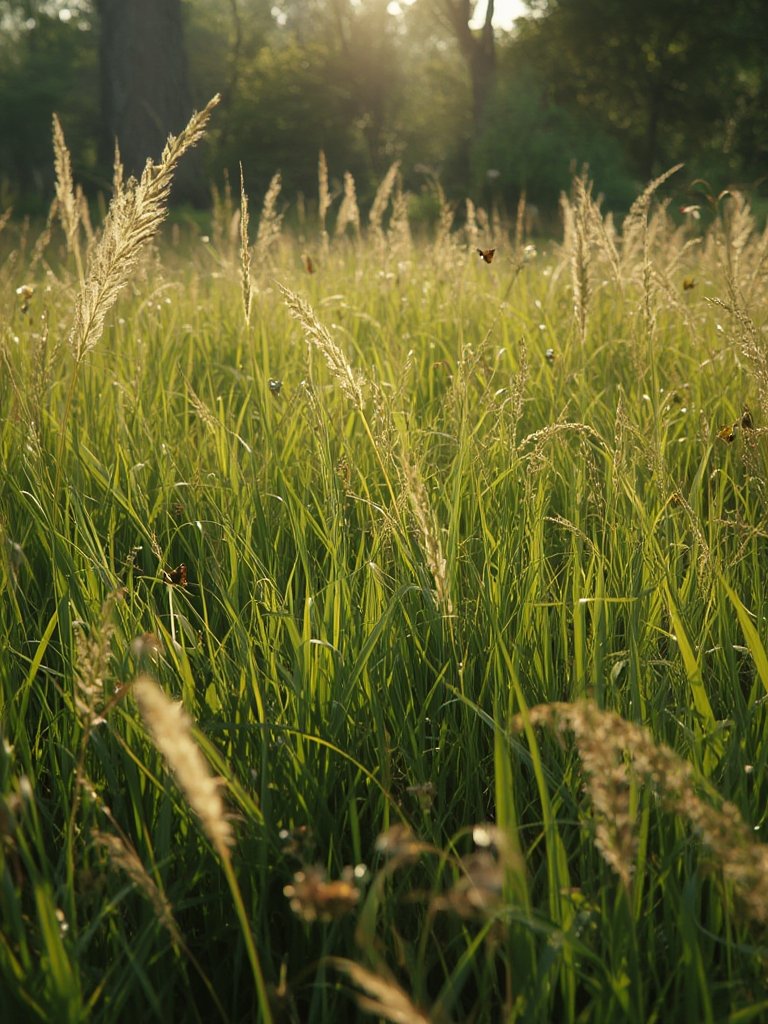
Switching to a native grass lawn is a major commitment—both upfront and for ongoing maintenance. You’ll save water, mow less, and support local wildlife, but should anticipate a long payback period and a less formal look. The most successful transformations come from those who adjust their expectations, choose regionally adapted species, and embrace a wilder, low-input aesthetic.
Ready to upgrade to a more resilient yard? Consider your goals, budget, and climate, and research which native grass lawn option will thrive in your region. Start planning today!
FAQ
Are native grass lawns safe for pets?
Some native grasses, like buffalo grass, hold up well under dog traffic, but others may struggle with digging or heavy use. Always check the species for pet toxicity and durability before planting.
Do native grass lawns help with allergies?
Allergen levels vary among native grass species. Some, such as blue grama, may create more airborne pollen than certain turf blends. If you or your family are allergy-sensitive, opt for lower-pollen varieties or discuss alternatives with your local nursery.
How long does it take for a native grass lawn to establish?
Expect several weeks to several months for a native grass lawn to establish full coverage, particularly from seed. Plugs or sod can speed this up. Regular weeding and watering are critical in the establishment phase.
Do native grass lawns stay green year-round?
Many native warm-season grasses go dormant and brown in winter. If year-round green is a must, consider cool-season natives, a species mix, or alternatives like Kurapia which retain green color much longer.
Are native grass lawns really maintenance-free?
No lawn is truly maintenance-free. Native grass lawns require significantly less mowing and irrigation but do need initial establishment care, ongoing weed control, and periodic patching or overseeding.