


Parkway garden transformations are quickly becoming the go-to solution for adding color, pollinator habitat, and neighborhood value to neglected street-side strips. But as city-dwellers rush to turn these “hellstrips” into vibrant gardens, what actually works, where are the pitfalls, and how can you maximize results on the curb?
Key Takeaways
- Parkway gardens can dramatically boost urban pollinator diversity and benefit neighborhoods, but not all conversions are straightforward.
- Native plants and stepwise preparation are essential for long-term, low-maintenance curb appeal.
- Legal barriers, soil quality, and public foot traffic present common, realistic challenges-smart planning and practical tools can help.
- What is a parkway garden and why does it matter?
- How to create a parkway garden: actionable blueprint
- Real-world pitfalls, limitations, and troubleshooting
- Conclusion
- Frequently asked questions
What is a parkway garden and why does it matter?
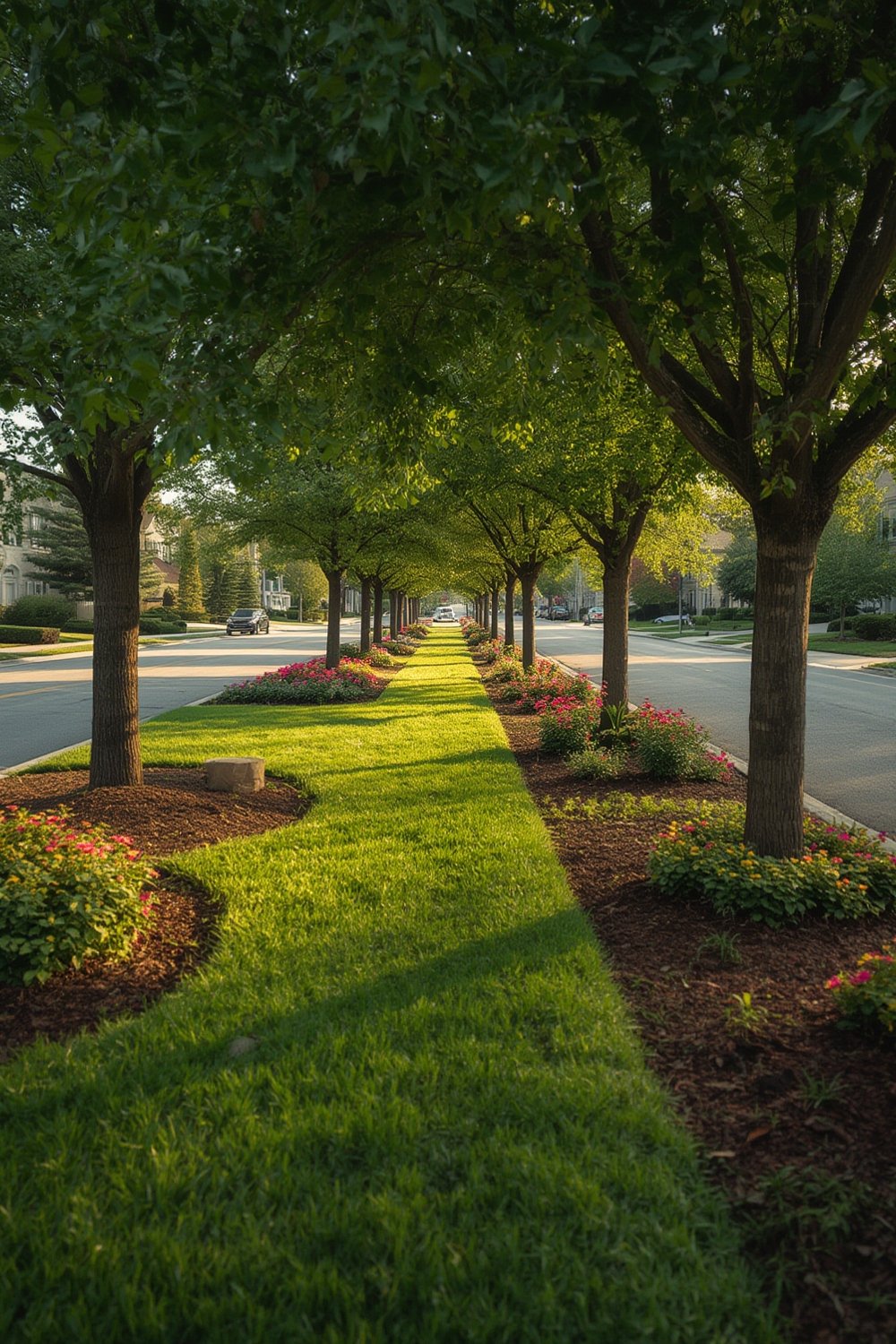
A parkway garden (sometimes called a hellstrip or boulevard garden) transforms the grassy or bare strip between a sidewalk and the street into a mini habitat. Traditionally, these strips are compacted, weedy, and forgotten. Yet, when replanted thoughtfully, they can support native pollinators, manage stormwater, and add curb appeal-without consuming much space or water.
Recent research from Vancouver demonstrates that rewilding even small city spaces-such as a typical parkway garden-leads to measurable gains in pollinator diversity, with one study showing a 34 species increase at restored sites versus mown lawns source. Pollinator gardens are often richer in species than monoculture lawns or nearby rural land source, meaning even small urban projects can have an outsized local impact.
Beyond ecological value, these gardens cut down maintenance, use less water, and can elevate neighborhood aesthetics. The right parkway garden can also raise home values, though bottom-line metrics and legal barriers vary by city and block.
How to create a parkway garden: actionable blueprint
Ready to convert that compacted strip of grass into a resilient pollinator oasis? Follow these proven steps—plus a few underground tricks for maximum success.
- Assess your site: Measure your parkway strip. Determine sunlight hours (full sun is best for most pollinator plants). Gauge how much foot traffic or dog-walking occurs—this will influence plant choices.
- Check soil and water access: These strips often suffer from compaction and poor soil. Test drainage and amend with compost if necessary. Consider hand tools or a mini chainsaw or bypass pruning shears for quick shrub removal or root trimming.
- Remove turf and weeds: For thick grass, sheet mulching (layers of cardboard and compost) can suppress regrowth without chemicals. Hand digging is tedious but effective long-term if done thoroughly. Use a heavy-duty garden tool set for digging, edging, and leveling.
- Source local, native plants: Whenever possible, select low-growing, tough native perennials from your region for best resilience and pollinator value. Tap into guides like our native pollinator plants guide for region-specific recommendations.
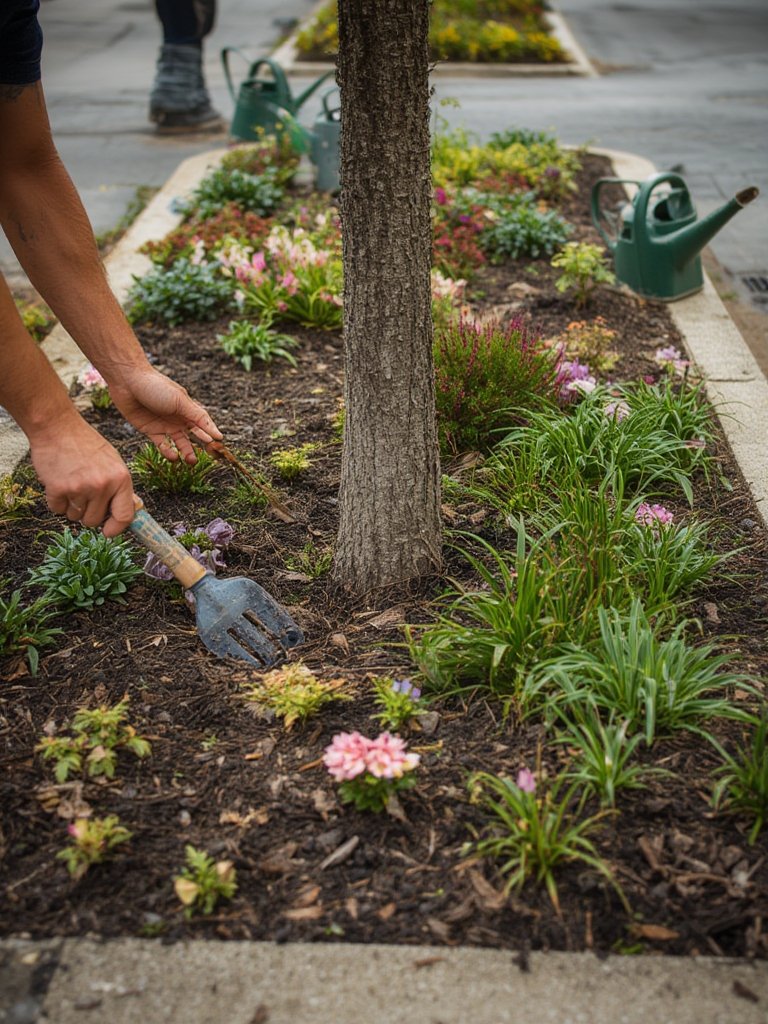
- Install edging and plant: Use stone, steel, or recycled plastic edging to protect beds from foot traffic and mowing. Group similar-height plants together and allow room to walk or exit cars. For added interest, alternate seasonal bloomers for year-round impact.
- Mulch and water in: Apply a thick layer of shredded hardwood mulch to conserve water and limit weeds. Water deeply for the first season until plants are established, then taper off for a drought-tolerant strip.
- Maintain and educate neighbors: Install a small sign explaining the purpose of the garden to encourage respect and deter trampling. Occasional weeding and deadheading will keep things tidy and healthy. If planting taller species, keep the center low and the tallest at the far ends to protect road views.
Bonus: Consider solar lights or low-profile solar pathway lights to highlight garden edges and reduce tripping risks after dark.
Real-world pitfalls, limitations, and troubleshooting
Parkway gardens are rapidly gaining popularity, but practical hurdles often surprise first-time planters. Drawing on recent research and real-world reports, here’s what to watch for-and how to avoid costly headaches.
| Challenge | Potential Problem | Best Workaround |
|---|---|---|
| Legal Restrictions | Cities may ban tall plants, edibles, or certain species in street verges—to maintain visibility and traffic safety. | Always check current city guidelines. Opt for short, spreading natives. Contact city officials if in doubt. |
| Poor Soil Quality | Compacted or salty soil kills many seedlings and limits drainage. | Add at least two inches of compost before planting. Choose species known for “hellstrip” performance. |
| Foot & Dog Traffic | Trampling and pet waste can kill young plants or hurt pollinator populations. | Be strategic: keep main paths open, use signage, and plant tough groundcovers at the edges. |
| Upfront & Maintenance Costs | Native plugs and edging can be expensive; municipal fines for noncompliance can add up. | Host neighborhood swaps, apply for community grants, and budget for DIY tool investments. |
| Water Scarcity | Lack of irrigation makes it tough for new plantings to survive drought. | Time planting for spring rains. Consider drought-tolerant choices from our drought tolerant landscaping guide. Set up a smart irrigation system if possible. |
| Vandalism or Neglect | Plants get pulled or trampled, especially before established. | Install discreet cameras or motion-activated lights. Involve local schools or garden clubs for care and visibility. |
Surprisingly, some studies note that non-native weeds (like dandelion and clover) are heavily visited by pollinators source. Still, regional native plants will generally provide greater support for local bee and butterfly species source.
Conclusion
A successful parkway garden is the ultimate win-win for pollinators, property owners, and neighborhoods. With realistic prep, smart plant choices, and a little community outreach, you can sidestep most headaches and create a landscape asset that keeps giving. Whether you’re working with a sunny strip or a shaded patch, planting a parkway garden is one of the most practical steps you can take for urban biodiversity-and your own curb appeal.
Ready to dig in? Check your city’s rules, gather your native plants, and start transforming your street-one strip at a time. Need advanced tools? Compare our top picks for mini chainsaws, heavy-duty garden tools, or explore our native pollinator plant guide to make the process even smoother.
Frequently asked questions
How do I choose the right native plants for my parkway garden?
Start with what’s local to your region. Contact your local native plant society or use our Native Pollinator Plants Guide for zone-specific options. Focus on drought-tolerant, low-growing perennials for best survival rates.
Will city inspectors fine me for planting a parkway garden?
It depends on local ordinances. Many cities have specific guidelines regarding plant height, species, and required setbacks from curbs or sidewalks. Contact your city’s permitting office before starting, and request compliance information in writing.
How do I protect my garden from foot traffic or pet damage?
Install low edging and signage, use tough groundcovers like creeping thyme along the borders, and place stepping stones where pedestrians are likely to walk. Engaging local neighbors about the garden’s benefits can increase buy-in and reduce damage.
How much will a parkway garden cost?
Costs vary widely. DIY installation using donated plants and hand tools can keep costs under $100, not including mulch. Professionally landscaped versions with edging, irrigation, and mature plants may cost several hundred dollars or more.
What’s the maintenance like after the first year?
After establishment, native parkway gardens require minimal maintenance: occasional weeding, annual mulch top-ups, and possibly deadheading or trimming in spring. Drought-tolerant species can get by with little to no supplemental watering after their roots are well developed.