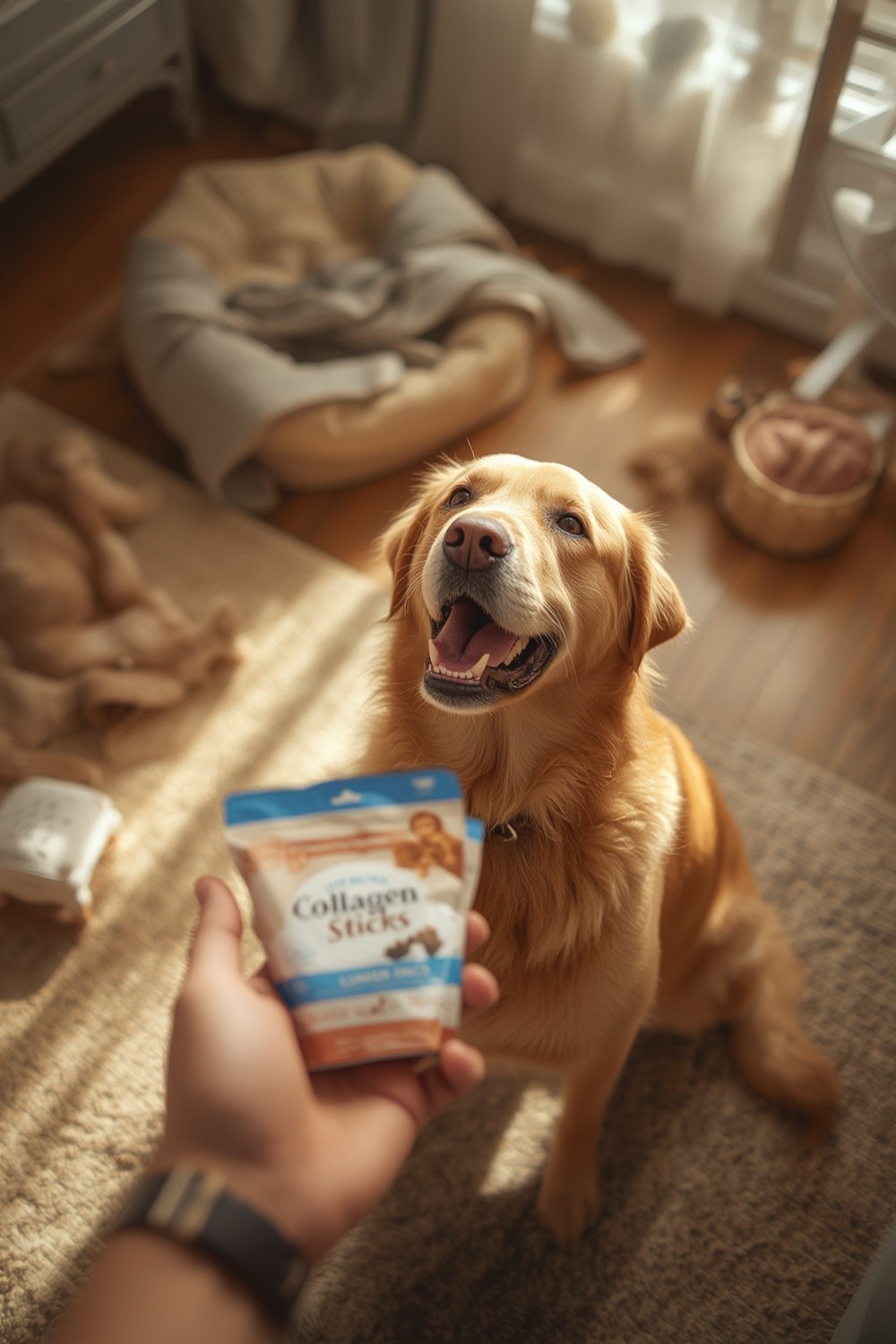
collagen sticks for dogs are everywhere in pet stores, but are they really the joint and dental health miracle some brands claim? Here’s what owners should know before buying these chews, including what actual research and veterinary experts (not just marketers) are saying as of 2024.
Key Takeaways
- There are no peer-reviewed clinical trials testing branded collagen sticks for dogs’ joint or dental health outcomes as of 2024; most benefits are extrapolated from generic collagen supplement and chew studies.
- Digestive upset, choking risks, and calorie density are common pitfalls; some products may be indistinguishable from rawhide chews.
- Pick only high-quality, transparently sourced, size-appropriate collagen chews, and consult your vet if your dog has health issues or is on a special diet.
- What Are Collagen Sticks for Dogs? Core Concept Explained
- How to Safely Use Collagen Sticks for Dogs: Step-by-Step Guide
- Advanced Analysis & Common Pitfalls with Collagen Sticks
- Conclusion: Should You Give Collagen Sticks to Your Dog?
- Frequently Asked Questions about Collagen Sticks for Dogs
What Are Collagen Sticks for Dogs? Core Concept Explained
Collagen sticks for dogs are chew treats made from concentrated animal collagen — typically sourced from the inner layer of beef hide, sometimes called corium. They’re marketed as a “joint-supporting” and “dental-cleaning” alternative to traditional rawhide, bully sticks, or commercial dental chews. The idea: chewing collagen provides building blocks for your dog’s cartilage and helps scrape plaque from teeth.

Unlike clinical joint supplements (usually soft chews or powders containing type II collagen), collagen sticks are dense chews designed for mechanical action. They’re high in protein, low in carbs, and tend to cost similar to bully sticks.
While they’re widely promoted for joint and dental benefits, it’s important to know there are currently no peer-reviewed studies on collagen sticks themselves for dogs, as of 2024. All benefits are inferred from related, not identical, research and generic chewing studies.
Some owners use collagen sticks as a longer-lasting treat—hoping for both dental cleaning and joint support—while seeking an option with fewer questionable chemicals than traditional rawhide. However, risks like choking, GI upset, and misleading labeling remain concerns, which we’ll cover in depth below. If your goal is fresh dog breath, you may also want to consider dedicated dog dental powders or other VOHC-approved chews.
How to Safely Use Collagen Sticks for Dogs: Step-by-Step Guide
Using collagen sticks for dogs can be simple-but the difference between a healthy treat and a costly vet bill comes down to details. Below is a best-practice, evidence-informed guide for introducing and using these chews responsibly:
- Choose a high-quality collagen chew: Look for:
- Single-animal/source labeling, like “grass-fed beef collagen.”
- Made in countries with strict standards (e.g., USA, EU), batch testing info, and no artificial colors or preservatives. Many brands look similar to rawhide, so review the ingredient panel, not just marketing claims. For in-depth sourcing transparency, check out consumer discussions here.
- Products with clear feeding guidelines and calorie information. Dogs prone to weight gain need careful treat-calorie monitoring—always calculate calories per treat in your dog’s daily intake, especially if feeding other treats or freeze dried dog food.
- Pick the right size and hardness: Get a chew proportionate to your dog’s weight and chewing style. Avoid sticks that are too small (choking hazard) or so hard your dog can’t dent it (tooth fracture risk). Small and toy breeds should get thin sticks; heavy chewers need denser products.
- Introduce slowly—especially for sensitive dogs: Some dogs get GI upset (vomiting, diarrhea, gas) after eating collagen products—particularly if given too much, too soon. To minimize risk:
- Offer a small portion (about 1/4 to 1/2 stick) the first time.
- Wait 24 hours and monitor for any signs of digestive discomfort.
- Gradually increase portion size over a week if no issues appear. If you see soft stool or vomiting, stop and try probiotics for dogs to rebalance gut health before reintroducing.
- Supervise every chew session: Never leave your dog unsupervised. Remove the collagen stick once it becomes small enough to swallow whole, or soft/gelatinous. Swallowing chunks is the main cause of choking and GI blockages, sometimes requiring emergency veterinary intervention [source].
- Limit frequency and portion size: Most collagen sticks are calorie-dense. For a 30-pound dog, even one stick can represent a large portion of daily treat calories. Limit usage to once or twice weekly, unless your vet okays more frequent use. Always adjust meal portions if giving high-calorie treats.
If your dog is on a weight-loss, kidney, or liver diet, consult your veterinarian before offering collagen chews. - Replace or rotate chews for dental benefit: Collagen sticks are not a substitute for brushing or VOHC-approved dental products. Rotate with other textures or use in conjunction with dental powders for more complete oral care. Explore dog breath freshening powders or enzymatic chews for variety.

Monitor for adverse reactions each time. If signs of digestive trouble, allergic reaction, or tooth damage arise, discontinue use and discuss with your veterinarian. For dogs with a history of GI obstruction, severe gulping, pancreatitis, or dental disease, these sticks may not be appropriate—alternative chews or treats such as calming chews for dogs or soft treat options are often safer. Clean water should always be available after chewing sessions to flush debris and help with digestion.
Advanced Analysis & Common Pitfalls with Collagen Sticks
Not all collagen sticks are created equal, and many common owner mistakes can lead to messy, stressful, or costly problems. Here’s a breakdown based on current veterinary and consumer reports:
Common Pitfalls (and How to Avoid Them)
- Assuming all collagen chews are “safer than rawhide”: Many are processed similarly to rawhide; some contain preservatives or trace chemicals from manufacturing. If transparency or clear labeling is lacking, opt for proven alternatives or avoid entirely.
- Not reading ingredient and calorie panels: Some collagen sticks are extremely calorie-dense (upwards of 70–150 kcal per large stick). For small, senior, or overweight dogs, this can easily contribute to weight gain. If your dog is already on a diet, limit these treats or choose formulated joint supplements for cats and dogs with defined dosages.
- Expecting joint or dental miracles: As of 2024, no published studies show that collagen chews (sticks) reduce arthritis pain or dental plaque more than any other chewy treat. Use for fun and chewing, not as a replacement for real dental care or clinical joint supplementation.
- Feeding to dogs with known sensitivity or medical restrictions: Dogs with GI issues, pancreatitis, protein allergies, kidney/liver problems, or history of foreign body surgery are at increased risk with collagen treats. Always seek vet advice before adding new chews to strict diets.
- Ignoring dog’s chewing style: Aggressive chewers may break or swallow dangerous chunks; picky dogs may refuse some brands entirely. Experiment with brands and monitor closely until you know what works for your dog.
Comparison Table: Collagen vs. Other Chews
| Chew Type | Average Cost (US$/stick) | Durability | Calories | Main Risks | Notable Features |
|---|---|---|---|---|---|
| Collagen Stick | 1–4 | Minutes– 1 hour | High (often 70–150/stick) | GI upset, obstruction, choking | High-protein, marketed for joints |
| Bully Stick | 2–8+ | Minutes– hours | High | Obstruction, calorie load, odor | Single-ingredient, long-lasting |
| Dental Chew (VOHC-style) | 0.5–2 | Few minutes | Moderate, labeled | Choking rare, quickly consumed | Enzymatic, validated for plaque |
| Yak Chew | 2–8+ | Hours–days | High | Tooth/slab fracture (very hard) | High-protein, long-lasting |
When Collagen Sticks Are NOT Recommended
- Puppies under 3 months old
- Dogs that gulp treats or have prior GI obstruction
- Any dog with food allergies to the source animal (beef, pork, fish, etc.)
- History of pancreatitis, chronic GI disease, or protein-restricted prescription diets
- Senior dogs with fragile teeth or advanced dental disease (risk of tooth fracture)
- Dogs struggling with weight management or obesity
For cleaning up after chews, especially with power chewers, consider tools like a carpet rake, since collagen bits can stick to rugs or furniture. For dog parents seeking a total digestive and dental plan, pairing chews with probiotics for dogs or switching up to a highly digestible diet may minimize messy complications.

Conclusion: Should You Give Collagen Sticks to Your Dog?
Collagen sticks for dogs fill a niche for longer-lasting, protein-heavy chews that some owners prefer over traditional rawhide or starch-based dental treats. But the reality is, as of 2024, there is no direct scientific evidence proving collagen sticks improve your dog’s joint health or dental hygiene compared to other chew types. The main benefits—dental cleaning and joint support—are extrapolated from generic chewing studies and joint supplement research, not actual trials of the sticks themselves.
Potential downsides include digestive upset, choking or obstruction, allergy risk, and unwanted weight gain. If you want a safer, more nutritious chew for your dog, pick only high-quality, transparently sourced collagen sticks, start slow, monitor closely, and always consult your vet if your dog has medical concerns. For daily dental hygiene, a combo of brushing and validated dog breath freshener powders or gut health chews may provide more reliable results.
Ready to try collagen sticks for dogs? Review ingredient panels with skepticism, use in moderation, and keep your vet in the loop—your dog’s health (and teeth) will thank you.
Frequently Asked Questions about Collagen Sticks for Dogs
Are collagen sticks safe for all dogs?
Most healthy adult dogs can try collagen sticks, but they should never be given to very young puppies, dogs with prior GI obstructions, food allergies to the source animal, chronic illnesses (like pancreatitis or kidney disease), or dogs that aggressively gulp treats. Always check with your veterinarian for dogs with medical issues.
Do collagen sticks actually help my dog’s joints or teeth?
There are no clinical trials as of 2024 proving that collagen sticks themselves improve canine joint health or reduce dental plaque. Some generic collagen supplement studies show benefits for osteoarthritis in powder form, and chewing in general can reduce plaque, but these outcomes are not confirmed for collagen sticks specifically.
How many collagen sticks should I give my dog?
Collagen sticks are calorie-dense, so limit to one stick (or less) per week for small and medium dogs, and up to two per week for large dogs—always factoring in overall treat calories. Adjust meals accordingly to prevent weight gain, and follow the feeding guidelines from the product package.
What should I do if my dog has digestive upset after collagen chews?
Stop offering the chew immediately. Give your dog’s stomach a day or two to recover, provide plenty of fresh water, and consider using a high-quality probiotic supplement to help restore balance. Consult your vet if symptoms persist or are severe.
Can I use collagen sticks as a replacement for brushing my dog’s teeth?
No. While chewing collagen sticks may help reduce some plaque by mechanical action, they are not a substitute for regular tooth brushing or VOHC-approved dental products. For optimal dental hygiene, combine chews with brushing and/or dental hygiene powders.