


Freeze dried dog food is rapidly changing what premium canine nutrition looks like, but is it really better than air dried, dehydrated, raw, or fresh options? This guide delivers data-driven answers, real user complaints, cost breakdowns, and expert analysis to help you decide if this trending alternative is worth the hype-or the expense.
Key Takeaways
- Freeze dried dog food is the fastest-growing premium segment, boasting a projected 6.6% CAGR through 2034-but it remains more expensive than most other alternative dog foods.
- Repeated user complaints include palatability issues, GI upset during transition, and unclear labelling about ingredients or feeding completeness.
- Freeze dried diets keep more heat-sensitive nutrients versus baked or dehydrated food, but safety and cost are real challenges that demand close attention.
- What Is Freeze Dried Dog Food and Why Consider It?
- How to Introduce Freeze Dried Dog Food: Step-by-Step
- Advanced Analysis & Common Pitfalls
- Conclusion
- FAQ
What Is freeze dried dog food and why consider it?
Freeze dried dog food is a shelf-stable, minimally processed format that removes moisture through sublimation at low temperatures. This process preserves nutrients and natural flavors more effectively than baking or conventional dehydration. Owners choose freeze dried formulas for their raw-inspired nutrition, easy storage, and mess-free handling. The segment is outpacing traditional kibble, appealing to premium buyers who want “fresh-like” diets without the hassle of refrigeration or heavy, frozen packaging.
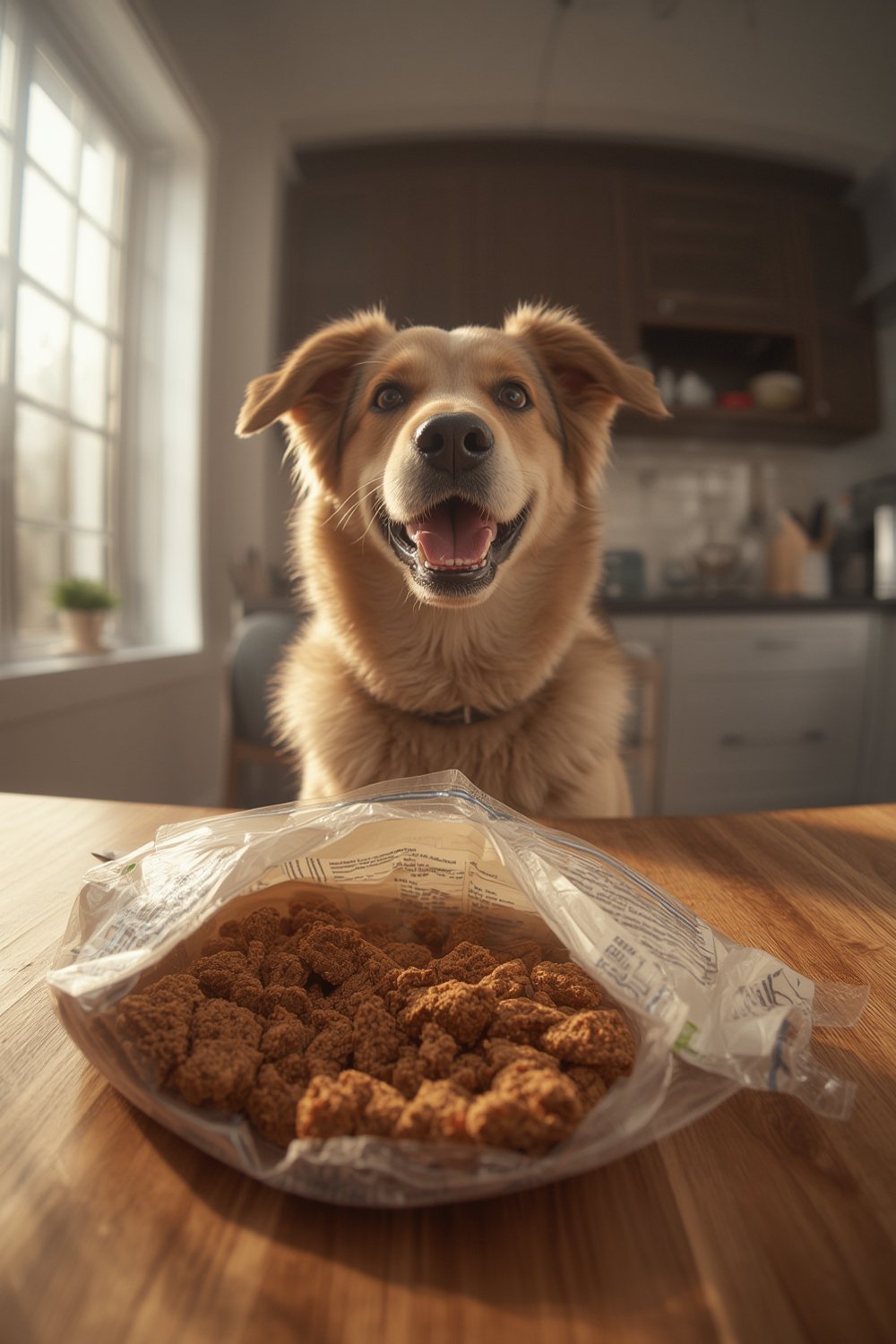
Most freeze dried dog foods boast high protein and fat content that mirrors raw or fresh diets on a dry-matter basis. According to recent industry research, this category reached about USD 1.9 billion globally in 2024, with the U.S. leading much of that demand. However, these products also command the highest sticker prices per serving, often outpacing even fresh subscription diets for medium and large dogs.
Freeze dried isn’t just a premium exclusive. Many owners use these products as toppers for kibble, treats for gut health supplement delivery, or high-value training rewards. Still, it’s vital to examine the actual differences in nutrition, safety, cost, and satisfaction before making the switch.
How to introduce freeze dried dog food: step-by-step
Transitioning to freeze dried dog food doesn’t have to be complicated-but skipping key steps can lead to digestive issues, wasted money, or a dog refusing its bowl. Here’s how to do it right:
- Choose the right format and formula. Carefully check if the product is labeled as a complete & balanced meal, topper, or treat. For full diets, ensure it matches your dog’s life stage and health needs.
- Compare feeding guidelines by calories, not just cups or grams. Freeze dried foods are highly energy dense. Always recalculate the serving to fit your dog’s weight, activity, and desired body condition.
- Introduce slowly over 7-10 days. Aim for a 75-25, 50-50, then 25-75 split with the previous food before a full switch, monitoring for any GI upset such as soft stool, vomiting, or appetite loss.
- Always rehydrate unless the package says “safe to feed dry.” Hard freeze dried pieces can be tough for small dogs, puppies, or seniors to chew. Add warm water or broth, soak 3-5 minutes, and test the texture.
- Store properly after opening. Use air-tight bags or containers and follow instructions regarding shelf life after exposure to air or moisture, as oxidation can quickly degrade product quality.
- Pro Tip: For dogs with sensitive stomachs or previous kibble-only diets, start by using freeze dried as a topper (10-25% of the meal) for the first two weeks before moving to a complete ration. This reduces the chance of diarrhea or rejection.
- Hacks & Tricks: Mix a spoonful of unsalted bone broth or kefir with the rehydrated freeze dried to enhance aroma and acceptance, especially if your dog sniffs and walks away from new foods.
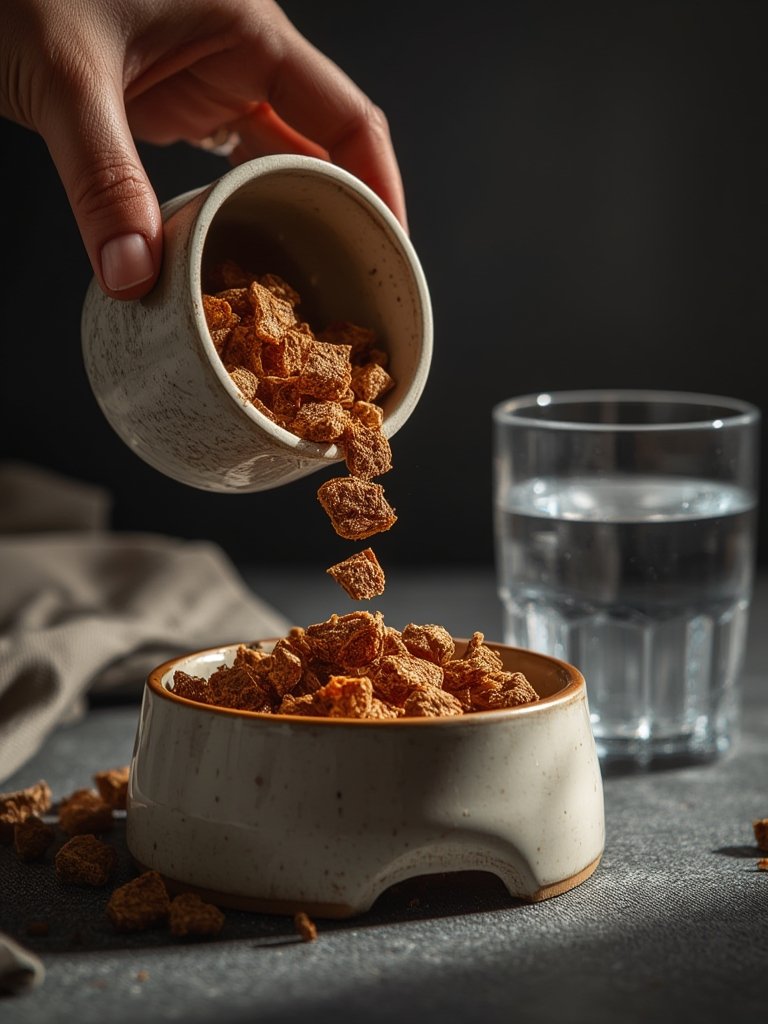
If you’re transitioning an older, picky, or sensitive pet, consider reviewing digestive support supplements or anti-anxiety bedding to ease changes. Storage matters, too: a proper container or bag ensures the food stays fresh and palatable right up to the last portion.
Advanced analysis & common pitfalls
Freeze dried dog food offers big nutritional benefits, but it’s not always the unicorn its marketing implies. Here are the most common pitfalls and pain points, plus how it really stacks up next to air dried, dehydrated, raw, and fresh diets:
1. Cost breakdown: freeze dried vs. other formats
| Format | Typical Daily Cost (30-lb dog) | Approx Monthly Cost | Complete & Balanced? |
|---|---|---|---|
| Kibble (premium) | $1–2 | $30–60 | Yes |
| Dehydrated | $3–6 | $90–180 | Usually |
| Air dried | $4–8 | $120–240 | Usually |
| Raw (frozen) | $4–9 | $120–270 | Usually |
| Fresh (subscription) | $8–15 | $240–450 | Yes |
| Freeze dried | $6–12 | $180–360 | Not always |
Freeze dried typically costs more than air dried or dehydrated dog food and is sometimes even pricier than top-end fresh or raw brands. Most articles gloss over this critical point. Owners of large breeds will feel the pinch most.
2. Palatability and digestion problems
- Dog refusal or pickiness is common. If your pet is used to kibble’s flavor enhancers or is a selective eater, freeze dried may be rejected—especially if not rehydrated.
- Digestive upsets often occur with abrupt switching. Diarrhea, vomiting, and gas rank among the top negative reviews, especially in the first week. Always transition gradually and monitor closely.
3. Misleading labeling & completeness issues
- Many freeze dried foods on the shelf are not “complete & balanced,” even if the front of the bag is unclear. Some are just toppers or treats, not suitable for full-time feeding. Always check for AAFCO or FEDIAF statements.
- Ingredient panels sometimes hide blend sources or use “globally sourced” vagueness. Transparency varies significantly by brand.
For ingredient-conscious owners, you’ll often need to research sourcing or opt for brands that disclose protein origins and vitamin/mineral premix status.
4. Microbial safety—not as “sterile” as marketed
- Freeze drying alone does not guarantee food safety. Bacteria such as Salmonella, Listeria, or E. coli can survive unless there’s an additional kill step (like HPP) or robust testing, but not all brands disclose their process. See this market analysis for more details.
- If you or your dog are immunocompromised, treat all raw-style freeze dried as carrying potential risk—especially with brands lacking explicit safety documentation.
5. Storage, shelf life, and waste
- Freeze dried has a long unopened shelf life (usually 12–24 months), but once opened, it can oxidize and absorb moisture fast. Packaging complaints (zipper fails, crumbling, lack of oxygen pack) are frequent.
- Exposed food can go rancid quickly, especially high-fat chicken or fish recipes. Store sealed and in a cool, dry spot. Always follow label advice.
6. Sometimes overhyped nutritional claims
- While freeze drying does preserve more heat-sensitive vitamins than air dried or baked foods, almost all commercial products still rely on synthetic vitamin and mineral enhancements to achieve nutritional completeness.
- If you want to maximize gut health, look at options combining freeze dried with digestive probiotics or add-ins for fiber and immune support.
7. Environment and clinical proof-the missing data
- Freeze drying is energy-intensive and can have a higher environmental impact than air drying or dehydrating. Data on the long-term health impact versus cooked diets is still sparse, with few direct clinical dog studies—most evidence comes from owner anecdotes or short-term feeding trials.
Before making the leap, carefully weigh not just the nutritional marketing, but also storage, cost, true completeness, and your dog’s unique health background. Explore other options like calming chews for dogs to tackle transition stress, or try integrating freeze dried only as a partial meal addition.

Conclusion
Freeze dried dog food delivers a raw-inspired, shelf-stable meal solution that appeals to premium pet owners seeking minimal processing and nutritional punch. But it comes at a higher price and with real–not hypothetical–drawbacks: inconsistent palatability, possible digestive upset, labeling confusion, and risks if safety steps are unclear. If you’re considering switching to freeze dried dog food, start slow, check the label for completeness, and factor in your budget, your dog’s health status, and your own convenience needs.
Ready to test if it’s right for your household? Compare top formulas, check transition guides, and weigh the real pros–and cons–before you buy.
FAQ
Is freeze dried dog food safer than raw or fresh diets?
Freeze drying reduces moisture, limiting bacterial growth, but does not fully sterilize the product. Some pathogens can survive unless additional kill steps, like high-pressure processing, are applied. Always check for brand safety documentation if your dog or household is high-risk.
How do I tell if a freeze dried dog food is “complete & balanced”?
Look for explicit AAFCO or FEDIAF statements indicating complete and balanced nutrition for your dog’s life stage. Many freeze dried products labeled as treats or toppers are not intended for sole feeding and may lack required nutrients.
Why is freeze dried dog food so expensive compared to kibble or dehydrated food?
Freeze drying is an energy- and equipment-intensive process that preserves more nutrients but significantly increases cost. High-quality raw ingredients and specialized packaging also contribute. As a result, freeze dried often costs 3-10 times more per serving than traditional kibble.
Can I use freeze dried dog food for all breeds and ages?
Freeze dried diets are most widely available and studied for healthy adult dogs. Puppies, pregnant, or senior dogs may require specific nutrient profiles; always verify the product’s AAFCO adequacy for your dog’s age before full feeding.
How should I store freeze dried dog food after opening?
Keep it tightly sealed in the original bag or an airtight container, in a cool, dry place. Use within the manufacturer’s recommended time after opening—often 30-60 days—as exposure to air and humidity can degrade quality fast.