

If you’re seeking immediate, clinically proven relief from nighttime acid reflux, snoring, or sleep apnea, the wedge pillow could be the sleep solution you’ve been searching for. Backed by real clinical research, this pillow style isn’t just hype-medical guidelines now directly recommend specific wedge designs for healthier, symptom-free sleep.
Key Takeaways
- Clinically validated: A 30° wedge pillow significantly reduces acid reflux and improves sleep outcomes, especially when combined with left-side sleeping.
- Nearly 70% of users report at least a 10% reduction in nighttime GERD symptoms, far outperforming flat pillow setups.
- Demand for bed wedge pillows is expected to more than double by 2032, driven by medical necessity and rising health awareness.
- Why wedge pillows are clinically recommended for healthier sleep
- Symptom relief: What most users actually experience
- What makes a wedge pillow effective? (Technical details that matter)
- Fast-growing demand: The rise of medical wedge pillows
- What competitors overlook: Sleeping partners, travel, and longevity
- Practical tips: How to choose and use your bed wedge pillow
- Frequently asked questions about wedge pillows
Why wedge pillows are clinically recommended for healthier sleep
The medical community has shifted its stance on sleep aids in the past two years-wedge pillows are earning strong clinical recommendations for managing acid reflux, nighttime heartburn, mild snoring, and even positional sleep apnea. Recent clinical guidelines and peer-reviewed studies (2023–2024) show that a properly angled wedge pillow, also known as an acid reflux pillow, dramatically reduces symptoms for people suffering from gastroesophageal reflux disease (GERD).
In a late 2023 study, adults with GERD who slept on a 30° wedge pillow and kept to their left side saw their mean reflux scores plummet from 10.40 to 5.30, a statistically significant decrease (p=0.000).[1] Four separate studies now support the use of a 30° elevation-giving you clear, evidence-based guidance instead of trial and error with generic pillows.
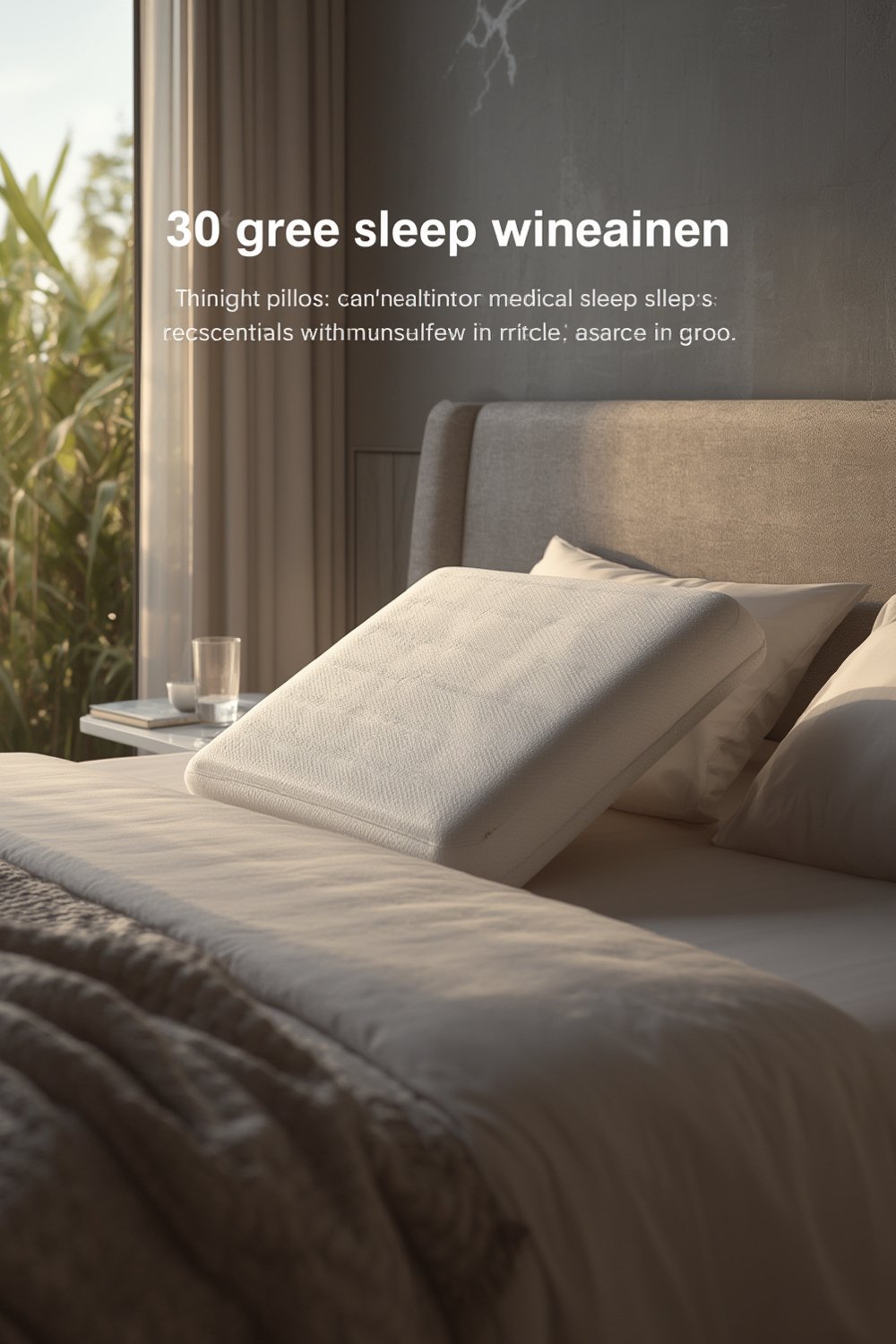
For those dealing with positional obstructive sleep apnea and can’t tolerate CPAP machines, sleep positioning pillows-wedge pillows included-are considered a safe, secondary strategy.[2] While more sleep apnea-specific research is needed, the consensus is growing for medically directed wedge pillow usage for a range of nighttime problems.
Symptom relief: What most users actually experience
What can you *really* expect from a bed wedge pillow or a sleep positioning pillow? Recent clinical trials indicate you shouldn’t expect a miracle, but real improvement is common and measurable for most users.
- Pro Tip: Combine your wedge pillow with consistent left-side sleeping for the highest level of overnight reflux reduction. Studies show this dual approach is more effective than either strategy alone.
- Hacks & Tricks: To stop sliding down your wedge, use high-friction, fitted sheets or tuck a thin flat pillow under your knees—this stabilizes your position, especially if you move a lot overnight.
In a 2024 trial, 69.2% of participants with GERD using a 30° wedge pillow reached at least a 10% improvement in reflux symptoms, compared to just 33.3% in the non-wedge control group.[1] This means two out of three individuals saw real, felt relief.
Most report reduced heartburn, less nighttime coughing, and fewer pillow changes. However, about one in three people find results minimal-usually those who move off the pillow at night or have additional underlying issues.
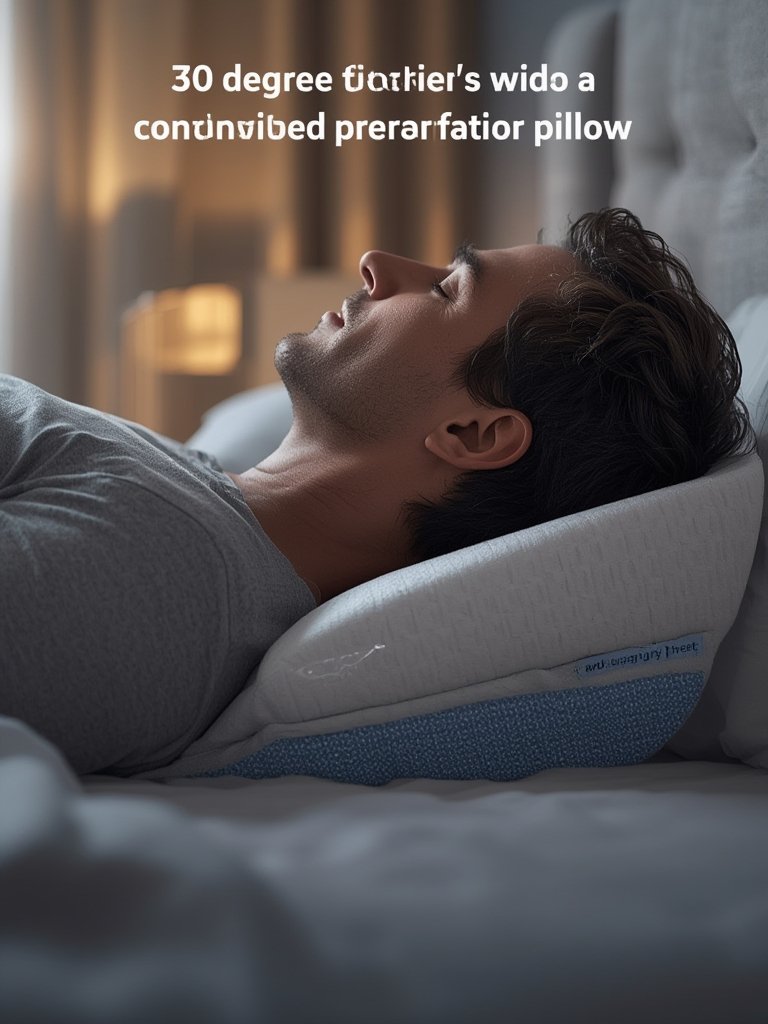
Realistically, you may need several nights to adjust to the new angle, and success rates drop with wedge pillows set at lower angles or those filled with soft (overly compressible) foam. Always set expectations based on clinical research, not just anecdotal claims or manufacturer promises.
What makes a wedge pillow effective? (Technical details that matter)
Clinical research shows that not all wedge pillows are created equal. The crucial factors that impact real-world effectiveness are:
- Angle of elevation: 30 degrees is the magic number for GERD and acid reflux prevention. Steeper or flatter angles consistently show less symptom relief in studies.
- Patient sleeping position: Lying on the left side while elevated further boosts results, as it leverages stomach and esophageal anatomy to minimize reflux.
- Foam density and contour: Clinical literature doesn’t specify the “best” foam, but medium-high density memory foam or high-resilience foam is recommended. Soft, saggy foam or narrow wedges allow the body to slip off, limiting the benefit.
Unfortunately, technical evidence remains focused on GERD/acid reflux; fewer robust studies examine wedge pillows for snoring and mild sleep apnea. Still, “therapeutic wedge pillow” features—such as hypoallergenic covers and medical-grade materials-may add comfort and hygiene without directly multiplying clinical impact.
| Specification | Clinically Supported? | Why It Matters |
|---|---|---|
| 30° elevation angle | Yes | Largest reduction in GERD scores and heartburn flare-ups in all major 2023–2024 studies |
| Medium-firm, stable foam core | Yes (general consensus) | Prevents body “sinking” or sliding, ensures stable sleep all night |
| Left-side sleeping | Yes (combination) | Boosts reflux reduction due to anatomical factors |
| Memory foam contour | Partially | May increase comfort and compliance, but not specifically tested for medical benefit |
| Angled less than 30° | No | Reduces effectiveness-insufficient research support |
For context: Less is known about optimal specs for non-GERD conditions, like snoring, or for those with severe positional apnea. Use a “therapeutic wedge pillow” with solid, stable build and proven angle for best odds.
Fast-growing demand: The rise of medical wedge pillows
More people are turning to acid reflux pillows and bed wedge pillows than ever before. According to independent market researchers, the global market for medical wedge pillows was valued at USD 152.8 million in 2023, expected to soar to USD 348.67 million by 2032-a 9.6% annual growth rate.[3]
This surge is primarily powered by growing awareness of the dangers of untreated acid reflux, GERD, and heartburn-along with a broader trend toward in-home health devices for aging populations. Advancements in ergonomic design and hypoallergenic materials have also made bed wedge pillows more user-friendly and hygienic, further increasing their adoption.
The heartburn and acid reflux segment now commands the largest share of this market-proving that medical necessity, not just comfort or luxury, is driving wedge pillow demand globally.[4]
What competitors overlook: Sleeping partners, travel, and longevity
While clinical specifications are now clear, very few brands or product guides discuss some critical practical issues:
- Partner compatibility: Many wedge pillows are single-user width, potentially causing uneven bed surfaces or nighttime disturbances for couples sharing a bed.
- Travel portability: Most full-size wedges are bulky and not designed for travel. If you travel often, look for foldable or modular wedge pillows-even if these aren’t yet widely available from most brands.
- Longevity and maintenance: High-density foam models last longer but can absorb sweat and odors. removable, washable covers are essential for hygiene and durability, yet most commercial pillows lack detailed care instructions or replacement cover options.
Despite explosive market growth, these real-world issues remain “commonly overlooked despite market growth” and can affect your satisfaction. For bedside solutions that blend with modern home decor, see our review of side tables as a helpful companion for wedge pillow users.

To address these gaps and ensure your entire sleep setup is effective, also consider mattress choices-like a supportive memory foam mattress-to minimize pillow slippage and improve compliance.
Practical tips: How to choose and use your bed wedge pillow
If you want the best chance at real symptom relief, don’t just buy any angled pillow-choose carefully based on clinical research:
- Pick a bed wedge pillow with a true 30° angle. This is the only angle repeatedly linked to clinical success for acid reflux and GERD.
- Avoid overly plush or ultra-soft models. Select medium to high-density foam for stable support that won’t collapse under your weight.
- If you suffer from GERD, always try to maintain a left-side sleeping position while using your sleep positioning pillow. The dual approach is “clinically proven” to significantly drop symptom scores.
- Prioritize models with removable, washable covers for easier cleaning and lasting hygiene.
- Trial your new wedge pillow for at least one week. New angles can take time for your body (and sleep habits) to adapt.
- Be honest about other needs-like back pain or partner compatibility-so you can combine with other gear (such as modern headboard bed frames or anti-slip sheets) for the best sleep environment.
There is not enough data on insurance coverage for medically required wedge pillows, but you can contact your insurer for guidance-some plans may cover therapeutic sleep aids if prescribed for severe GERD or apnea.
Frequently asked questions about wedge pillows
What’s the best angle for a wedge pillow to relieve acid reflux?
Clinical research consistently supports a 30° elevation for the most significant reduction in GERD and heartburn symptoms. Avoid flatter or steeper angles, as these deliver less benefit.
Do wedge pillows help with snoring and sleep apnea?
There is evidence wedge pillows may help with positional sleep apnea or snoring-especially when side sleeping-but the strongest data is for acid reflux. For severe apnea, consult your healthcare provider.
How long does a typical wedge pillow last?
Most medium-high density foam wedge pillows last 1 to 3 years with nightly use. Longevity depends on foam quality, care habits, user weight, and whether the cover is washed regularly.
Are wedge pillows covered by insurance?
This varies. Insurance coverage for elevation pillows is uncommon unless medically prescribed for a specific, severe diagnosis like GERD. Always check with your provider and submit medical documentation if possible.
Why is the wedge pillow market growing so quickly?
The bed wedge pillow market is expected to more than double by 2032 due to rising rates of acid reflux, increased health literacy, and an aging population seeking at-home medical solutions.
Conclusion
Wedge pillows are no longer “alternative” accessories-they are a medically verified solution for many battling nighttime acid reflux and related sleep problems. Studies confirm a 30° wedge pillow combined with left-side sleeping offers the best odds for measurable relief. Consider comfort, foam quality, and real-world usability-not just price or marketing-in your selection process. Start with a true clinical-grade wedge pillow for the greatest chance at lasting, healthier sleep.
Ready to reduce your symptoms and reclaim your nights? Choose a research-backed wedge pillow and experience the difference yourself.