

Rental friendly upgrades are transforming how urban renters personalize their homes in 2026. If you want to add style or smart features without risking your deposit, this guide will show you practical, removable home improvements that make a real difference-without breaking the rules or the bank.
Key Takeaways
- Removable home improvements, like peel-and-stick backsplashes and damage-free hanging systems, are more stylish and durable than ever-but details matter.
- Understand new regulations, like Colorado’s Senate Bill 94, to stay compliant while empowering your rental upgrades.
- Common pitfalls include poor surface prep, adhesive residue, and lost deposits-so follow expert advice for a stress-free experience.
- Why rental friendly upgrades are booming in 2026
- What counts as a removable home improvement? Key product types explained
- Real-life pros and cons – What renters love and hate
- Cost, installation time, and durability – What to expect
- How easy is removal? Lessons from independent tests and real users
- Landlord rules and new regulations – What renters need to know in 2024
- Pro tips & mistakes to avoid – Insights from interior designers
- Conclusion
- Frequently asked questions
Why rental friendly upgrades are booming in 2026
Removable home improvements are on the rise, especially among millennial renters in major cities. The spike in adoption is driven by a need for personalization, cost awareness, and, for many, chronic relocation or lease changes. New regulations like Colorado’s Senate Bill 94-which puts a spotlight on property conditions and quick landlord repairs-signal a nationwide shift in how renters expect to live. This means more tenants than ever are seeking upgrades that fit their lifestyle but won’t threaten their deposit or violate their lease.

What counts as a removable home improvement? Key product types explained
Not every upgrade is truly rental friendly. The best options are easily installed, fully removable, and minimize damage or residue. Here are the main categories savvy renters are using in 2026:
Peel and stick backsplash
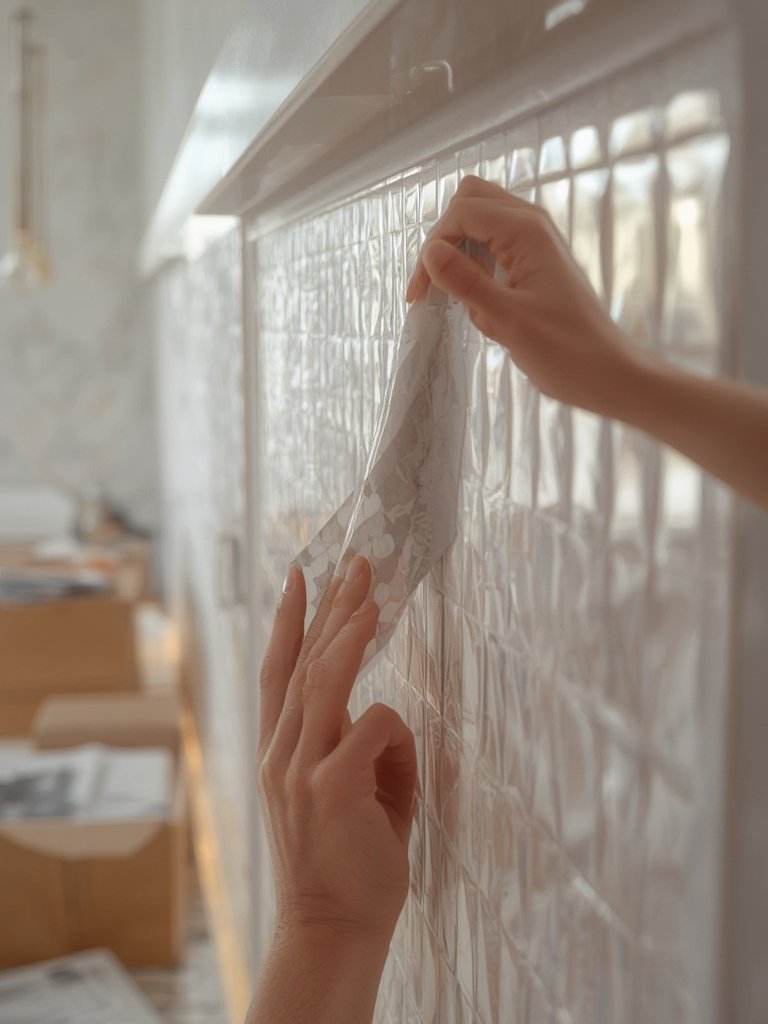
These are adhesive tiles or panels installed over existing backsplashes or even plain drywall. Modern peel-and-stick backsplashes come in many styles-from marble-look herringbone to faux mosaic-and can be cut to size with scissors.
Temporary wallpaper
This type of wallpaper uses either a low-tack adhesive or static cling. It’s designed for easy application and clean removal, perfect for feature walls or entire rooms that need a quick refresh.
Damage-free hooks
Command Hooks and similar systems let you hang art, shelves, and organizers without nails. They use special adhesives meant to hold strong, yet come off clean when used properly. For a full installation guide, see Command Hooks: 7 Ultimate Steps For An Easy Solution In 2026.
Modular floor tiles
Interlocking vinyl or carpet tiles require no glue at all. Lay them on top of existing floors-and lift them up before you move. They’re durable, moisture-resistant, and surprisingly stylish, but rarely covered in competitor articles.
Magnetic fixtures and lighting
Magnetic light strips, wall sconces, and even curtain rods can be installed on metal door frames or with adhesive-backed plates, providing high design and true removability.
According to user surveys, the most popular products remain peel-and-stick backsplashes, temporary wallpaper, and damage-free hooks, but innovative ideas like modular flooring and magnetic lighting are getting buzz among design-forward renters.
- Pro Tip: Test your upgrade on a small, hidden area before going all-in. This helps you spot adhesion or removal issues without risking whole walls or surfaces.
- Hacks & Tricks: Use a hairdryer to gently warm stubborn adhesive when removing temporary wallpaper or peel-and-stick backsplash-this minimizes residue and reduces the risk of paint peeling.
Real-life pros and cons – What renters love and hate
While rental friendly upgrades sound ideal, real user reviews and product tests uncover real-world limitations. Here’s what renters actually experience:
| Upgrade | What Renters Love | What Renters Hate |
|---|---|---|
| Peel and stick backsplash | Quick style boost; easy to cut and install | Edges can lift; adhesive residue left behind; may damage paint if rushed |
| Temporary wallpaper | Bold patterns; reversible; total room transformation | Loss of stickiness over time; bubbles or wrinkling; uneven color |
| Damage-free hooks | No holes in the wall; versatile storage and art display solutions | May not hold as much weight as advertised; fails if applied to dirty or textured surfaces |
| Magnetic lighting | No drilling; flexible placement | Limited to metal surfaces; may not suit all layouts |
| Modular floor tiles | Easy install and removal; moisture resistant | Can shift/slide; not as plush or permanent as carpet |
Product reviews frequently cite peeling at the edges, early loss of stickiness, adhesive residue, and mismatched finishes as pain points. Poor surface prep is often the culprit behind failed adhesion. Most renters report satisfaction when following instructions_but skipping steps can turn a simple upgrade into a costly headache.
For renters prioritizing smart, functional upgrades, adding a smart floor lamp with a charging table or a silicone under sink mat for leak protection can boost both style and utility, all while ensuring easy removal and zero damage.
Cost, installation time, and durability – What to expect
Cost is a major concern for renters. While prices vary, here’s what you can realistically expect for top-rated upgrades:
- Peel-and-stick backsplash: $20-$50 for a standard kitchen (8-16 square feet), 1-2 hour install, lifespan 1–3 years.
- Temporary wallpaper: $40-$85 per roll (covers 28-55 sq ft), 1-2 hour install, lasts 1–3 years under normal conditions.
- Damage-free hanging systems: $10-$30 per multi-pack, 10-30 minute install per gallery wall, removable with minimal risk if surfaces are prepped.
- Modular floor tiles: $3-$6 per square foot, 30-60 minutes per room, expected to last 2+ years with moderate traffic.
DIY installation is almost always an option. However, careless use can shorten product lifespan or make removal far messier. Review manufacturer guides and install on clean, dry surfaces only for best results. For more cost-saving strategies when upgrading, check the Home equity line credit remodel guide.
How easy is removal? Lessons from independent tests and real users
Removal is where many renters stress. Most peel-and-stick products and temporary wallpapers are marketed as damage-free. In practice, removal success comes down to:
- Gentle, patient peeling (pull slowly and flat against the surface).
- Using heat (hairdryer) to soften adhesives if resistance is felt.
- Cleaning residue promptly with mild soap or rubbing alcohol.
- Never removing in cold, dry conditions-this often leads to paint pulling up.
Independent testers and users confirm that skipping surface prep or removing upgrades in a hurry is the most common cause of wall damage or leftover residue. Prepare, take your time, and you’ll likely protect your security deposit.
Landlord rules and new regulations – What renters need to know in 2026
Laws are changing quickly, and knowing your rights is part of smart upgrading. The most relevant 2026 update is Colorado’s Senate Bill 94, which requires landlords to address repair requests within 72 hours and generally boosts tenant protections. While this doesn’t ban removable improvements, it highlights higher expectations around rental property conditions and tenant empowerment. For details, review the official summary of Senate Bill 94.
Always:
- Check your lease for any clauses about alterations or adhesives.
- Get written approval for upgrades, especially in kitchens and baths.
- Document walls and surfaces before and after to prove no damage.
Pro tips & mistakes to avoid – Insights from interior designers
Industry professionals share a few recurring themes that make or break a rental friendly upgrade:
- Surface prep is everything: Use alcohol wipes-not just a dust cloth-before applying adhesive products. This ensures maximum grip and easy, damage-free removal.
- Don’t overload hooks or shelves: Brands sometimes overstate weight limits. For damage-free hanging, be conservative-especially with art or shelving. Need guidance? Read the complete utility hooks review.
- Sample and test first: Paints, finishes, and adhesives vary by property and age. Always trial your upgrade in a concealed spot before full-scale install.
- Protect your deposit: Use painter’s tape under temporary adhesive strips, or leave upgrades in place and invite your landlord to inspect at move-out. Document everything with photos to settle disputes.
Conclusion
Whether you crave a backsplash with personality or just want to hang art without fear, the right rental friendly upgrades put style and flexibility at your fingertips. By understanding product types, reading real user feedback, adhering to new regulations, and prepping properly, you can create a more beautiful and functional space-without risking your deposit. Ready to transform your rental? Explore our tips, and shop only vetted, rental-friendly upgrades for a home that’s truly yours (for now).
Frequently asked questions
Will removable home improvements really avoid all wall damage?
Nothing is foolproof. Most top-rated rental friendly upgrades won’t damage walls-if you prep the surface and remove carefully. Rushing or skipping steps can still result in paint loss or adhesive residue.
Can I use peel-and-stick backsplash in the bathroom or above a stove?
Yes, but check the product for water and heat resistance. Not all peel-and-stick tiles are designed for humid or high-temp zones. Stick to reputable brands and monitor adhesion over time.
Is landlord approval always required for temporary wallpaper or hanging hooks?
Check your lease. While damage-free upgrades are generally allowed, some landlords require written approval for anything that could affect walls. It’s safest to ask first and keep documentation.
How do I remove stubborn adhesive residue after taking down upgrades?
Gently use a hairdryer to loosen adhesives. Wipe with rubbing alcohol or a specialized adhesive remover, taking care not to scrub away paint. Test any solution in an inconspicuous spot first.
What’s an unconventional rental upgrade that most people overlook?
Magnetic lighting and modular floor tiles are both growing in popularity but aren’t covered in most guides. They offer instant style and are easy to take with you at move-out time.