

Reclaimed wood furniture has become more than just a design trend in 2024-it’s a driving force in sustainable living and smart investment, but it comes with notable challenges and pitfalls for buyers who want value and authenticity.
Key Takeaways
- Reclaimed wood furniture dominates a booming market, valued at over $65 billion globally in 2024, thanks to mainstream demand for sustainable options.
- This eco-friendly choice reduces deforestation, supports LEED-certified homes, and becomes more cost-effective compared to new wood-if you know what to look for.
- Authenticity, certification, and price transparency remain major hurdles; buyers must watch for misleading claims and follow strict verification steps.
- The 2024 Boom in Reclaimed Wood & Sustainable Furniture
- Why Reclaimed Wood Furniture Matters for the Planet
- What Buyers Love (and Dislike): Consumer Experiences with Recycled & Barnwood Furniture
- Is Reclaimed Wood Furniture More Affordable Than New?
- How to Shop Smart: Certifications, Quality, and Authenticity in 2024
- What Competitors Miss: The Essential FAQs for Smart Sustainable Furniture Shopping
- Conclusion
- FAQ
The 2024 boom in reclaimed wood & sustainable furniture
Reclaimed wood furniture and other sustainable furniture products are making a massive mark in the US market this year. The global reclaimed lumber market reached up to $65.51 billion in 2024, with furniture making up 32.6% to 40.7% of all reclaimed wood sales. In North America, the US alone captured an impressive 72% of regional revenue ($12.4 billion), owing to huge demand for eco-friendly, stylish, and investment-worthy home pieces. With market growth predicted between 3.89% and 9.8% annually in the next decade, reclaimed wood is no longer niche-it’s mainstream.[1] The sustainable furniture market itself clocks in at $53.57 billion globally, underlining a powerful shift in consumer values.
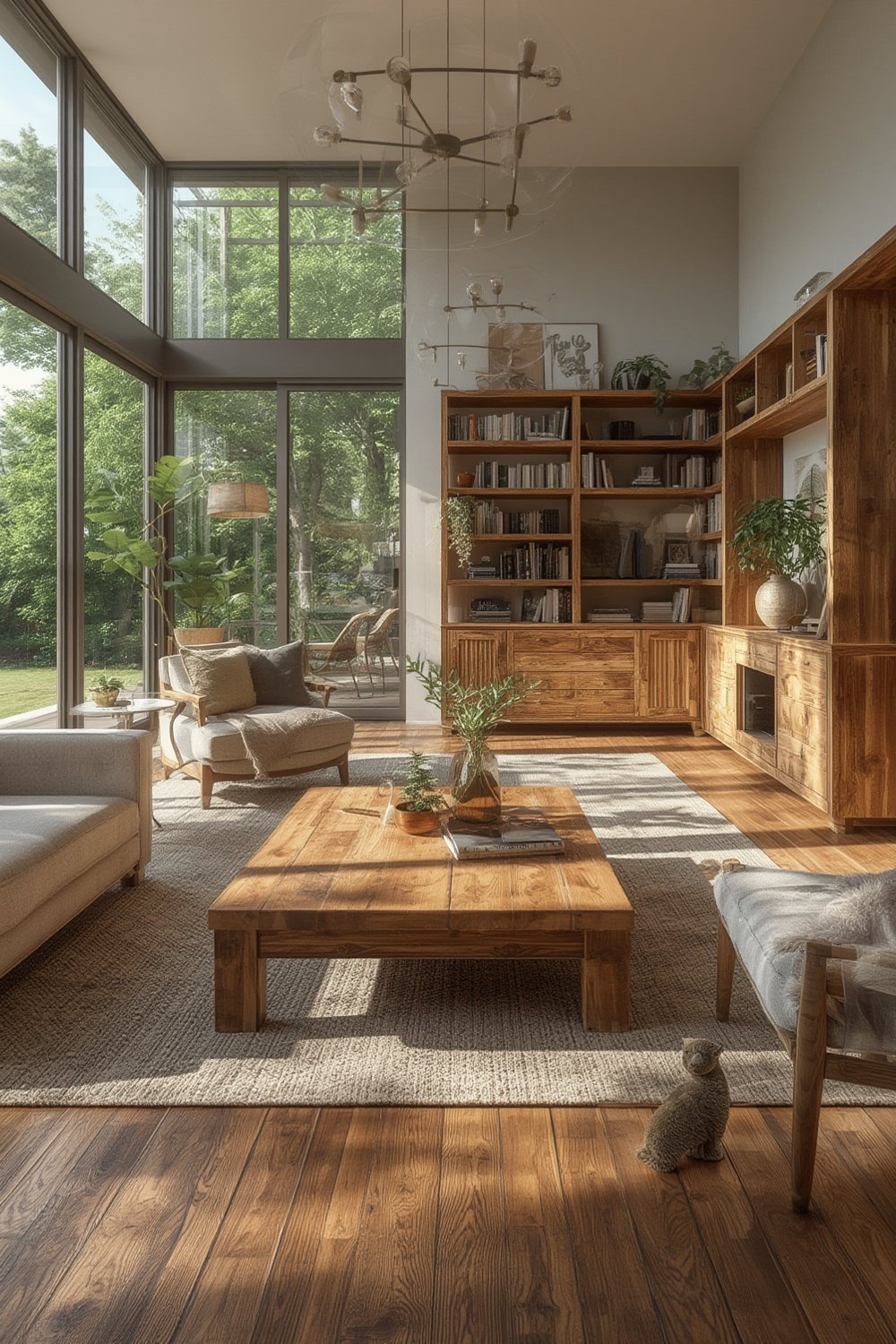
What’s driving this boom? Climate-aware consumers, government incentives, and a growing real estate sector focused on sustainability. US buyers consistently look for reclaimed and recycled materials that not only reduce environmental impact but also represent a long-lasting investment. The numbers prove that investing in reclaimed wood furniture is part of a larger, accelerating movement-not just a passing design fad.
Why reclaimed wood furniture matters for the planet
Opting for eco-friendly reclaimed furniture instead of conventionally manufactured pieces offers measurable environmental benefits. The most direct payoff is the reduction in deforestation: reclaimed lumber diverts old wood from landfills and conserves forests that would have been harvested for new material. Over 35% of new US residential builds now use reclaimed lumber to qualify for LEED certification, supporting both energy efficiency and healthy indoor environments.[2]
Because no new trees are cut down, reclaimed wood furniture reduces pressures on vulnerable ecosystems while supporting circular economy initiatives. Even though 2024 studies haven’t published clear carbon footprint comparisons, the consensus among sustainability experts is that reusing lumber significantly lowers emissions and resource extraction costs.
Not only do you get a one-of-a-kind look-often with unique wood grain and patina—but you also help conserve resources in a way that contributes to green building standards. Eco-conscious buyers sometimes combine reclaimed wood with other sustainable choices, such as bamboo furniture or upcycled accent pieces, to further reduce their home’s footprint.
What buyers love (and dislike): consumer experiences with recycled & barnwood furniture
Consumers are increasingly drawn to recycled wood tables and barnwood furniture for their authenticity, durability, and look. Distinctive “wear marks”-such as nail holes, weathering, or stains—add sought-after character that new wood simply can’t replicate. Many homeowners proudly display these imperfections as proof of a piece’s past.
However, there are challenges. Concerns with durability sometimes arise if the reclaimed wood wasn’t correctly dried, treated, or assembled, leading to splits or warping. Another major issue is authenticity: it’s still easy to find furniture labeled as “reclaimed” or “barnwood” that’s actually made of new wood artificially distressed to mimic age. Processing costs are higher for genuine reclaimed pieces, but market research finds that price elasticity-meaning buyers are willing to pay more for what they perceive as real-offsets these expenses.[3]
When moving reclaimed or heavy vintage wood dressers, consider using ergonomic gear like professional-grade lifting straps to reduce strain and prevent accidental scrapes on old wood.
Is reclaimed wood furniture more affordable than new?
Buyers often ask if choosing a vintage wood dresser or recycled wood table is more cost-effective than shopping for a brand-new piece. The answer is nuanced. Reclaimed wood furniture can be more affordable over the long term, especially as the cost of new hardwood rises globally. Lower material expenses for salvaged wood can offset the extra labor necessary for processing, while the durability factor means that reclaimed items often last just as long-if not longer-than those made from fresh lumber.
On price tags alone, expect a wide range depending on the provenance and treatment of the piece. True vintage dressers, for example, may command premium prices if the wood source is rare. Mass-manufactured “reclaimed look” items usually cost less but may not offer the same durability or eco credentials. The market trend is clear: as more buyers demand transparency and real value, truly recycled pieces become more cost-competitive against lower-end new furniture.[4]
Pairing reclaimed finds with versatile, modern elements-like a foldable table-can stretch your budget further and create a flexible, sustainable home environment.
How to shop smart: certifications, quality, and authenticity in 2024
Knowing what to look for is crucial in the fast-growing landscape of eco-friendly reclaimed furniture. Here’s how buyers can protect themselves from overpriced or falsely advertised barnwood furniture:
- Pro Tip: If a seller cannot provide information about the wood’s original use or location, it’s a red flag. Always request detailed provenance before purchasing a “reclaimed” or “barnwood” piece.
- Hacks & Tricks: Carry a small UV flashlight when shopping in person-genuine old wood may reveal differences in grain, mineral rings, or historical paint residue under UV light, making it harder for fake “reclaimed” finishes to pass inspection.
Regarding certifications, many US renovations use reclaimed materials to qualify for LEED points, but there is still a lack of visible third-party certifications (like FSC or Rainforest Alliance) specific to reclaimed wood furniture. For now, focus on sellers transparent about their supply chain, or those who can link a piece directly to demolition photos or certificates.
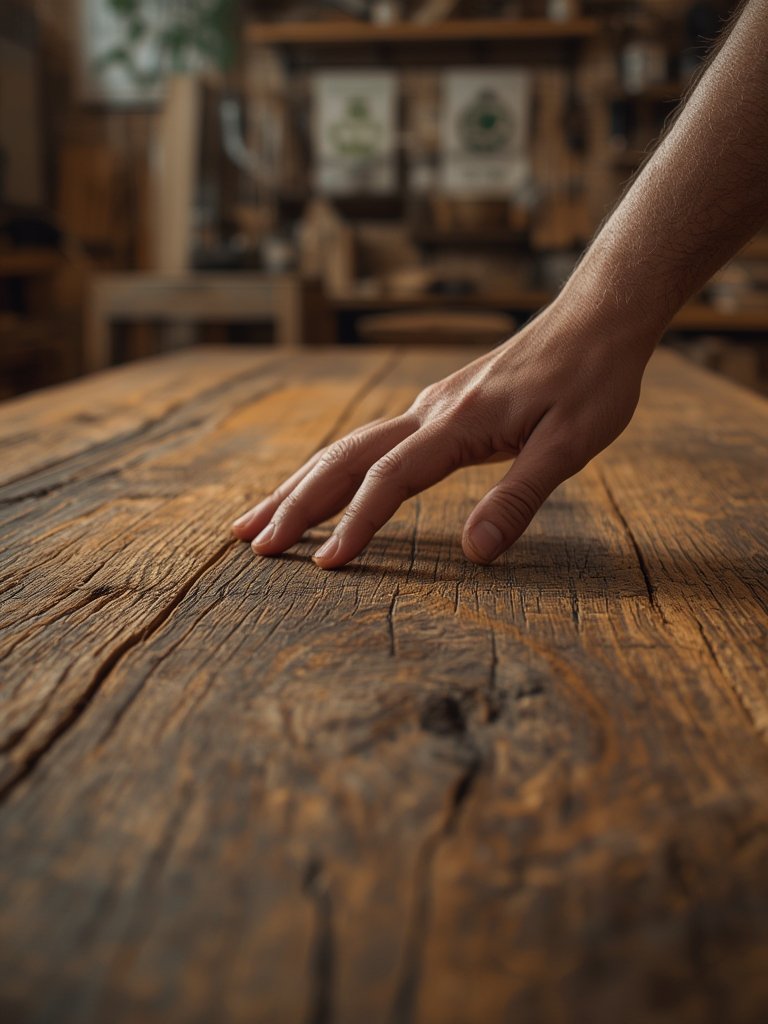
Key quality checks:
- Ask about moisture content and treatment-old wood behaves differently than new, and improper processing can reduce life span.
- Review joinery and construction-high-quality reclaimed furniture often uses visible dowels, mortise and tenon, not just glue or screws.
- Demand transparency on finishes. Low-VOC or plant-based sealants increase the environmental appeal.
- Be cautious with imported “reclaimed” furniture unless full documentation is available.
While lower-priced options exist, paying more upfront for verified, well-made reclaimed pieces generally saves money over time compared to generic or poorly assembled alternatives.
For ideas blending rustic and modern, check out interior trends with curved furniture and vintage artisan tables for a fresh, mixed-material look.
What competitors miss: the essential FAQs for smart sustainable furniture shopping
A surprising gap in most competitor coverage is price transparency, real durability feedback, and quantified environmental comparison-the very issues eco-conscious buyers care about most. Here’s how to cover your bases:
| Reclaimed Wood Furniture | New Wood Furniture | |
|---|---|---|
| Cost (2024, typical range) | Often lower than new hardwoods. Premium for rare source or handcrafted. Mass-produced “reclaimed” look is cheapest. | Variable, but new hardwood prices rising globally. Entry-level pieces may be less durable. |
| Durability | Old-growth lumber can outlast new if processed and assembled correctly. | Depends on species and build. Cheap new wood is prone to damage. |
| Environmental Impact | Supports LEED, reduces demand for logging, diverts waste. | Relies on new resource extraction and higher embodied energy. |
| Transparency | Documentation gaps still common—demand provenance and treatment info. | Usually documented supply chain, but lower eco benefit. |
Durability varies by builder and source. Most consumer complaints not covered by market reports focus on furniture that’s either not genuinely reclaimed or poorly processed, leading to disappointing longevity. Many mass-market outlets omit origin info on “reclaimed” products-a sign to look elsewhere.
If you prioritize sustainability but want straightforward organization, combine high-impact pieces with space-saving solutions, like an eco-friendly mattress or modular storage.

Conclusion
The future of interior design is sustainable, and reclaimed wood furniture sits at the center of this transformation in 2024. Whether your goal is to lower your carbon footprint, invest for the long haul, or simply enjoy the look of authentic materials, reclaimed pieces make a tangible difference—if you shop with care. Demand full disclosure, verify the story behind each piece, and understand that genuine eco-friendly options may need a little more diligence upfront.
Ready to transform your space? Start with one carefully sourced, certified reclaimed piece and build your sustainable home around it. The focus keyword for your next purchase should be authenticity.
FAQ
How can I tell if reclaimed wood furniture is authentic?
Request the provenance: reputable sellers should show documentation or photos of the reclaimed wood’s origin. Look for natural wear, varied coloring, and signs of previous use. If it all looks “brand new,” be skeptical.
Is reclaimed wood furniture durable enough for family use?
Yes, properly processed reclaimed wood is often tougher than new wood, thanks to its slower growth and natural curing. However, it must be correctly dried and joined-ask about assembly before buying.
Does reclaimed wood furniture cost more than new furniture?
The initial price may be higher if the piece is handcrafted or the wood is rare, but mass-produced or simply processed reclaimed options can be less expensive than new hardwood pieces. Factor in long-term durability for the best value.
What certifications should I look for?
LEED credit is common in US construction, but third-party certifications like FSC or Rainforest Alliance for reclaimed wood furniture are rare in 2024. Focus on transparency and documentation from the seller.
Are there any downsides to reclaimed wood furniture?
Potential downsides include higher up-front cost, difficulty verifying authenticity, variable durability, and possible chemical residues in older wood. Always ask for treatment information and avoid pieces with unknown paint or finish history.