


Looking for a RankMath 100/100 SEO post on rainwater harvesting system? Here’s the complete, actionable guide you need!
Key Takeaways
- Rainwater harvesting systems can reduce home water use by up to 40%, and commercial buildings by 70%.
- Choosing the right system, following regulations, and doing regular maintenance are crucial to long-term success.
- Smart technologies are making rainwater harvesting more efficient, but sizing and troubleshooting remain challenges for many homeowners.
- What is a Rainwater Harvesting System & Why Install One?
- How to Install a Rainwater Harvesting System: Step-by-Step Guide
- Advanced Analysis & Common Pitfalls
- Conclusion
- Frequently Asked Questions
What is a Rainwater Harvesting System & Why Install One?
The rainwater harvesting system is a simple but powerful way to capture and store rainwater from roofs and hard surfaces, making it available for outdoor irrigation, household chores, or even indoor plumbing with the right filtration and plumbing. As municipal water rates climb and droughts stress resources, these systems offer a way to take control of your water supply, saving money while helping the planet.
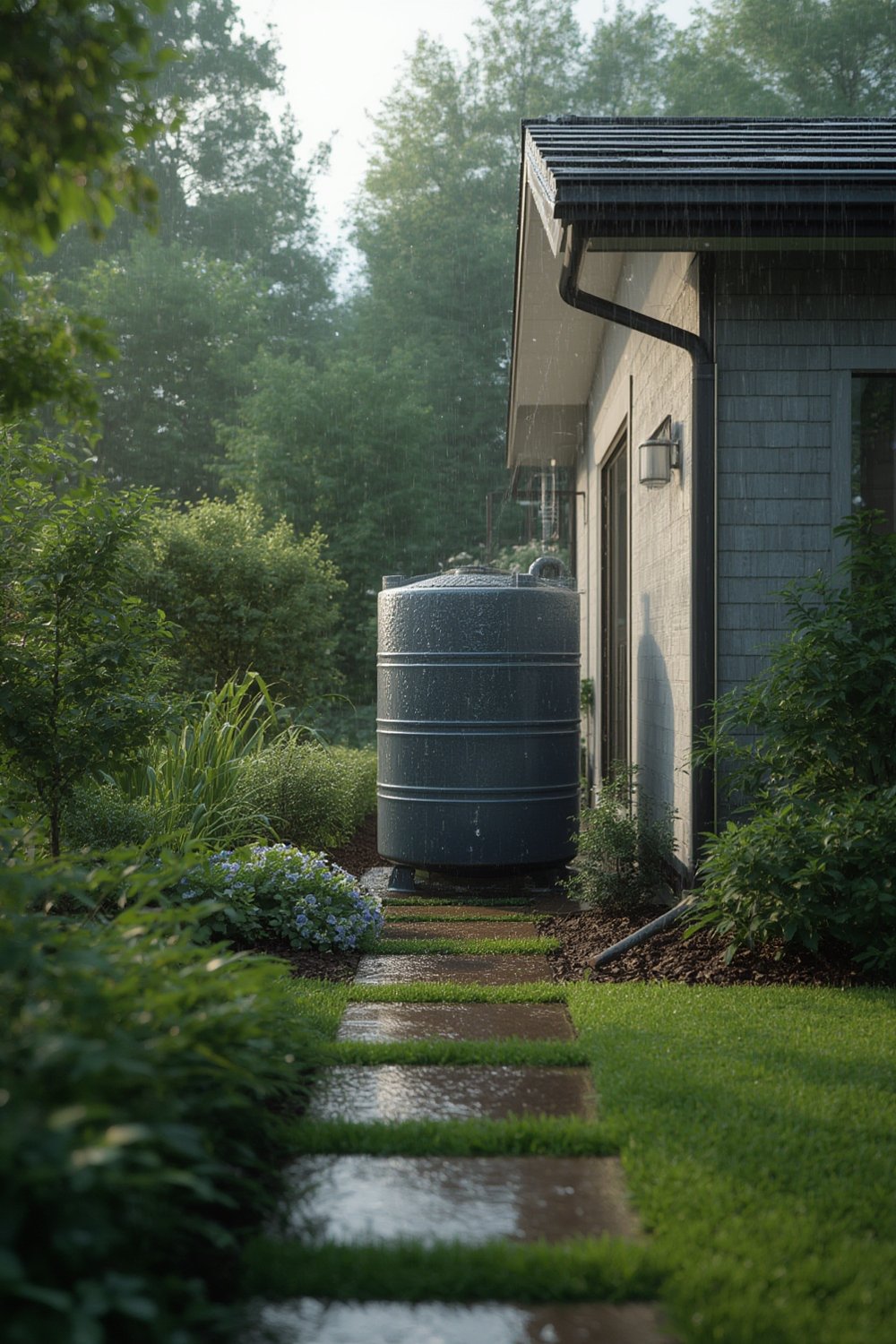
So, why install one? New data from Cognitive Market Research shows up to 40% reduction in household water usage with efficient systems in place. In commercial or multi-family situations, water savings can approach 70%. These savings come from using collected rain for toilet flushing, laundry, vehicle washing, gardening, or even refilling pools. Besides utility cost reduction, you’ll protect your landscape during droughts, boost your property’s resilience, and meet local sustainable building requirements. Demand is growing: In 2024, 18% of homeowners are already using rain barrels to water their gardens and lawns (MR Rooter survey).
And for garden maintenance or landscaping, pairing a rainwater harvesting system with the right pruning tools or hose reels can make your green space truly self-sufficient.
How to Install a Rainwater Harvesting System: Step-by-Step Guide
Installing a rainwater harvesting system isn’t complicated – whether you want a simple rain barrel or a full underground cistern, the steps below show how to do it safely and efficiently.
- Assess Your Needs & System Type
- Determine your main use: irrigation, laundry, flushing toilets, or all three?
- Estimate water needs (1000 sqft roof can give 600 gallons per 1-inch rain event).
- Choose a system type:
- Simple rain barrel for small gardens
- Modular or underground cistern for larger properties, multi-use
- Select Collection Area
- Pick roof or other hard surface with quality gutter guards, free of overhanging debris.
- Install gutter guards to reduce clogging.
- Install First Flush Diverter
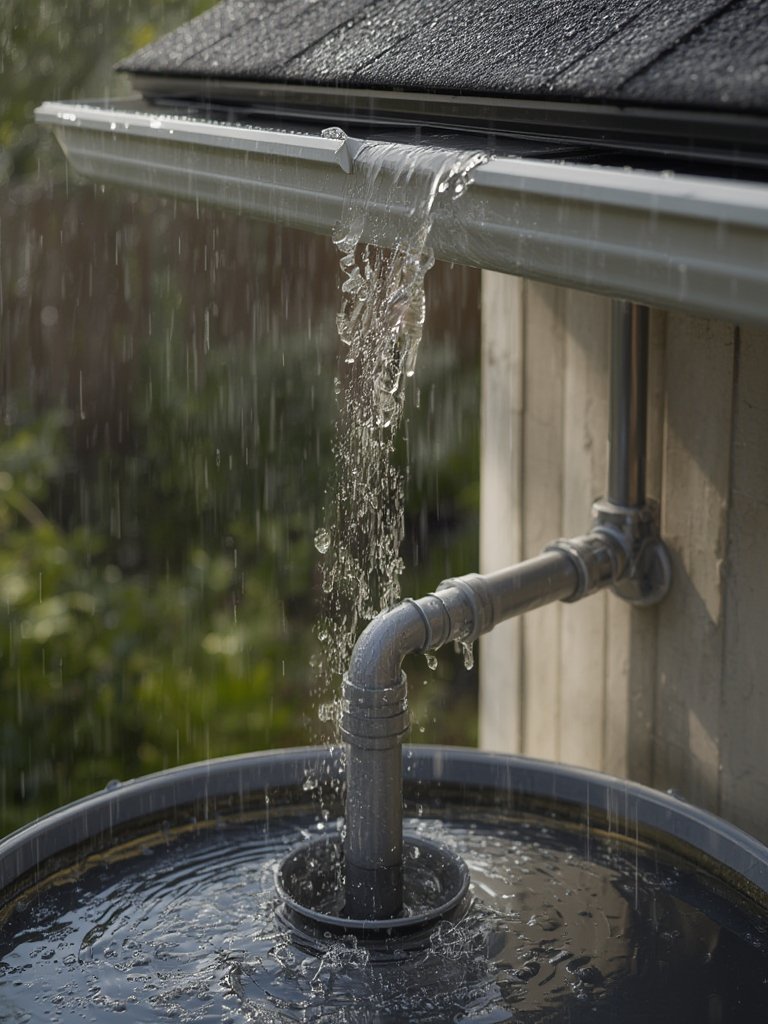
- This inexpensive device diverts initial dirty water that washes off contaminants before filling your storage tank.
- Connect Pipes & Conveyance
- High-quality, smooth-surface pipes (PVC or HDPE) minimize water loss and are easier to clean.
- Use mosquito-proof screens on inlets and overflows.
- Set up Storage Tank or Barrel
- Rain barrels: Place them against a stable wall on a raised platform.
- Cisterns: Underground tanks save space and keep water cool, but need professional installation for permitting and safety.
- Regularly check tank seals and covers for wear.
- Add Filtration & Distribution Lines
- Basic mesh for irrigation; advanced multi-stage filters for indoor or potable use.
- Separate distribution lines for garden, toilets, or laundry if needed.
- Monitor & Maintain
- Install smart sensors for real-time monitoring (water level, overflow alerts, quality testing).
- Clean gutters quarterly, empty and flush tanks annually.
Bonus: Maintain landscaping efficiently with a garden kneeler and seat when working near your barrels or tanks – saves your back during maintenance sessions.
Advanced Analysis & Common Pitfalls
Even with all the benefits, rainwater harvesting systems aren’t without downsides. Some problems are technical; others come from unrealistic expectations about cost, maintenance, or local rules.
Common Pitfalls
- Undersized System: Many homeowners buy too-small barrels, running out of water after a single light storm or finding tanks overflow in heavy rain. Always calculate storage needs based on annual rainfall, roof area, and usage.
- Regulation Confusion: Rules about water collection vary by city or state. Some areas require backflow preventers, certified plumbers, or do not allow potable uses. Always check before you build.
See Maximize Market Research for more on regulatory trends. - Poor Maintenance: Tanks, pipes, and filters need regular cleaning. Stagnant rainwater can breed mosquitoes or become unsafe for use, especially in open barrels.
- Overflow and Foundation Issues: Overflow runoff can pool at the base, damaging house foundations or landscaping if not properly directed away.
- Complexity & Upfront Costs: Advanced cistern systems (with indoor plumbing, pumps, or filtration) often cost thousands and may require a contractor. Recovery of costs can take years unless offset by generous rebates or very high water prices.
Rain Barrels vs. Cisterns: Quick Comparison
| Feature | Rain Barrels | Cistern Systems |
|---|---|---|
| Capacity | 40–100 gallons (per barrel) | 500–5,000+ gallons (underground or aboveground tank) |
| Installation | DIY, quick, cheap | May need professional; permits required |
| Primary Use | Outdoor watering | Irrigation, toilets, laundry, more |
| Maintenance | Regular cleaning, mosquito risk | Annual flush, monitor sensors |
| Approximate Cost | $50–$250 each | $2,000–$10,000+ |
| Typical ROI* | 2–5 years* | 5–15 years (may be faster with rebates) |
| Complexity | Low | Medium-High |
*ROI highly variable based on local water rates and rebate programs.
Emerging Solutions
Smart monitoring and integrated filtration are now commonplace, especially for new underground systems. In 2024, 54.7% of new residential installations adopted underground tanks, with smart sensors enabling live water level and quality updates (FactMR).
Still, there are limitations on self-install kits for complex systems and confusion about what’s approved locally. For regulatory questions, consult local codes or resources like the Rain Garden Design Guide for best practices in managing stormwater.
Conclusion
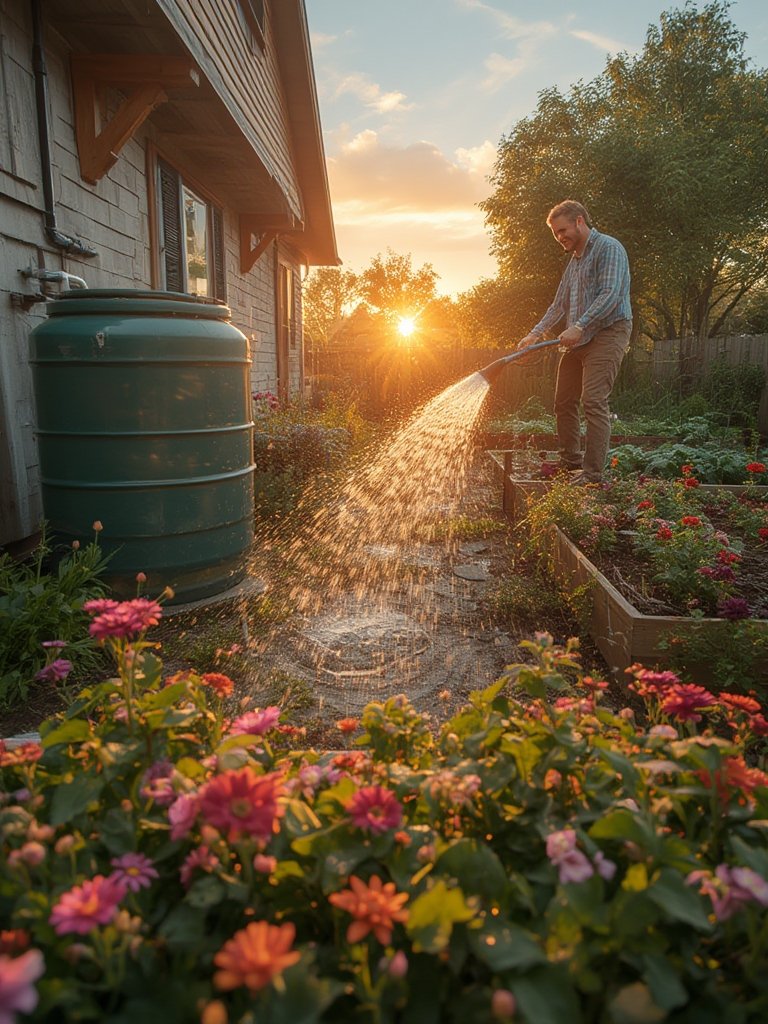
Rainwater harvesting systems are rapidly moving from niche to mainstream, thanks to real savings, smarter tech, and growing awareness of water scarcity. Whether you install a simple barrel or a smart underground cistern, watch your sizing, follow local rules, and keep up with routine maintenance for years of reliable use. If you’re ready to upgrade your yard or home, consider starting with a complete gardening tools set so you have everything on hand for installation and maintenance. Start planning your own rainwater harvesting system now and see the savings start with your next rain!
Ready to take control of your water bill and garden sustainability? Choose your rainwater harvesting approach and get started this season!
Frequently Asked Questions
Is rainwater harvesting legal in all states or cities?
No, regulations vary by location. Most US states allow it for outdoor use, but some require permits or ban indoor plumbing connections. Always check with your local building department.
How much does a basic rain barrel system cost?
A standard rain barrel setup costs between $50 and $250, depending on size, materials, and accessories. DIY installation keeps costs down.
Does rainwater harvesting require a lot of maintenance?
Not a lot, but it must be regular. Clean gutters and screens every few months. Flush tanks annually, and check seals and pipes to avoid leaks and mosquito breeding.
Can harvested rainwater be used for drinking?
Only if you install certified multi-stage filtration and disinfection systems, and your local code allows potable reuse. Most home systems use rainwater for non-potable purposes like irrigation and toilet flushing.
Will a rainwater harvesting system work during drought periods?
It depends on your tank size and local rainfall patterns. Large cisterns can store enough water to bridge dry spells, but small barrels may run dry quickly during extended drought.