

Pet furniture in 2024 is no longer an afterthought-it’s a meaningful investment for those who want their homes as comfortable and beautiful for pets as they are for people. If you’re looking for premium, designer-level dog or cat furniture that doesn’t sacrifice aesthetics, health, or durability, this guide will show you what most articles miss: critical buying concerns, genuine innovation, and actionable questions every discerning pet owner should ask.
Key Takeaways
- The global pet furniture market ranges from $1.9–$4.47 billion in 2024, with rapid growth driven by “pets-as-family” values and style-conscious owners.
- Premium pet bed furniture now emphasizes eco-certifications, ergonomic health, and home décor integration-but transparency on durability, price tiers, and buyer complaints is still lacking.
- Innovation in smart features and modular designs is rising, but true data on longevity and value requires critical research-know what questions to ask.
- The 2024 Premium Pet Furniture Market at a Glance
- What’s Driving Today’s Pet Furniture Trends?
- Beyond Style—Key Features Defining Premium Pet Furniture in 2024
- Buyer Concerns: Quality, Durability, and Usability Issues
- How Much Does Premium Pet Furniture Cost in 2024?
- Dog vs. Cat Furniture: What Do Owners Really Want?
- Smart Tech & Innovation: The Future of Pet Furniture
- What’s Missing from Today’s Pet Furniture Offerings?
- Checklist: How to Choose the Best Pet Furniture in 2024
- FAQ
The 2024 premium pet furniture Market at a Glance
In 2024, the global pet furniture market is assessed at $1.9 to $4.47 billion, depending on the research source [IMARC] [Fortune Business]. North America commands about 40.8% of that share, reflecting a dominant “pets-as-family” mindset. Growth is paced at 4.2–5.9% annually through 2034, with Millennials and Gen X fueling demand for well-designed, wellness-forward pieces.
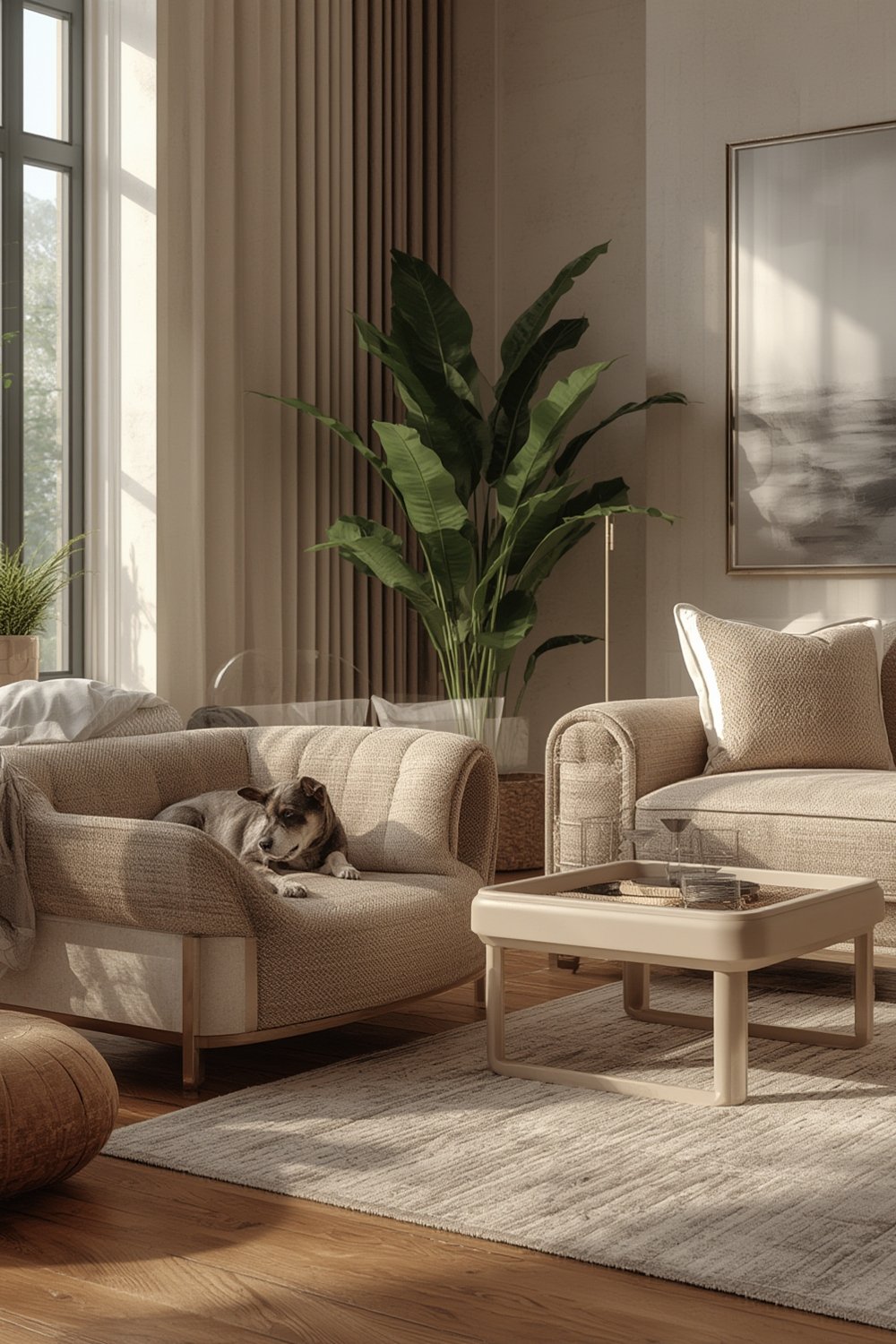
Affluent pet owners are less interested in disposable, generic beds and more in pieces that align with their aesthetic, health standards, and daily routines. Beds and sofas are leading product categories, accounting for a 38.3% market share, while cat-specific furniture makes up 35.6% of applications. These figures clearly show that this market is now as much about interior design and wellness as it is about basic comfort or containment.
What’s driving today’s pet furniture trends?
Premium pet furniture in 2024 is shaped by a few distinct trends:
- Urbanization & Compact Living: With more buyers in apartments and smaller homes, there’s growing need for modular systems that maximizes space.
- Pets-as-Family: Humanization is seeing owners outfitting their homes with items that support long-term pet health, rest, and even mental stimulation.
- Sustainability: Eco-friendly materials (like jute, banana leaves, organic fabrics) are popular, but detailed certifications on toxicity and responsible sourcing are only just emerging.
- Multi-Function & Modularity: Today’s modular systems and designer pet houses often integrate storage, scratching panels, removable covers, or even convertible sleeping nooks.
Millennials particularly drive the trend for clever, space-efficient solutions-think beds that turn into travel pods or sofa arms that double as scratching posts. As pet-friendly office policies trend upwards, portable and hybrid-use pieces are increasingly in demand.
Beyond Style-Key Features Defining Premium Pet Furniture in 2024
What separates “family-level” pet bed furniture from the mass market?
- Materials: Look for premium woods, powder-coated steel, and certified non-toxic finishes. Bamboo and recycled fibers are on the rise.
- Certifications: Eco and safety certifications (e.g., GREENGUARD GOLD, OEKO-TEX) should be verified. If these aren’t easy to find, dig deeper-most brands use only broad “eco-friendly” labeling.
- Design: Top products are ergonomic-supporting joint health, ease of access, and airflow control. For some pets (e.g. older dogs), orthopedic foam or adjustable component heights are essentials, not luxuries.
- Cleanability: removable covers, waterproof linings, and antimicrobial treatments are must-haves for keeping spaces hygienic and effortless to maintain-the equivalent of a good ergonomic chair for your pet.
- Advanced Features: Some brands now offer integrated storage, cooling & heating, or built-in technology (like weighing scales or integrated pet cameras).
Eco-aware consumers want specifics about sustainability, not just branding. If the brand can’t provide those, consider it a warning sign.
Buyer concerns: quality, durability, and usability issues
Most “best pet furniture” guides skip the hard part: recurring complaints and real-life downsides. Research reports highlight a serious information gap:
- Lack of Durability Data: No major market studies publish verified product warranty stats, breakage rates, or cleaning performance for pet furniture.
- Transparency on Quality: Brands tout “premium” but often skip weight testing, stability under active or large animals, or maintenance needs for high-use designs.
- Assembly & Usability: Even designer pet houses can suffer cheap fittings or poor instructions, so check real-user images and feedback for clues.
- Aftermarket Support: Few brands are totally clear on spare parts or cleaning replacements (unlike modern multifunctional furniture, where this is standard).
This lack of transparency means that savvy buyers must rely on product-specific reviews and third-party tests, rather than relying exclusively on marketing or high price tags. Watch for products with unclear warranty terms or minimal after-sales support-it’s a red flag at any price point.
How much does premium pet furniture cost in 2024?
Industry data shows a solid price premium for designer-level pet bed furniture and cat furniture modern collections, but it’s surprisingly tough to get category-level breakdowns in public research.
What’s realistic in 2024?
- Basic Pet Beds: Typically $40–$150 for entry-level brands, though these rarely include designer touches or advanced materials.
- Designer Pet Houses & Sofas: $200–$1,000+ for pieces with luxury woods, orthopedic foam, or modular features. Custom design or imported materials can push prices higher.
- Elevated Feeders & Tech Furniture: Premium elevated pet feeders and smart-technology houses may start around $100 but rise quickly with added features.
Market research focuses on aggregate market values, so treat any pricing matrix with caution. Always compare what’s included (certifications, modularity, removable covers) and be skeptical if you cannot confirm what extras drive the premium-this applies to any custom furniture investment as well.
Dog vs. cat furniture: what do owners really want?
Is the “pet furniture” category really one-size-fits-all? Not exactly:
- Dog Furniture: Owners prioritize orthopedic support, easy entry/exit for all ages, and scratch-resistant fabrics (especially for larger breeds).
- Cat Furniture Modern: Key needs include vertical space for climbing, integrated scratching, and privacy pods that double as home accents.
Market share data shows beds and sofas dominate (38.3%), but cats narrowly edge out dogs in application share (35.6%). The lack of granular research on style and health functionality, however, means many needs remain unmet-such as reconfigurable cat trees or dog beds that blend seamlessly with maximalist living rooms [Eclectic Furniture Guide].
Tip: When comparing dog vs. modern cat furniture, look past labeling and ask: Does this design include ergonomic differences, or is it a rebranded bed in a different color?
Smart tech & Innovation: the future of pet furniture
Innovation is accelerating—especially in the designer pet house category:
- Smart Furniture: Now includes built-in feeding scales, climate controls (cooling, heating), and integrated pet cameras for monitoring pet behavior remotely.
- Wellness Systems: Adjustable firmness, orthopedic supports, and built-in air filtration are emerging, especially at higher price points.
- Automated Feeders: Elevated pet feeder designs can time-portion meals or track pet habits for health insights, especially useful for multi-pet homes.
Caveat: Despite deeper features, research data still lacks robust adoption rates or price/performance comparison-so buyers should ask for third-party testing or user-group insights when paying a tech premium.
What’s missing from today’s pet furniture offerings?
The vast majority of top-ranked pet furniture guides ignore topics affluent buyers care about:
- Sustainability Credentials: Real certification and traceable sourcing are under-discussed compared to generic “eco” claims.
- Modularity & Reconfiguration: Flexible systems that grow with your pet-or adjust for home changes-are notably absent from mass-market and even designer lines.
- Decor Integration: Few brands offer true customization to align with evolving home design trends (curved furniture, maximalist décor, etc.).
- Warranty Transparency: Detailed, published reports on product failure, long-term comfort, or maintenance are missing at all price levels.
- Accessibility for Large and Senior Pets: Many lines don’t offer easy entry/exit or ergonomic adjustments for aging animals.
For buyers, this means that the best decisions require going beyond marketing and reading both the fine print and independent reviews.
Checklist: how to choose the best pet furniture in 2024
Ready to go beyond showroom looks? Use this actionable checklist before your next pet furniture purchase:
- Confirm certifications for eco-friendliness, non-toxicity, and material safety.
- Test for real-life durability-request details on weight limits, assembly, and cleaning or seek peer video reviews.
- Prioritize modularity and adjustability to future-proof your investment.
- Ask for warranty transparency-length, exclusions, what’s covered for real (not just “defects”).
- Match style but do not sacrifice pet comfort or ergonomic needs.
- Check for easy-return policy or exchange options-critical for pets with strong preferences or specific needs.
- For multifunctional solutions, compare with mainstream multifunctional furniture-pet options are catching up fast but lag in documentation.
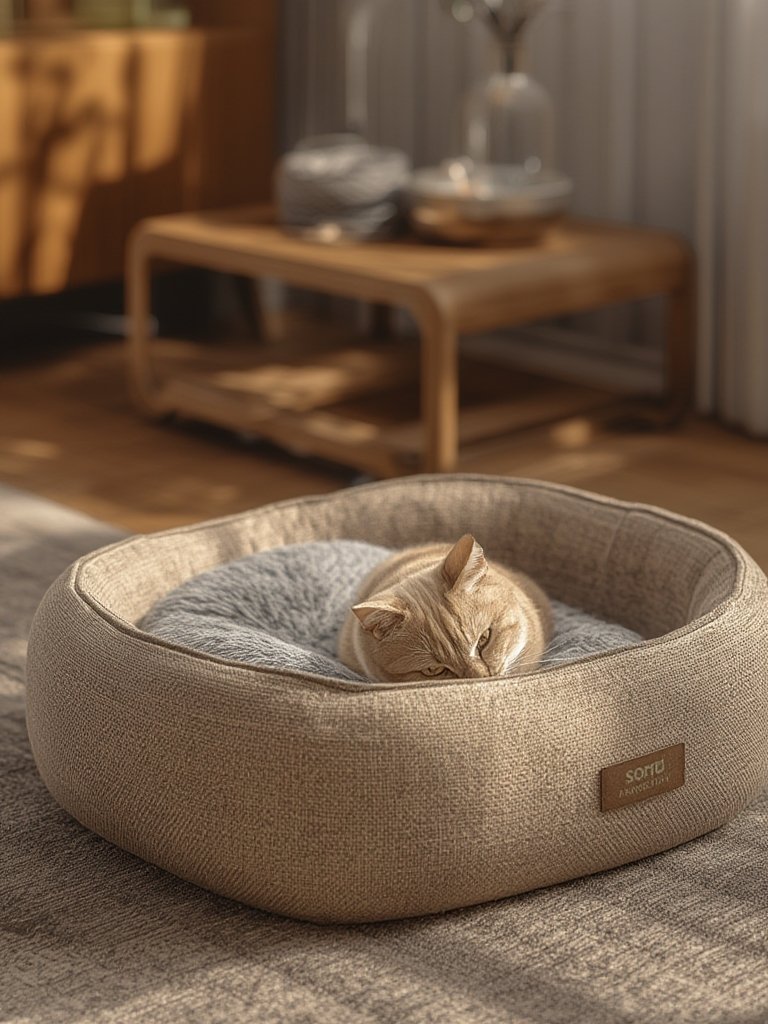
You’ll find that only a handful of brands tick every box—so shop with a checklist and don’t hesitate to reach out for details or independent certifications.
Advanced analysis & common pitfalls
Even the most stylish pet furniture can fall short if you overlook hidden pitfalls. Here’s what research data and real buyers highlight most:
| Common Pitfall | What To Watch For | Actionable Solution |
|---|---|---|
| Poor Claims Transparency | No published warranty data, repair stats, or durability information | Request written policy documents or look for heritage brands with published multi-year support |
| Vague “Sustainability” Labels | No specific eco-certifications or recycled content figures | Insist on third-party (not in-house) certifications and check for end-of-life recycling options |
| Assembly Issues | Poor instructions, tools not included, tedious multi-step setup | Look for unboxing and build video reviews or select pre-assembled options |
| Non-Removable Covers | Hard-to-clean fabrics or no waterproofing | Choose models with removable covers or hydrophobic surfaces (like those seen on premium mattresses) |
| Poor Integration/Style Mismatch | Doesn’t match décor or home function demands | Shop brands that offer customization or work with your décor palette |
| Weight Capacity/Instability | Beds tip or collapse under active pets or large breeds | Ask for verified pet size/weight charts; avoid ambiguous listings |
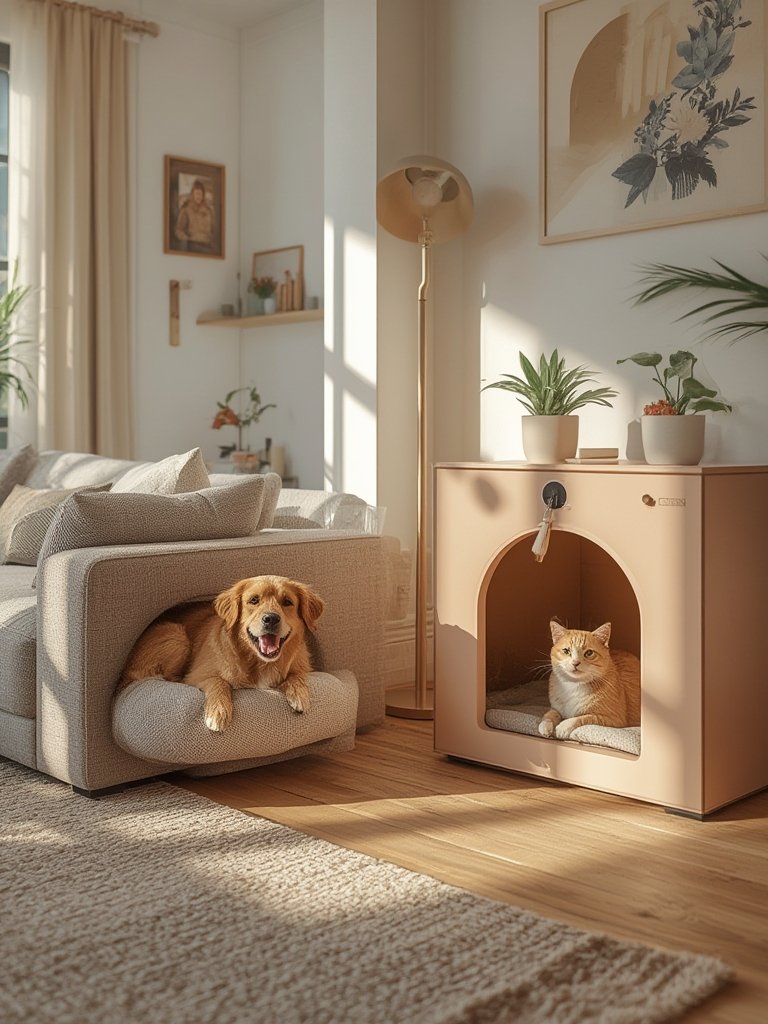
Avoiding these pitfalls requires diligence and sometimes hands-on testing. Don’t hesitate to contact manufacturers—your investment deserves clarity and real accountability.
Conclusion
Today’s premium pet furniture market is dynamic, but buyers must be proactive. By focusing on real certifications, transparency, ergonomic design, and style fit, you will make smarter investments that honor both your pet’s wellbeing and your own design tastes. Prioritize documented durability, not just buzzwords. Remember, the best pet furniture is a blend of thoughtful engineering, stylish design, and a commitment to long-term health and sustainability.
Ready to elevate your space and your pet’s comfort? Shop wisely-then enjoy a home everyone loves.
FAQ
Does premium pet furniture really last longer than mass-market options?
Premium materials and designs usually improve durability, but there is still a lack of public durability data or long-term warranty claims. Always request transparency before buying.
What certifications should I look for when buying eco-friendly pet bed furniture?
Key certifications include OEKO-TEX Standard 100, GREENGUARD GOLD, FSC wood, or GOTS for organic textiles. Ask brands for test reports or certification numbers to ensure credibility.
How can I ensure a pet furniture piece will blend with my existing decor?
Choose modular or customizable options, and consider brands that offer a range of finish or fabric choices. Always ask for real-life product images in diverse settings.
Are smart tech features in designer pet houses worth the premium?
Smart features like pet cams or climate controls can add real value for busy owners but always verify that the technology is user-friendly, durable, and supported with reviews or warranty coverage.
What’s the best way to clean high-end pet furniture?
Look for removable, machine-washable covers and waterproof inner liners. If not included, check that cleaning instructions are practical and materials can withstand regular deep cleaning.