

Pet dental care products are essential for protecting your dog or cat against gum disease, expensive vet treatments, and long-term health complications. Today, more pet owners are recognizing the impact of daily dental habits on their pet’s overall wellbeing and future bills.
Key takeaways
- Over 80% of dogs and 70% of cats have dental disease by age three-early prevention with dental care products is vital.
- Professional cleanings can cost $1,000-$3,000 per visit. Consistent at-home care saves significant costs long-term.
- Daily brushing and dental treats are scientifically supported methods to reduce dental disease and prevent systemic health issues.
- Understanding Pet Dental Care Products: What & Why
- Actionable Steps: How to Protect Your Pet’s Teeth
- Advanced Analysis & Pitfalls to Avoid
- Conclusion
- Frequently Asked Questions
Understanding pet dental care products: what & why
Pet dental care products include toothbrushes, finger brushes, enzymatic toothpastes, and sprays designed to prevent plaque, tartar, and gum disease in dogs and cats. These tools are not merely cosmetic-they’re a frontline defense against periodontal disease, which affects eight in ten dogs and seven in ten cats by age three (source). Untreated dental disease leads to discomfort, tooth loss, and costly vet procedures.
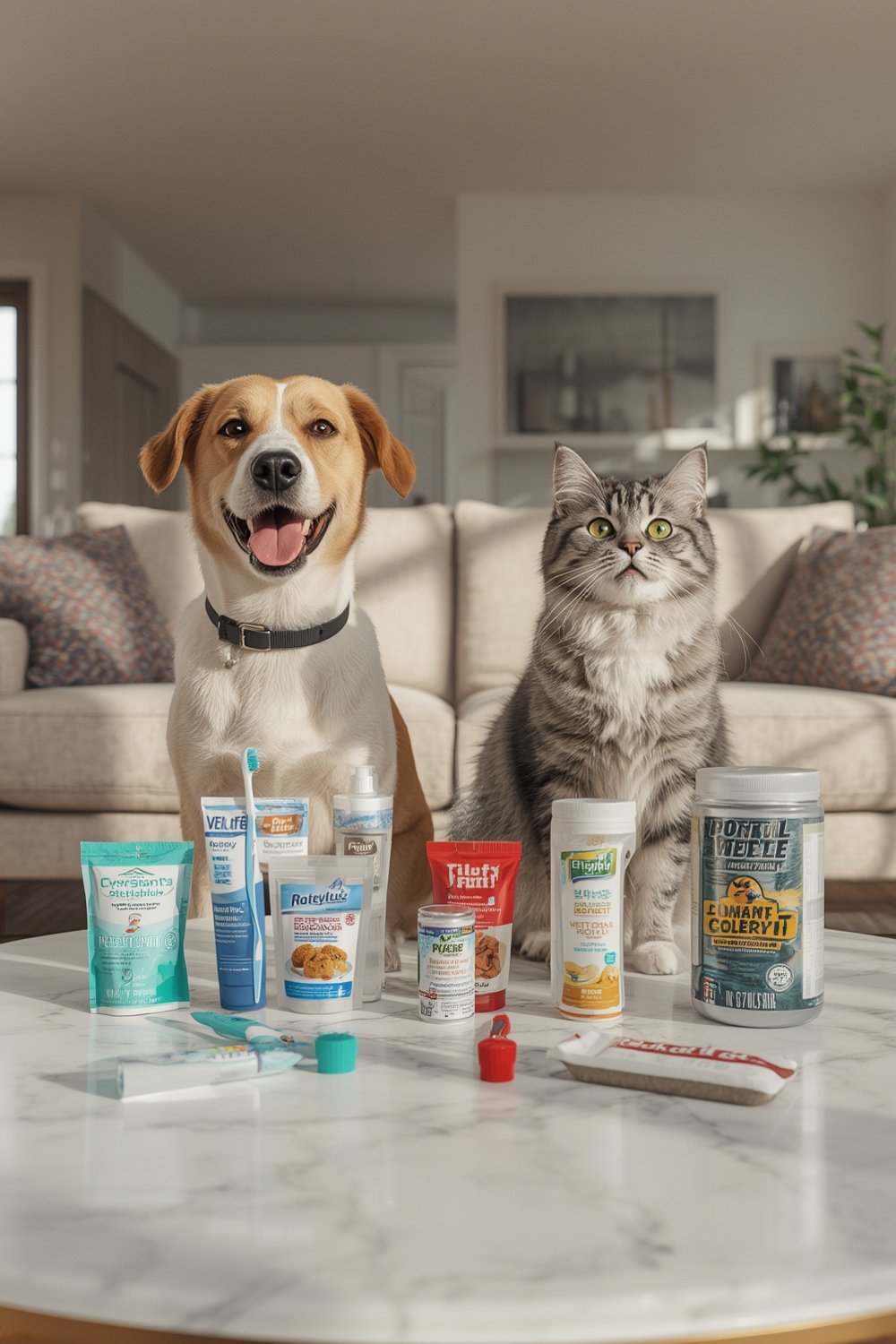
Market research values the U.S. pet dental health sector at $2.59 to $3.15 billion, with a global estimate of $8.2 billion (source). Routine professional cleanings cost $1,000-$3,000 per session and do not prevent recurring issues. By contrast, daily home care has a direct and measurable impact, minimizing plaque buildup and the chance of systemic complications like heart and kidney disease (source).
If your routine doesn’t include dental maintenance, your pet may already be suffering in silence. Early investment in effective dental products extends your pet’s life, reduces emergency vet bills, and gives you peace of mind.
Actionable steps: how to protect your pet’s teeth
Implementing a preventive dental care routine for your pet doesn’t have to be overwhelming. Here’s a straightforward process to help you keep dental disease in check—and avoid high vet costs down the line.
- Pro Tip: Always introduce dental care gradually. Start by letting your pet sniff and taste the toothbrush or dental treat before attempting a full cleaning session. Positive reinforcement is key.
- Hacks & Tricks: For pets that resist brushing, try wrapping the brush in a thin layer of wet cat food or use a flavored enzymatic paste to increase acceptance. Alternatively, dental powders like Native Pet GutWell Clean Breath can be mixed with their food for indirect cleaning.
Step 1: choose the right products
- For Dogs: Look for finger brushes, double-headed toothbrushes, and enzymatic toothpastes. dental chews such as Benebone Wishbone Chew Toy clean teeth while letting your dog chew naturally.
- For Cats: Cat-sized brushes, dental mesh toys like the Catstages Crunchy Pickle Kicker, or powders are preferable since most cats tolerate brushing less often.
Avoid products with harsh abrasives or unclear ingredients, especially in sprays and chews.
Step 2: establish a brushing routine
- Begin by gently rubbing your pet’s gums with a moist cloth or finger brush.
- Gradually introduce pet-safe toothpaste-never use human products.
- Brush daily if possible for best results; even two to three times weekly cuts risk substantially.
- Praise and treat your pet after each session to reinforce calm behavior.
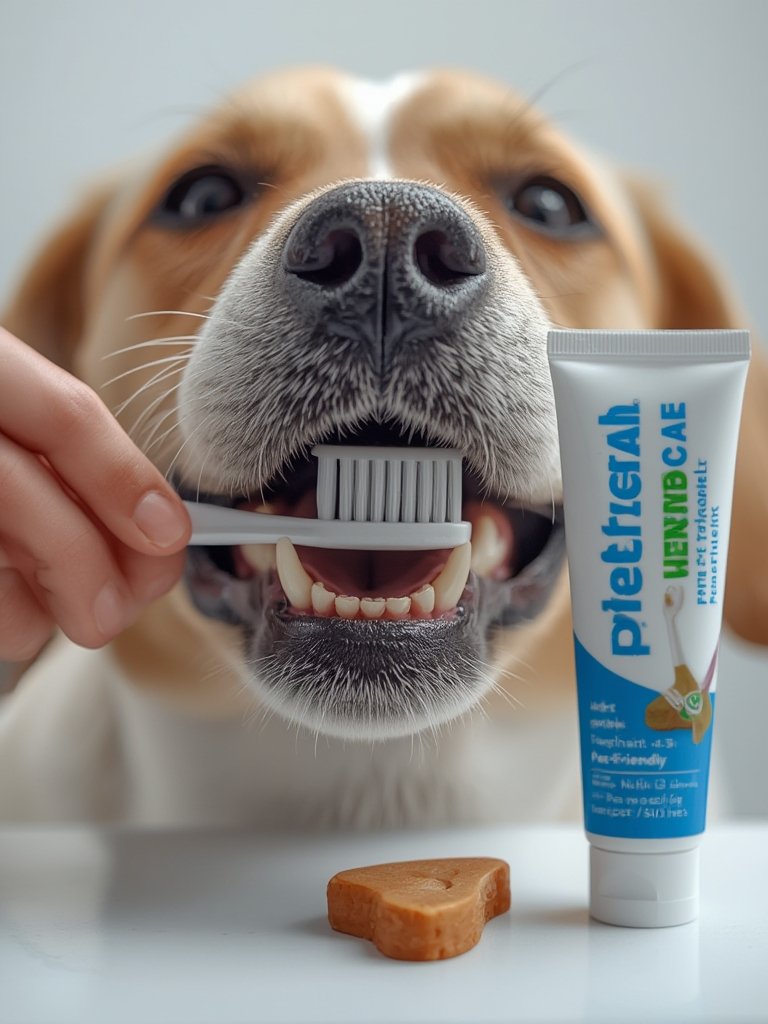
Step 3: supplement with dental treats and chews
- Dental chews and dental powders clean teeth by physical abrasion during chewing or through enzymes that fight plaque. Particularly good for dogs that resist brushing.
- Choose dental treats with natural ingredients and no added sugars.
Step 4: Schedule regular vet checkups
- Annual exams are crucial for catching early gum disease. Ask your vet to assess your pet’s oral health each year.
- If you notice bad breath, red gums, or difficulty eating, book a vet appointment immediately as these can be signs of advanced disease.
Investing a few minutes a day in at-home dental care offers significant savings compared to professional cleanings, which average $1,000-$3,000 per procedure (source).
Advanced analysis & pitfalls to avoid
While the case for pet dental care products is strong, there are common issues and misconceptions that can lead to wasted effort and unnecessary expense. Here’s what every dog and cat owner should watch out for:
Common pitfalls
- Inconsistent Routine: Brushing only once every few weeks isn’t effective. Consistency is crucial.
- Poor Product Choice: Some dental chews may be high in calories or lack vet-tested ingredients. Sprays without proven efficacy may give a false sense of security.
- Ignoring Professional Care: Even perfect home routines need to be supplemented with annual vet checkups. DIY only goes so far—don’t skip veterinary exams.
- Allergy & Safety Issues: Always check for any ingredients that may trigger allergies. Avoid chews that are too hard for your dog’s size, as they can cause tooth fractures.
| Approach | Upfront Cost | Maintenance | Risk | Effectiveness |
|---|---|---|---|---|
| Home Brushing & Dental Treats | $5-$40/month | Daily or several times per week | Low (if following safety guidelines) | High (when consistent) |
| Vet Professional Cleaning | $1,000-$3,000 per session | Yearly or as recommended | Moderate (anesthesia risk, cost) | Very high (removes all tartar & treats advanced disease) |
| No Dental Care | $0 upfront (high future cost) | None | Very high (gum disease, tooth loss, systemic illness) | Poor |
For more on affordable at-home wellness, see our guides on dog probiotics and automatic cat litter boxes to maximize your pet’s overall health.
You may also want to consider pet insurance coverage if you’re worried about managing unpredictable vet costs related to dental care or accidents.

Conclusion
Consistent use of pet dental care products is a proven, practical way to prevent disease, save thousands on vet bills, and greatly enhance your dog’s or cat’s quality of life. The statistics are clear—gum disease is nearly universal if left unchecked, but daily actions make all the difference. Start small, be consistent, and make use of the best pet dental care products for your companion.
Take charge of your pet’s oral health today. Explore top-rated products, talk to your vet, and create a simple habit that gives your pet a pain-free, longer life.
Frequently asked questions
How often should I brush my pet’s teeth?
Ideally, brush your pet’s teeth daily for maximum protection. Consistency is more important than perfection-aim for at least three times per week if daily brushing isn’t possible.
Are dental chews as effective as brushing?
Dental chews help reduce plaque and tartar, but they are not a complete replacement for brushing. For best results, combine both techniques in your pet’s routine.
What are the signs my pet has dental disease?
Bad breath, red or bleeding gums, difficulty eating, pawing at the mouth, or visible tartar buildup are early warning signs. Schedule a veterinary checkup if you see any of these.
Are cat dental sprays safe and effective?
Some sprays can reduce bacteria and freshen breath, but there is limited vet-endorsed research supporting their effectiveness against advanced disease. Choose sprays with transparent, natural ingredients, and prioritize brushing and dental treats.
How much does professional dental cleaning for pets cost?
Professional cleanings typically range from $1,000 to $3,000 per session, depending on your region and pet’s specific needs. Regular home care can greatly reduce the frequency of these costly procedures.