


Organic modern living room style is the leading home makeover trend of 2024, combining a calming, earthy vibe with uncluttered modern elegance. But how do you actually pull it off-without costly mistakes, endless cleaning, or sacrificing comfort? This no-fluff guide unpacks step-by-step ways to create a truly sustainable, inviting living room that lasts, even if you have a small space or a real-world budget.
Key Takeaways
- Organic modern living rooms layer natural materials, warm minimalist decor, and practical furniture for grounded comfort, not showroom coldness.
- Smart choices in maintenance, durability, and sustainability mean your room will look good—and stay functional—for years, not just for Instagram.
- Adapt the style to any room size by focusing on multi-purpose pieces and well-chosen textures, not just “big mood” photos.
- What is Organic Modern Living Room Style?
- The 2024 Look — Key Trends and Essentials
- Overcoming the Challenges — Warm Minimalism Meets Earthy Decor
- Choosing Materials & Decor — What Works (and Why)
- Practical Advice for Maintenance & Durability
- Sustainability in Organic Modern Living Rooms — Making it Real
- Adapting the Look for Small Spaces
- The Investment — Real Budget & Timeline Expectations
- Avoiding Common Regrets — Learn from Real Transformations
- Inspiration Gallery — 2024’s Best Organic Modern Living Rooms
- Conclusion
- FAQ
What is Organic Modern Living Room Style?
The organic modern living room blends the calming balance of minimalism with nature-inspired textures and warm, earthy home decor. Think: simple lines, airy layouts, reclaimed wood, natural stone, cozy textiles, lots of light, and always, a sense of sanctuary. This trend dominates 2024 because it feels fresh and healthy, but also deeply comfortable-combining timeless mid-century forms, tactile Boho details, and real sustainability over mere aesthetics.
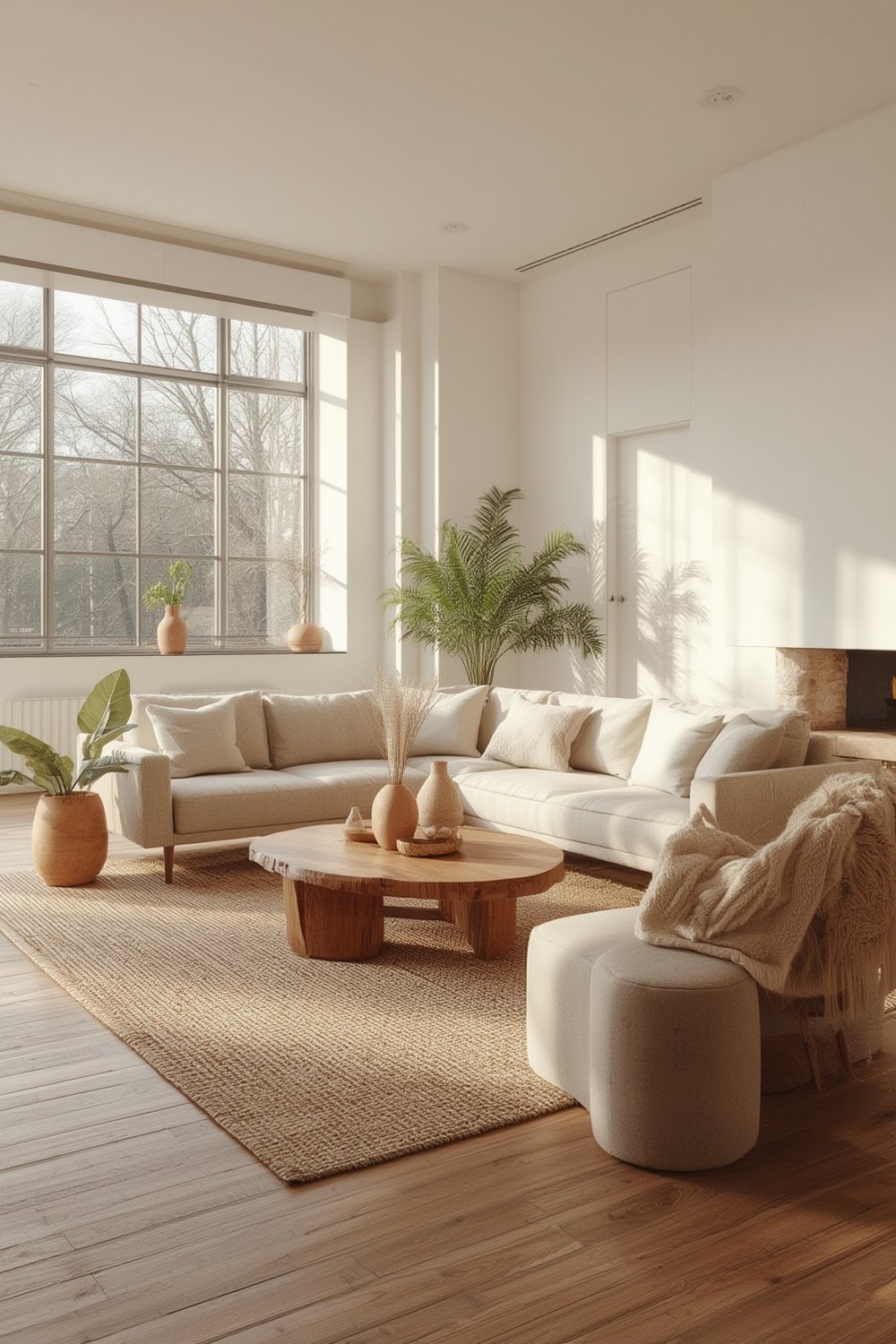
According to Castlery (2024), organic modern style merges clean lines and minimalism with natural materials like wood, stone, and clay, plus lots of indoor plants and soft furnishings. It’s less about a “look” and more about comfort, function, and a lightly curated feel that fits real life.
The 2024 Look — Key Trends and Essentials
The current organic modern living room revolves around a relaxing, multi-layered palette. Neutrals dominate: creamy white, oatmeal, beige, camel, brown, and light grey form the base. Warm ochre and terra cotta add richness if used sparingly. Layered, touchable textures (from linen to cashmere, jute to wool) prevent the space from feeling stale. Choose plush sofas, slipcovered sectionals, rattan armchairs, and accents like sheepskin throws, stone coffee tables, and oversized leafy plants for a lived-in-yet-elevated vibe.
Havenly’s (2024) trend report also highlights subtle earth tones: terra cotta, olive, rust, and sage. Try pairing these with neutral backdrops to avoid color fatigue or trend burnout.
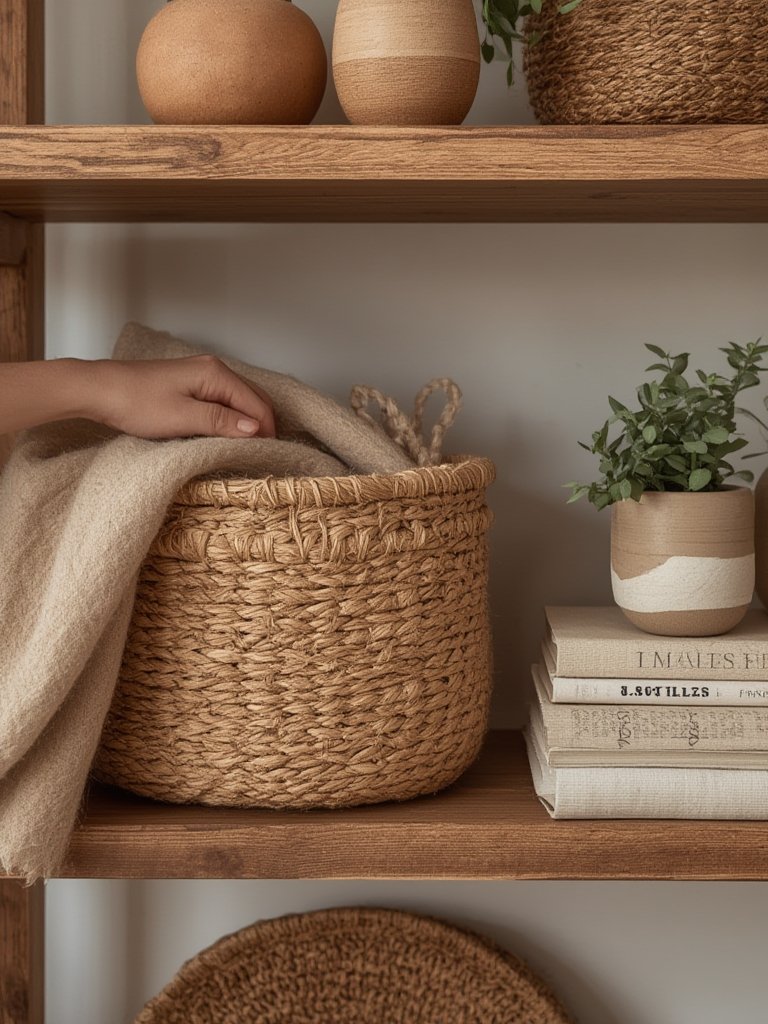
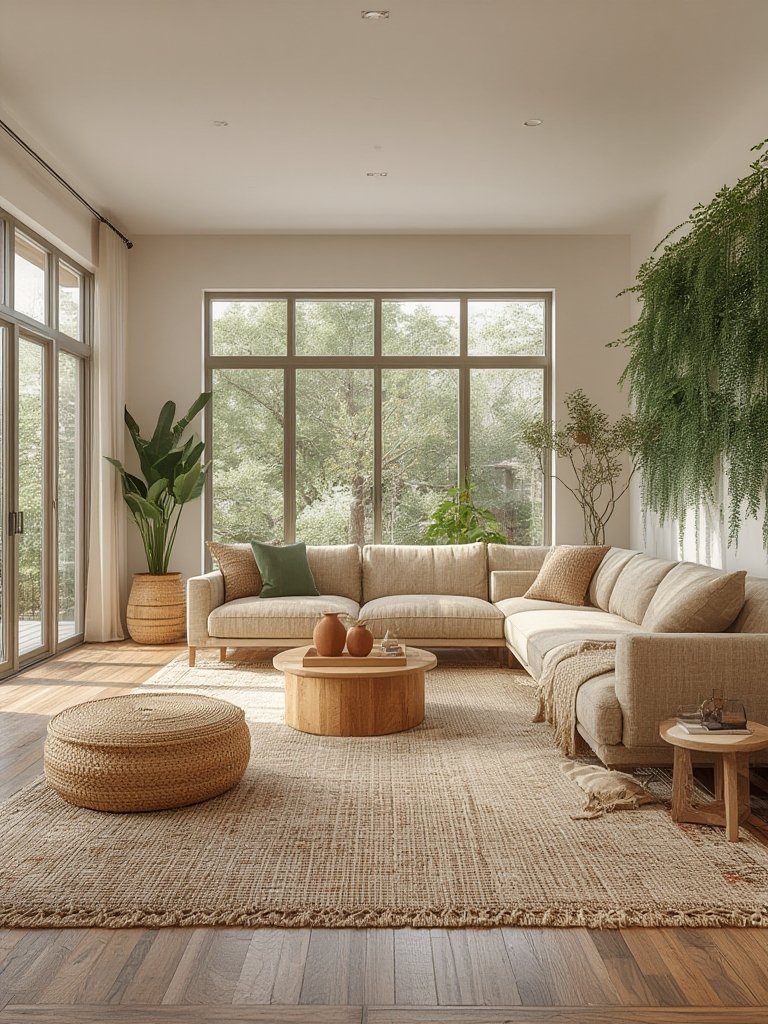
Incorporate biophilic design—think easy-care snake plants or a vertical moss wall—and opt for curtains, rugs, and throws in natural fibers. For renters or budget spaces, invest first in a good neutral rug and a statement light fixture; everything else can be built around those.
Don’t overlook organization. An extra large storage bag works wonders for “invisible” clutter control, blending style with daily living.
Overcoming the Challenges — Warm Minimalism Meets Earthy Decor
The hardest part of organic modern style is hitting the sweet spot between too-minimal (cold, clinical) and too-earthy (busy, dated). Stay practical:
- Color balance: Avoid stark whites and cool greys as your base. Stick to creams, ivories, and taupes layered with woodgrain and tactile fabrics.
- Texture curation: Limit statement pieces: a rattan armchair, one chunky wool rug, or a stone side table. Overlayering makes small rooms feel cluttered, not cozy.
- Personality: Use natural decor—branches, rustic pottery, woven trays—to add soul without the stuffiness of overcrowded shelves.
Struggling to find space for greenery? Consider wall-mounted planters. They offer biophilic benefits without stealing floor real estate. For lighting, a floor lamp with table delivers warmth and double-duty use for compact rooms.
According to Havenly (2024), warmth comes from layering—think sheer curtains with a chunky blanket, not dozens of little accessories. Always keep surfaces clear and add open shelving for display, not storage overload.
Choosing Materials & Decor — What Works (and Why)
Here are 2024’s most recommended organic modern living room materials and their real-world pros and cons:
- Reclaimed wood: Adds depth and unique character, eco-friendly—but can be heavy or splintery if not sealed well.
- Wool, cashmere, linen, sheepskin: Soft, warm, natural feel. Wool and sheepskin repel stains but may cause allergies for some. Linen wrinkles easily; wool needs careful spot-cleaning.
- Stone/concrete: Durable, timeless; can feel cold underfoot and may need sealing in homes with kids or pets.
- Rattan/jute: Textural, lightweight. Can fray or break down after years of wear in high-traffic zones.
Layering these with modern lines delivers true warm neutral design. For brand recommendations, Pure Salt Interiors and Studio McGee lead for both quality and trend awareness. See Jane at Home (2024) for a breakdown of materials.
For hidden organization, try a rolling underbed storage system—especially if you need to stash extra blankets or off-season textiles without visible bins.
Practical Advice for Maintenance & Durability
Most design blogs get this wrong: natural materials need real care. Avoid quick regret by planning maintenance upfront:
- Wood: Use coasters, dust weekly, and oil reclaimed or oak surfaces 2-4 times a year. Expect character marks to build up—embrace the evolving patina.
- Wool/Linen: Spot clean, vacuum regularly. Most linen slipcovers and wool throws need professional cleaning every 6-12 months, especially if you have pets or young kids.
- Rattan/Jute: Vacuum with a brush attachment, keep dry, and rotate for even wear in busy spaces.
- Stone: Wipe spills quickly, seal slabs annually.
For high-traffic living rooms, avoid all-white sofas unless covers are removable and machine washable. Brands like Castlery and IKEA offer stylish options with upkeep in mind. For quick cleaning, a cordless vacuum cuts down on dust in layered rugs and textiles.
As highlighted by Jane at Home, durability and ease of cleaning are often ignored, leaving homeowners frustrated—don’t repeat this mistake. Choose materials based on your actual lifestyle, not just appearance.
Sustainability in Organic Modern Living Rooms — Making it Real
Truly sustainable organic modern living room design goes well beyond calling something “eco-friendly.” To make choices that matter:
- Check certifications: Look for FSC (Forest Stewardship Council) labels for wood, OEKO-TEX or GOTS for textiles.
- Ask about lifecycle: A wool rug may last a lifetime; a cheap rattan chair could break and end up in landfill in two years.
- Source locally: Local artisans or regional furniture brands cut down on shipping emissions and support the community.
- Upcycle/rehome: Thrifted, vintage, or reclaimed pieces add personality while reducing waste.
According to Jane at Home and Castlery, most guides ignore the impact of carbon footprint and responsible sourcing. Don’t—these details future-proof your living room and your conscience.
Adapting the Look for Small Spaces
Short on square footage or renting? Organic modern living room style adapts beautifully—if you’re strategic:
- Opt for modular or multi-use furniture: Look for ottomans with storage, nesting tables, or a sofa bed in linen or cotton.
- Think vertical: Wall-mounted shelves, vertical planters, and hanging lighting save precious floor area while boosting style impact.
- Uniform rug color: Use a large natural-fiber rug (jute, wool) to visually unify the space and add cozy texture.
- Limit statement pieces: One large plant or a bold light fixture is better than a dozen small things, which can make the room feel cluttered.
See Houzz’s collection for small-space adaptations, though practical space-efficiency tips are usually missing—so rely on multipurpose choices above all.
The Investment — Real Budget & Timeline Expectations
Frustratingly, few 2024 guides offer honest cost or time breakdowns for an organic modern living room. Here’s what to expect, based on typical US and UK retailer pricing and hands-on experience:
| Element | DIY Cost Range | Designer-Led Cost Range | Typical Timeline |
|---|---|---|---|
| Basic palette + slipcovers | $250–$600 | $600–$1,200 | 1 week |
| Key furniture (sofa, table, rug) | $900–$2,500 | $2,500–$5,000+ | 2–6 weeks |
| Accents (plants, art, lighting) | $150–$600 | $600–$2,000 | 1–3 weeks |
| Full design service (planning to install) | — | $3,500–$15,000 | 2–12 weeks |
Start with the basics—like paint, slipcovers, or a new rug—before investing in permanent pieces. Upgrades like Command Hooks give flexibility and are renter-friendly. Remember, truly organic spaces often evolve slowly.
Avoiding Common Regrets — Learn from Real Transformations
No major review sites publish regrets for organic modern living room makeovers, but common sense (and design expert feedback) suggests these pitfalls:
- Over-minimalism: Room feels sterile, not cozy. Solution: Add natural accents—plants, a textured throw, hand-thrown pottery.
- Maintenance underestimation: Light-colored linen shows spills; jute scratches up. Solution: Choose pet/kid-friendly slipcovers and rotate delicate rugs out of high-traffic zones.
- No personality: Trend-following to a fault can feel hotel-like. Solution: Mix in vintage, heirloom, or locally crafted pieces.
- Budget shock: Natural/organic doesn’t always mean cheap. Solution: Source used/vintage and focus on one investment piece at a time.
- Lighting mistakes: Bad lighting makes everything look flat. Fix: Layer warm LEDs, floor lamps, and functional/ambient sources.
To avoid disappointment, test out big changes (like wall color or rug texture) before fully committing. If possible, live with samples for a week.
Inspiration Gallery — 2024’s Best Organic Modern Living Rooms
Ready to envision your space? Here are standout sources and brand examples for any room size:
- Pure Salt Interiors: Oversized sectional sofas, low-profile oak coffee tables, lidded ottomans—perfect for soft minimalism.
- Studio McGee: Linen ottomans, rattan pendants, cloud-style chairs for layered neutral design.
- Luebona: Cozy throws, affordable table lamps—ideal for first-time home stylers or small space solutions.
- Castlery: Modern silhouettes, walnut and light wood finishes—ideal for renters or those craving streamlined warmth.
For user ideas, browse Jane at Home galleries or submit your own setup to style challenge platforms. Don’t underestimate the power of greenery, as in-home biophilic touches now dominate mood boards and real-world layouts alike.
Conclusion
When done right, an organic modern living room is more than a trend—it’s a lasting, calming, and practical retreat that reflects your values. Start by identifying your real needs, then layer in warm minimalist decor and thoughtful earthy home decor for a resilient, beautiful result. Above all, choose quality (not quantity), and remember: your organic modern living room should evolve to fit your life, not the other way around. Ready to begin? Outline your palette, tackle your clutter, and invest where it matters most—you’ll love the transformation.
Want to make your upgrade even more functional? For organization hacks, check out guides like 10 Ultimate Secrets For Closet Organization With Velvet Hangers.
FAQ
What is the difference between organic modern and pure minimalism?
Organic modern living room style uses minimal layouts but adds warmth with plants, natural wood, textured textiles, and earthy accents. Pure minimalism can sometimes feel cold, while organic modern is all about comfort and balance.
Are organic modern living rooms hard to keep clean?
No, if you plan carefully. Choose washable slipcovers, regularly vacuum rugs, and wipe wood with a damp cloth. Avoid delicate, high-maintenance surfaces in high-traffic areas.
Can I achieve this look on a tight budget?
Absolutely. Start by updating wall color and textiles, then layer in thrifted or upcycled wood pieces, affordable linen covers, and DIY plant displays. Focus on quality over quantity. Even simple storage upgrades, like underbed bins, help maximize small budgets.
Is this style suitable for apartments and rentals?
Yes. Invest in removable Command Hooks, wall-mounted shelves, and lightweight furniture. Focus on portable pieces—rugs, pillows, floor lamps—that can move with you. Modular storage solutions also adapt easily to any space.
What are the easiest sustainable swaps for beginners?
Look for FSC-certified wood, GOTS/organic cotton textiles, and durable wool or jute rugs. Upcycle existing decor, and always ask about local sourcing to cut down on shipping impacts.