

Noise reduction garage door upgrades have become a must-have for modern homes, especially when bedrooms or living spaces sit above or beside the garage. Loud garage doors disrupt routines, disturb families, and even wake sleeping babies. Today, we’ll cut through the noise-literallyto show you what actually works to lower garage door sound, which solutions offer real value, which problems you might run into, and how to get the quietest results possible with a practical plan.
Key Takeaways
- Belt-drive and direct-drive garage door openers are proven significantly quieter than chain or screw drive systems, with new tech yielding up to a 15 dB reduction in operational noise.
- Noise reduction is more than opener choice—nylon rollers, door insulation, and regular lubrication/maintenance all play vital roles.
- Expect higher initial costs for ultra-quiet systems, but enjoy lower maintenance and less disruption, especially in homes with living spaces above garages.
Table of Contents
Understanding noise reduction for garage doors
Noise reduction for garage doors comes down to minimizing vibration, eliminating metal-on-metal contact, and insulating your door environment. The biggest culprit for most homes is the mechanical noise that stems from hardware, openers, and the panels themselves as they move. Traditional chain drive openers, with their exposed metal chains and AC motors, transmit rattling and vibrations throughout the garage and into adjacent rooms. In contrast, modern belt-drive or direct-drive opener systems use reinforced rubber belts or moving motor carriages to reduce both friction and operational decibel levels by up to 15 dB compared to chain systems. This matters even more now as 45% of modern homes have living spaces above the garage, making noise control essential for comfort and resale value.
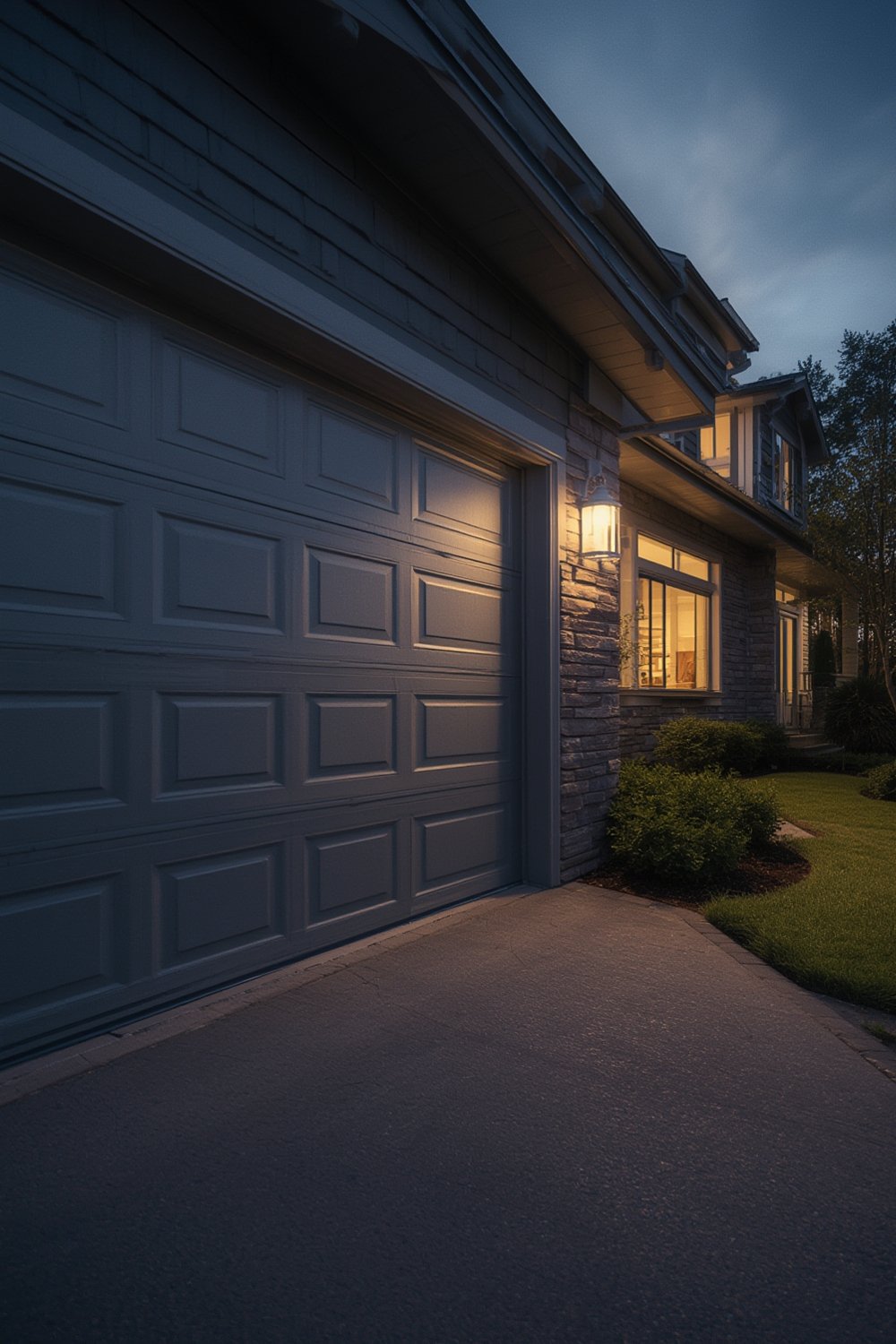
Homeowners most often complain about clattering, grinding, and rattling garage doors. These are triggered not only by the type of opener, but also by loose hardware, worn-out (often metal) rollers, unbalanced doors, lack of lubrication, old springs, and lack of insulation. Quiet solutions use DC motors with soft-start/soft-stop functionality and belt or direct drive mechanisms to slash noise. But for real silence, you need a full system approach: opener, rollers, hinges, and door insulation, with maintenance to match.
How to achieve a noise reduction garage door: Step-by-step
Follow these steps to dramatically reduce garage door noise—even if you don’t plan a total overhaul.
- Inspect and tighten hardware: Use a wrench and screwdriver to check every bolt and hinge on your garage door system-loose pieces amplify vibration and creaking. Tighten where necessary but avoid overtightening, which can strip components.
- Lubricate moving parts: Apply a high-quality garage door lubricant (not WD-40) to hinges, rollers, tracks, and springs every six months. This reduces metal friction and grinding.
- Replace old metal rollers with nylon rollers: Nylon rollers glide more smoothly and are much quieter. Look for sealed bearing types for durability and silence.
- Balance and align your door: An unbalanced or misaligned door strains the opener and hardware, making noise worse. If the door doesn’t stay put when disconnected, or closes unevenly, call a pro for balancing.
- Install a belt-drive or direct-drive opener: Belt-drive openers (with reinforced rubber belts) and direct-drive units (with a moving motor carriage) produce far less noise than chain or screw drive types. Models with DC motors and soft-start/soft-stop give extra quietness.
- Add door insulation: If your garage door isn’t insulated, consider adding foam panel kits. This not only dampens internal operational sounds but also blocks outside noise. In a recent survey, 42% of homeowners cited noise as their #1 reason for insulating.
- Check and upgrade opener mounting: Use rubber vibration isolation pads or mounting brackets to decouple the opener from ceiling joists, reducing noise transmission to upper floors.
- Perform maintenance regularly: Schedule seasonal checks for track alignment, roller and hinge wear, and opener performance.
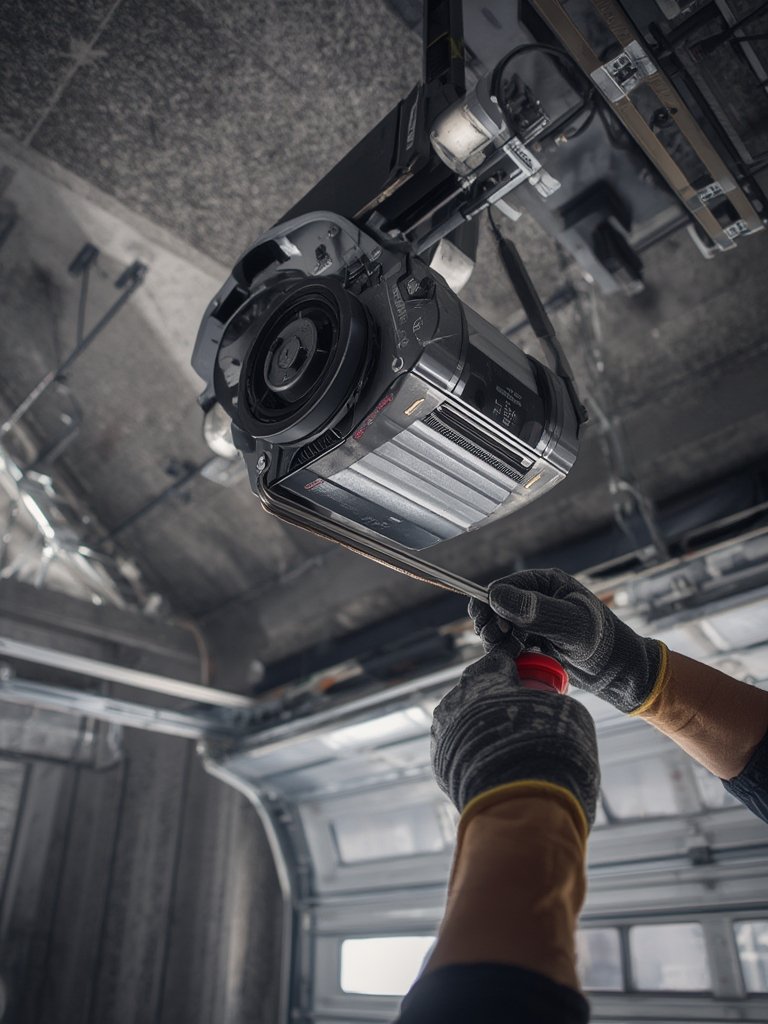
For more on modern garage tech, including app-enabled controls for silent openers, check out our complete smart garage door opener guide a must-read for anyone upgrading their system.
Advanced analysis & common pitfalls in noise reduction garage doors
While the steps above make a huge difference for most homeowners, here’s what many miss and what can realistically go wrong during a noise reduction project:
- Underestimating all noise sources: Many people spend on a quiet opener but keep old, squeaky rollers or forget loose door panels. The result: only minor improvements or noise just moves elsewhere.
- Assuming all belt-drive openers are silent: Some “budget” belts still make noise, especially if coupled with hollow steel doors or non-insulated mounts. Always check for DC motor/soft-start features and verify product reputation.
- Ignoring basic maintenance: Squeaks often return if lubrication and tightening routines are neglected-your quiet door can get noisy again within months.
- Cost expectations: Ultra-quiet openers may cost 20-50% more than basic chain drive models. Long-term savings are real, but not immediate.
| Opener Type | Noise Level | Maintenance Needs | Cost Range* |
|---|---|---|---|
| Chain Drive (AC Motor) | Loudest (high vibration, clattering) | Frequent lubrication & tightening | $$ |
| Screw Drive | Moderate (whirring, less vibration) | Moderate maintenance | $$ |
| Belt Drive (DC Motor) | Very quiet (−15 dB, low vibration) | Low (just check belt tension) | $$$ |
| Direct Drive | Quietest (almost silent) | Minimal (few moving parts) | $$$$ |
*Regional US cost breakdowns unavailable for 2024; expect higher up-front costs for belt/direct drive solutions but reduced maintenance over time (source).
Warranty terms rarely differ much between quiet and traditional openers, but maintenance demands decrease noticeably as you move from chain to belt or direct drives. Homeowners also often skip simple steps-like adding insulation or using vibration-dampening pads-because they get overlooked compared to the opener upgrade itself (full details).
If adding more home protection to your garage, see our review of the Ring Floodlight Cam Wired Plus for an effective and quiet outdoor security upgrade.
Conclusion
Reducing garage door noise takes more than just swapping your opener. The best results come from upgrading to a belt-drive or direct-drive opener, installing nylon rollers, adding door insulation, and sticking to regular maintenance. Real-world decibel reductions (up to 15 dB) are possible—especially if you tackle all major noise sources at once. While the upfront cost can be higher, the peace and quiet, lower maintenance, and improved home value make it worthwhile-especially if you have living spaces near the garage. Ready to eliminate disruptive noise? Start your noise reduction garage door upgrade today and experience the difference.
Frequently asked questions
What causes most garage door noise?
The main culprits are chain-drive openers, worn metal rollers, loose hardware, lack of lubrication, and unbalanced or poorly insulated doors. Each source amplifies vibration and sound throughout your home.
How much quieter is a belt-drive opener vs. chain drive?
Modern belt-drive systems can reduce operational noise by up to 15 decibels compared to standard chain drives, especially when paired with DC motors and soft-start/soft-stop features (source).
Are nylon rollers worth it for noise reduction?
Yes. Nylon rollers are much quieter than metal rollers, reducing friction, eliminating squeaks, and helping the opener run smoothly. They also last longer and require less maintenance.
Do insulated garage doors make a difference?
Absolutely. Insulation dampens internal operating noise and blocks outside sounds. A 2024 survey found that 42% of homeowners chose insulation mainly for noise reduction benefits (see survey).
Is upgrading to a quiet opener expensive?
Ultra-quiet openers (belt or direct drive) are typically 20-50% more expensive than basic chain or screw models, but deliver long-term value in reduced noise, lower maintenance, and more comfortable living.
—