

Multifunctional furniture is now an essential for anyone trying to make life work in a compact urban home—and knowing what to really look for can make or break your investment.
Key Takeaways
- Multifunctional furniture meets surging demand for space saving solutions in growing urban markets, but technical details and real user value are rarely explained well.
- Market-leading pieces like convertible sofa beds and storage ottomans are popular, yet most guides ignore long-term comfort, maintenance, and real-world space efficiency.
- Buyers should look past price—factor in size, weight limits, assembly, warranty, and sustainability to truly maximize value for compact living.
- Why multifunctional furniture is taking over small-space living
- What’s driving the surge: The urban and remote work boom
- Most popular multifunctional pieces and their market impact
- Key buyer questions: durability, comfort, and user experience (what’s missing in current reviews)
- Technical factors that actually matter: size, capacity, and materials
- Space optimization and layout efficiency: the real-world impact
- The next wave: innovations in multifunctional furniture (2022–2024 and beyond)
- What to watch: beyond price—warranty, maintenance, and sustainability
- FAQ
Why multifunctional furniture is taking over small-space living
City dwellers and families in small homes are increasingly relying on multifunctional furniture to make the most of every square foot. With residential consumers now accounting for approximately 68% of the global market, demand for space saving furniture has never been stronger. The global multifunctional furniture market in 2024 alone was valued between USD 12.7 and 15.9 billion[1], [2]. This shows a powerful shift toward clever, adaptable design—essential in tight urban settings, but still relevant for anyone who wants to live with less clutter and more flexibility.
What’s driving the surge: The urban and remote work boom
Urbanization and the growth of remote work have triggered a huge spike in demand for convertible, space saving furniture and modular furniture systems. As real estate prices rise, more professionals and families are moving into smaller apartments and houses. Simultaneously, hybrid home/work lifestyles mean that the dining table, sofa, or even a foldable desk table must serve multiple purposes. Notably, Asia Pacific’s market is expected to grow at 6.5–7.4% per year, led by rapid urbanization and a growing middle class[3]. This means more people are seeking out flexible solutions that let one space adapt from work to relaxation—and back—in a matter of seconds.
Most popular multifunctional pieces and their market impact
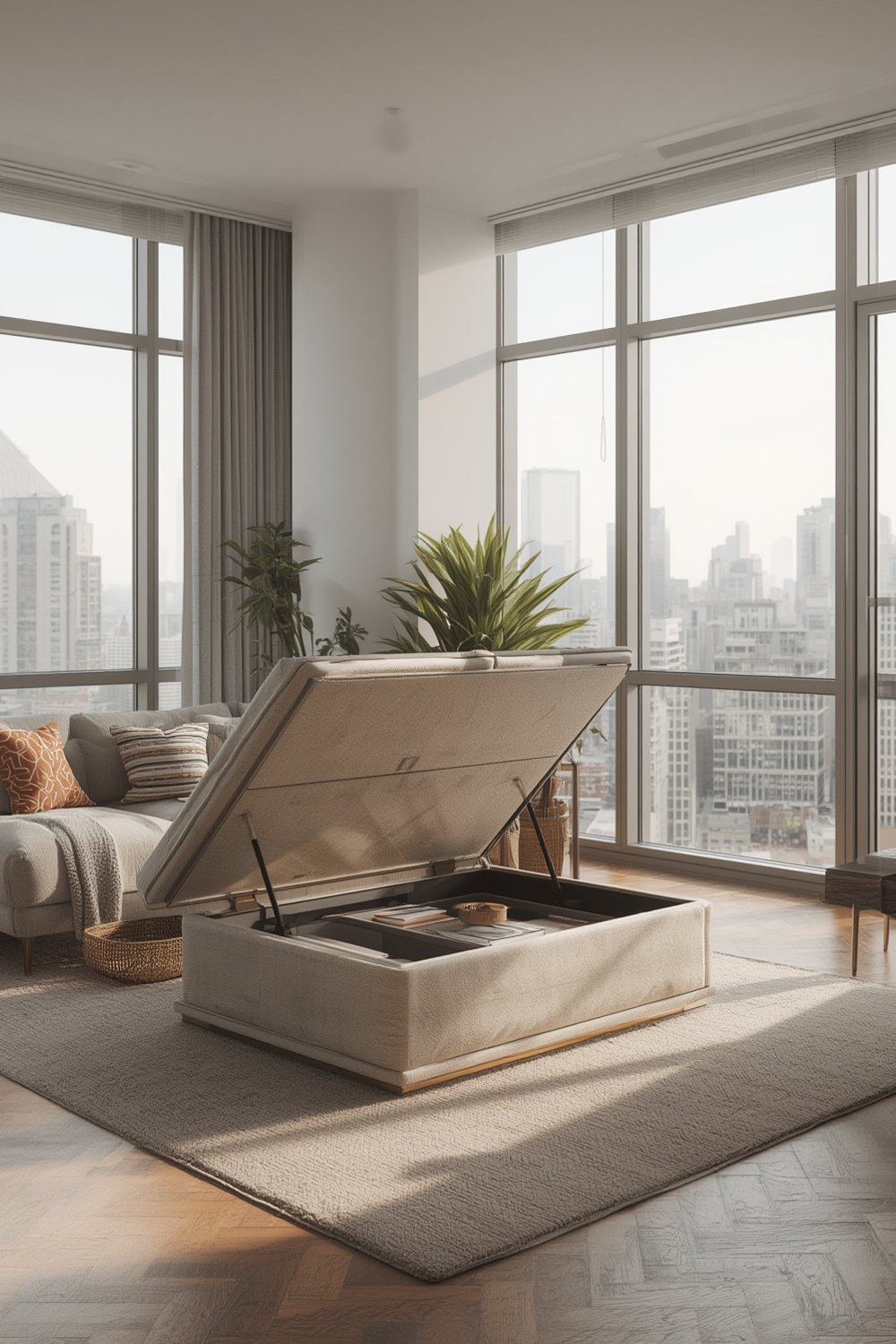
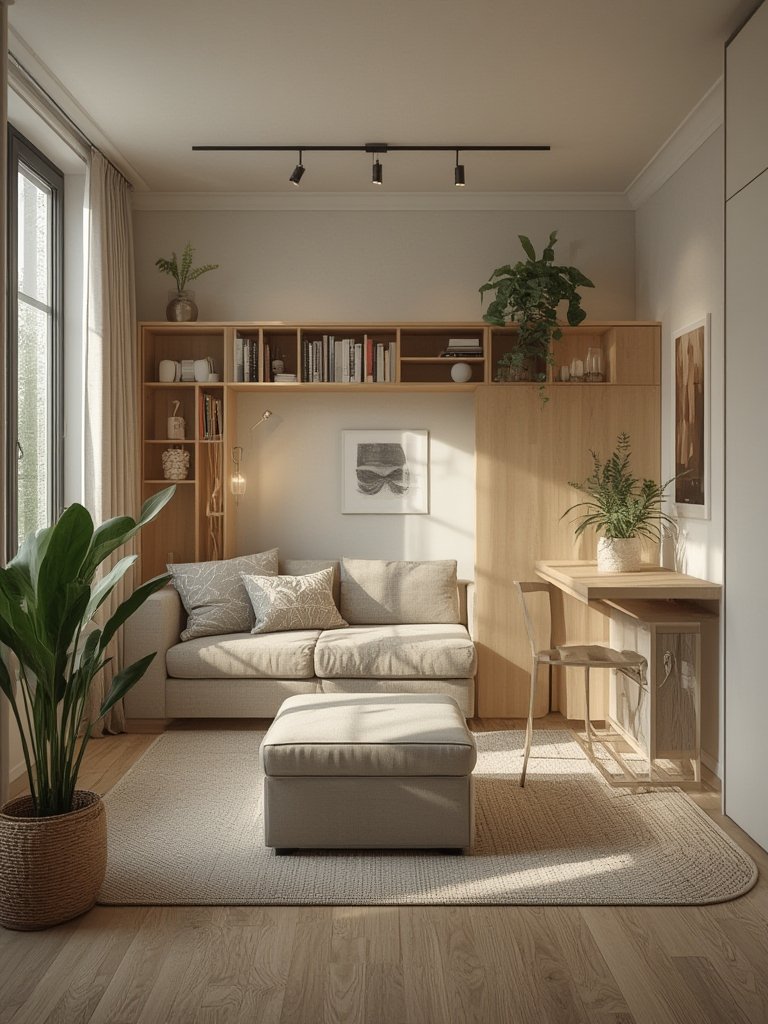
The top contenders in the multifunctional category include the convertible sofa beds, modular furniture system setups, storage ottomans, and the increasingly popular foldable desk table. Sofa beds, for example, now account for approximately 22% of industry revenue in 2024—a favorite among renters, apartment dwellers, and hospitality providers. Storage ottomans and modular shelving can add hidden storage without taking up extra floor space. Many popular configurations use lightweight and easy-to-assemble materials, but technical and comfort details often remain vague. For a deeper look at modular solutions and flexible seating, see this guide to modular sofa trends.
Key buyer questions: durability, comfort, and user experience (what’s missing in current reviews)
Most articles praising modular furniture systems and convertible sofa beds focus only on design and use-case scenarios. They rarely address comfort during long-term use, how robust folding or modular mechanisms really are, or the ease of switching modes over time. There’s almost no data on how these pieces support ergonomics or endure daily wear. Current reviews are missing:
- Long-term comfort (especially for regular sleeping or working)
- Ease of conversion/setup for one person
- Maintenance—how complex it is to keep clean, or repair if parts break
- User satisfaction or reliability (beyond initial purchase impressions)
In short, nearly all top-ranking content skips user-experience analysis, maintenance info, and long-term value data—a serious gap for anyone trying to make an informed decision.
Technical factors that actually matter: size, capacity, and materials
When space is tight, the fine print on size, materials, and weight capacity matters as much as design. Yet buyer guides, product pages, and market reports almost never give clear dimensional specifics or stress-test results. For instance, wood is the dominant material with a 43% market share[1], but “wood” can mean anything from solid oak to a light plywood core or veneer. Weight capacity, actual assembled dimensions, and whether parts are tool-free assembly or require heavy lifting should guide your buying strategy. Storage ottomans and modular systems can vary wildly in useful volume and sturdiness—details that matter for daily use.

If you’re purchasing a foldable desk table, be sure to read specialist reviews or look into tables like the Cosco 6ft Fold-in-Half Blow Molded Folding Table for genuine durability assessments and ease-of-storage feedback.
Space optimization and layout efficiency: the real-world impact
Multifunctional and space saving furniture designs promise theoretical square footage gains, but actual independent data is rare. No public studies reliably quantify “how much space you really save” or how layout efficiency improves with specific pieces. Even experienced designers admit results vary depending on floorplan, usage habits, and whether everyone in the household actually converts things back and forth each day. If space optimization is your main priority, try creating a scaled room diagram and cut-out representations of your existing and planned furniture. For space benefit, consider combining your research with functional accessories like a rounded chair leg protector to make moving items easier without damaging your floors.
The next wave: innovations in multifunctional furniture (2022–2024 and beyond)
Industry sources talk about 2022–2024’s “design innovations” and “technology advancements” for modular furniture systems and convertible sofa beds, but actual examples are absent from mainstream market reports. The truth is, innovation headlines often outpace the real products you can purchase today. While patents are being filed for self-assembling parts, app-controlled mechanisms, and modular smart home integration, most newly launched furniture in showrooms relies on the same materials and conversion methods as before. If you want to future-proof your choice, look for pieces with clear upgrade paths or open-source module compatibility—but don’t expect radical breakthroughs in everyday stores just yet.
What to watch: beyond price—warranty, maintenance, and sustainability
Most shopping guides focus on price, but urban dwellers should weigh warranty terms, after-sales support, maintainability, and eco-friendliness alongside sticker cost. Few brands highlight what their warranty actually covers, who to contact for replacement parts, or the repair process if you damage a panel or mechanism. Sustainability, especially in Europe, is becoming a top priority—a point noted by only a single market report[4]. Look for modular furniture system providers that commit to transparent material sourcing, recyclable packaging, or a formal end-of-life recycling program. If you are passionate about authentic sustainability, check out this resource on reclaimed wood furniture to compare options.
FAQ
Is multifunctional furniture comfortable for everyday use?
It depends on the piece. Some convertible sofa beds and fold-out desks prioritize compactness over comfort. Look for designs with thick cushions, sturdy support, and independent user reviews focused on long-term comfort—especially if using as a primary bed or workstation.
How do I know if a modular furniture system will actually fit my space?
Always check published measurements and test out dimensions with painter’s tape or a floor plan mockup. Many product listings exaggerate “compact” features, so compare real widths and depths before buying.
What technical specs should I always ask for?
Insist on detailed dimensions (both closed and open positions), weight capacity, material descriptions, and assembly requirements. For items like storage ottomans or folding desks, look for reviews or specs mentioning weight distribution and repeat performance of moving parts.
Are there truly eco-friendly options in this category?
Some manufacturers in Europe and select US-based brands focus on responsibly sourced wood, certified materials, and repairable construction. Read the fine print, favor recognized certifications, and ask for documentation if sustainability is a top concern.
What if I need to move heavy multifunctional furniture in a small space?
Consider using ergonomic moving tools like a shoulder dolly moving strap, which makes it easier to lift and reposition furniture without damaging your floor or straining your back.
Conclusion
Choosing the right multifunctional furniture is about more than style or price. Prioritize technical specs, materials, warranty, and honest usability feedback to steer clear of post-purchase regret. Space saving furniture works best when you match real needs—like compactness, comfort, and versatility—to transparent, evidence-driven product details. Demand clarity, invest in durability, and don’t settle for vague marketing. Ready to find the most practical options for your small space? Start comparing with a critical eye and make your next purchase with confidence.