

Indoor outdoor living is more than just a trend-it’s an essential shift in how homeowners blend comfort, utility, and value, creating a seamless connection between their interiors and the world outside.
Key Takeaways
- Homeowner demand for indoor outdoor living spaces has surged 50% since 2020, with huge interest in multi-functional patios and outdoor kitchens.
- Seamless transitions require careful planning-weather concerns, technical details, and budgeting are key to lasting satisfaction.
- Smart features like motorized louvers and solar-powered lighting are reshaping year-round usability and comfort in indoor outdoor living spaces.
The core concept
Indoor outdoor living means opening up your home’s boundaries by connecting interior spaces to the outdoors. This approach uses features like wide retractable glass walls, unified flooring, and smart weather solutions to create flexible zones for dining, lounging, and entertaining. The appeal is straightforward: More natural light, extra living space, and year-round enjoyment, no matter your lifestyle.
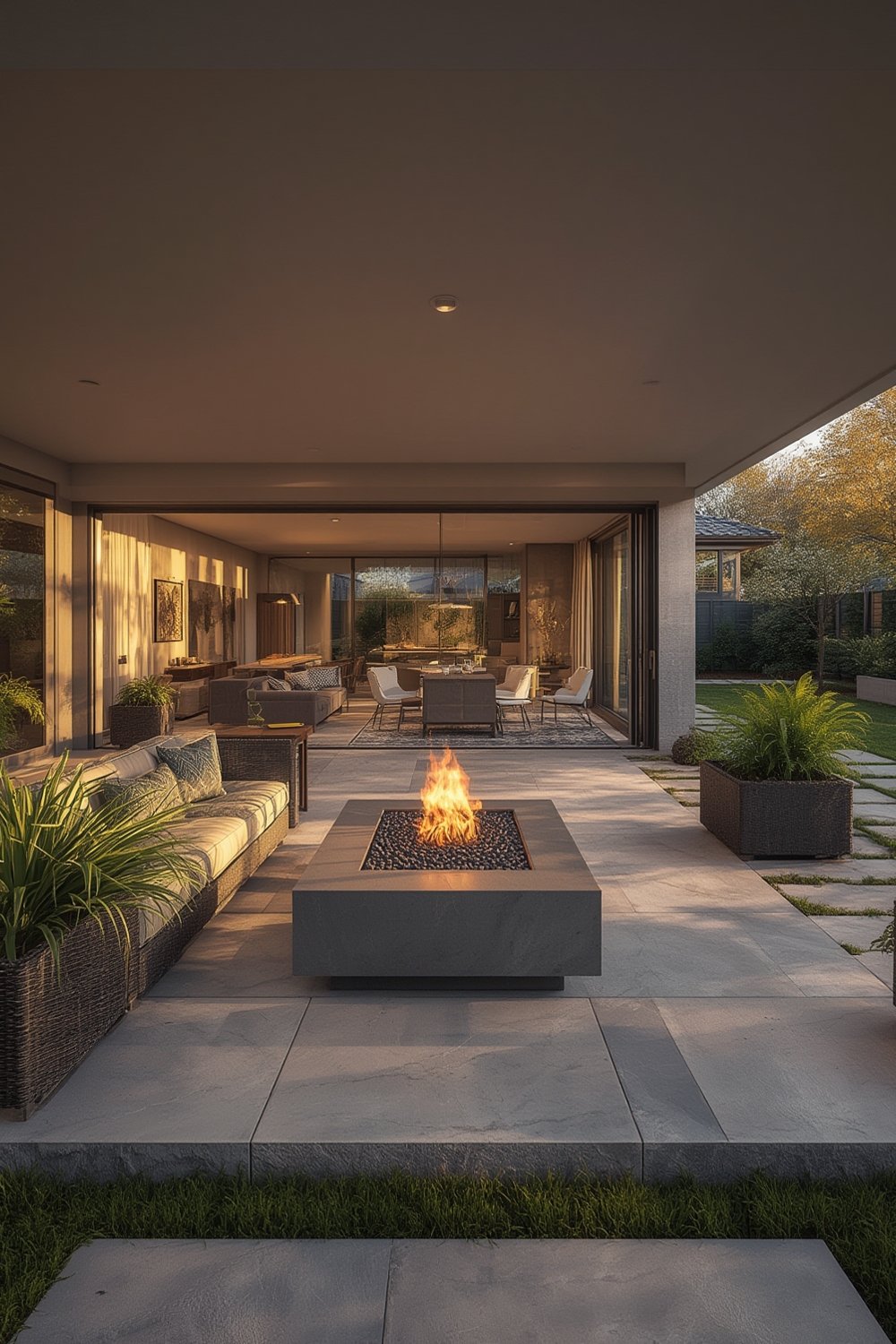
Demand for these spaces has soared-a 2024 report shows a 50% increase since the pandemic. About 75% of millennials now seek outdoor kitchens, and entertainment patio upgrades have risen 40%. The benefits go beyond home value. Health improves with more sun for vitamin D, and multi-use patios are used for relaxation, small gatherings, even remote work.
While some renovations like new roofs almost fully recover their investment on resale, patios, decks, and landscaping primarily offer non-monetary ROI: well-being, quality of life, and more functional square footage. Considering these factors is essential when planning your project.
Step-by-step guide
Ready to transform your space for indoor outdoor living? Follow these actionable steps for a smooth, lasting transition:
- Pro Tip: Start planning with your climate and natural light in mind. This impacts everything, from flooring choices to roofing and flexible shade solutions.
- Hacks & Tricks: Install threshold-free, flush tracks for patio doors. This turns the dividing wall into an open, walk-through area—no more tripping, better accessibility, and a totally seamless look.
- Audit your existing space. Measure dimensions, note sunlight exposure, and evaluate obstructing features like HVAC units or landscaping. Photograph the area for reference.
- Identify your main goals. Is your priority outdoor dining, sunbathing, working from home, or socializing? When you focus on usage, you can design for real-world comfort.
- Select weatherproof flooring and finishes. For year-round usability, unify interior and exterior floors with weather-resistant pavers, composite wood decking, or porcelain tiles. Match tones for a continuous visual effect.
- Choose seamless door systems. Retractable glass walls or bifold doors maximize your opening-budget $6,000 to $30,000, depending on materials and size.
- Add cover and climate solutions. Include a louvered pergola, awning, or roof extension. Smart tech like motorized louvers adjusts to sun or rain. For all-seasons use, add radiant heaters or slim-line overhead fans (plan $2,000 to $6,000 per zone).
- Create functional zones. Define an outdoor living room, grilling area, or workspace with furniture, rugs, and planters. Anchor your layout to the indoor side for seamless flow.
- Upgrade outdoor kitchens. The average spend for a permanent setup can run $10,000 to $30,000 for appliances, counters, and utilities. Modular outdoor kitchens offer a budget alternative and flexible layouts.
- Integrate smart features. Solar-powered LED lights, app-controlled heaters, and outdoor speakers add comfort and convenience.
- Boost security and maintenance. Motion-activated lighting and video cameras, like the Ring Floodlight Cam Wired Plus or Tuffenough Solar Outdoor Lights, keep your new space safe and well-lit.
- Protect against water damage. Ensure proper drainage with gutter guards or sloped patios, especially in areas prone to heavy rain. For extra precaution, use a waterproof under sink mat to contain leaks beneath your outdoor kitchen units.
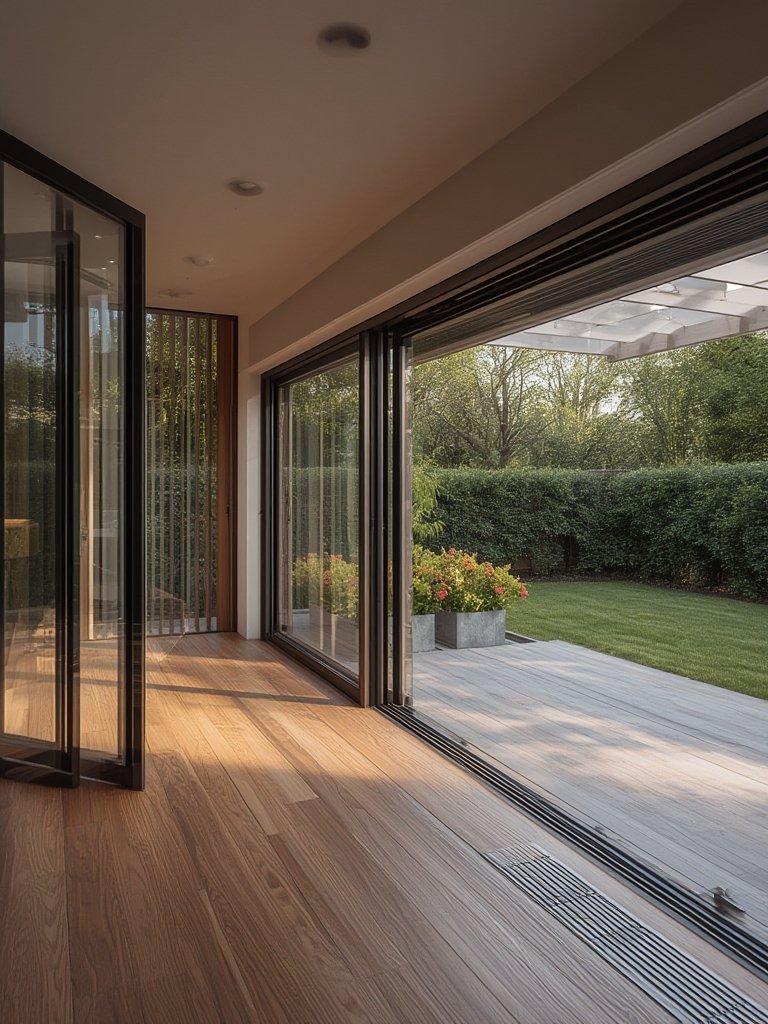
Permitting and zoning must not be overlooked. Contact your local building authority early to confirm set-back limits, fencing, and allowable structures-even if your project feels minor. Delays for missing paperwork can stall completion for weeks or months, costing you both money and momentum.
Keep future needs on your radar. Add wiring conduits for tech upgrades and invest in quality, low-maintenance finishes-especially if you live in areas with hurricanes, wildfires, or frequent storms.
Advanced analysis & common pitfalls
The dream of indoor outdoor living often bumps up against practical challenges. Here’s what goes wrong and how to sidestep setbacks.
| Pitfall | Likely Cause | Prevention/Solution |
|---|---|---|
| Water intrusion & drainage issues | Poor site grading or insufficient guttering | Install gutter guards, plan patio slopes, use waterproof materials |
| Temperature extremes | Inadequate shade or insulation, lack of climate controls | Add motorized louvers, radiant heaters, ceiling fans, or vinyl/wood windows |
| Frequent repairs in harsh climates | Choosing non-durable finishes or skipping protective coatings | Invest in composite decking, non-rusting fasteners, and UV-stable fabrics |
| Poor indoor-outdoor transition | Mismatched flooring, high door thresholds | Use flush-tracked doors, match floor heights, choose slip-resistant surfaces |
| High costs or cost overruns | Poor initial planning, custom solutions without budget control | Get multiple quotes, prioritize essentials, opt for modular kitchens or lighting for phased upgrades |
| Code violations & delays | Skipping permits, not checking setback or HOA rules | Consult local authority before design starts, document everythink |
Extreme weather zones (like Texas, Florida, and California) report higher dissatisfaction and ongoing maintenance due to storms, erosion, or fire. For these areas, plan regular checks of structural elements and invest in more robust systems. Water and electrical safety must take top priority-never cut corners on code compliance or professional installation.
Another commonly ignored factor is outdoor lighting. About 18% of 2024 outdoor upgrades enhance lighting, but many homeowners still under-light patios, resulting in poor security and after-dark usability. For optimized security, consider a dusk to dawn motion sensor light connected to your smart home system.
Competitor guides often gloss over integrating smart tech, customizing layouts to active lifestyles, and considering upgradability for future needs. Focus on these details for greater satisfaction and longevity from your investment.
Conclusion
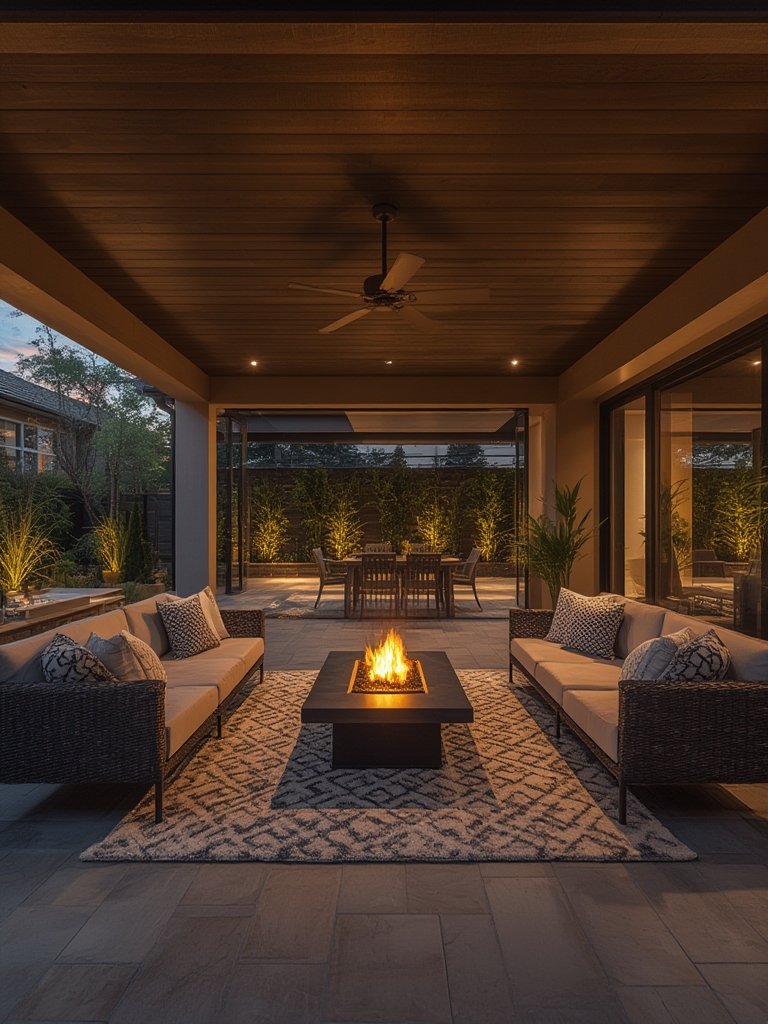
With the right planning, indoor outdoor living transforms everyday routines-bringing light, relaxation, and value into your home. Prioritize weatherproof materials, smart security features, and flexible climate controls for a seamless, functional space that lasts. Always address code compliance, anticipate local weather risks, and build for your real lifestyle-not just for looks. Start designing your perfect indoor outdoor living environment today-take the first step, and watch your home open up in all the right ways!
FAQ
What is indoor outdoor living?
It’s the design approach of connecting interior spaces to exterior patios, decks, or gardens through large openings, matching materials, and flexible climate solutions for all-season use.
How much does it cost to upgrade for indoor outdoor living?
Estimates vary. Retractable doors can run $6,000 to $30,000, outdoor kitchens $10,000 and up, with additional spending required for climate solutions and custom features. Modular setups can reduce costs.
What features maximize ROI in an indoor outdoor project?
While patios and decks offer lifestyle value, upgraded roofing and energy-efficient windows provide the best financial ROI-up to 100% recovery per recent statistics.
Do I need a permit for an indoor outdoor living renovation?
Usually, yes-especially for structural door openings, decks, and any electrical or plumbing work. Always check with your local planning department before starting.
How do I make an indoor outdoor transition usable year-round?
Combine insulated or composite materials, install climate controls (like heaters and fans), provide adjustable shading, and integrate smart, weather-dependent automation.