

GPS dog fence solutions are quickly replacing traditional pet containment methods as dog owners demand flexible, high-tech options for keeping pets safe without physical barriers. This guide gives you actionable steps, up-to-date research, and must-know insights for anyone considering a wireless, GPS-powered dog fence in 2024.
Key takeaways
- GPS dog fences are growing fast, with search popularity up over 500% in just a year as more dog owners turn away from traditional wired systems.
- Innovations like universal cellular connectivity and expert-designed training apps make today’s GPS fences easier and more reliable than ever before.
- Potential pitfalls include GPS accuracy on challenging terrain, battery limits, legal requirements for products, and the need to set clear boundaries with positive training.
- What Is a GPS Dog Fence and Why Use One?
- How to Use a GPS Dog Fence: Step-by-Step Guide
- Advanced Analysis and Common Pitfalls
- Conclusion
- Frequently Asked Questions
What is a GPS dog fence and why use one?
A GPS dog fence is a wireless containment solution that uses satellite positioning and sometimes cellular connectivity to define invisible boundaries for your dog. These systems typically use a collar that alerts your pet (with tones, vibration, or static feedback) when nearing the edge, helping dogs learn to stay safely within a chosen area without the need for physical fences or buried wires.
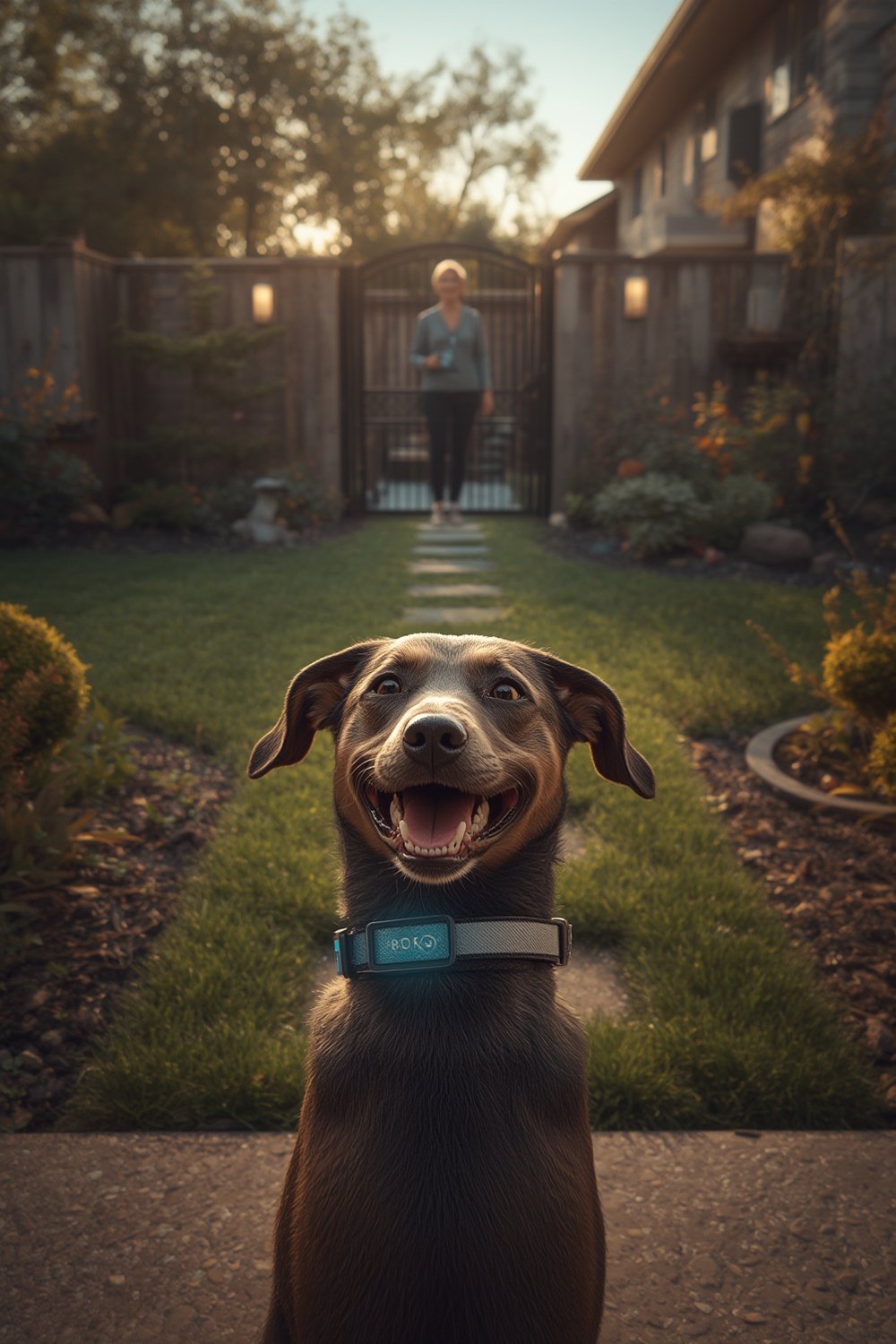
Market data shows GPS dog fences are now outpacing interest in old-style fences, with a 524% year-over-year search growth and leading brands like Halo Collar quadrupling sales since their launch (source). These systems are popular thanks to their portability, flexibility, and ease of setup-they work anywhere you go (across the yard, at a vacation cabin, or even at the park). Newer GPS collars offer advanced tracking, precise real-time alerts, instant boundary changes, and even guided training via smartphone apps by behaviorists such as Cesar Millan.
Unlike traditional in-ground systems (which require digging and installation), GPS dog fences set up in minutes and are easy to adjust. There’s no need for yard modifications-just place the virtual fence where you need it. For owners who travel frequently, rent their homes, or want more flexible control without the hassle or permanence of a physical fence, GPS dog fences are a top choice. For extra peace of mind and health, many dog owners also pair these systems with health products like dog probiotics.
How to use a GPS dog fence: step-by-step guide
Setting up and using a GPS dog fence is straightforward, but getting the best results requires careful planning and training. Follow these steps for safer, stress-free containment:
- Choose the Right GPS Dog Fence System
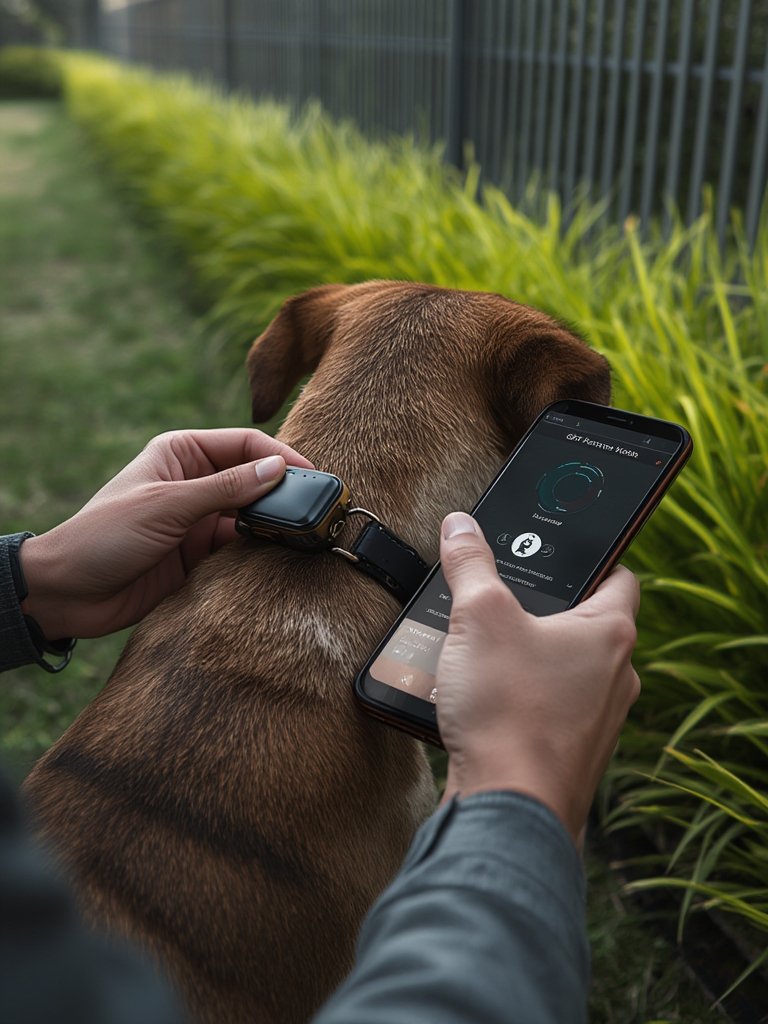
Consider your budget, the size of your property, subscription requirements, and coverage reliability. Look for collars with multi-network connectivity (universal cellular), strong battery life, and weather resistance. - Map Out Your Boundaries Use the mobile app to walk the desired perimeter. Adjust for gardens, driveways, or no-go zones. Make sure the area is free of signal obstructions like dense buildings or metal structures.
- Fit and Test the Collar
Ensure the collar sits snug and comfortable. Test alert tones and static/vibration settings at the edge of the fence, so they’re appropriate for your dog’s temperament. - Initiate Boundary Training
Start slow—lead your dog on a leash while approaching the boundary. Use positive reinforcement (treats, praise) as they respond to warnings. Consistency helps your dog learn. - Enable and Monitor In-App Features
Activate live tracking, set alerts for breaches or low battery, and utilize guided tutorials if available (Halo’s app includes Cesar Millan’s program). Regularly review activity logs to spot patterns or issues. - Test and Adjust Regularly
Periodically walk the boundary and check for GPS drift (virtual lines moving unexpectedly). Adjust sensitivity and update the fence as landscaping or usage needs change. - Maintain the Device
Keep the collar clean and charged. Check for firmware/app updates that bring new features or fix bugs.
- Pro Tip: Always introduce your dog to the GPS fence boundaries with the collar in training mode only (tones or vibration, no static) until your dog reliably responds. This builds confidence and faster, safer adaptation.
- Hacks & Tricks: For tricky property layouts, set up multiple overlapping, smaller GPS zones—like around pools, gardens, or doorways—for extra coverage. This compensates for potential GPS inaccuracies near outbuildings or heavy tree cover.
If you need to remove pet hair from beds or carpets after all that training, try a pet hair remover carpet rake to save time. For improved dog wellness and less yard mess, check out our dog probiotics guide and automatic litter box solutions too.
Advanced analysis and common pitfalls
While GPS dog fences offer flexibility, some challenges and pitfalls are worth noting before replacing (or supplementing) your physical fence:
- GPS boundary drift: Satellite accuracy may vary-especially in dense tree cover, near metal buildings, or on steep terrain. The “virtual line” can occasionally move, so regular testing is required.
- Battery limitations: While batteries keep improving, some units require daily charging. Forgetting can leave your dog unprotected.
- Subscription costs: Many advanced GPS fences charge a monthly fee for live tracking, support, or global coverage. It’s easy to overlook ongoing costs until after purchase-check the fine print.
- No physical barrier for deterrence: GPS fences train dogs to stay, but they do not stop outsiders (wild animals, other pets, people) from entering-or a highly motivated dog from crossing during distractions.
- Training required: Success hinges on quality boundary training. Relying purely on feedback/corrections can stress or confuse some dogs.
- Legal requirements: Most regions require electronic fences to be certified for electromagnetic interference and pet safety. Always look for certification labeling. Some HOAs may still require a physical barrier.
| Feature | GPS Dog Fence | Traditional Wired Fence | Physical Fence |
|---|---|---|---|
| Setup Cost | Low to Medium (device plus possible subscription) | Medium (installation & equipment) | High (materials & labor) |
| Portability | High | None | None |
| Training Required | Yes | Yes | No |
| Barrier for Intruders | No | No | Yes |
| Ongoing Fees | Possible (subscriptions) | No | No |
| Maintenance | Battery charging, software updates | Wire repairs | Fence repairs, painting |
| Weather Resistance | Usually high (IP rated) | Variable | Variable |
| Legal/HOA Acceptance | Varies | Usually accepted | Almost always accepted |
Recent innovations address some pain points: for example, systems like Halo Collar now offer universal-carrier cellular connectivity at no extra cost for truly reliable global operation, and professional guidance through expert-designed apps. Owners looking to track pets beyond the fence should also consider dedicated options like the Airtag dog collar for added security.
Looking to maximize your dog’s well-being with relaxation or activity gear? Explore lick mats for dogs and interactive fetch toys to combine training, enrichment, and exercise.
Conclusion
GPS dog fences in 2024 offer flexible, portable, and high-tech solutions for keeping your pet safe where traditional fences aren’t possible or practical. While setup is simpler than ever, optimal safety comes with solid training, regular checks, and understanding the few limitations of the technology. If you want freedom for both you and your dog, a gps dog fence could be the right investment—just be prepared to train consistently and review real usage data.
Ready to create a safer and smarter home boundary for your dog? Start by comparing the top systems, reading solution reviews, and exploring alternative tracking collars for enhanced security. Your pup’s safety and freedom are worth it!
Frequently asked questions
Are GPS dog fences safe for all dogs?
Generally, GPS dog fences are considered safe but require proper training and a well-fitting, certified collar. Small puppies or anxious dogs may need extra gentle introduction to avoid confusion.
Do GPS dog fences require a subscription?
Many systems offer advanced features (like real-time tracking, cellular connectivity, or expert alerts) as a paid subscription, but basic boundary control usually works without ongoing fees. Always confirm details before purchasing.
How accurate are GPS dog fences?
The best GPS dog fences on the market in 2024 are accurate to within a few feet in most environments. However, thick trees, metal buildings, and mountainous areas can cause temporary drift, so double-check boundaries regularly.
Can a GPS dog fence work for multiple dogs?
Most leading systems support multiple collars on a single account, allowing you to manage multiple dogs within one app and boundary.
Will a GPS fence stop other animals or people from entering my yard?
No, GPS dog fences only train your dog to respect boundaries. They do not prevent wildlife, other pets, or strangers from accessing the area.