

Dog probiotics have become one of the most discussed gut health supplements for canines, but most dog owners struggle to separate hype from science. New research shows the benefits are real-yet not all products are created equal, and results depend on the exact strain, your dog’s health, and product transparency.
Key takeaways
- Strain matters most-only specific probiotic strains in tested doses have proven benefits for dog gut health and immunity.
- Probiotics are usually adjuncts, not cures; they support digestive health, especially in chronic enteropathy and obesity, but not every product or dog will see results.
- Check labels for strain ID, CFU guarantee at end of shelf life, and ingredient transparency to avoid probiotics that do nothing.
- What are og Probiotics and Why They Matter
- How to Choose and Use Dog Probiotics: Step-by-Step
- Advanced Analysis & Common Pitfalls
- Conclusion
- FAQs: Dog Probiotics
What are dog probiotics and why they matter
Dog probiotics are live microorganisms, typically strains of beneficial bacteria or yeast, that when given in adequate amounts, support a dog’s digestive and immune health. Unlike broad “gut health” claims, the latest research (source) confirms real benefits are highly strain- and condition-specific. The main advantages are:
- Improved stool quality and reduced diarrhea for dogs with chronic digestive issues.
- Support for a healthy intestinal microbiota, especially when disrupted by antibiotics, stress, or diet changes.
- Metabolic modulation-certain strains help manage body weight and reduce systemic inflammation, especially in cases of obesity or chronic enteropathy (study).
But here’s what most articles miss: Not every probiotic works for every dog. Benefits are seen mainly with select strains like Enterococcus faecium, Bifidobacterium longum, and Saccharomyces boulardii. Quality of product and matching the right supplement to your dog’s needs make all the difference.
How to choose and use dog probiotics: step-by-step
- Identify your dog’s digestive health needs:
- Does your dog have chronic loose stool, a sensitive stomach, a history of antibiotic use, or is overweight?
- Probiotics have clear benefits for chronic enteropathy, diet-responsive diarrhea, and antibiotic-associated issues (veterinary review).
- If your goal is general wellness in a healthy dog, understand that evidence is currently limited to subtle microbiome and immune marker changes, not clear clinical outcomes.
- Look for clinical strains with research backing:
- Pick products listing Lactobacillus acidophilus (with strain code), Bifidobacterium longum (e.g., BL999), Saccharomyces boulardii, or Enterococcus faecium (e.g., NCIMB 10415 or IDCC 2102). These have documented benefits (scientific evidence).
- Check the CFU (colony-forming units) on the label:
- Target at least 1–5 billion CFU per dose for OTC products; veterinary formulas may offer 5–20+ billion CFU per day.
- The CFU guarantee should specify “at end of shelf life,” not just “at manufacture.”
- Assess ingredient transparency:
- Demand full strain identification, batch or product stability data, and clear expiration information.
- Avoid products that only state “proprietary blend” or omit strain codes.
- High-quality providers often supply third-party lab verification.
- Start low, monitor, then adjust:
- Begin with a half-dose for the first 2‒3 days if your dog is new to probiotics, to reduce the chance of transient gas/bloating or soft stool.
- Gradually increase to the full recommended dose if no adverse effects occur.
- If mild digestive upsets (gas, loose stool) appear, pause for 1–2 days, then restart more gradually.
- Monitor appetite, bathroom habits, and energy for at least 2 weeks. For dogs with IBD or chronic enteropathy, benefits may be more gradual but should be noticeable within 30‒45 days.
- Beware of situational risks:
- Probiotics can cause problems in severely immunosuppressed or critically ill dogs. Always check with your vet before starting probiotics in these cases.
- Pro Tip: Always check if a probiotic lists its strains and guarantees CFUs through the end of shelf life. Products that provide this info are far more likely to be researched and effective.
- Hacks & Tricks: For picky eaters, sprinkle probiotic powder onto a spoonful of strong-smelling wet food (like seafood cat food or a meaty dog topper) to mask flavor-most dogs will take their probiotics without a fight.
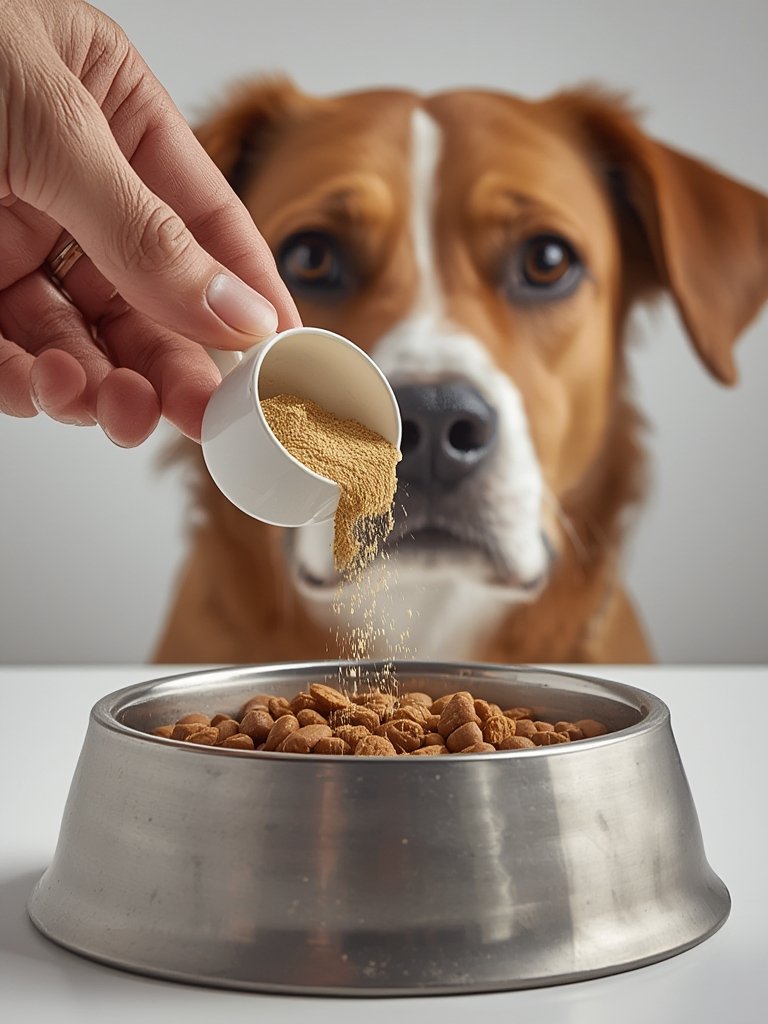
If you’re searching for “advanced gut health” solutions, consider a probiotic + prebiotic + enzyme blend for broad-spectrum support. For example, see our review of a clinical probiotic/fiber supplement that targets diverse digestive issues.
Advanced analysis & common pitfalls
Despite booming market hype, most owners overlook the real challenges and overstate the results they can expect from dog probiotics. Here’s where most go wrong:
- Assuming any probiotic is effective: Only select, strain-identified bacteria/yeast in clinical doses show benefit. Generic “blend” products or those with unknown strains may do nothing.
- Ignoring the dog’s baseline diet: Most studies use consistent, controlled diets. If your dog’s food changes weekly or is high in fat, the same probiotic may behave very differently.
- Expecting quick fixes for all digestive issues: Probiotics are most effective for chronic enteropathy, antibiotic-associated diarrhea, and obesity-related dysbiosis—not as a “catch-all” for every upset stomach. Consult a vet if GI problems are sudden or persistent.
- Missing the dose–response relationship: Underdosing won’t deliver benefits, and overdosing rarely boosts positive effects but can increase side effects (e.g., bloating, loose stool).
- Choosing based on marketing, not transparency: Always check for clinical strain IDs, CFU guarantees, third-party testing, and shelf-life data before buying.
- Neglecting prebiotics/fiber or other gut health factors: Many premium blends now combine probiotics with fibers (for healthy stool and as “food” for the good bacteria)-see gut/dental support powder reviews of such products
- Skipping quality control and certifications: Without adherence to AAFCO, FDA CVM, or EU zootechnical guidelines, quality varies hugely between brands (regulatory review).
| Pitfall | What Happens | How to Avoid |
|---|---|---|
| No strain code on label | Cannot verify clinical data or safety | Choose labels listing genus, species, and strain (e.g., B. longum BL999) |
| CFU only listed “at manufacture” | Actual potency at use may be much lower | Look for “CFU at end of shelf life” guarantee |
| Not considering underlying condition | Limited results if dog’s problem (e.g., food intolerance, infection) needs other solutions | Match probiotic to the specific issue. Consult your vet for persistent symptoms. |
| Assuming no side effects are possible | Dogs may experience transient gas, bloating, or rare appetite issues | Start low, monitor, and increase gradually |

Conclusion
Dog probiotics offer real, research-backed benefits-especially for digestive upset, chronic enteropathy, and obesity-when you choose the right strain at the right dose, and match product to your dog’s needs. Not all supplements are equal, and transparency counts. Before buying, always look for clinical strain codes, CFU guarantees, stability data, and review top-rated gut health blends for multisymptom dogs. If you want to optimize your dog’s gut health, start with a high-quality supplement and monitor results – your dog’s next healthy change could start in their microbiome.
Ready to upgrade your dog’s digestive wellness? Explore canine probiotic blends with enzyme and fiber support to see science-driven results for yourself.
FAQs: dog probiotics
Are dog probiotics safe for all dog.
How long does it take to see results from canine probiotics?
Improvements in stool quality or gut symptoms are often seen within 7‒14 days for mild cases, but chronic conditions may require up to 4‒6 weeks. Consistency matters-don’t skip doses.
Can I use human probiotics for my dog?
It’s not recommended. Most research on probiotic benefits in dogs uses dog-specific strains and doses. Human probiotics may differ in strain identity, potency, and safety.
What should I look for on a probiotic label?
Look for clear strain codes (e.g., Enterococcus faecium NCIMB 10415), a guaranteed CFU count through end of shelf life, and batch/quality information. Avoid supplements lacking these details.
What are alternatives or additions to dog probiotics for gut health?
Consider dietary prebiotics (special fibers), digestive enzymes, or gut-friendly diets. See our reviews of gut/dental support powder and probiotic-enzyme blends.