

Curved furniture is taking over modern interiors in 2026, blending comfort with soft, flowing lines to answer a strong demand for organic shaped style-and the shift away from cold minimalism is backed by real sales data and consumer trends.
Key Takeaways
- Curved furniture is projected for 15–20% annual growth into 2025, driven by demand for comfort, modern aesthetics, and ergonomic design.
- Rounded sofas, curved coffee tables, and sustainable textured materials like bouclé and velvet are defining the market, with prices ranging from accessible to luxury.
- Modularity and practical integration are essential for both small apartments and spacious homes-buyers should weigh style and ergonomics against cost and unclear technical specs.
- Why curved and organic shaped furniture is taking over in 2026
- Most popular types of curved furniture and materials to watch
- Design and ergonomic innovations defining soft edge & biomorphic furniture
- Real-world pricing: What to expect across brands and materials
- Integrating curved furniture: From small apartments to spacious homes
- What the market isn’t telling you: Gaps in customer feedback and technical specs
- Care & maintenance: Keeping your organic shaped furniture looking its best
- Conclusion
- FAQ
Why curved and organic shaped furniture is taking over in 2026
Curved furniture and organic shaped furniture account for one of the year’s strongest interior trends. As homeowners crave warmth and comfort, the industry has responded by reimagining living spaces away from sharp minimalism and towards inviting, flowing shapes. Global data backs this shift-the furniture market hit USD 666.5 billion in 2024, and the curved furniture segment alone is expected to grow 15–20% year over year into 2025, fueled by rising interest from design-forward shoppers [source].
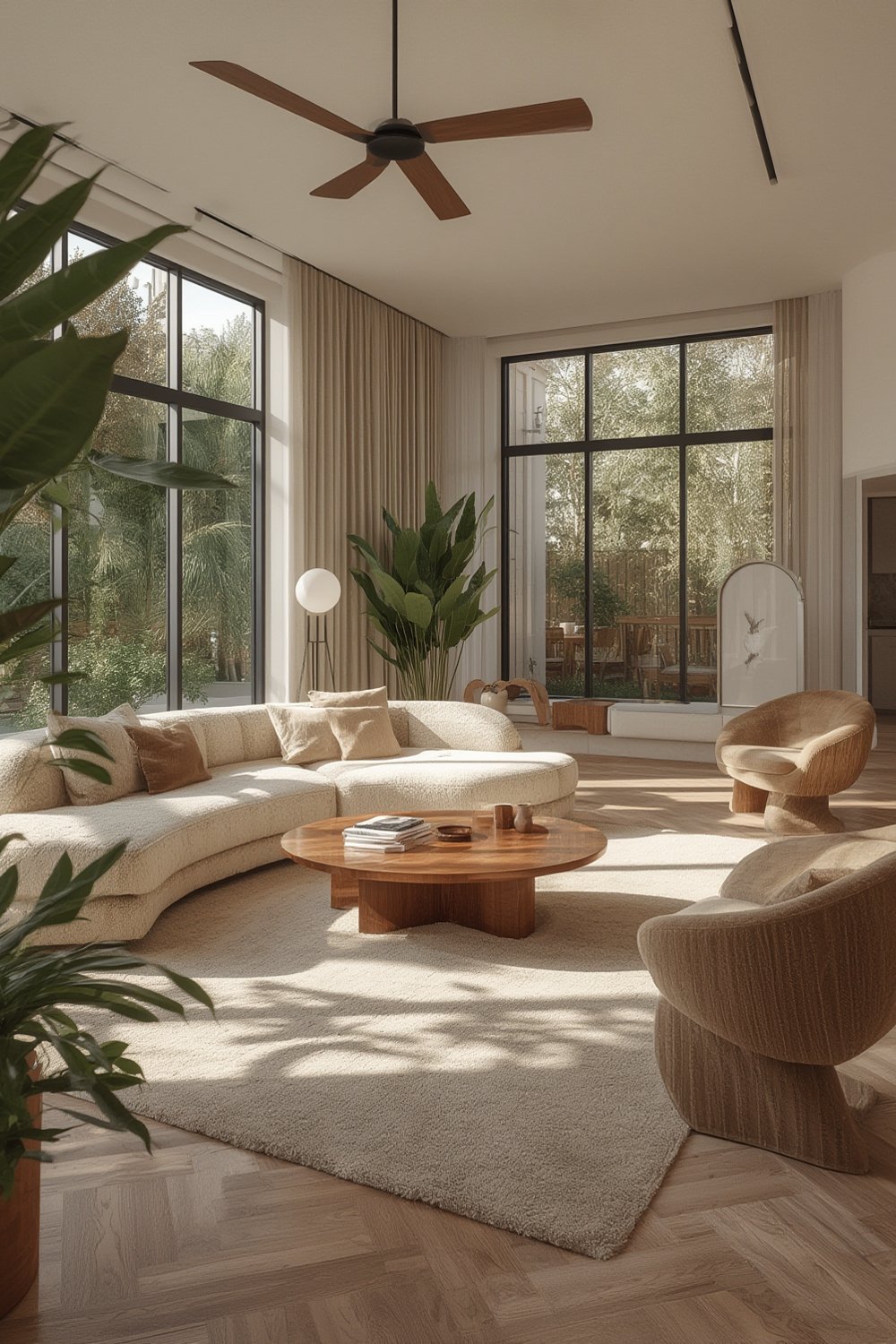
This trend reflects a return to softness both visually and in the ergonomics of daily life. Whether for compact apartments or spacious family homes, curved layouts feel more approachable and less formal-matching a collective move toward well-being, tactility, and social flow at home.
Most popular types of curved furniture and materials to watch
The top sellers in 2024 include the rounded sofa, curved coffee table, and accent chairs with biomorphic profiles. Textured, tactile materials lead the way: soft bouclé, plush velvet, and eco-friendly recycled textiles dominate, delivering both comfort and a sustainable edge. According to industry figures, curved sofas now range from $1,157 at mass retailers to $12,800 for designer/luxury options, while demand is surging for modular formats and unique upholstery like emerald, terracotta, and deep jewel tones.
Keep an eye on:
- Rounded sofas: The “statement” piece for social zones, available in modular versions for flexible layouts (discover modular sofa trends).
- Curved coffee tables: Often in stone, wood, or even glass, they soften hard room edges and add visual flow.
- Sustainable materials: Recycled polyesters, organic cotton, and responsibly sourced wood are now standard among style leaders.
Texture matters-look for innovative finishes that help disguise everyday wear and keep your furniture looking fresh.
Design and ergonomic innovations defining soft edge & biomorphic furniture
2024’s biomorphic furniture design is defined by curves that follow the body and support intuitive movement. Soft edge furniture is not just about style-new modular options offer reconfigurability, integrated storage, and even optional smart features. Sustainable materials, multifunctionality, and ergonomic priorities set these pieces apart from traditional sofas and tables.
- Pro Tip: If you live in a small apartment, choose a modular curved sofa with removable covers in recycled bouclé. The low-maintenance fabric disguises wear, and the modular setup lets you rearrange as your space or needs change.
- Hacks & Tricks: To make a curved coffee table work in tight quarters, place it on a round rug—this visually expands your space and makes rounded traffic flow easier, even in a modest living room.
Multifunctional modular furniture is a booming segment, reaching USD 7.45 billion in 2026 and heading for over USD 11.8 billion by 2032 [source]. Many of these soft edge furniture options feature hidden storage, convertible units, or charging pads for devices.
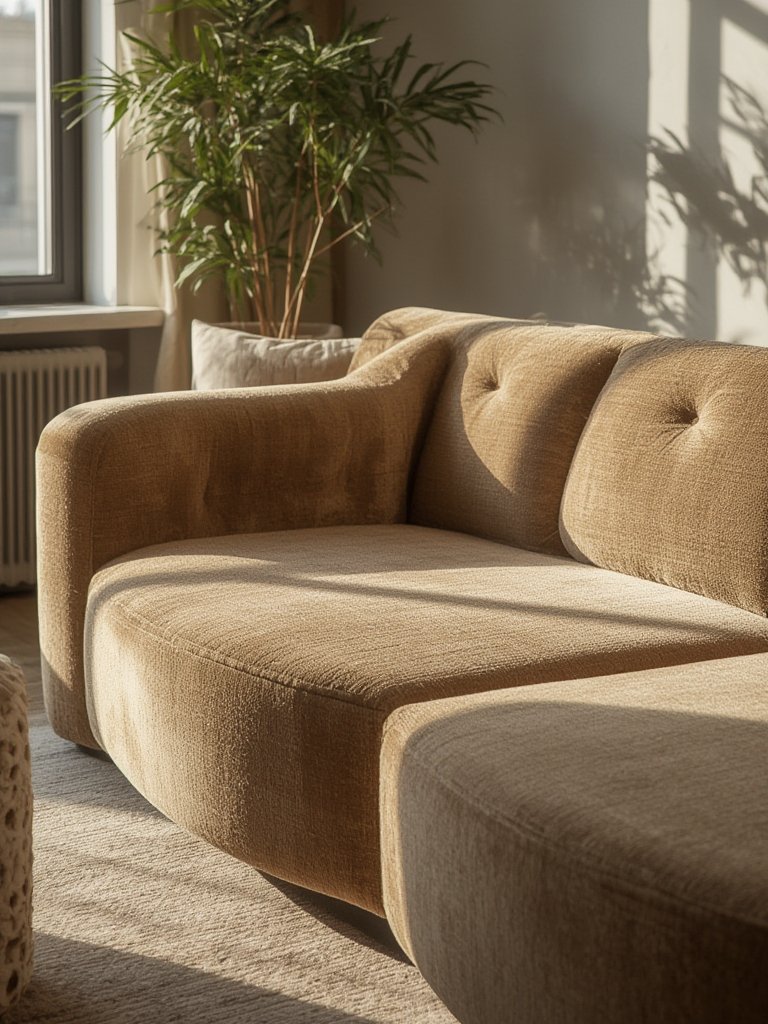
Consider ergonomics-these new profiles encourage lounging, easy conversation, and relaxation. Some designs reference iconic 1970s pieces like the Togo and Pacha chairs, updated with ecological materials and practical adaptations for modern living.
For homes where maximizing every inch matters, biomorphic pieces offer more flexible use-and can be easily paired with adaptive accessories. Products like the Shoulder Dolly moving straps make moving even weighty curved sofas much more manageable.
Real-world pricing: What to expect across brands and materials
How much does a curved sofa or designer rounded sofa actually cost? Based on publicly available data, here’s what buyers can expect:
| Category | Low-End | Mid-Range | Luxury/Designer |
|---|---|---|---|
| Curved Sofa | $1,157 | $3,700 – $7,500 | $12,800+ |
| Rounded Sofa (Modular) | $1,500 | $4,500 – $7,100 | $10,000+ |
| Curved Coffee Table | $320 | $600 – $1,250 | $2,500+ |
Material matters: Sofas upholstered in premium velvet or organic textiles command higher prices, while mass-market pieces favor synthetic blends. Most brands keep detailed material and durability comparisons close to the vest, so prioritize modular, user-friendly designs if you’re shopping at the entry-to-mid tier. And remember: a good set of chair leg floor protectors adds quick, affordable value to all furniture choices.
Because specific technical specs and brand-to-brand breakdowns are rare, shoppers should request swatches and detailed product descriptions before buying, especially at higher price points.
Integrating curved furniture: From small apartments to spacious homes
Integrating curved furniture in real spaces is highly flexible-but it takes a few practical tricks to get it right:
- For small apartments: Compact, modular curved sofas lend themselves to reconfiguration and visually soften tight layouts. Over 60% of U.S. renters now prefer modular furniture options for flexibility [source]. Opt for light or textured fabrics to disguise smudges or wear.
- For larger homes: Use dramatic curved sectionals or multiple curved accent chairs to define separate seating zones, frame oversized windows, or highlight architectural arches. Pair with a rustic side table for contrast and balance.
- Placement: Curved forms create better “traffic flow” around focal points like coffee tables or entertainment centers and accentuate open-concept layouts.
- Accessories: Add round rugs or layered textiles to further enhance the organic feel, and use minimalist lighting to keep the look timeless rather than theme-driven.
Curved furniture can help maximize functional comfort in any footprint, but measuring carefully is crucial-rounded profiles may take up more floor space than a traditional couch or table. Think in terms of room flow, sightlines, and accessibility before purchasing. You can see examples of compact curved setups in our guide to hand painted furniture makeovers for small homes.
What the market isn’t telling you: Gaps in customer feedback and technical specs
While curved and soft edge furniture enjoys plenty of media praise, buyers face an industry-wide lack of technical transparency. As of 2026, no published reviews highlight negative experiences around comfort, size compatibility, or long-term durability-and technical specs are routinely absent or vague.
This editorial gap means it’s on the buyer to press for details from retailers before purchase, especially when investing at higher price points or dealing with unusual room constraints.
| Area | Common Issue | Reported in Market Data? | Actionable Buyer Tip |
|---|---|---|---|
| Comfort | Unknown cushion density; ergonomics only promoted, not quantified | No direct reports | Test in-store if possible; request detailed descriptions |
| Durability | Lack of verified long-term reviews or real-world wear photos | None found | Ask for fabric rub counts, warranty details |
| Fit & Sizing | Curved shapes may take unexpected floor area | Anecdotal only; no published pain points | Request dimension diagrams; use masking tape layout at home |
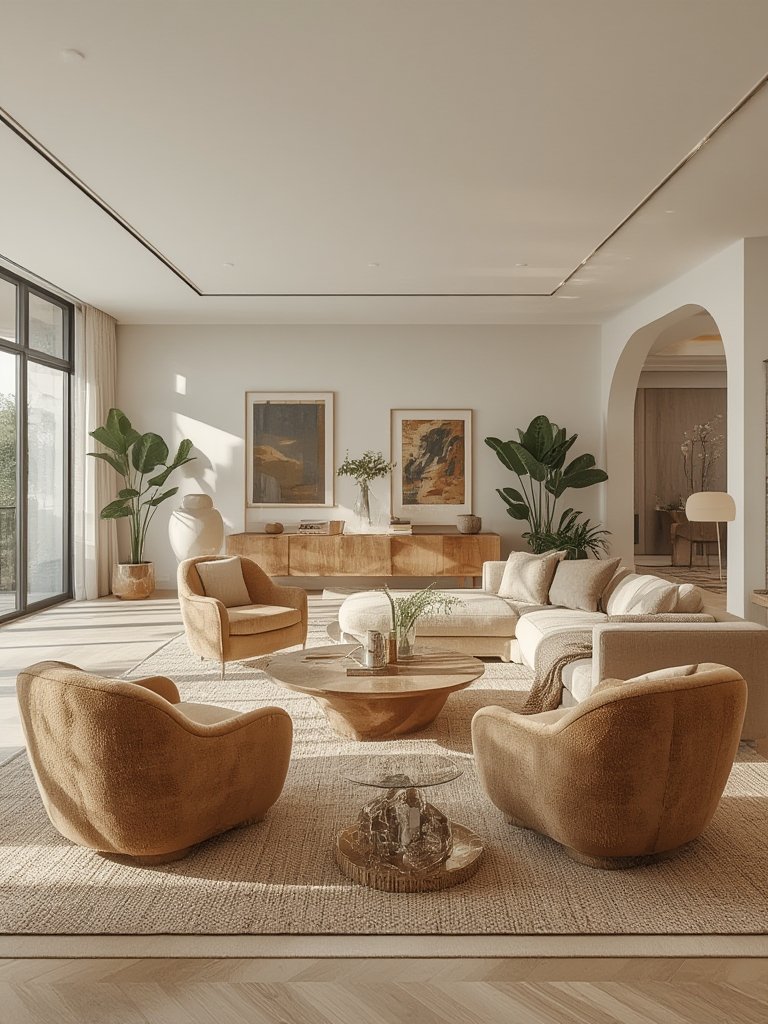
If you’re purchasing biomorphic furniture design online, consider the additional cost of ergonomic moving equipment or furniture pads. Items like a foldable snack table can make test arrangements easier in tight quarters before a final curved furniture purchase.
Care & maintenance: Keeping your organic shaped furniture looking its best
There’s a notable lack of published care instructions for organic shaped furniture and soft edge furniture in 2026-especially for the new, trendy materials. Still, you can extend the life and look of your key pieces by adopting the following best practices:
- Vacuum and gently brush bouclé, velvet, or chenille fabrics regularly to prevent matting and dust accumulation.
- Treat spills immediately with a clean cloth, using upholstery-safe dilutions of mild soap as needed.
- Test cleaners on inconspicuous spots before general use-recycled and eco fabrics may react differently than synthetics or leather.
- For wood or glass parts, use a microfiber cloth and avoid abrasive products.
- If you have a modular or convertible sofa, regularly tighten connectors and check moving parts.
Given the fast innovation cycle, consider registering new purchases with the manufacturer (if offered) to get future updates on care or recall notices. And remember, modular pieces often have covers that can be removed and laundered-always follow any accompanying care tag instructions. For organizing entryways or supporting other home zones, consider items like a bamboo shoe rack bench-eco-friendly and complementary to current bio-based trends.
Conclusion
The curved furniture movement is energetic and rapidly growing in 2024, offering homeowners a real way to combine style with comfort and modular practicality. Whether you’re outfitting a cozy apartment or a sprawling living room, make the most of organic shaped pieces by focusing on material quality, clear sizing, and real-world integration strategies. The current lack of technical transparency and published user feedback means careful product evaluation is essentialbut with smart selection and regular maintenance, curved furniture can elevate almost any space with a sense of flow and warmth. Thinking about a new look? Explore modular or biomorphic options and start reshaping your rooms today.
FAQ
Is curved furniture practical for small apartments?
Yes. Modular curved sofas and accent pieces with soft edges are ideal for small spaces. Their flexible configurations offer conversational layouts, and lighter or textured upholstery helps resist visible wear.
How durable is organic shaped furniture compared to traditional pieces?
Official durability ratings are seldom published. Look for upholstery with high rub counts, robust frame materials, and request warranty details from retailers before purchase. Regular maintenance also extends lifespan.
What is the typical price range for a quality curved sofa?
Curved sofas start around $1,157 for entry models and rise up to $12,800 or more for designer or luxury pieces. Mid-range options (modular, sustainable materials) often run between $3,700–$7,500.
Are there any disadvantages to curved or biomorphic furniture designs?
Curved pieces may use more floor space than expected, and technical specs (like exact dimensions or ergonomic ratings) are often hard to find. Always check measurements and see pieces in person if possible.
How should I care for textured curved furniture upholstery?
Vacuum gently, spot-clean spills quickly with mild soap, and avoid harsh chemicals. Removable covers should be laundered according to manufacturer instructions—when in doubt, test any cleaner in an inconspicuous spot.