

Butler pantry kitchen remodels are redefining modern homes by merging elegant design with practical hidden storage. Homeowners now expect these multi-functional spaces-blending coffee bars, wine stations, and prep kitchens-to boost both daily convenience and property value.
Key Takeaways
- Butler pantry kitchens are a top luxury trend in 2024, offering seamless organization, hidden storage, and multi-purpose utility.
- Technical planning is critical-dimensions, power supply, and appliance integration often make or break the project’s value and usability.
- Homeowners must avoid common pitfalls like underestimating cost, poor workflow design, and insufficient lighting or ventilation.
- What is a butler pantry kitchen and why is it trending?
- How to plan and build your butler pantry kitchen: step-by-step
- Advanced analysis and common pitfalls
- Conclusion
- FAQ
What is a butler pantry kitchen and why is it trending?
A butler pantry kitchen is a dedicated space-typically adjacent to or within the kitchen—designed to offer extra prep space, storage, and functional zones like coffee or wine bars. Unlike traditional pantries, these spaces are concealed yet accessible, keeping clutter, small appliances, and messes out of the main kitchen’s sight. In 2024, these pantries have evolved to become luxury must-haves, featuring integrated appliances, custom cabinetry, layered lighting, and smart storage solutions.
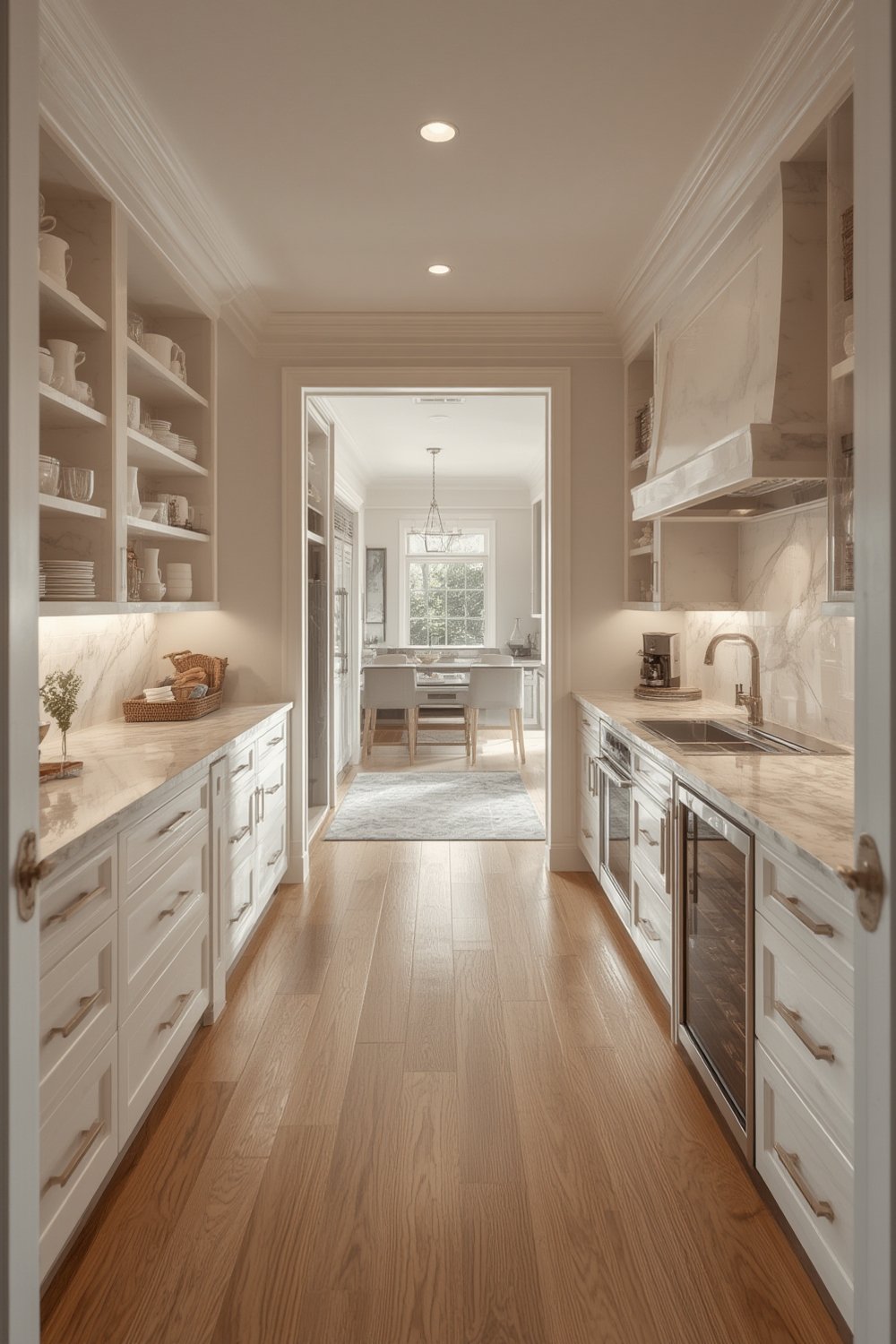
Recent market reports confirm that high-end buyers and design-forward homeowners see butler pantries as both a prestige feature and a way to boost resale value. They’re flexibly sized—from small alcoves or repurposed closets to walk-in rooms. The payoff: cleaner countertops, streamlined meal prep, and smart organization of kitchenware, cookware, and specialty appliances. For homeowners seeking premium convenience and style, a butler pantry kitchen answers both the aesthetic and functional demands of daily living.
Learn how organization elsewhere impacts a seamless kitchen space by exploring clever storage, such as our review of the TICONN Premium Extra Large Storage Bags_perfect for out-of-season kitchenware or backup supplies.
How to plan and build your butler pantry kitchen: step-by-step
A successful butler pantry kitchen balances efficient workflow with aesthetic harmony in your home. Here’s how to get it right from blueprint to final organization.
- Pro Tip: Plan all power points, plumbing, and appliance locations on paper first. Even compact butler pantries typically need multiple outlets, task lighting, water supply (for sinks or coffee stations), and ventilation. Early electrical and plumbing planning avoids costly changes later.
- Hacks & Tricks: Don’t have dedicated space? Convert an unused hall closet or a stretch of cabinets into a mini-butler’s pantry—complete with open shelving, under-shelf LED lighting, and appliance garages to keep counters clear.
- Define your pantry’s main functions.
Will it be a coffee station, a prep kitchen, wine bar, or all of these? List must-have appliances like coffee maker, microwave, fridge drawers, or warming oven. This will dictate infrastructure needs and shelving height.
- Choose the right location and floor plan.
Ideally, the butler pantry is easily accessible from both the kitchen and dining areas. For maximum usability, interior designers recommend at least 4 feet of width and a depth that supports countertop workspace and shelving. No room? Consider a “pantry wall” beside the kitchen or transform a corner nook.
- Plan technical specifications and dimensions.
- Countertop height: Aim for standard kitchen counter height (36 in, or 91-92 cm).
- Shelves and cabinets: Adjustable heights for large platters, mixers, and tall jars. Deepest shelves can be 16-20 inches, upper shelves 10-12 inches.
- Clearances: Leave at least 36 inches walkway for single entry, and 48 inches if it’s a walkthrough design.
- Lighting: Use under-cabinet LED strips and an overhead fixture for layered illumination.
- Select durable, easy-to-clean surfaces and cabinetry.
Quartz, granite, or sturdy laminate are practical for heavy spills and appliance use. Opt for cabinetry with soft-close hinges and built-in drawer organization.
- Integrate hidden storage and appliance garages.
Design cabinetry with doors or tambour fronts that hide everyday appliances. Drawers for trays, baskets, and pull-out organizers make storage accessible but neat. This approach is featured in top home design guides.
- Install functional extras.
Sinks with integrated drying racks, under-counter beverage fridges, and dedicated trash pullouts all elevate functionality. Consider a compact step ladder like the HBTower Step Ladder to access top shelves safely.
- Execute installation and finishing touches.
Work with licensed professionals for wiring and plumbing. DIYers should expect installation of cabinetry and fixtures to take 4-8 weeks, depending on supply chains and contractor schedules.
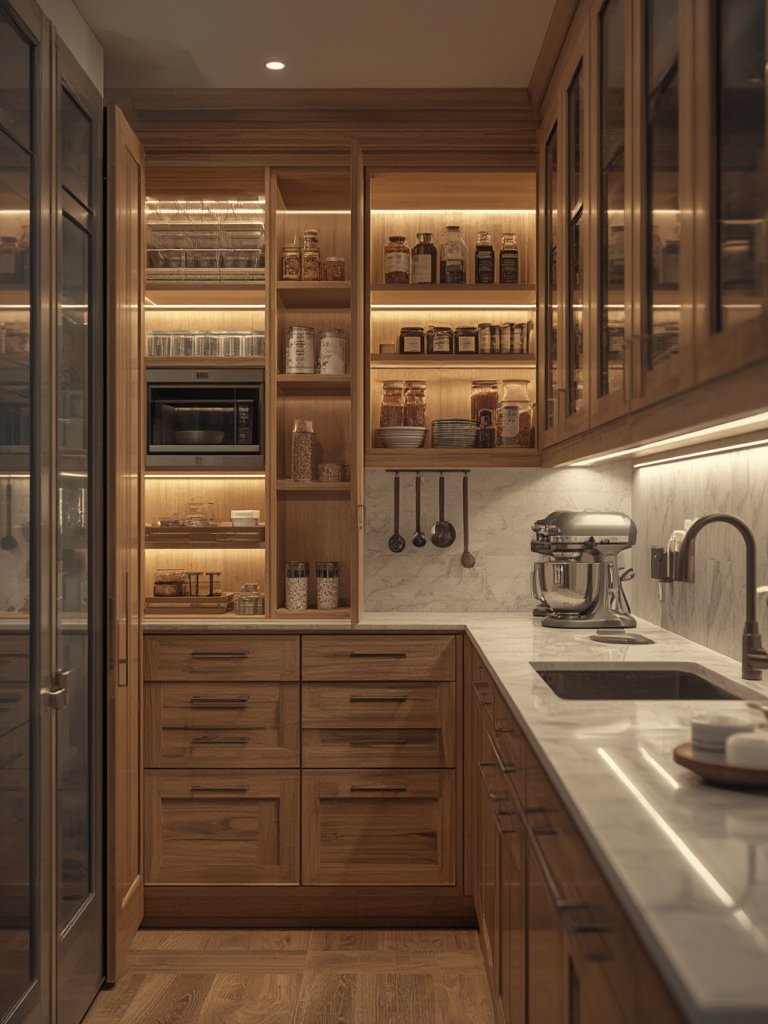
Smart storage hacks extend to the rest of the home. For example, pairing your butler pantry kitchen with the Winisok Silicone Under Sink Mat can protect cabinets from leaks while keeping cleaning supplies organized.
Advanced analysis and common pitfalls
While a butler pantry kitchen offers substantial benefits, it’s easy to overlook practical challenges that can erode its value. Below are the top pitfalls surfaced from recent industry research and common experiences:
- Underestimating cost and timeline: Many kitchens go over budget due to custom cabinetry, plumbing or electrical changes, and unexpected delays in getting appliances. Unlike a simple pantry, the need for proper ventilation, outlets, water lines, and lighting adds labor hours and cost.
- Workflow and accessibility errors: Placing key appliances too far from prep zones increases back-and-forth, disrupting kitchen flow. Trying to fit too much into a cramped space often leads to clutter, making storage less effective.
- Poor lighting and ventilation: Insufficient task lighting makes prep work and cleanup difficult, especially in windowless spaces. Failing to ventilate (especially with coffee stations or warming drawers) risks mold and odors.
- Design mismatches: Using materials or finishes that clash with the main kitchen can make the pantry feel disconnected, affecting both daily enjoyment and resale appeal.
- Insufficient storage planning: Overlooking small-item organization (like tray dividers or pull-out baskets) results in wasted space and ongoing frustration.
| Pitfall | Result | How to Avoid |
|---|---|---|
| Omitting outlets or water supply | Limits appliance use, requires costly retrofits | Plan power and plumbing with a qualified contractor before finalizing cabinetry |
| Overloading storage capacity | Crowding, poor accessibility, frustration | Map out storage needs by item type and frequency of use |
| Selecting cheap materials | Premature wear, stains, decreased value | Invest in high-wear surfaces and soft-close hardware |
| Ignoring ventilation | Persistent odors, mold risk | Install a vent hood or exhaust fan if using high-moisture appliances |
| Inadequate lighting | Shadows, accidents, messy prep | Layer task, under-cabinet, and overhead lights |
For a closer look at other areas where function meets form in home design, our guide on floating vanity bathrooms shows how to maximize utility and storage in compact spaces.
Conclusion
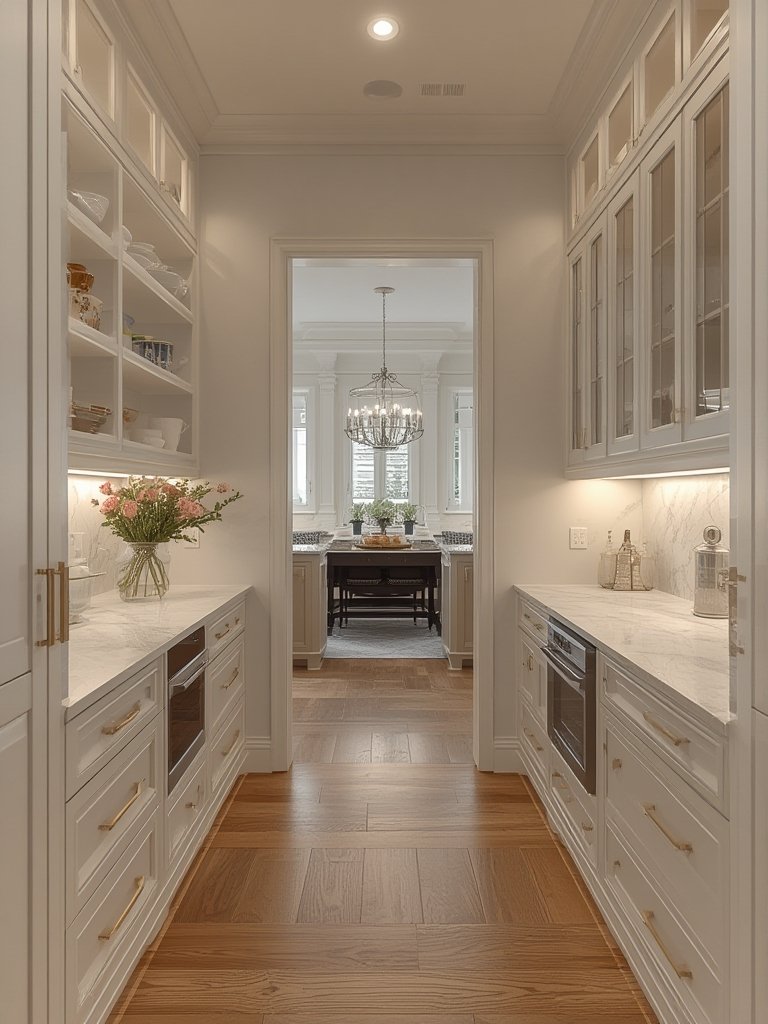
Today’s butler pantry kitchen is more than a nostalgic nod to old estates-it’s a remodeled essential for busy modern lifestyles. With careful space planning, technical execution, and an eye for daily workflow, you can add substantial value and convenience to your home. Just remember, a well-designed butler pantry kitchen is only as good as the details: power, storage, and flow matter just as much as beautiful cabinetry or appliances.
Ready to create your dream butler pantry kitchen? Define your priorities, avoid common pitfalls, and bring your vision to life. If you want more time-saving organization tips or solutions for your entire home, explore our latest reviews and guides, or get in touch for a custom strategy.
FAQ
How much space do I need for a butler pantry kitchen?
Ideally, allow at least 4 feet in width and 3-6 feet in depth, though clever design lets you create a functional pantry from a converted closet or unused cabinet run.
What appliances work best in a butler pantry kitchen?
Common choices include coffee makers, espresso machines, small beverage fridges, microwaves, warming drawers, and even compact dishwashers—tailored to your household routines.
Is installing a butler pantry kitchen worth it for resale?
According to recent market analysis, homes with well-designed butler pantries tend to attract more buyer interest and higher offers, especially in competitive markets. Resale value is positively affected when the pantry blends function and finishes with the home’s overall style.
What is the most common mistake when planning a butler pantry kitchen?
Many homeowners underestimate the need for electrical outlets, effective lighting, and ventilation. Skimping on these essentials can limit future use and require costly updates.
How long does it take to build a butler pantry kitchen?
Expect 4-8 weeks from initial design to final installation if custom cabinetry, plumbing, or electrical upgrades are required. Delays usually stem from waiting on materials or necessary permits.