


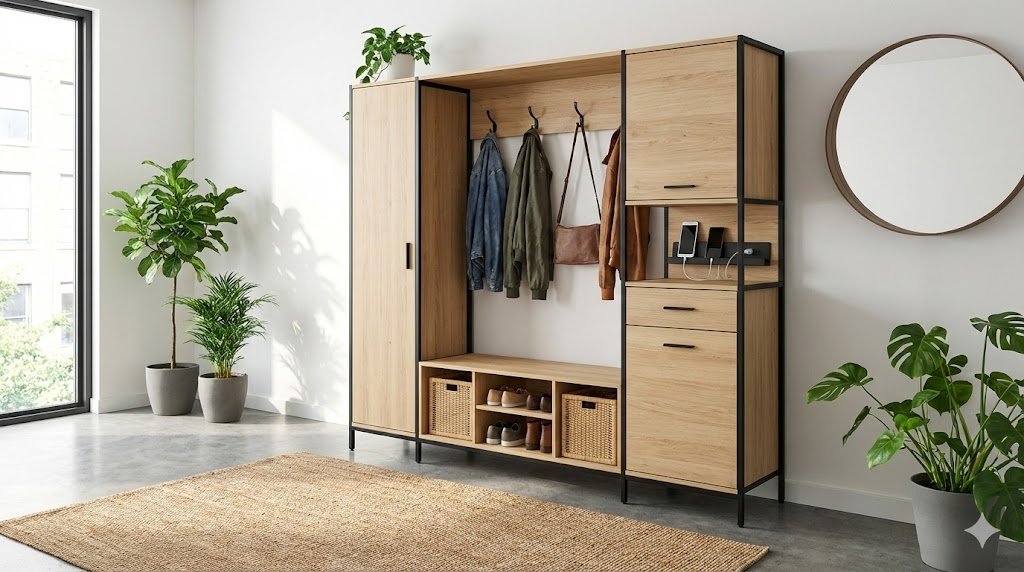
Entryway cabinet trends in 2024 are changing fast, moving beyond basic storage with smart tech integration, modular options, and designs shaped by how real urban households live and organize. If your front door is a daily drop zone for shoes, bags, and devices, this data-driven guide reveals exactly how to choose an entryway cabinet that matches today’s needs-no guesswork, and no hidden regrets.
Key Takeaways
- Entryway cabinets in 2024 focus on multi-functionality, tech-friendliness, and space-saving design to suit busy homes.
- The market is shifting toward wall-mounted segment, smart-enabled, and modular entry storage cabinet options-especially in growing e-commerce channels.
- Success is about matching cabinet features to your real-life “entry clutter”-including device charging, adjustable storage, and tough materials.
- 2024 Market Overview: How Entryway Cabinets Are Evolving
- What Modern Buyers Want: Storage That Matches Today’s Lifestyles
- Must-Have Features for an Organized Entryway
- Choosing Materials: Real-World Durability in Busy Spaces
- Shopper Realities: Costs, Shipping, and What to Expect in 2024
- 3 Buyer Questions No One Answers About Entryway Cabinets
- Expert Takeaway: Building an Entry That Works for Your Real Life
- FAQ
2024 Market Overview: How Entryway Cabinets Are Evolving
For urban and suburban households, demand for the right entry storage cabinet has surged since the pandemic-households are prioritizing organization, hygiene, and a welcoming first impression. According to industry sources, the global entryway cabinet market is valued at USD 3.8 billion in 2024 and is anticipated to grow at a CAGR of 4.7%, hitting USD 5.5 billion by 2032. The wall-mounted segment is expected to reach USD 2.2 billion by 2032, outpacing other segments (source).
More homeowners and renters now order entryway cabinets online, thanks to improved e-commerce shopping experiences and the need for products that balance storage, durability, and modern styling. All signs point to multi-functional and tech-enabled entry storage cabinets dominating new purchases.
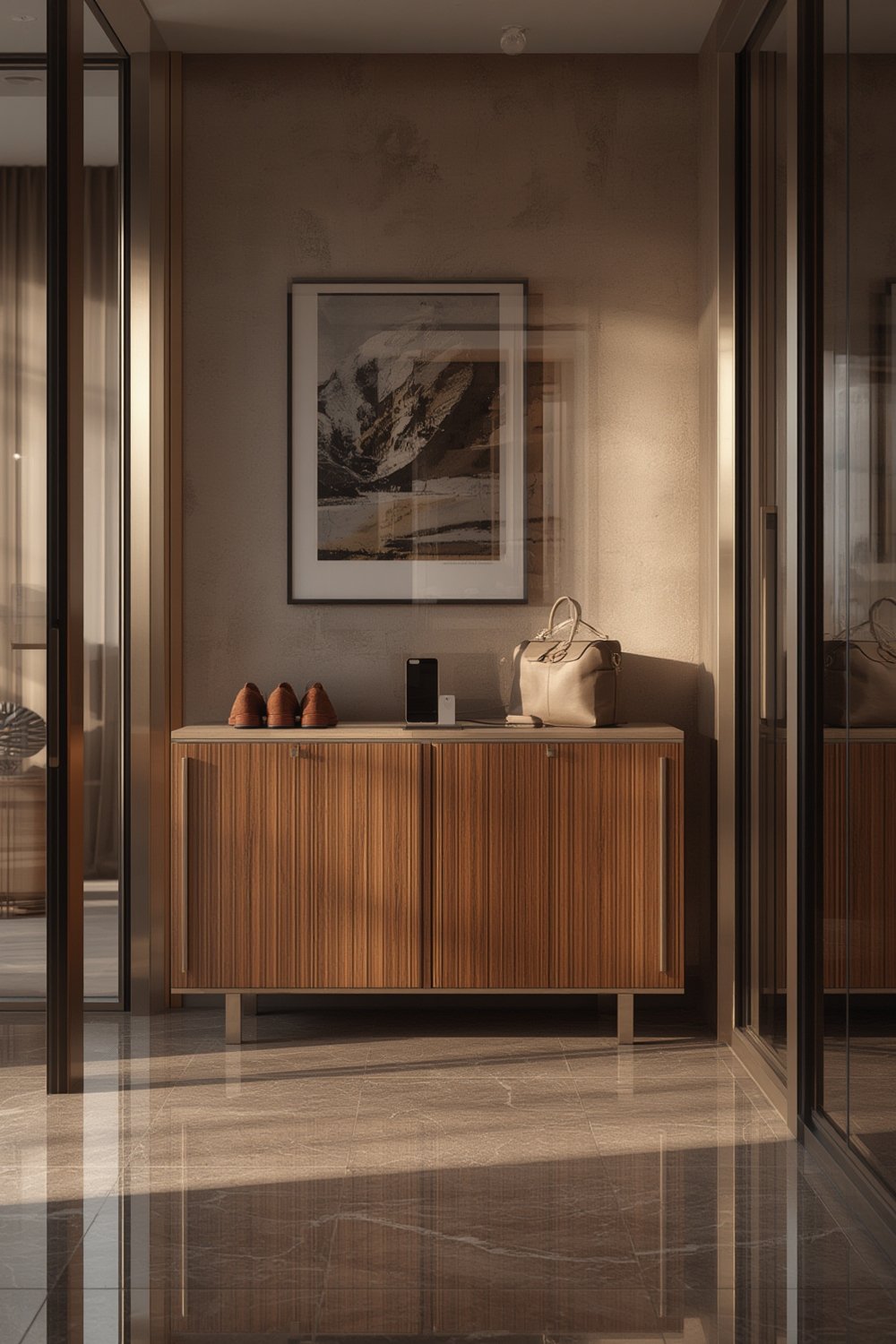
What Modern Buyers Want: Storage That Matches Today’s Lifestyles
Today’s entry storage cabinet and front door cabinet buyers want more than just hidden shelves. Buyers seek:
- Multi-functional configurations-Benches, cubbies, coat hooks, and pull-out baskets all in one piece. Multi-functional units are the fastest-growing segment (source).
- Space-saving, wall-mounted options—Ideal for small spaces or narrow entryways, and a major driver behind the wall-mounted segment’s rapid growth.
- Smart features-Built-in charging stations (for phones/tablets), integrated lighting, even keyless-entry cubbies. Tech-enabled solutions are cited as a top emerging trend.
With home tech integration and organization now equally important, the entry storage cabinet landscape is more practical and personalized than ever. For additional inspiration blending function and personality at your entry, check out ideas for a statement entry table.
Must-Have Features for an Organized Entryway
When choosing an entryway organizer cabinet or a mudroom cabinet, focus on features that manage daily clutter and keep tech devices safe and handy:
- Integrated benches-Act as a shoe-changing spot and provide extra storage below.
- Adjustable shelves & cubbies-Allow flexibility for growing families and shifting storage needs for shoes, sports gear, or pet leashes.
- Device charging docks-Keep the family’s phones and tablets powered close to the front door in a tidy, central spot.
- Dedicated tray or drawer for small essentials-Prevent last-minute scrambles for keys or headphones.
While hard review data is missing, trend studies confirm market demand for smart feature integration, space efficiency, and durable, easy-to-clean finishes. For families with heavy traffic, these elements are not “extras”-they’re must-haves. For another approach to maximizing small entry spaces, look into a shoe rack bench with bamboo construction as a hybrid seat and shoe organizer.
Choosing Materials: Real-World Durability in Busy Spaces
Foyer storage furniture and entry storage cabinets must withstand drops, muddy shoes, and even the occasional spill. The most common materials include:
- Solid wood-Durable, attractive, but pricey and can warp if exposed to moisture or drastic temperature changes.
- MDF (engineered wood)-Budget-friendly, smooth finish, but less durable in high-traffic or damp areas.
- Metal-Tough and modern but can scratch or dent and may be cold to the touch.
No precise stats exist on the lifespan of these materials, but reports cite raw material price volatility as a top industry concern (source). Expect price swings and consider maintenance needs before you buy. If you want durability without the typical headaches, opt for solid hardwood or powder-coated metal, but know they may cost more upfront. Hand painted furniture can also be refinished to extend style and life in busy areas.
Shopper Realities: Costs, Shipping, and What to Expect in 2024
With e-commerce now driving the category, the U.S. market for mudroom cabinet and front door cabinet purchases reached USD 1.1 billion in 2024. While online shopping makes it easier to compare models and prices, buyers should expect:
- Wide price ranges-From under $100 for a basic cabinet to $800+ for solid hardwood, tech-integrated or designer brands.
- Variable shipping costs and timelines-Many major online retailers offer free shipping, but larger units or expedited delivery will often raise the total cost.
- Possible assembly-Flat-pack models are common and keep delivery costs down, but check for clear instructions or installation help if DIY isn’t your strength.
Unfortunately, up-to-date delivery and shipping time statistics are sparse. Before hitting “buy,” read the fine print, estimate any extra fees, and factor assembly time. For heavy or awkward cabinets, moving them inside safely is a challenge-using shoulder dolly moving straps can prevent injury and protect your new investment.
3 Buyer Questions No One Answers About Entryway Cabinets
Most articles skip unique concerns real users face. Here are three areas often overlooked by entryway cabinet and entry storage cabinet guides:
- How do I handle device and cable clutter?
- Few cabinets come with real cable management. Look for hidden grommets or cubbies designed for chargers, or DIY a small cable organizer if yours lacks it.
- Will it fit my condo’s narrow alcove?
- Standard cabinets can block hallways or doors. Measure your entry’s depth and pick units labeled “slim” or “wall-mounted” for tight spaces. Floating cabinets are a smart alternative for compact entries too.
- How well does it handle daily abuse from kids, shoes, and pets?
- Industry reports flag durability as a worry-avoid painted MDF or soft pine if you expect heavy use. Prioritize scratch-resistant finishes and metal or solid wood construction for best longevity.
Expert Takeaway: Building an Entry That Works for Your Real Life
Match your entryway organizer cabinet to how your household truly lives. Here’s a realistic checklist:
- Map your “hot spots”-Where do shoes, bags, or gadgets pile up? Zone your storage accordingly.
- If you need flexible options, prioritize adjustable shelves or stackable cubes. Don’t overload with fixed drawers you won’t use.
- Prioritize integrated benches and smart charging if tech, kids, or gear are constantly in the mix. These features are driving rapid market growth (source).
Remember: entryways are high-traffic, messy, and on display. Choose for both function and easy cleaning. Multi-functional, tech-enabled cabinets deliver true payback for busy lives.
FAQ
How do I choose the right size entryway cabinet for a small space?
Measure the available width, depth, and height before browsing. Opt for wall-mounted or slim-profile cabinets, and look for sliding doors or open shelving to save floor space. Leave at least 3 feet of clearance for entry traffic.
Are charging stations in entryway cabinets safe for everyday devices?
Yes, if the cabinet uses certified components and provides proper ventilation. Avoid cabinets with tightly enclosed power strips and check that built-in outlets or USB ports have surge protection.
What materials last longest in a busy household?
Solid hardwood and powder-coated metal stand up best to frequent impact and moisture. MDF is cost-effective but can chip or swell if exposed to spills or heavy weight.
How do I reduce shoe and device clutter in the entryway?
Use a cabinet with dedicated cubbies and a built-in charging tray. Train household members to put devices and shoes away immediately. Add labels or small baskets to keep routines simple.
| Material | Durability | Maintenance Needs | Typical Price |
|---|---|---|---|
| Solid wood | High | Occasional re-oiling or touch-up | $$$ |
| MDF | Medium | Wipe clean, avoid moisture | $$ |
| Powder-coated metal | High | Minimal | $$$ |
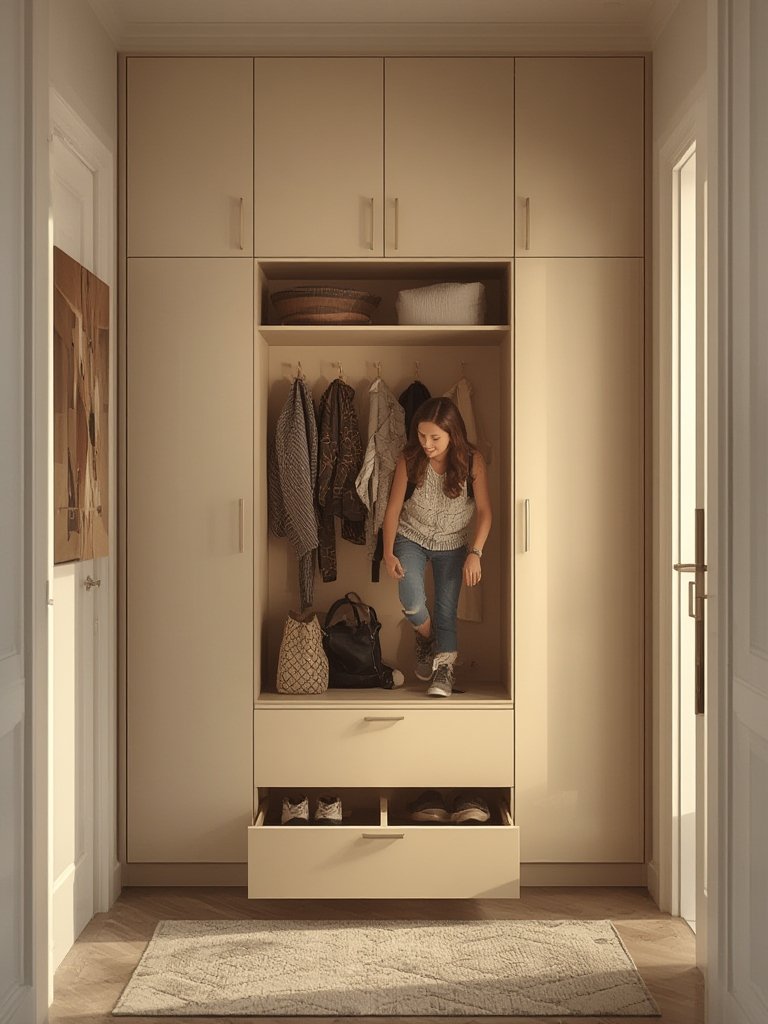
How to Choose and Set Up Your Ideal Entryway Cabinet
Follow these actionable steps to select (and successfully use) your entryway cabinet for lasting organization:
- Assess what you need to store-shoes, coats, tech, daily mail, etc.-and how much space you really have.
- Shop for cabinets with multi-use zones: cubbies, drawers, bench seating, and charging stations.
- Double-check internal measurements for each storage area (not just exterior dimensions).
- Look for models with durable, easy-to-clean materials if your entry sees a lot of messy traffic.
- Review real customer assembly notes before buying online. Many cabinets require basic tools and time.
- Use wall anchors for safety if cabinet could tip or if you have kids and pets.
- Finally, assign every family member their own cubby, hook, or box for daily essentials.
- Pro Tip: If you charge multiple devices in your entryway, add a short extension cord or multi-USB hub with cable clips to keep everything tidy-no more cable spaghetti.
- Hacks & Tricks: Attach adhesive silicone chair leg pads under your cabinet or bench-this prevents both floor scratches and noisy movement. For details, see these chair leg floor protectors for furniture.
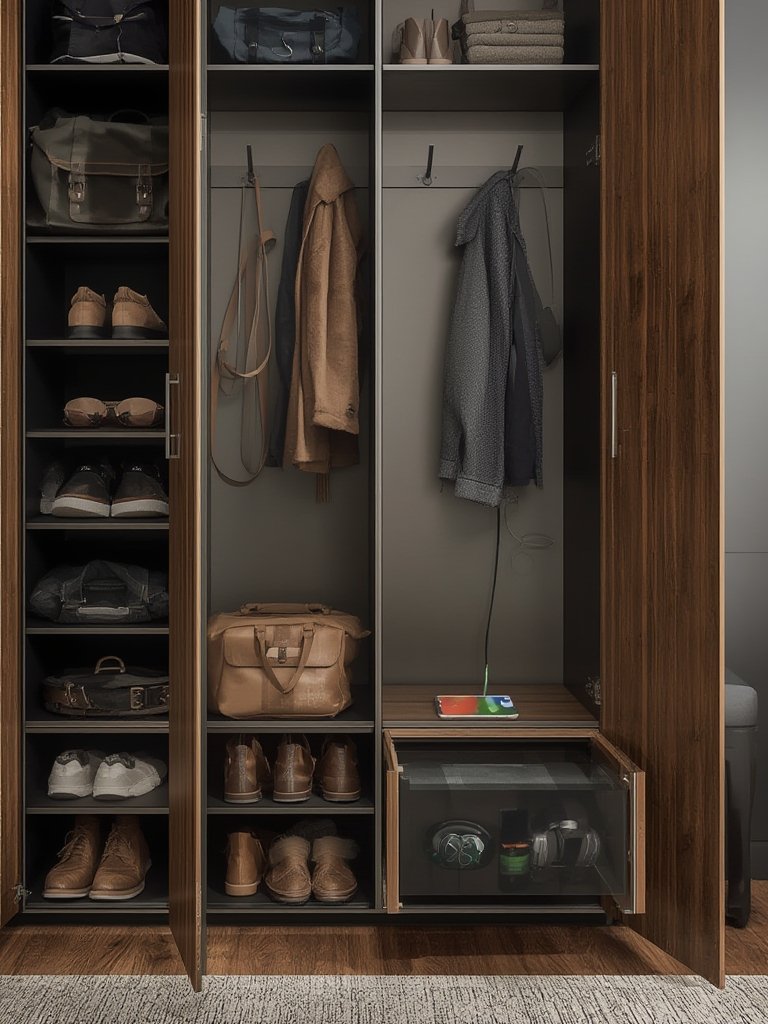
Want even more optimization? Modular furniture makes it easy to adjust your entryway as your needs change-learn how in our guide to multifunctional furniture.
Conclusion
For today’s home, the right entryway cabinet is both an aesthetic investment and a practical necessity. Focus on smart design, flexible configuration, and tech-friendly details to avoid the common pitfalls of clutter and inconvenience. Ready to organize your entry for good? Explore your style, measure twice, and upgrade your space with a cabinet that works as hard as your household does.