


Choosing the right ergonomic office chair can determine whether your home office is a haven of productivity or a source of daily discomfort. As remote work becomes permanent for millions, the difference between a standard chair and one engineered for long-term well-being is more important than ever.
Key Takeaways
- Ergonomic office chairs boost productivity, prevent pain, and pay for themselves in long-term health benefits.
- Most workers underestimate the importance of adjustability and standards compliance—key for long-term comfort.
- Look beyond the marketing; durability, verified lumbar support, and real user experience are often missing in reviews.
- Why ergonomic office chairs matter for remote work in 2024
- The real pain points: what remote workers struggle with
- What defines a truly ergonomic work chair? Features that actually matter
- 2024 pricing & warranties: what to expect when you invest
- Real-world durability & material quality: what remains unanswered
- Expert recommendations: optimizing your home office for health
- FAQ
Why ergonomic office chairs matter for remote work in 2024
The surge in remote work has transformed kitchen tables and spare bedrooms into full-time offices. Yet, most home setups lack the one thing that truly supports health and focus: a purpose-built ergonomic office chair. According to recent studies, employees using ergonomic furniture experience a 17% productivity boost and fewer musculoskeletal disorders (MSDs), with ANSI/BIFMA X5.1 compliant designs recapturing 15–30 minutes daily by reducing micro-breaks.[1] It’s no surprise the global ergonomic chair market ballooned to USD 10.4 billion in 2024.[2]
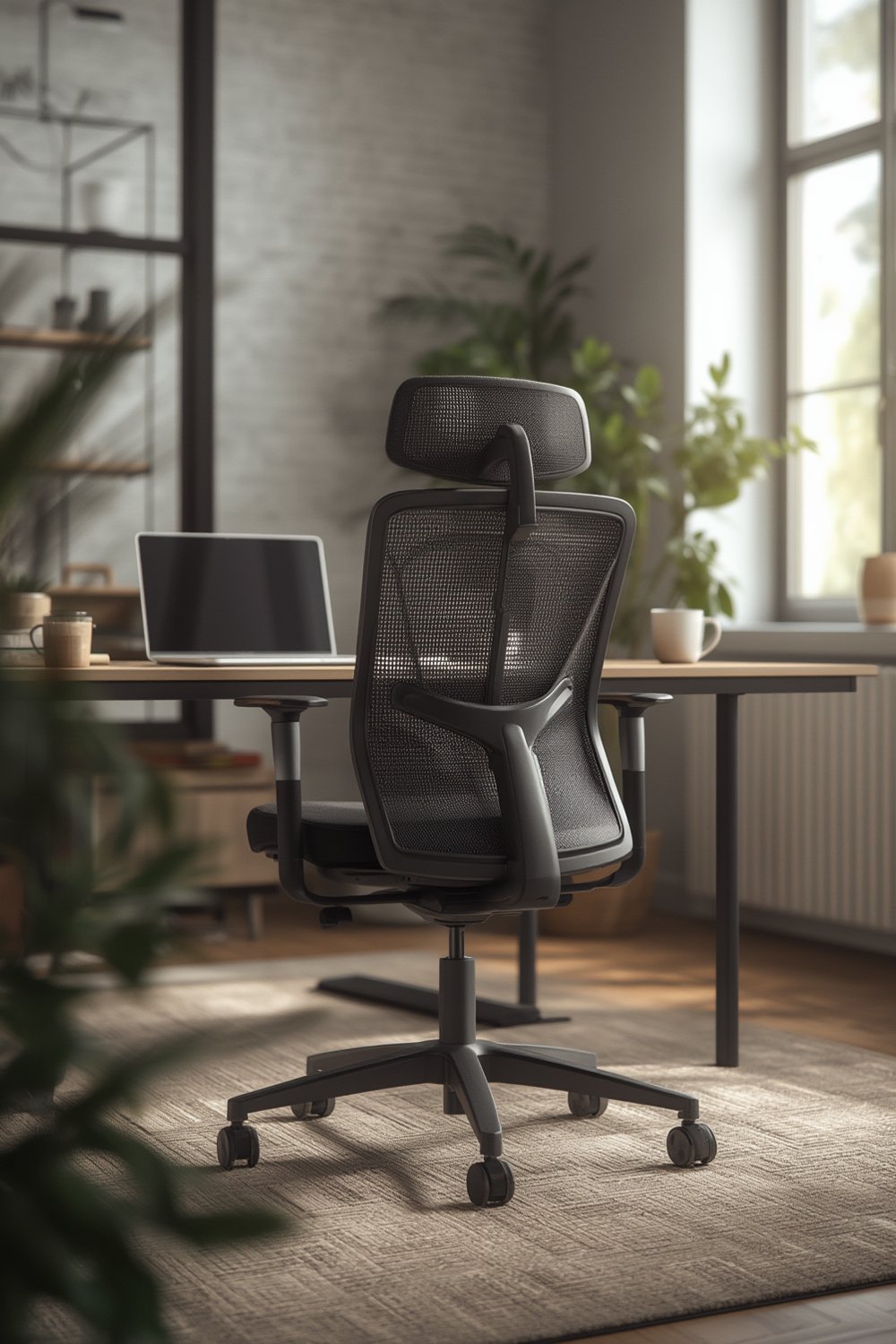
Yet, in spite of all this, 88% of home office workers report pain in at least one body part—with the neck and lower back leading the stats.[3] A great ergonomic chair counteracts these risks while directly impacting your ability to focus and work efficiently from home.
The real pain points: what remote workers struggle with
Talk to anyone who spends eight hours a day at home in front of a screen, and you’ll quickly hear the same complaints: “My back aches,” “My neck is stiff,” and “I never feel truly comfortable.” Research reveals that 41% of home office chairs are too low, and 88% of remote workers cope with pain in at least one area of the body.[3] Far too many work without an actual desk—about 40%—further amplifying poor posture and discomfort.
It’s not just physical pain. When your home office chair isn’t comfortable and adjustable, you take more unnecessary breaks, lose focus, and your performance slips. Most users only realize the true cost of a bad chair after months of tension, poor sleep, and declining motivation.
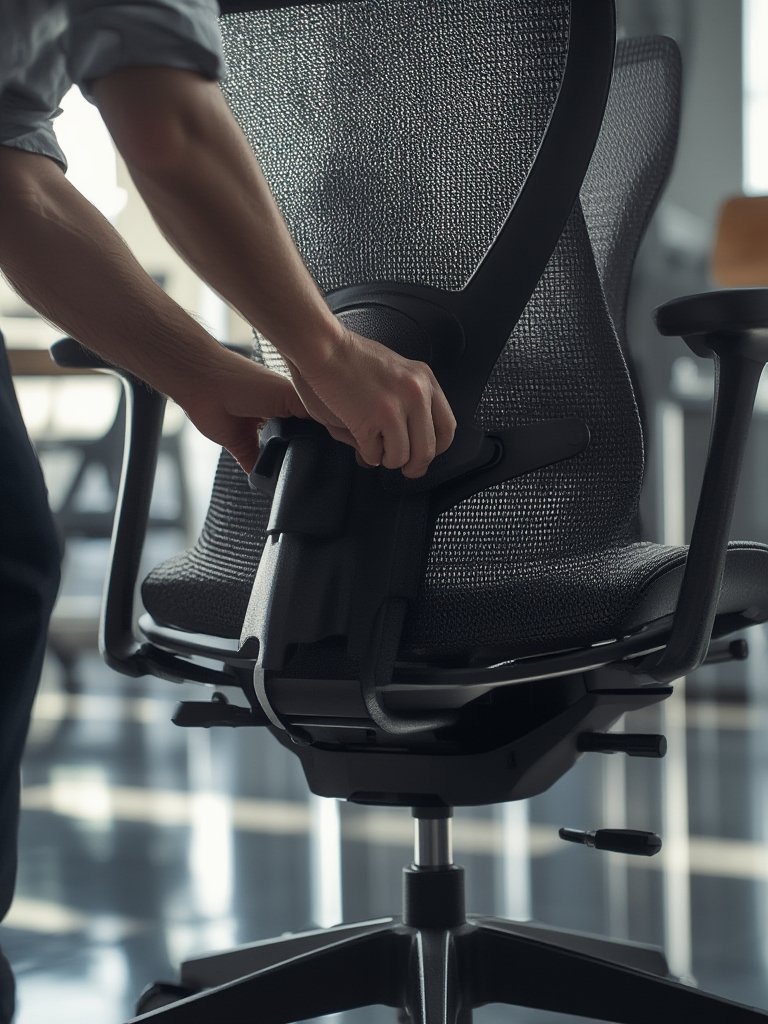
While you adjust your chair, consider optimizing your overall space. For example, pairing your new seating with an ergonomic computer desk can take comfort and productivity even further.
What defines a truly ergonomic work chair? Features that actually matter
Marketing buzz aside, the best ergonomic work chair is defined by features that solve daily real-world problems—not just look good on paper.
- Adjustability: Height, backrest, seat depth, and armrests must adjust independently to suit your body.
- Lumbar Support Chair: Lower back support is non-negotiable. A chair with dynamic lumbar support keeps spinal curves aligned and fatigue at bay.
- Mesh Material: Breathable mesh offers thermal comfort during long sessions, preventing sweaty discomfort.
- Compliance: ANSI/BIFMA X5.1 certification is the gold standard for durability, safety, and sustained performance.
Chairs that tick these boxes deliver a 17% productivity boost and reduce the chronic pain that derails focus.[1] Don’t ignore adjustable desk chair mechanisms either—they allow micro-adjustments that can eliminate fidgeting and unscheduled breaks.
For an extra layer of peace of mind, add chair leg protectors if you’re worried about floors or noise, especially in shared home spaces.
| Feature | Why it Matters | Risks if Absent |
|---|---|---|
| Height & Depth Adjustability | Matches your dimensions, supports circulation | Leg, hip, and lower back pain; reduced focus |
| Lumbar Support | Protects spinal alignment, reduces fatigue | Chronic lower back pain, nerve compression |
| Mesh Material | Prevents overheating, increases comfort | Sweat, discomfort, skin irritation |
| ANSI/BIFMA X5.1 Compliance | Ensures tested durability and safety | Chair failure, poor support over time |
2024 pricing & warranties: what to expect when you invest
While the ergonomic office chair market has soared—reaching $10.4 billion globally in 2024 and moving 12.5 million units annually in North America—the reality is that price tags and warranty details remain frustratingly vague.[2] Brands tout their chairs as long-term investments, but the lack of public, standardized cost and warranty disclosures makes comparison difficult for buyers.
Generally, higher-end chairs with advanced lumbar support and multi-point adjustments trend higher in price, but don’t be fooled—a high price isn’t always a guarantee of real-world durability or comfort. Look for models that offer multi-year or lifetime warranties and clear ANSI/BIFMA certification to protect your investment. If your new setup includes additional furniture, pairing it with a compact folding table can provide extra workspace flexibility.
Be ready to ask questions about what’s covered. Many buyers don’t discover the exclusions until after the first squeak or tilt.
Real-world durability & material quality: what remains unanswered
One of the biggest gaps in current reviews and comparison lists is real, long-term user feedback on durability and material fatigue. Even leading lumbar support chairs get plenty of attention for their ergonomic claims, but few actually publish years-later user experiences—especially about how the adjustability mechanisms, padding, and mesh hold up over time.
Only ANSI/BIFMA X5.1 compliant models have been independently tested for extended use and injury prevention, meaning they’re far less likely to sag, flatten, or break under daily wear. Chairs that look stylish but lack these certifications might start strong but fail after a year or two of daily eight-hour shifts. For sensitive floorings, pairing your chair with floor protectors is an underrated investment for protecting both your chair feet and your peace of mind.
Buyers also frequently want to know how materials feel and smell months later (mesh, foam, or bonded leather), but these details are near-absent in mainstream reviews. If durability is your biggest concern, ask for details or verified user testimonials before you buy. Consider modular or easily repairable designs which offer longer life and reduce replacement costs.

Expert recommendations: optimizing your home office for health
The 2026 Workstation White Paper and latest workplace studies are clear: invest in an ergonomic chair with lumbar support and multi-point adjustability, and you actively prevent the neck and back pain that affects 80% of office workers across their careers. Ensuring your ergonomic office chair meets ANSI/BIFMA standards is the closest thing you’ll get to a guarantee—not just of comfort, but of lasting physical health.[4]
Practical layout matters too. Pair an ergonomic chair with a correctly sized table, sufficient leg room, and monitor at eye level. For more space or to transform your setup for multiple uses, check out this modular living room furniture guide. Don’t ignore your flooring—smaller accessories like floor protectors can protect both your new chair and your space.
Cutting corners here may seem to save money, but typically ends up costing more—in lost productivity, pain, and even medical bills.
FAQ
How do I know if a chair is truly ergonomic or just marketed that way?
Genuine ergonomic office chairs adjust in several dimensions (seat height, backrest tilt, armrest width and height, etc.), offer dynamic lumbar support, and are certified with standards like ANSI/BIFMA X5.1. Chairs that don’t provide these features or verifiable test results are often just standard chairs with new branding.
Why do so many reviews leave out real durability feedback?
Many brands and reviewers focus on initial feel and features, not how the chair performs after a full year of daily use. Long-term user feedback on adjustability and material fatigue is still rare, so ask for it or seek buyers’ groups for unfiltered experiences.
Is it really worth paying extra for an ergonomic desk chair with lumbar support?
Yes. Chronic neck and back pain are widespread among remote workers. Quality ergonomic chairs help prevent these issues, boosting productivity and reducing the risk of long-term injuries that can cost much more than the chair itself.
What is ANSI/BIFMA X5.1 compliance, and why does it matter?
It’s a certification for office furniture durability and safety. ANSI/BIFMA X5.1 chairs are tested for heavy daily use, adjustability, and injury prevention—unlike budget models that may break down quickly or lack essential support.
How can I keep my ergonomic office chair and workspace in top condition?
Use floor protectors, regularly clean mesh/fabric to prevent buildup, periodically check and tighten adjustments, and replace worn-out casters. These small habits extend your chair’s life and maintain comfort.
Conclusion: why your next home upgrade should be an ergonomic office chair
Regardless of setup, one thing is clear: investing in an ergonomic office chair is the single best improvement remote workers can make for health, comfort, and productivity in 2024. Don’t settle for marketing promises—demand real adjustability, verified support, and standards compliance. Ready for a change? Start with your chair—and feel the difference every single workday.
—