


Hand painted furniture is back in the spotlight for 2024, capturing the attention of creative homeowners and eco-minded DIY lovers who want furniture that is as unique as their personal style.
Key Takeaways
- Hand painted and DIY furniture align with current trends for sustainable, personalized interiors featuring maximalist style, pastels, and upcycled vintage pieces.
- Real wood is essential for durability, top-quality results, and achieving trending finishes—steer clear of MDF and composites for best outcomes.
- Skilled planning, premium materials, and the right finish techniques are key to producing decorative painted furniture that stands out and lasts.
- 2024 Trends: Why Hand Painted Furniture is the Ultimate Style Statement
- Buyer & DIY Challenges: What No One Tells You About Painted Furniture Makeovers
- The Materials and Finishes That Make Furniture Last (and Look Amazing)
- Funky Furniture Painting: What Competitors Are Missing (And How to Nail It)
- How Much Does Custom Painted Furniture Really Cost?
- Mistakes, Complaints & How To Avoid Disappointment
- Case Study Inspiration: Real Transformations That Prove the Value
2024 trends: Why hand painted furniture is the ultimate style statement
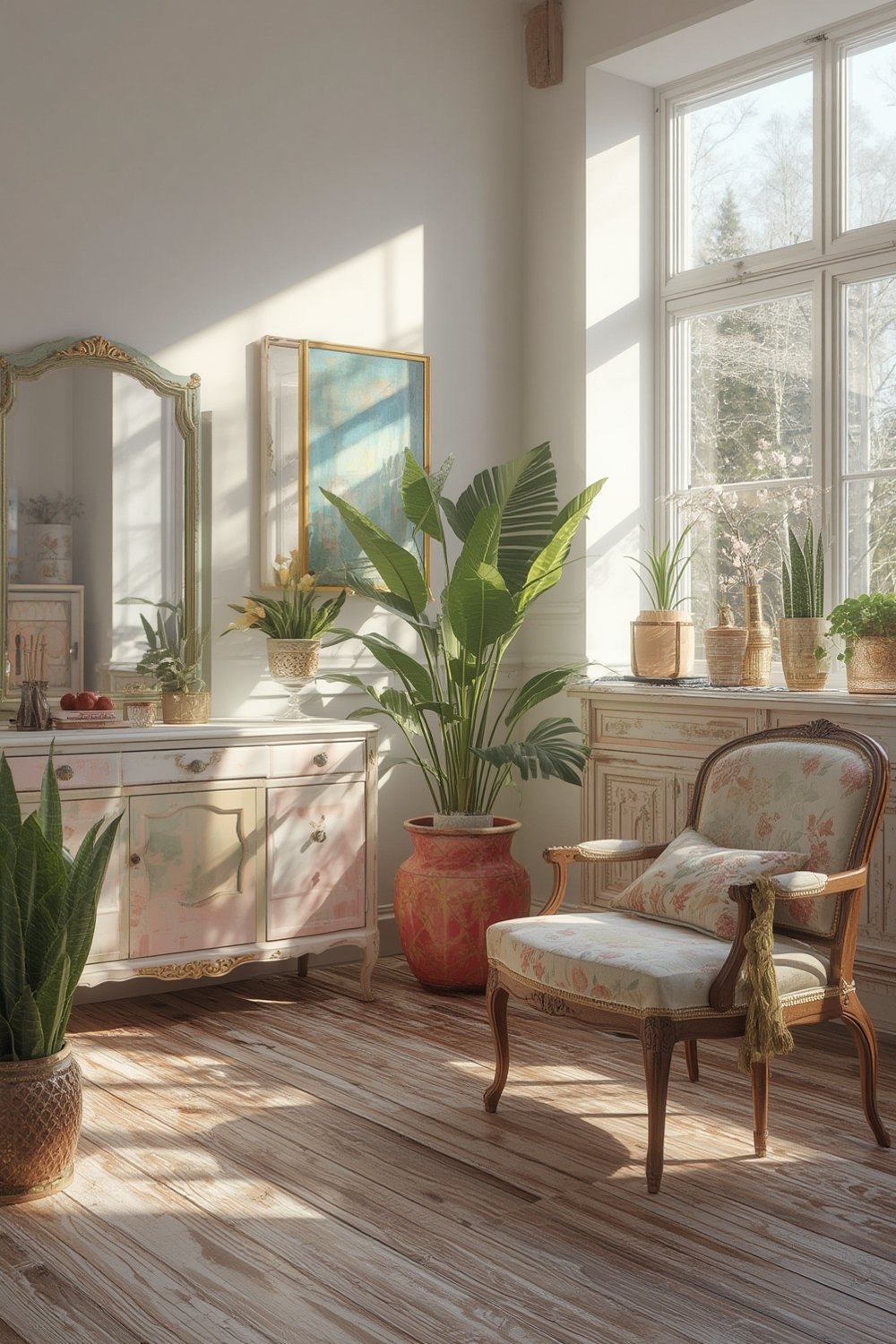
Hand painted furniture taps into three major 2024 home trends: maximalist expression, eclectic pastels, and sustainability. Today’s painted furniture makeover projects often feature whimsical pastel greens, blues, and lavenders on vintage dressing tables, ornate Hellenistic trims, mythical motifs, decoupage, and even faux marble finishes on sideboards. Multifunctional painted pieces with curved lines and eco-conscious materials put personal artistry front and center, allowing you to create functional artwork that beats out mass-market sameness.
Chairs, tables, and sideboards are being reborn with layers of bold color, nods to Swedish, Romanian, and Indian folk tradition, and with finishes intended for real-life use (not just Instagram). Most importantly, upcycling and repainting real vintage furniture has become a preferred way to reduce waste and add truly unique personality to your home. See 2024’s painted furniture trends.
Buyer & DIY challenges: What no one tells you about painted furniture makeovers
Painted furniture makeovers aren’t as simple as slapping on a coat of paint and calling it a day. Both buyers and DIYers routinely run into five big pain points:
- Durability issues: Without the right prep or materials, the finish can chip or peel rapidly—especially on MDF or prefab particleboard, which absorb moisture and warp over time. Experts overwhelmingly recommend real wood for lasting results. (See why real wood matters.)
- Hard to find unique pieces: Mass-production means fewer truly one-of-a-kind options. Personalizing vintage finds with hand painted designs or bold hues addresses this—but requires vision, planning, and sometimes professional artist assistance.
- Getting a professional finish: Even decent paint can look amateurish due to poor prep, wrong brushes, or lack of sanding.
- Non-wood surfaces struggle: Painted MDF or laminate often ends in disappointment due to peeling, rough surface textures, and edges that won’t hold up.
- Cost concerns: Artistic labor, skilled prep, and good materials are not cheap. Custom decorative painted furniture commands a premium—but upcycling existing pieces can lower costs.
The materials and finishes that make furniture last (and look amazing)
If you want a painted furniture makeover to last, choose your materials with care. Real wood is best—oak, maple, pine, or even well-cured vintage pieces. Real wood’s ability to grip primer and paint, and its resistance to cracking, make it the top choice for both DIYers and artists.
- Base piece: Real wood only. It supports layered maximalist and specialty finishes, like faux marble or decoupage, without flaking. Avoid MDF or particleboard for anything but very temporary projects.
- Paint: Use high-quality chalk-style furniture paint. These are designed for strong adhesion, smooth coverage, and can be sanded between coats for a flawless, durable result.
- Protective finish: A tough water-based polyurethane or furniture wax provides needed protection. Avoid oil-based finishes on light colors and designs featuring decoupage to prevent yellowing.
Making smart technical choices at the materials stage sets you up for enduring furniture art—something most trendy “quick hacks” don’t deliver. For an eco-friendly, modern-rustic look, explore handcrafted furniture trends.
For creative projects like painting a dressing table, you might need to move and prep the area safely. If so, try using furniture moving straps for ergonomic lifting that protects both you and your furniture.
Funky furniture painting: What competitors are missing (and how to nail it)
Most guides gloss over the details that matter if you want your DIY painted furniture to both look funky and last. Here’s where to go deeper:
- Real wood vs. composites: Always start with real-wood furniture. Skip MDF or use only for decor-grade items not meant for everyday use.
- Sustainability with character: Instead of stripping away history, build on it. Preserve original wood textures or hardware, then add Hellenistic-inspired trims, decoupage, or pastel layers for character-rich upcycles.
- Chair transformations: Chairs are often overlooked. Funky painted chairs, especially with mid-century or Edwardian lines, can become sustainable, playful statement pieces in eclectic settings.
- Layer for style: Don’t be afraid to layer paint, patterns, or metallics. This is the basis for the popular maximalist – but technically tricky – painted furniture makeover approach.
Want to go rustic or bring in more storage to your living room? Accent newly painted pieces with a modern rustic side table for style you can mix and match, or complement a painted dining area with chair leg protectors to keep floors safe.
How much does custom painted furniture really cost?
There’s no single price for a custom painted dresser or decorative painted furniture. Costs vary based on:
- Base piece: Solid wood vintage pieces typically cost more (even unpainted).
- Labor and artist premium: Professional decorative artists charge for consultation, design, prep, painting, and finishing. Expect to pay more for intricate designs and layered maximalist effects.
- Materials: Premium paints, specialty finishes, and eco-friendly supplies add up.
DIY painted furniture makeovers will almost always be less expensive, especially if you already have vintage solid-wood furniture to upcycle. Keep in mind, though, no guide will give you a precise cost breakdown—highly personalized work means wide variance. If budget is key, DIY is usually the way to save, but never skimp on prep or materials or you may end up disappointed in the longevity of your results. For reference, repainting a mid-sized real wood dresser typically starts at the cost of a quart of quality paint plus hardware and finish—often under $100 if you already own tools.
Mistakes, complaints & how to avoid disappointment
Disappointment is common when expectations clash with reality during a painted furniture makeover. Here are the biggest pitfalls reported by both DIYers and buyers:
| Mistake | Consequence | Solution |
|---|---|---|
| Painting over MDF or laminate | Peeling, bubbling, poor durability | Always choose real wood bases |
| Skipping surface prep | Streaky, uneven, or easily scratched finish | Thorough sanding, priming, dust removal |
| Improper sealing | Water stains, yellowing, or sticky surface | Use top-quality sealers or wax appropriate for your paint choice |
| Overly ornate trends | Dated look, hard resale or quick loss of appeal | Favor modern maximalist touches over full coverage |
Feedback shows that the worst outcomes come from painting the wrong base, cutting corners on prep, or following trends too closely. Shifting tastes mean that simple, layered, and tactile designs often age better than single all-over colors or heavy distressing.
Case study inspiration: Real transformations that prove the value
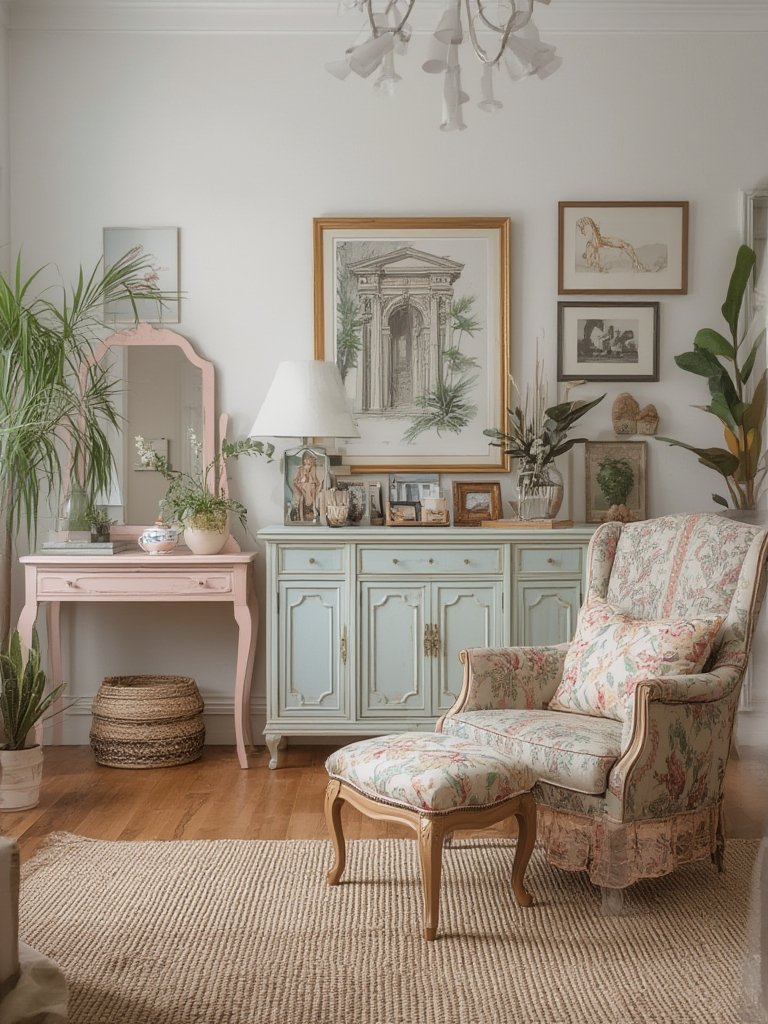
Real-world examples show just how much hand painted furniture can transform a space—often while saving money and reducing waste.
- Transforming a tired oak dressing table with pastel green, lavender, and whimsical gold trim—making it the playful centerpiece of a bedroom with a fraction of the cost of new designer furniture.
- Upcycling a simple vintage sideboard with resin-marbled paint and intricate border motifs for a Hellenistic revival, producing a unique storage solution that doubles as an art piece.
- Giving a worn-out mid-century or Edwardian dining chair new life with blush-pink chalk paint and hand-stenciled folk floral accents.
These transformations don’t just look great—they add usability and personal pride. The process can be deeply satisfying and even meditative, as many DIYers report. And when paired with supportive elements—like an ultra-comfy memory foam mattress in a freshly madeover guest room, or a modern bamboo entryway bench—your entire space begins to reflect your creativity and values.
Check out more ideas and real-world inspiration in the designer-curated gallery here.
Step-by-step guide: How to create hand painted furniture that stands out
Ready to take action? Follow these practical steps to ensure a painted furniture makeover that looks professional and stands up to real-life use:
- Choose your piece: Only use solid wood furniture. Inspect for cracks, rot, or repairs before buying or painting.
- Prep surface: Remove hardware. Sand thoroughly (start with 120-grit, finish with 220). Wipe away dust with a tack cloth.
- Prime: High-bonding water-based primer prevents tannin bleed and ensures smooth paint.
- Design & layout: Sketch designs or map out color placement. For maximalist or Hellenistic looks, plan trims, inlays, or stenciled areas in advance.
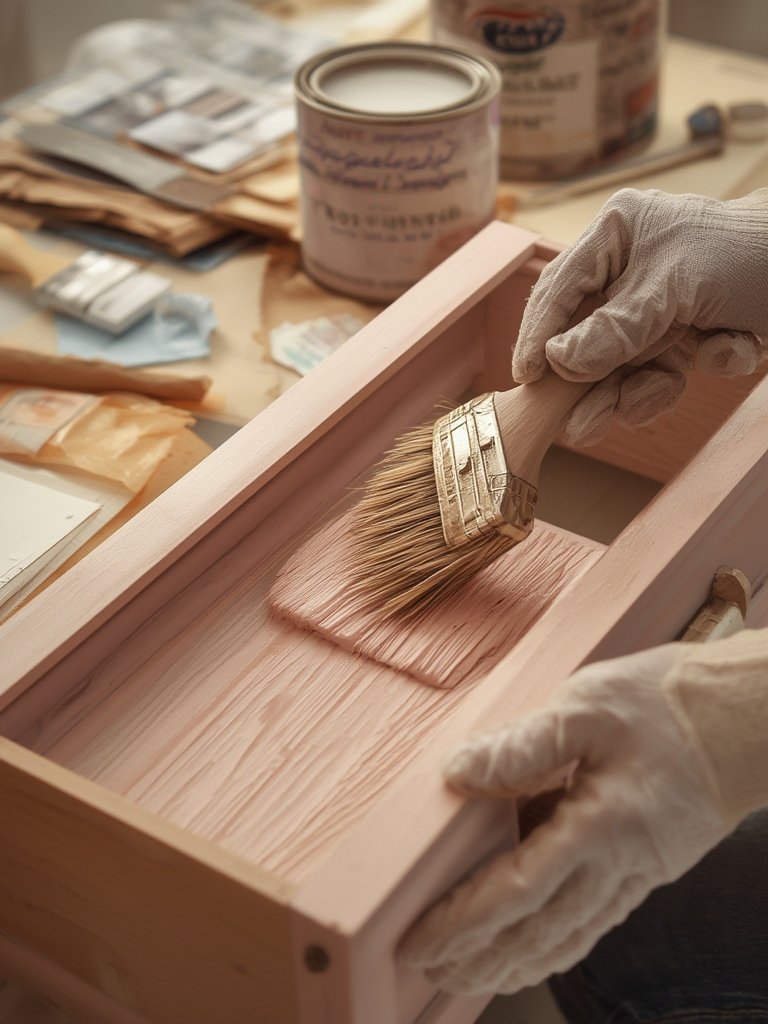
- Paint: Use thin, even coats of high-quality acrylic or chalk paint. Sand gently between coats for smoothness and durability.
- Detailing: Add decoupage, metallics, or faux marble effects; precision tape or fine brushes give the best results.
- Seal: Apply 2-3 coats of water-based polyurethane for heavy-use pieces or high-grade furniture wax for a tactile finish.
- Reassemble: Replace hardware, buff as needed, and let cure for at least 48 hours before use.
Conclusion
Hand painted furniture is more than just a style trend for 2024—it’s an investment in sustainability, self-expression, and practical artistry. By choosing solid wood, planning creative details, and using top-notch paints and finishes, anyone can elevate old or forgotten pieces into one-of-a-kind functional art. Avoid common pitfalls by focusing on durability and finish quality, and don’t be afraid to inject your personality into every brushstroke. Start your own painted furniture makeover now—your home (and the planet) will thank you.
Ready to bring your vision to life? Start planning your hand painted furniture creation or commission today.
FAQ
Can I use hand painted furniture in high-traffic areas?
Absolutely, as long as you use solid wood and seal the piece with multiple coats of high-quality polyurethane or wax. Avoid MDF or laminate, which may chip or degrade with heavy use.
What types of paint work best for a painted furniture makeover?
High-quality acrylic and chalk-style paints are best. They offer strong adhesion, smooth coverage, and can be sanded between coats to achieve a professional look.
How do I avoid brush marks and streaks when painting furniture?
Sanding between every coat (including after priming) and applying paint in thin, even layers is key. Use quality synthetic brushes or foam rollers for best results.
Is it worth paying more for custom painted dresser pieces?
Yes, custom hand painted pieces offer unique style and can last for decades—if built on a solid wood base with proper technique. The visual and tactile results are hard to match with mass-produced options.
What are the most popular decorative painted furniture styles for 2024?
Whimsical pastels, Hellenistic trims, modern shabby chic looks, and maximalist layering are the top styles. Incorporating bold patterns, metallics, and sustainable vintage bases is especially popular.