


Sustainable building materials are transforming how homeowners remodel, but with ambitious goals come real-world challenges and hidden costs. If you’re planning an eco-friendly remodel and want honest, up-to-date advice, read on-this guide is built for practical decision making and clarity you can act on right away.
Key Takeaways
- The sustainable building materials market is booming, with rapid adoption in North America and Europe-especially for renovations—but cost and sourcing hurdles remain significant.
- Choosing green means balancing benefits (lower carbon footprint, better energy efficiency) against practical frustrations like inconsistent cost data and hard-to-verify certifications.
- Successful eco-friendly remodels prioritize lifecycle impacts, reliable third-party certifications (like LEED/BREEAM), and realistic installation expectations to avoid common pitfalls.
- Sustainable Building Materials for Renovations: 2024 Market Snapshot
- Why Choose Green Over Conventional? Environmental Impact & Performance Differences
- Real-World Challenges: What Homeowners Face When Sourcing Eco-Friendly Materials
- Green Renovation Material Costs: What to Expect in 2024
- Certifications & Standards: How to Verify Truly Sustainable Choices
- Lifecycle Footprint: Recycled vs New Materials in Practice
- What the Mainstream Guides Miss: 3 Vital Topics Every Remodeler Should Know
- Conclusion
- FAQ
Sustainable Building Materials for Renovations: 2024 Market Snapshot
The demand for sustainable building materials has exploded in the renovation industry. In 2024, the global sustainable construction materials market is valued around $429.77 billion and is forecast to hit $1,395.5 billion by 2034, with North America holding an impressive 44% market share this year. Renovation-focused adoption is rising as homeowners and small-scale developers target eco-friendly remodel projects that cut emissions and energy use without compromising design or comfort. Still, most market data tracks new construction, leaving remodel-specific numbers harder to find. This signals a major, ongoing shift-but also a need for transparency in provider claims and cost data.
Why Choose Green Over Conventional? Environmental Impact & Performance Differences
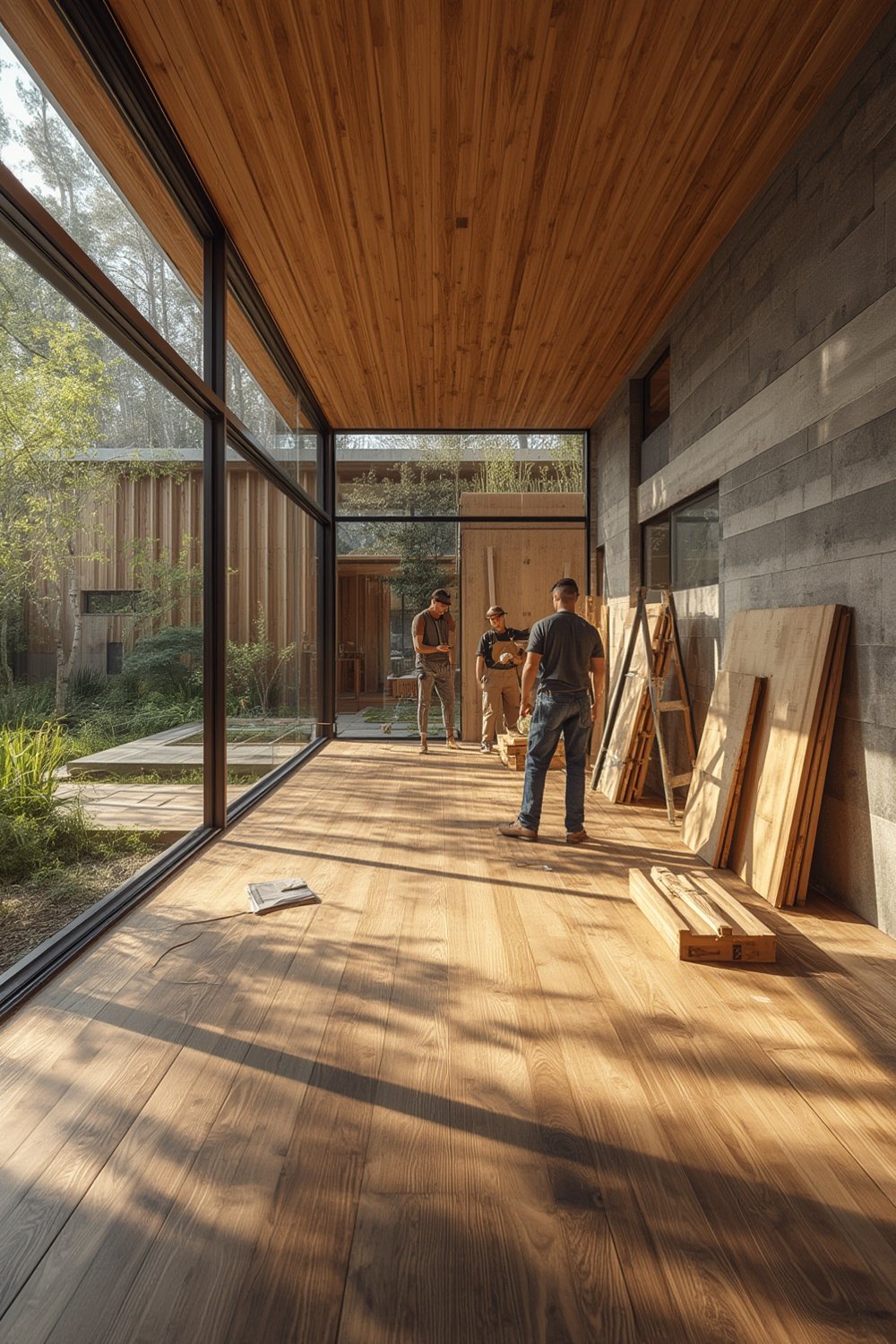
The eco-friendly remodel movement is about more than just aesthetics—renewable building products and recycled home materials offer clear benefits over conventional choices. Take Bamboo flooring: it grows up to 3 feet per day, doesn’t need replanting, and absorbs large amounts of CO2, making it a far more sustainable option than traditional timber. Recycled steel and hempcrete are also gaining traction, delivering higher strength, enhanced durability, and lower embodied carbon.
But not every green solution is identical. For example, while reclaimed wood prevents landfill waste and new logging, not all reclaimed products meet modern safety or building codes. On the energy front, eco-friendly cladding and roofing can deliver superior insulation, slashing heating and cooling costs in both North America and Europe. Consider the lifecycle impact-renewable and recycled materials often cut emissions during production and over the life of your home.
Performance? When sourced and installed correctly, green renovation materials often match or outperform their conventional cousins for durability and utility. Still, be aware that not all products are certified, and real-world longevity can vary.
- Pro Tip: Always request and review Environmental Product Declarations (EPDs) before purchase. EPDs detail the true emissions, ingredients, and performance of materials—more reliable than marketing claims alone.
- Hacks & Tricks: Check for local demolition listings and surplus stores-these can be goldmines for affordable recycled home materials like reclaimed doors, beams, or bricks for your next project.
Real-World Challenges: What Homeowners Face When Sourcing Eco-Friendly Materials
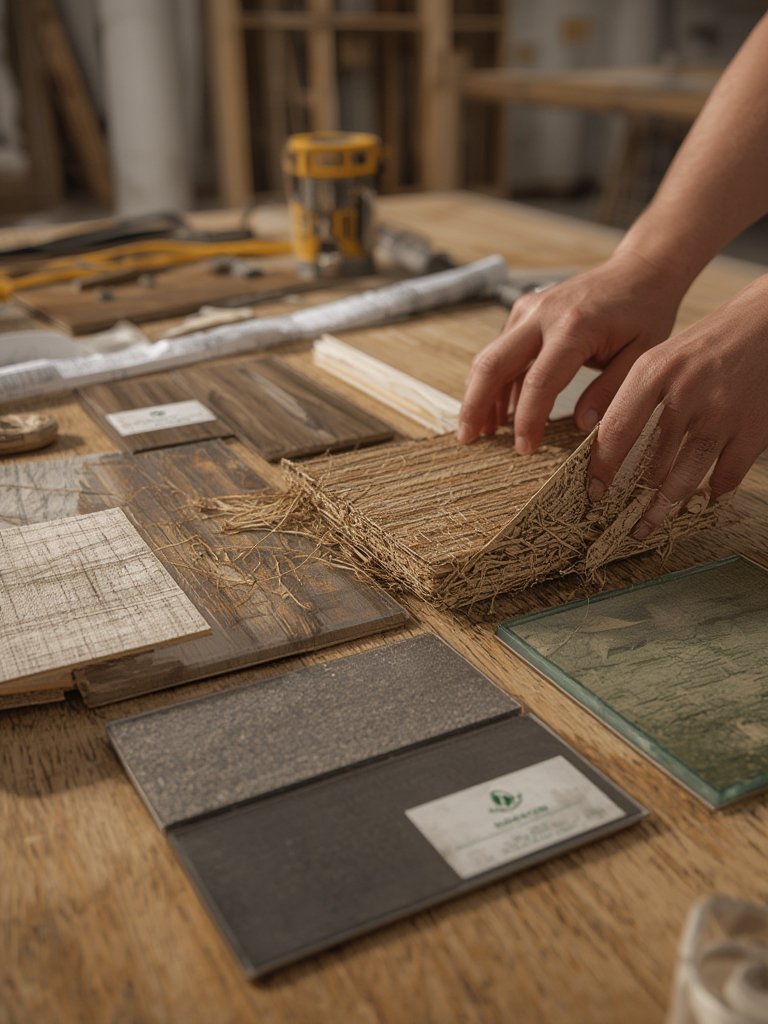
Most mainstream green renovation guides skip the hard parts-especially frustrations around finding and evaluating recycled home materials for an eco-friendly remodel. Here’s what homeowners report struggling with:
- Inconsistent availability: Recycled or renewable materials like reclaimed wood and steel may only be available regionally, causing delays or forcing costly substitutions mid-project.
- Quality assurance gaps: Not all salvaged or recycled products are inspected, making it tricky to verify safety, performance, or compatibility with modern insulation, wiring, or plumbing.
- Lack of guidance: Installation of sustainable materials—especially unconventional types like hempcrete or bio-based insulation—often falls outside the expertise of standard contractors.
- No clear standards: Certification and ecolabeling can be vague or inconsistent, especially in Europe, complicating procurement for small-scale remodels.
Few competitor articles address these headaches directly, leaving a knowledge gap for homeowners who want environmental improvements but need honest, step-by-step support.
If you’re navigating this maze for the first time, consider learning from recent proven guides on space-maximizing upgrades like the wet room bathroom or energy-focused upgrades like energy efficient windows-areas where sourcing can be more straightforward thanks to growing supplier networks and clearer standards.
Green Renovation Material Costs: What to Expect in 2024
Let’s address the biggest missing piece-cost. Despite the explosive market growth, there are currently no published 2024 average cost comparisons for green versus conventional renovation materials. This makes real budgeting tough for eco-conscious homeowners and developers.
What’s behind the lack of transparency?
- Variable material origins: Many sustainable materials are niche, regionally produced or reclaimed, making costs harder to track consistently.
- Project-specific factors: Shipping, handling, and installation expertise impact pricing more than with standard mass-market materials.
- Supplier practices: Some providers simply don’t publish their prices, keeping them “request only” or subject to negotiation for volume orders.
Until cost reporting improves, focus on the full lifecycle: consider not only purchase price, but also long-term energy savings, potential for incentives, and increased property value.
For bigger renovation budgets or if leveraging a home equity line of credit for remodels, ask direct questions about warranty, performance, and true cost per use compared to standard options.
Certifications & Standards: How to Verify Truly Sustainable Choices
Certifications are your best friend for cutting through greenwashing in the sustainable building materials space. The most respected eco certifications in North America and Europe are LEED (Leadership in Energy and Environmental Design) and BREEAM (Building Research Establishment Environmental Assessment Method). These focus on lifecycle emissions, indoor air quality, and resource stewardship.
Here’s what to look for:
- LEED/BREEAM logos: Third-party approval indicates rigorous vetting, not just manufacturer claims. Learn more from this market overview.
- Tax credits and local incentives: Especially in North America, government-backed programs encourage use of certified materials and can offset higher initial costs.
- Material-specific ecolabels: In Europe, certification standards can be less defined—always check for national or regional ecolabels for additional peace of mind.
If you’re overwhelmed, start by verifying LEED or BREEAM status with your supplier. Cross-reference with local codes and, when in doubt, call your city’s permitting office for confirmation. For more inspiration, see how homeowners are using green materials to create calming, organic modern living rooms that blend function, comfort, and sustainability.
Lifecycle Footprint: Recycled vs New Materials in Practice
To maximize environmental gains on your eco-friendly remodel, compare the full lifecycle footprint—not just the label-of popular materials:
| Material | Standard Product | Green Alternative | Lifecycle Benefit |
|---|---|---|---|
| Structural Framework | New steel beams | Recycled steel | Cuts resource extraction, lowers carbon emissions dramatically |
| Flooring/Walls | Traditional wood | Reclaimed wood, bamboo | Avoids new logging, bamboo sequesters carbon faster |
| Insulation | Petrochemical foam | Hempcrete, cellulose | Improved air quality, drastically reduced embodied carbon |
Studies show that recycled steel and reclaimed wood significantly reduce environmental footprints by avoiding resource extraction and landfill waste. For rapid-renewable options, bamboo’s carbon sequestration is unmatched—absorbing more CO2 per acre than traditional trees. This means green renovation materials do more than just tick a box-they reshape your home’s environmental legacy.
What the Mainstream Guides Miss: 3 Vital Topics Every Remodeler Should Know
Most top-ranking guides about sustainable building materials miss three crucial topics you need to know before renovating:
- No renovation-specific adoption rates: Market data and trends heavily focus on new construction, masking the unique growth and needs of the renovation sector.
- Real sourcing and installation frustrations: Practical challenges homeowners face-like finding qualified green suppliers, clarity on recycling content, and navigating installation-often go unaddressed.
- Lack of cost transparency: No published 2024 average cost comparisons, leaving renovators guessing about price differences and value for money.
Treat any “one size fits all” guide with skepticism. The reality is that while eco-friendly remodels can cut emissions and raise your home’s value, they require diligent sourcing, realistic budgeting, and flexibility if plans need to adapt mid-project.
Your best path forward: verify every claim, ask for documentation, and seek out suppliers and contractors with green project experience. The benefits are real-but only if approached with open eyes and rigorous standards.
Conclusion
Eco-friendly remodeling with sustainable building materials isn’t a trend-it’s a long-term investment in your home, health, and planet. We’ve shown market growth, environmental advantages, and the practical realities you’ll face when sourcing and installing green renovation materials. Remember, the payoff comes from careful planning, certified products, and realistic expectations, not just headlines.
Ready to start your renovation journey? Research local suppliers, verify certifications, and use proven guides like those for wet room bathrooms or energy efficient windows-and make sustainable building materials central to your next upgrade.
FAQ
Can I get tax incentives for using sustainable building materials?
In North America, many regions offer tax credits, rebates, or grants if your eco-friendly remodel uses certified materials such as those approved by LEED. Always check with your local government or permitting office for current availability.
How do I confirm a “green” product is truly sustainable?
Look for independent third-party certifications like LEED, BREEAM, and material-specific ecolabels. Also, ask for Environmental Product Declarations (EPDs) and check for evidence of regulatory compliance.
Are recycled materials as durable as new materials?
Recycled steel and properly reclaimed wood often equal or outperform new materials for most renovation uses. However, always inspect for structural integrity and verify with your contractor before installation.
What is the easiest green material to use in a DIY remodel?
Bamboo flooring and recycled-content insulation (like cellulose) are popular, user-friendly options. They install much like traditional products and are widely stocked in home improvement stores.
Why are costs for sustainable materials so hard to find?
The market is less standardized, with variable regional supply and demand, fluctuating shipping charges, and many reclaimed options sourced locally. Always get multiple quotes and ask for a “true cost per use” projection, factoring in long-term savings.