


Accessibility bathroom remodel projects are reshaping homes across the U.S. With safety, independence, and future-proofing top of mind, homeowners are seeking better design and smarter solutions for aging in place or addressing mobility needs.
Key Takeaways
- Accessibility features like grab bars and curbless showers are in high demand and play a crucial role in bathroom remodels.
- The median investment for a bathroom remodel hit $24,000 in 2023, with costs driven by safety upgrades and universal design elements.
- Planning for accessibility pays off in safety, comfort, and long-term usability-but requires careful attention to challenges and codes.
- What an accessibility bathroom remodel means—and why it matters
- Step-by-step guide: How to plan and execute an accessibility bathroom remodel
- Advanced analysis & common pitfalls
- Conclusion
- FAQ
What an accessibility bathroom remodel means-and why it matters
An accessibility bathroom remodel focuses on making bathrooms safer and easier to navigate for people of all ages or those with limited mobility. Demand for these remodels has increased as the population ages and more homeowners desire to “age in place” rather than move. The core upgrades-from wider doorways to walk-in showers-aren’t just for seniors; they benefit anyone seeking safety and comfort.
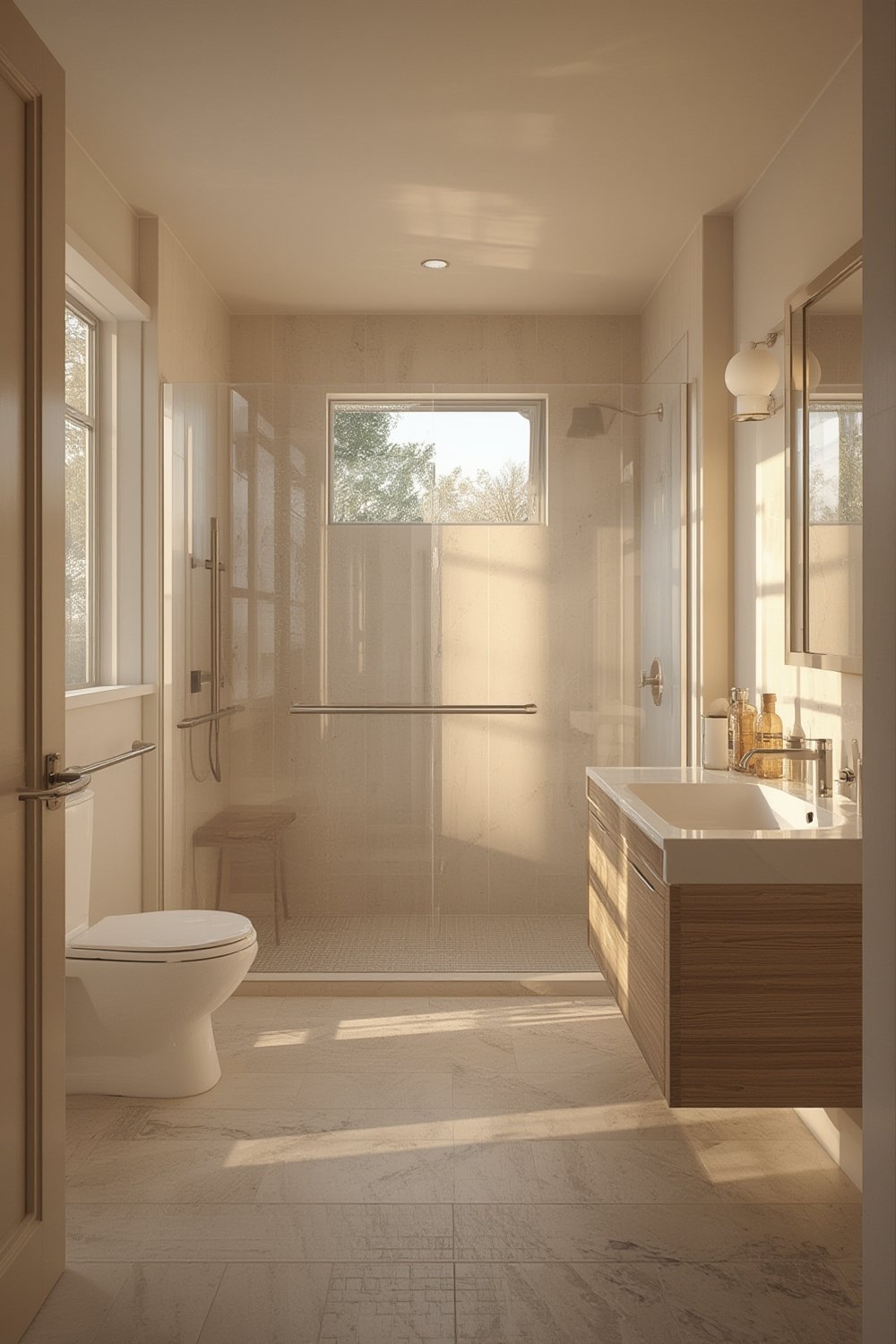
According to industry research, grab bars are now featured in more than 37% of all 2024 bathroom remodels—a sign that safety is top of mind for many. The overall market for handicap-accessible renovations is growing at a steady rate of 7% per year, with projections showing nearly $485 billion spent on home improvements in 2024. Homeowners want bathrooms that aren’t just beautiful, but also practical for current and future needs.
Accessibility also adds peace of mind. Slip-and-fall accidents remain among the most common sources of injury at home, and bathroom accessibility solutions like low-threshold showers or raised toilets help reduce this risk. Whether you are retrofitting for a loved one or planning for your own future, these remodels bring safety, convenience, and value to your property.
Related: Explore modern wet room bathroom ideas to maximize openness and accessibility.
Step-by-step guide: How to plan and execute an accessibility bathroom remodel
Transforming a standard bathroom into an accessible space doesn’t have to be overwhelming. Here’s a clear, step-by-step process for your remodel:
- Assess your needs. Start with the users-consider mobility, strength, vision, and whether a wheelchair or walker may be needed in the future.
- Set your budget. The average U.S. bathroom remodel costs around $24,000, varying by region and level of accessibility required.
- Plan space and layout. Widen doorways to at least 32 inches, and aim for open, barrier-free pathways.
- Choose fixtures and features.
- Install walk-in or curbless showers with sturdy grab bars.
- Select slip-resistant flooring.
- Opt for raised toilets and accessible sinks.
- Ensure lever handles and easy-to-use faucets.
- Hire qualified professionals. Seek contractors familiar with universal design and relevant local codes.
- Schedule work around your lifestyle. Factor in downtime and determine if you will need temporary access elsewhere during construction.
- Pro Tip: If you’re planning a curbless shower, coordinate early with plumbing and tile professionals to ensure proper drainage slopes and prevent water leaks-the most common problem in poorly executed designs.
- Hacks & Tricks: Use a contrasting color border on grab bars, switches, or outlets so those with low vision can easily spot important features.
Midway through your remodel, double-check that new accessories like showerheads and controls are within reach and require little grip strength. Consider premium options, like adding an adjustable filtered shower head for comfort and ease.
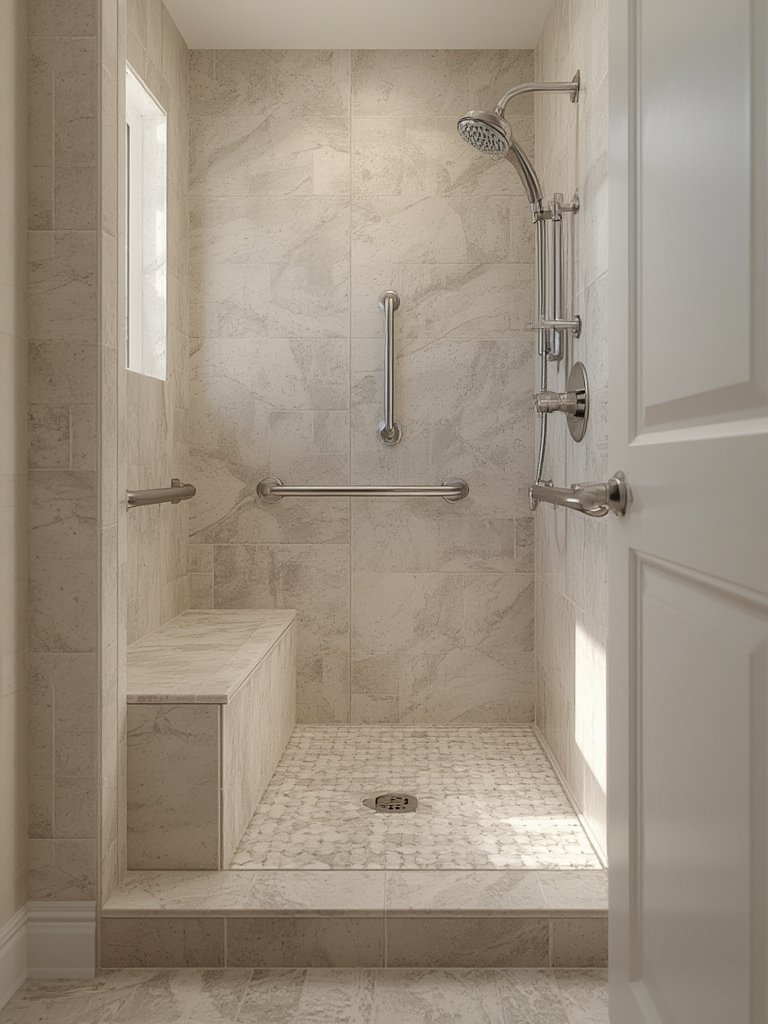
Universal design also applies to lighting and entryways-good lighting reduces fall risk, and lever handles beat knobs for almost everyone. For under-sink leaks or spills, using a waterproof sink mat keeps cabinets protected and makes cleaning easier for those with limited mobility.
Advanced analysis & common pitfalls
Remodeling for accessibility is rewarding, but it comes with real-world hurdles. Here are typical issues and realistic solutions:
- Unexpected costs: Custom features, professional labor, and specialty materials can push projects well above initial estimates. Always pad your budget by 15-20% for surprises.
- Space constraints: Small bathrooms can limit options for turning radius, curbless showers, and larger fixtures. Sometimes, partial remodels or adjacent space borrowing is needed.
- Contractor inexperience: Not all remodelers are equally versed in accessibility codes or universal design. Screening for prior work and credentials is critical.
- Drainage issues: On poorly planned curbless showers, inadequate slope leads to standing water and higher slip risk.
- Delays and disruptions: If your home only has one bathroom, you’ll face daily living challenges during construction. Temporary facilities or portable bathrooms may be needed.
Costs at a glance:
| Feature | Typical Cost Range | Notes |
|---|---|---|
| Curbless shower conversion | $4,000–$15,000 | Cost varies by drainage, tile, and waterproofing |
| Grab bars | $200–$800 installed | Choose ADA-compliant stainless or powder coated |
| Wider doorway | $500–$2,500 | Includes framing and door replacement |
| Raised toilet | $350–$950 | ADA height toilets improve comfort and safety |
| Non-slip flooring | $1,500–$3,500 | Porcelain and LVT are common choices |
(Note: All cost ranges are approximate. See more in this in-depth guide.)
Few homeowners regret adding accessibility features, but skipping early planning can lead to frustration. Always clarify goals, get multiple bids, and confirm that products meet recognized standards, such as ADA guidelines where applicable.
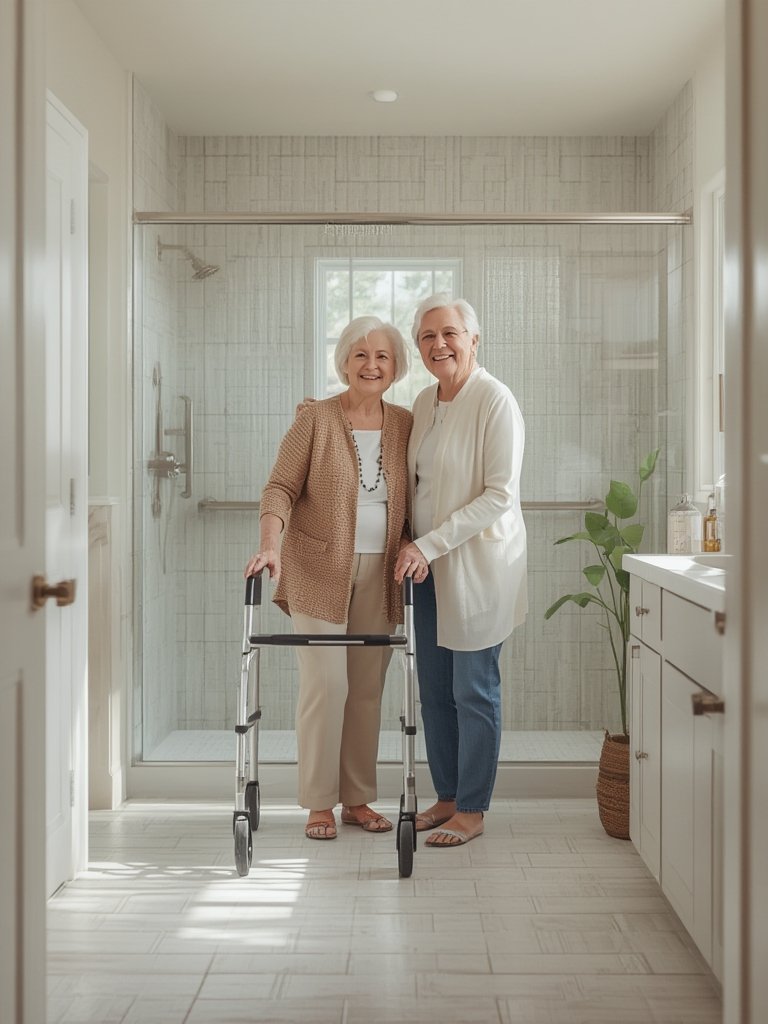
For tight spaces, consider installing a floating vanity-it frees up floor area for wheelchair access and cleaning.
Conclusion
Investing in an accessibility bathroom remodel is about safety, functionality, and sustaining independence at home. By planning thoroughly and choosing proven features like curbless showers, grab bars, and slip-resistant flooring, you’ll create a space that works for everyone-today and tomorrow. Don’t overlook expert advice, detailed budgeting, and the value of realistic, future-proof solutions. Ready to start your journey to an accessibility bathroom remodel? Consult a certified professional, and make your home safer, more comfortable, and more valuable-now is the best time to do it.
Want more ideas? Check out innovative spa bathroom upgrades or discover smart product picks such as an easy-to-store step ladder for safer home access.
FAQ
How long does an accessibility bathroom remodel usually take?
Most projects take between 2 and 4 weeks, depending on scope, contractor availability, and whether structural changes are needed.
Do I need permits for an accessibility bathroom remodel?
Yes, most jurisdictions require permits for plumbing, electrical, or structural work. Always verify local codes before starting any remodel.
Can I do a partial remodel for accessibility?
Absolutely. Adding key upgrades like grab bars, a handheld shower, or a raised toilet delivers benefits even if you can’t do a full overhaul.
What’s the biggest mistake homeowners make?
Skipping the planning phase or choosing style over safety. Proper layout, certified features, and experienced contractors matter most in accessibility remodels.
Does an accessibility remodel add value to my home?
Yes, especially as more buyers value universal design and long-term livability. Accessibility features can make your home stand out and support resale.