


Focus Keyword: smart lawn care system
If you are considering a smart lawn care system for your yard, you are not alone. Homeowners everywhere are using technology to turn ordinary lawns into self-maintaining, water-efficient spaces. Here’s exactly what you need to know before you make the leap, including real-life challenges and practical steps to create a seamless, connected lawn care setup.
Key takeaways
- The smart lawn care system market is growing rapidly, with robotic mowers, IoT sensors, and AI-driven irrigation gaining mainstream adoption.
- Upfront integration and compatibility planning is crucial to avoid device headaches and wasted investment.
- Smart systems dramatically reduce manual labor but setup and troubleshooting can be complex for non-tech users.
- Understanding smart lawn care systems: What and why
- How to build a smart lawn care system (step-by-step)
- Advanced analysis and common pitfalls
- Conclusion: Is a smart lawn care system worth it?
- Frequently asked questions
Understanding smart lawn care systems: What and why
A smart lawn care system is a set of connected devices and apps-robotic mowers, intelligent sprinklers, soil sensors, and mobile monitoring-that automate lawn care with minimal human effort. In 2024, the global market for these tools is booming, with the lawn care products sector valued at $53.7 billion and on track to hit $91.7 billion by 2034 as adoption accelerates. [Source]
Why go smart? With climate extremes, labor shortages, and water scarcity, traditional lawn care is becoming less practical. AI and IoT-powered solutions give homeowners granular control over watering, mowing, and diagnostics for healthier lawns and stronger resource efficiency. Smart systems make it possible to save time, cut water use, and reduce chemical dependency, all from your smartphone.
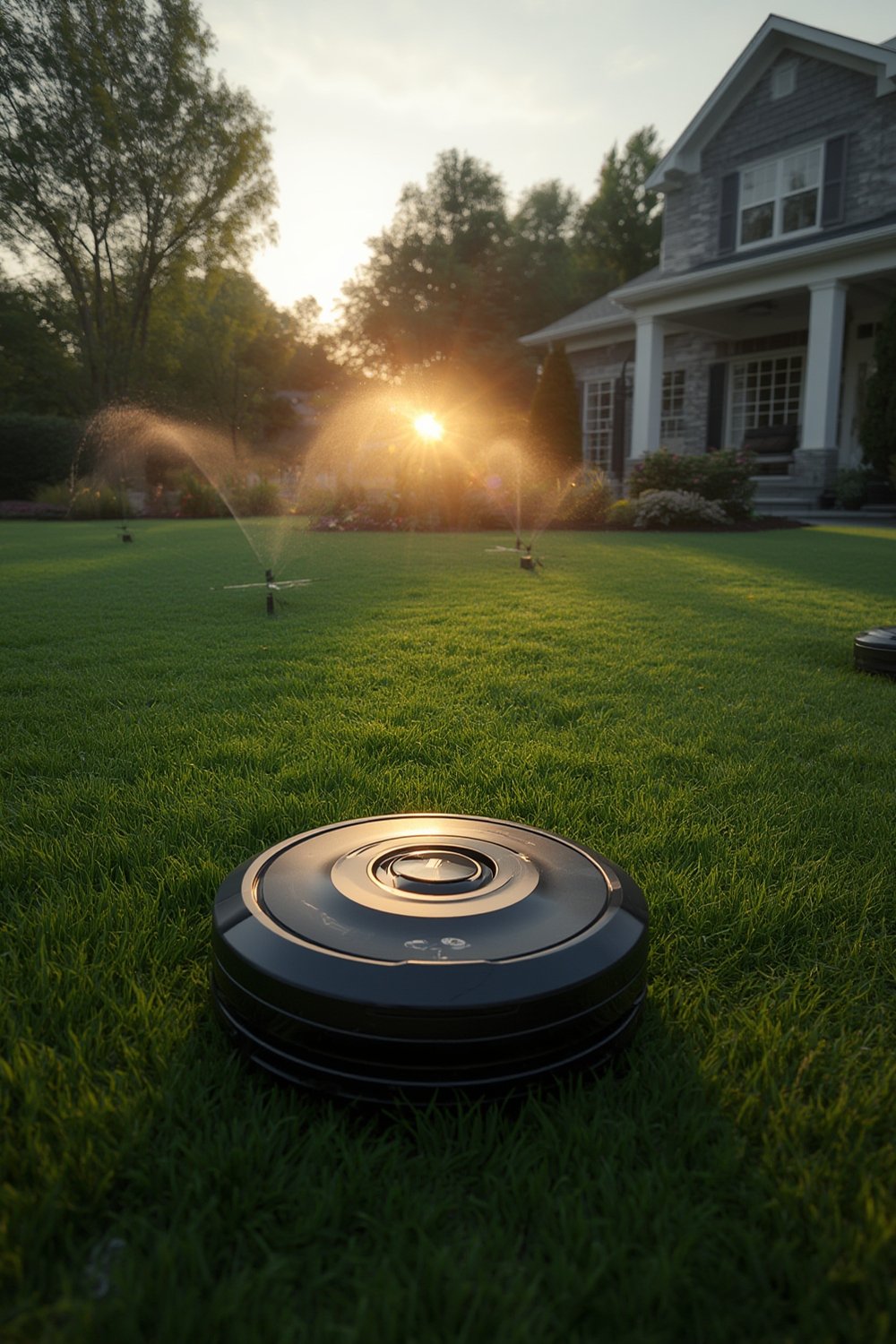
Today’s top systems offer integration with platforms such as Amazon Alexa and Google Home, enabling seamless scheduling, obstacle detection using built-in AI, GPS-guided mowing patterns, and health alerts delivered right to your device. The robotic lawn mower market alone more than doubles in value by 2030, fueled by sensor tech and the residential sector’s 65% share. [Source]
How to build a smart lawn care system (step-by-step)
If you want to create a truly connected and automated lawn, follow these steps for a reliable, scalable system:
- Evaluate your lawn’s size and needs.
Measure your lawn, check for slopes, shaded areas, and WiFi range. Some robotic mowers and sensors have strict area limitations, and narrow passages or dense plantings may impact navigation. - Choose a compatible robotic mower.
Look for units with advanced AI for obstacle detection, GPS for zoning and mapping, and mobile app control. Integration with existing smart home ecosystems (like Alexa or Google Home) avoids future headaches-so check the compatibility list before buying.
See our in-depth robotic mower guide for real comparisons and how to reclaim your weekends. - Add a smart irrigation controller.
Select models that use weather-based scheduling, soil moisture sensors, and remote control features. WiFi-connected controllers make it possible to adjust watering at home or away.
Learn about efficiency gains in our smart irrigation system guide. - Install soil and weather sensors.
Networked sensors monitor moisture, sunlight, and temperature to automate lawn care routines. For best accuracy, place sensors in both sunny and shaded zones. - Connect a unified app or hub.
Choose a single app or ecosystem-such as Apple HomeKit, SmartThings, or a dedicated lawn care platform-that can control devices from multiple manufacturers. This strengthens automation and reduces app overload. - Set up automation and monitor performance.
Program schedules, monitor for errors, and gradually adjust based on feedback from the system or your lawn’s appearance. Regularly update firmware for new features and patching.
- Pro Tip: Always group devices on the same 2.4GHz WiFi band for maximum compatibility-especially in larger yards where long-range signals can be inconsistent.
- Hacks & Tricks: Want to save time setting boundaries for your robotic mower? Mark the perimeter with a highly visible temporary cord or string before burying any guide wires-this prevents rework and ensures accurate setup on your first try.
Don’t forget ongoing maintenance. Clean mower blades, check sensors for debris, and review app notifications weekly to keep the system at peak performance.
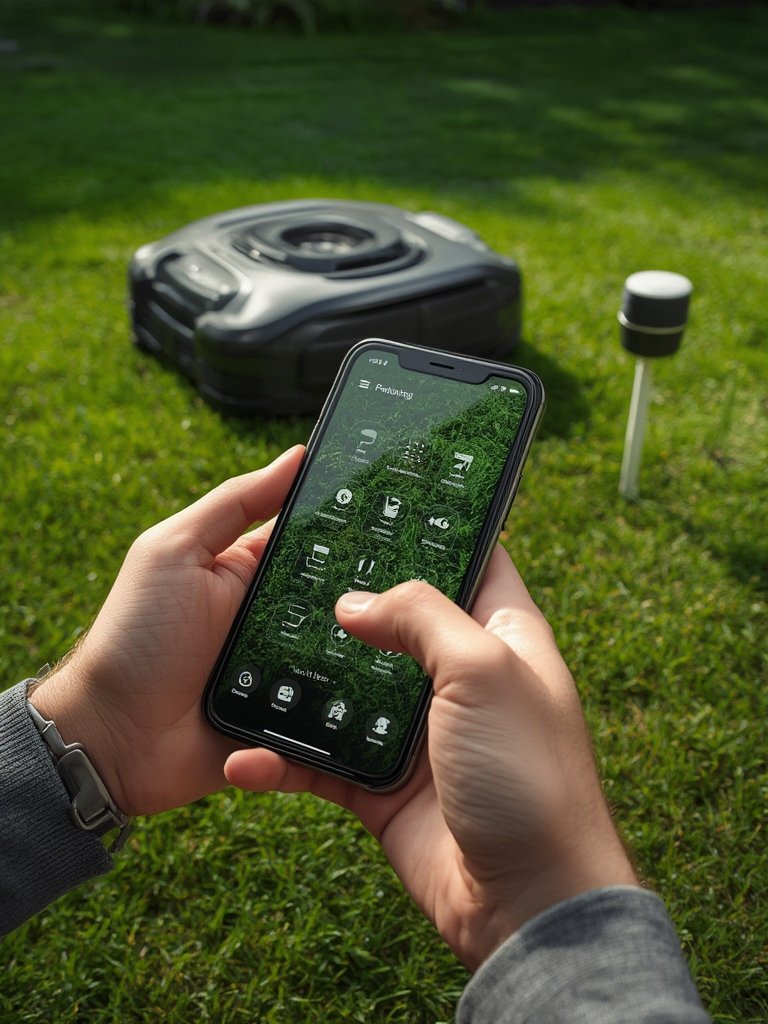
If you often trim trees or keep hedges, consider combining classic landscaping tools with your smart system for best results. See our mini chainsaw review and best garden clippers guide for hybrid solutions.
Advanced analysis and common pitfalls
While smart lawn care systems promise dramatic time savings and efficiency, not every experience is seamless. Here are realistic challenges real users-and even pros-face:
- Device incompatibility: Mixing brands (robotic mower from Brand A, irrigation from Brand B) often leads to unreliable app control or broken automation routines. Always check interoperability before purchase.
- Connectivity gaps: Weak WiFi coverage can cause robotic mowers or irrigation controllers to fail or reboot unexpectedly-especially in bigger lots or those with detached structures.
- Complex setup: Multi-device systems require careful mapping (for wiring, boundaries, and device placement). Non-tech-savvy users frequently need professional installation help.
- Subscription creep: Many platforms require ongoing payments for advanced scheduling, AI updates, or detailed health reports. These costs add up quickly if you stack several devices.
- No one-size-fits-all: Slope, heavy shade, and active pets can create automatic mowing headaches. Some lawns still require touch-up trimming or weed pulling despite having a fully automated system. For manual backup, reference our best stand-up weed pullers review.
| Feature | DIY Homeowners | Tech-Savvy Users | Pro Installers |
|---|---|---|---|
| Setup Complexity | Medium–High | Medium | Low |
| Troubleshooting | Challenging | Easy | Easy |
| Upfront Costs | Lower | Moderate | Highest |
| Best Fit | Tinkerers | Smart home fans | Busy professionals / Seniors |
Security is another under-discussed concern. Most manufacturers provide little detail about data privacy or information safeguards in their monitoring apps. Before buying, check what personal info is collected and if updates are offered for new vulnerabilities. Users who value privacy may want to opt out of cloud-based health reporting features.

Conclusion: Is a smart lawn care system worth it?
A smart lawn care system can be a game-changer: less manual work, consistent watering, and healthier grass with minimal waste. But like any technology project, it comes with real-world learning curves and ongoing upkeep. Planning ahead ensures the system works for your lifestyle—not just your lawn size. If you want a beautiful, hands-off yard, take your time choosing the right components and double-check compatibility for long-term success. Ready to build your own smart lawn care system? Start small, scale up, and enjoy your weekends again.
Want more tips for water efficiency and modern yard care? Review our guides on drought-tolerant landscaping and smart irrigation solutions for additional ideas.
Frequently asked questions
How much does a smart lawn care system typically cost?
Depending on features and brands, expect to pay $1,500 to $3,500 upfront for a mid-range setup (robotic mower, smart irrigation, sensors, and mobile app). Subscription services for advanced tracking or updates may run $5–$20/month extra, though final costs vary by manufacturer and lawn size.
Can I install a smart lawn care system myself?
Most products are DIY-friendly for tech-savvy users, but full integration often involves mapping boundaries, configuring networks, and device calibration. If new to smart devices or your yard is complicated, professional installation reduces hassles.
What maintenance does a smart lawn care system need?
Clean mower blades regularly, keep sensor surfaces free from mud or grass, check app connectivity once a week, and update firmware whenever prompted to avoid interruptions or glitches.
Are smart lawn care systems secure?
Security varies across brands. Many apps collect usage data for cloud-based health monitoring, but privacy information is not always transparent. Choose brands with strong update policies and clear privacy statements for best protection.
Do I still need traditional lawn tools?
Yes. Even the best robotic mowers struggle with awkward edges, raised beds, and weeds. A set of quality hand tools, such as pruning shears or a mini chainsaw, helps finish the job and handle minor trims or cleanup.