


Lawn alternatives for full sun are quickly becoming the best solution for homeowners facing heat, drought, and rising landscape costs. If you’re tired of battling brown turf and soaring water bills, switching to proven grass alternatives can create a resilient, beautiful yard that thrives all summer long.
Key Takeaways
- Kurapia, blue grama, buffalograss, and select native fescues are expert-recommended grass alternatives for full sun, offering less water use.
- Initial costs are higher than standard turfgrass, but long-term savings come through reduced watering, fertilizers, and maintenance.
- Pollinator support, allergy potential, and wildfire risk are often overlooked with these alternatives—plan your install accordingly.
- What are lawn alternatives for full sun and why choose them?
- Step-by-step guide: How to replace a full sun lawn with alternatives
- Advanced analysis & common pitfalls
- Conclusion
- FAQ
What are lawn alternatives for full sun and why choose them?
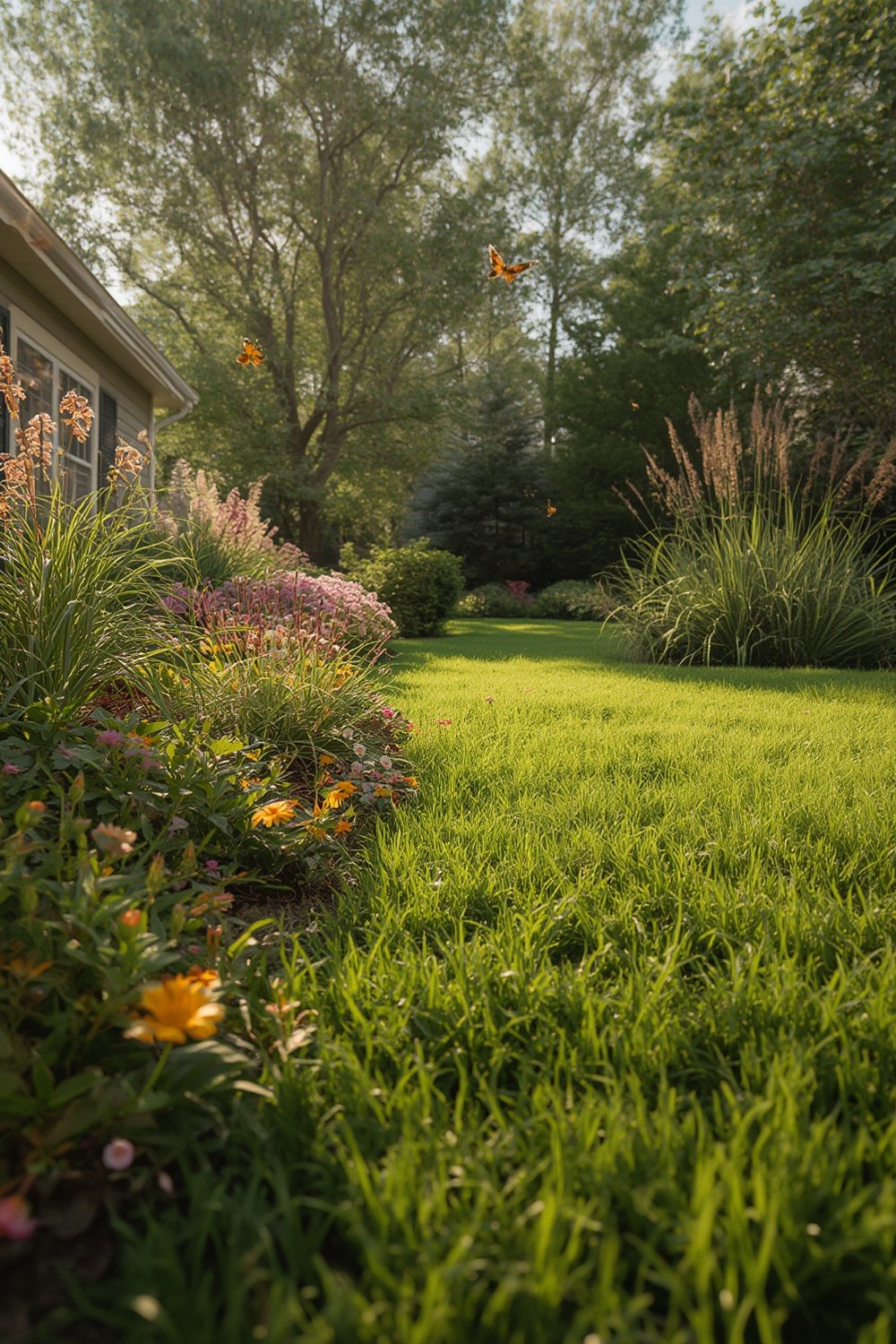
Lawn alternatives for full sun are non-traditional yard covers that stand up to heat, drought, and full sun exposure far better than classic turf. Instead of high-maintenance lawns that brown in summer, these options—such as Kurapia (Phyla nodiflora hybrid), blue grama (Bouteloua gracilis), buffalograss (Bouteloua dactyloides), and spike dropseed (Sporobolus contractus)—form dense, living carpets using a fraction of the water and fertilizer.
Horticultural experts recommend these alternatives because traditional grass lawns require excessive water, struggle with heat stress, and often need pesticides. In contrast, modern groundcovers and native grasses adapt to harsh climates, encourage biodiversity, reduce runoff, and ease maintenance chores. Recent research shows that full sun-tolerant species like Kurapia and blue grama perform far better than Bermuda or St. Augustine, especially in drought-prone states. Native fescues (Festuca rubra, Festuca idahoensis) also provide a mow-free, attractive look for large yards and public spaces.
Step-by-step guide: How to replace a full sun lawn with alternatives
Ready to take action? Follow these steps to transition from traditional turfgrass to a sun-hardy, low-water alternative that boosts curb appeal while slashing your utility bills.
- Choose the best groundcover for your location
Select from top performers like Kurapia, blue grama, buffalograss, and native fescues, considering your climate and soil. Kurapia is ideal for Southwest heat, while blue grama and buffalograss work across a broad range of USDA zones. Avoid alternatives unsuited to your region’s rainfall or sun levels. Read detailed comparisons of native grass lawn benefits for more guidance. - Remove the old turf
Use a sod cutter or solarize the grass with clear plastic—patience here saves you headaches later. For heavy work or large spaces, renting power tools or reading a stand-up weed puller review can help. - Prep the soil for full sun species
For most alternatives, till soil 4-6 inches deep. Amend as needed: Decomposed granite boosts drainage, compost improves structure, and sand loosens heavy clay. Pay special attention if your lawn became boggy in the past. - Install your alternative lawn
– Plugs or cuttings (Kurapia, frog fruit): Space according to nursery guidelines—typically one plug every 12-15 inches—for best coverage.
– Seed (blue grama, buffalograss): Evenly distribute and press into soil, keeping lightly moist for the first month.
– Sod (Kurapia, buffalograss): More expensive, but gives instant cover and rapid establishment. - Water and care for establishment
Keep the soil damp but not soggy during the first 3-6 weeks, gradually reducing frequency as roots develop. Once established, these alternatives outperform turf in drought and heat. - Transition to low-maintenance mode
After the first growing season, expect much less mowing and irrigation than with traditional grass. Fertilize natives in spring, but avoid excess water, especially during dormancy.
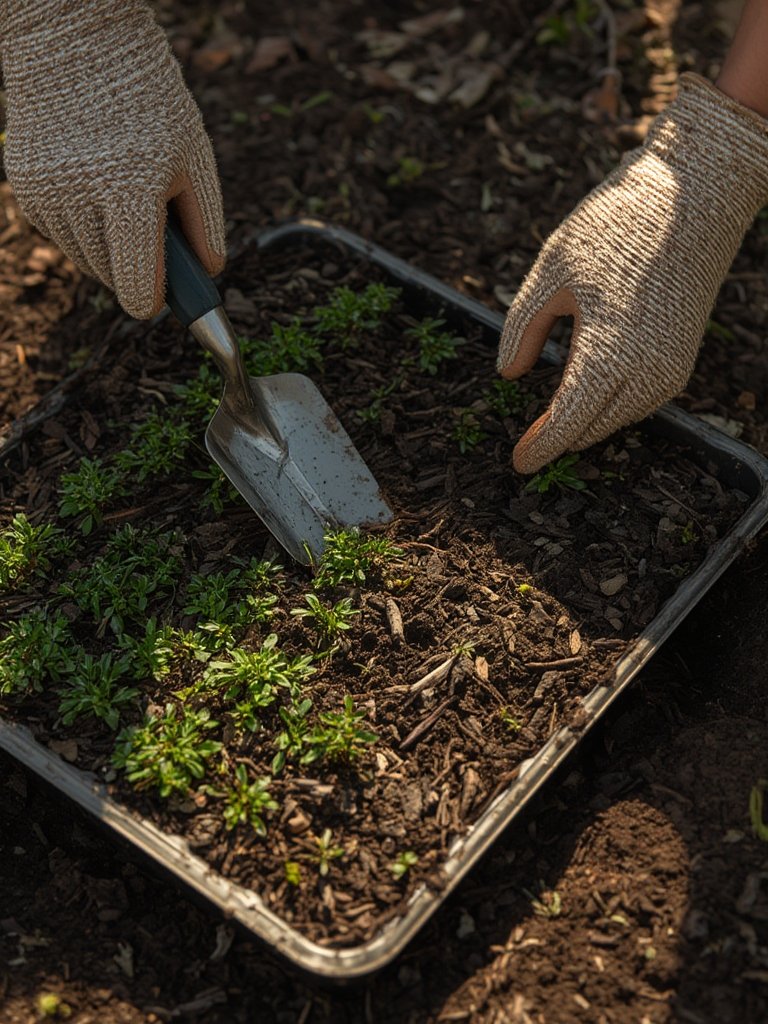
Having the right tools makes it easier: Check out this 9-piece garden tool set for everything needed to prep and maintain your new landscape.
Advanced analysis & common pitfalls
Even with the best grass alternatives for full sun, results depend on proper prep, expectations, and long-term care. Here are the top challenges—plus how to avoid each one.
- Installation mistakes: Many homeowners skip soil prep or use the wrong amendments. Natives hate soggy soil—till deep, mix in sand or decomposed granite, and avoid overwatering after installation.
- Cost surprises: Upfront, Kurapia and sod-form natives cost $1,800-$3,400 per 1,000 square feet, while seeding is cheaper but takes longer to fill in. However, monthly costs for water and yard work drop fast.
- Seasonal dormancy and appearance: Blue grama, big galleta, and others go straw-blond in winter—a feature for many, but a shock for some used to green year-round.
- Allergy and pollinator issues: The pollen load for you and your neighbors is rarely mentioned in classic guides. Kurapia flowers attract honeybees, offering big pollinator benefits, but not everyone is a fan.
- Wildfire considerations: Many drought-tolerant grasses become dry in summer or winter dormancy. In high-fire areas, integrating fire-resistant plant selection or open landscaping is key. Explore fire-resistant landscaping tips to design more safely.
- Pest and neighborhood spread: While sterile Kurapia hybrids don’t spread by seed, older strains and non-native frog fruit may invade unwanted areas. Pay attention to local HOA rules on plant selection and boundaries.
- Pet and traffic durability: Buffalograss and Kurapia handle paws and informal play better than taller natives, but none of these options will withstand organized sports or heavy traffic.
| Alternative | Water Needs | Cost per 1,000 sq ft (2024) | Shade & Traffic | Mowing/Upkeep |
|---|---|---|---|---|
| Kurapia | Low | $1,780-$3,400 | Good shade; moderate traffic | Minimal mowing |
| Blue grama | Very low | $0.20-$0.40/sq. ft. via seed | Poor for traffic | No mow, blond in winter |
| Buffalograss | Low | $2.00-$4.50/sq. ft. plugs or sod | Handles pets/play | Mow-optional |
| Native fescues | Low | Varies | Low traffic | No/occasional mow |
For eco-minded homeowners seeking multi-use yards, alternatives like Kurapia shine by combining pollinator appeal, weed suppression, and low pesticide need. According to the Los Angeles Times, natives and Kurapia also prevent erosion and foster habitat for local insect and bird species.
Conclusion
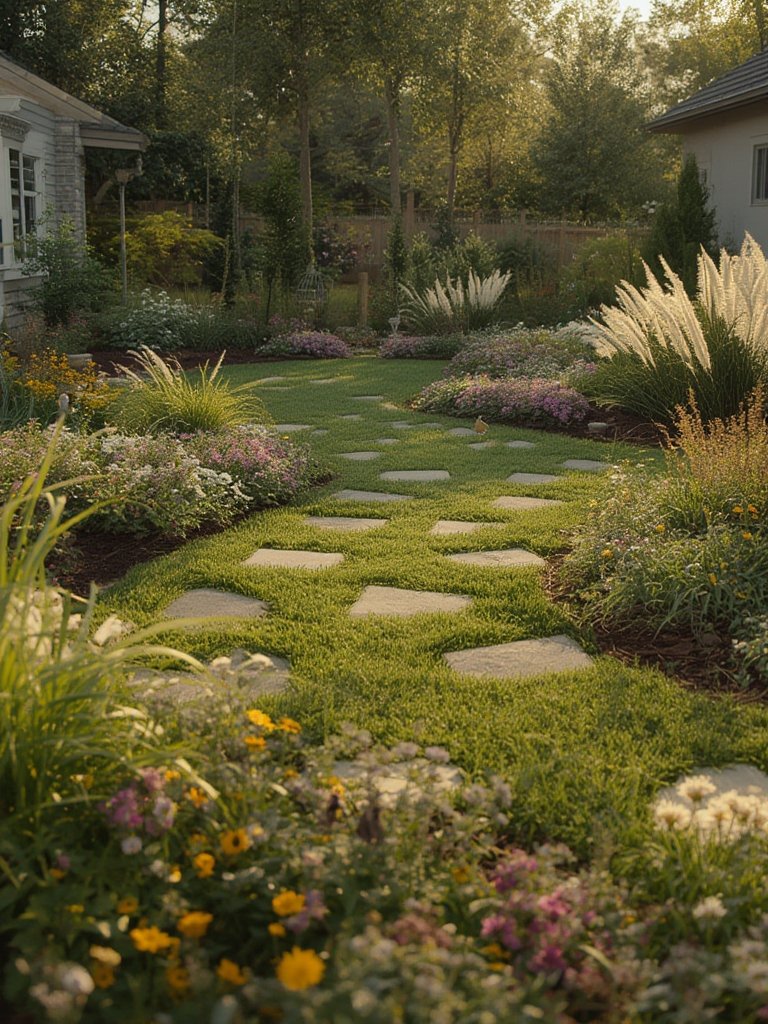
Switching to lawn alternatives for full sun is one of the smartest landscape upgrades for homeowners looking to save on water, reduce maintenance, and support biodiversity. Although initial installation is an investment, you’ll reap long-term rewards—especially in hot or drought-prone zones. With Kurapia plugs or native grass seed, you can create a lush yard with less effort and environmental impact. Start by evaluating your climate and soil, then plan your install using the actionable steps above. Explore no mow lawn alternatives for more inspiration or visit your local native plant nursery for tailored advice. Transform your yard—ditch the thirsty lawn and thrive!
FAQ
Which lawn alternative for full sun is the lowest maintenance?
Kurapia needs occasional mowing (or none) and minimal fertilizer once established. Blue grama and buffalograss are also mow-optional. Compared to turf, expect a fraction of the labor.
Are full-sun grass alternatives safe for pets?
Buffalograss and Kurapia lawns handle pet traffic better than most. Avoid taller native grasses, as they won’t recover from repeated trampling. Always let new installs establish before heavy use.
Will pollinators and bees be attracted to my alternative lawn?
Yes—Kurapia, frog fruit, and many native groundcovers bloom for months and attract bees and butterflies, turning your yard into a habitat oasis. If allergies or bee concerns are an issue, select species with limited blooming.
How do alternatives compare for cost versus conventional grass over time?
Install costs are higher, but after two years you’ll see dramatic savings on water and zero pesticide need. Over a decade, alternatives often cost far less than maintaining standard turfgrasses.
Can I combine alternative lawns with other drought solutions?
Absolutely. Blending permeable pavers, mulched pathways, and drought-tolerant beds (see drought tolerant landscaping strategies) maximizes savings and biodiversity for a modern, resilient yard.