


Outdoor living kitchen designs are transforming backyards into valuable, high-ROI spaces for entertaining, cooking, and relaxing. Whether you want to boost your home’s value or simply enjoy meals under the open sky, knowing what drives ROI, how to build efficiently, and what mistakes to avoid is critical before getting started.
Key Takeaways
- Outdoor living kitchens can recoup between 55% and 200% of your investment, especially in warm climates and luxury builds.
- Quality materials, planning, and professional installation are the most effective ways to maximize ROI and durability.
- Poor climate adaptation, low quality appliances, and ignoring local preferences are major pitfalls to avoid.
- What is an outdoor living kitchen? The core concept
- How to build an outdoor living kitchen: Step-by-step guide
- Advanced analysis and common pitfalls
- Conclusion
- Frequently asked questions
What is an outdoor living kitchen ? The core concept
An outdoor living kitchen is a dedicated space for preparing, cooking, and enjoying meals outside, often designed as an extension of your home’s entertaining area. It combines built-in appliances, durable countertops, storage, and often features like pizza ovens or wet bars, tailored for seamless outdoor hosting and easy maintenance. Investment in these spaces has surged post-pandemic with homeowners shifting travel budgets toward upgrading home amenities and outdoor entertaining spaces. In 2024, the global outdoor kitchen market reached $24.45 billion and is on track for rapid growth through 2033.
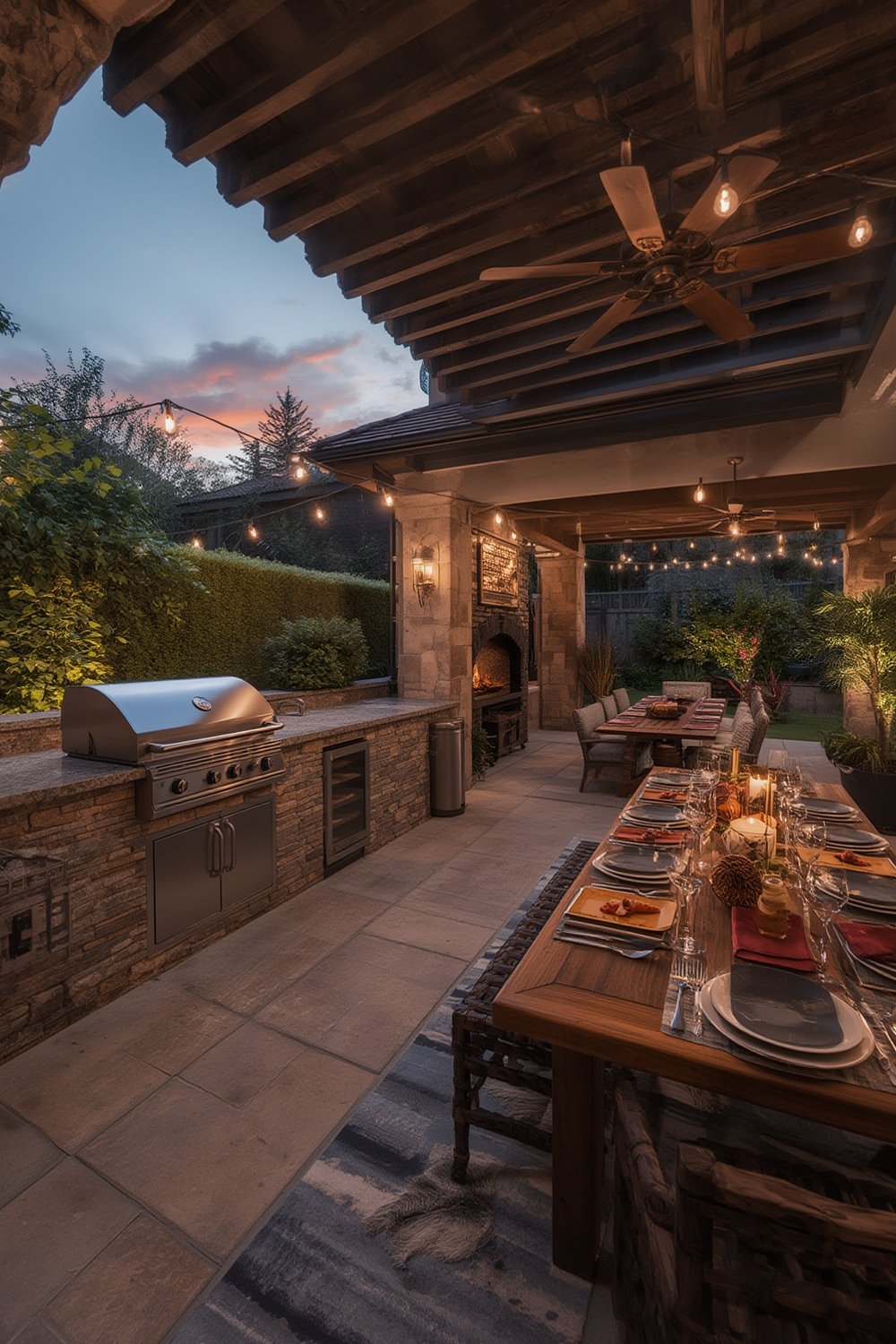
ROI for an outdoor living kitchen is influenced by climate, build quality, and integration with the rest of your property. Homeowners in warm regions see up to 200% before resale, while moderate investments recapture 60-80% of costs immediately. Compared to adding a basic patio or simple grilling station, these kitchens are customized to local tastes and maximize the functional value of outdoor space-often with smart storage and appliance zones. With 62% of the market coming from residential projects, they’re no longer an exotic luxury but a smart, everyday upgrade.
How to build an outdoor living kitchen: Step-by-step guide
Building your own outdoor living kitchen involves a sequence of practical steps, from concept and budgeting to installation and finishing details. Here’s what the process typically looks like:
- Define your goals and set your budget. Decide if you want a simple grill station or a fully equipped kitchen. Midrange builds start at $10,000–$50,000; luxury projects exceed $100,000.
- Evaluate your site. Map out sun/shade, wind, existing landscaping, drainage, and proximity to your indoor kitchen. For water and gas connections, professional consultation is highly recommended.
- Prioritize quality materials and weather resistance. Go for aluminum or coated stainless steel cabinets which won’t rust and handle climate extremes. For counters, sealed stone or porcelain withstands weather best (source).
- Select appliances for your climate and use-case. Start with a built-in grill, then consider pizza ovens, refrigerators, sinks, or a wet bar based on your cooking style and ROI expectations.
- Design for seamless integration. Connect the kitchen visually and physically to the patio, deck, or landscaping for higher resale value. Use perimeter planters or hedges to define space and buffer wind.
- Decide on DIY or professional installation. DIY can save upfront costs, but professional installation often adds more long-term value, faster timelines, and fewer mistakes.
- Add functional extras. Lighting, storage, shelter (like pergolas), and seating finalize the space.
Outdoor kitchens also benefit from simple maintenance planning: use a heavy-duty weatherproof table cover and storage box to extend the life of seating, cushions, and tools outside of peak season.
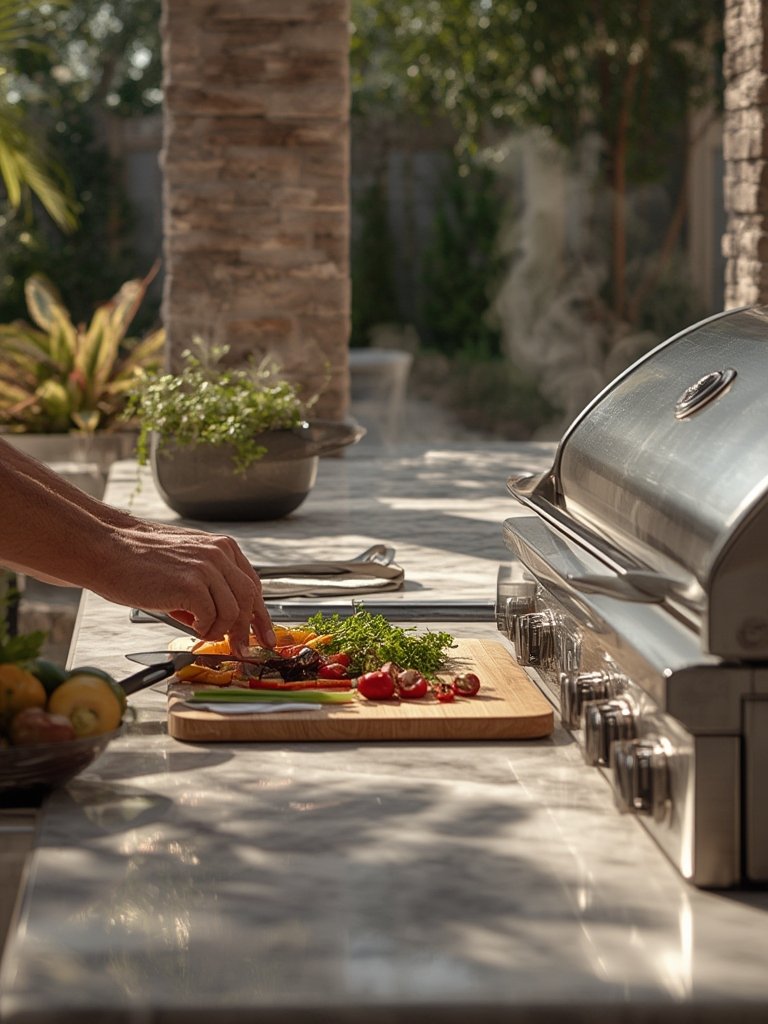
Finally, ensure all appliances and finishes are certified for outdoor use within your climate zone. Stainless steel and UV-stabilized plastics offer the best mix of low maintenance and durability.
Advanced analysis and common pitfalls
Even well-designed outdoor living kitchens can run into trouble-usually from poor product choices, climate mismatch, or underestimating the true project costs. Here are the most common issues homeowners and buyers face:
- Poor weather adaptation: Budget materials like untreated wood or cheap steel rust quickly, especially in coastal or humid regions.
- No local climate consideration: Outdoor kitchens offer higher ROI and usability in warm or coastal zones. Cold-weather regions can expect less year-round use and lower ROI unless heating or shelter is built-in.
- Under-budgeting hidden costs: Plumbing, electrical, site grading, and weather protection add up. DIYers often underestimate these expenses, risking overruns.
- Disconnection from existing outdoor living space: Kitchens that don’t flow with patios, landscaping, or lighting add less overall value.
- Lack of proper storage and protection: Outdoor tools, cushions, and supplies need dry, lockable storage-try a weatherproof storage box for essentials.
- Regulation blind spots: Lack of awareness on permits, setbacks, or fire code compliance can cause delays or, worse, require expensive modifications after installation.
| Feature | DIY | Professional |
|---|---|---|
| Estimated Cost | $10,000 – $30,000 | $25,000 – $100,000+ |
| Installation Time | 2-8 weeks (DIY) | 1-3 weeks (includes prefab options) |
| ROI Potential* | 55%-80% | 80%-200% in strong markets |
| Durability/Risk | Higher if using budget materials; mistakes likely | High—uses commercial-grade materials and expertise |
| Warranty Coverage | Rare or limited | Robust for both labor and products |
*ROI varies by region, build quality, and market demand. Sources: Serene Yards, Revive Real Estate
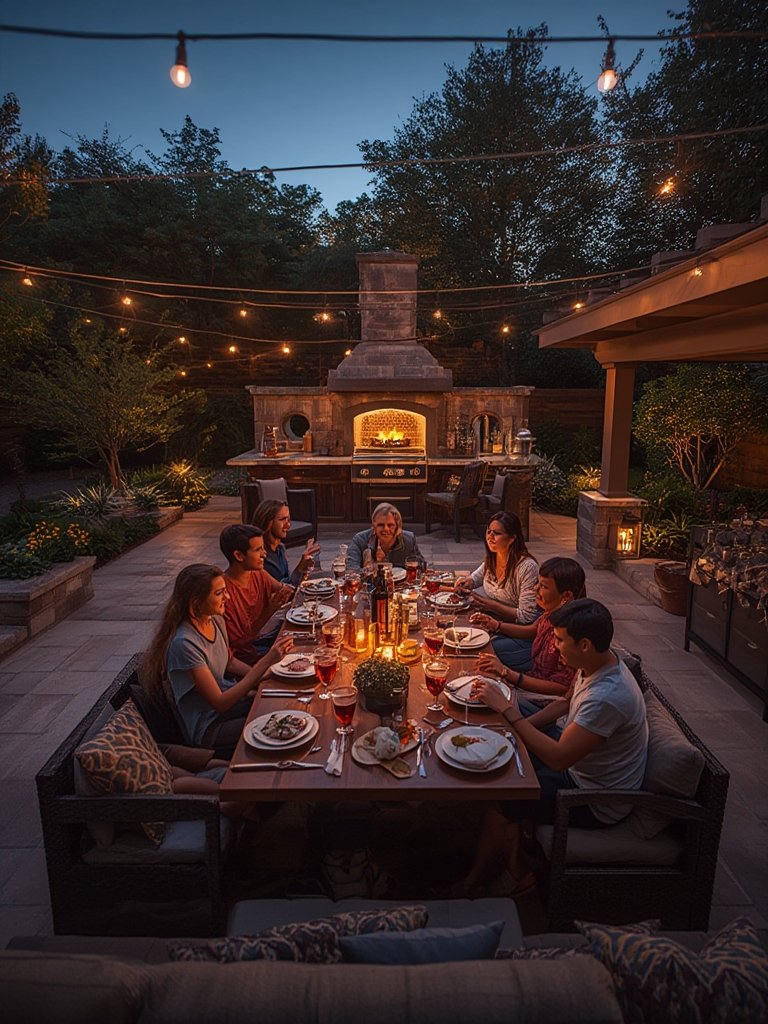
To further protect your outdoor kitchen investment, add protective elements-shading, covers, and windbreaks-just as you would when installing a garden wellness space or other outdoor retreat.
Conclusion
Investing in an outdoor living kitchen is one of the most effective ways to improve your home’s value, lifestyle, and appeal to future buyers-especially when you use quality materials, plan for regional climate, and integrate with the rest of your landscape. The right outdoor living kitchen unlocks year-round entertaining and delivers a proven ROI for years to come. Ready for your upgrade or want inspiration for your own project? Explore more ideas and guides on Andfetch, and start building your perfect outdoor kitchen today.
Frequently asked questions
How much does a typical outdoor living kitchen cost?
Most outdoor living kitchens fall between $10,000 and $50,000 for mid-range builds, while luxury installations with top-end appliances and finishes can exceed $100,000. Costs vary based on size, features, site access, and material quality.
Is it worth hiring a professional for my outdoor kitchen installation?
Professional installation typically produces higher durability, better warranty coverage, and faster project timelines, especially when integrating plumbing or electrical systems. This often enables higher ROI in desirable markets.
What are the best materials for weatherproof outdoor kitchen cabinets?
Aluminum and coated stainless steel are the most popular professional choices due to their non-rusting, easy-to-clean, and weather-resistant qualities. Avoid untreated wood or low-grade steel, which can deteriorate quickly in outdoor environments.
Can I build an outdoor kitchen myself?
DIY outdoor kitchens are possible with careful planning, especially for basic grill islands and modular prefab systems. However, connecting to water, gas, and electricity often requires licensed professionals for safety and code compliance.
What features maximize the value of an outdoor living kitchen?
Kitchens with built-in grills, pizza ovens, wet bars, quality lighting, and ample counter and storage space consistently deliver the highest usability and resale returns.