


Fire resistant landscaping is one of the most effective ways to safeguard your home in wildfire-prone areas-yet most homeowners overlook crucial steps that can mean the difference between minimal damage and total loss.
Key Takeaways
- Properly implemented fire resistant landscaping can reduce expected wildfire property loss by up to 75% in high-risk zones.
- Key tactics include removing flammable materials close to the home, using noncombustible mulches, and creating managed defensible space.
- Most fire-resistant landscaping projects require ongoing maintenance and homeowner vigilance for maximum effectiveness.
The core concept
Fire resistant landscaping is a planned strategy to use plants, mulches, and hardscape features that actively slow down-rather than fuel-the spread of wildfire around structures. Its goal is to give firefighters and your property a fighting chance by minimizing flammable materials, creating defensible space, and implementing vegetation management tactics proven to reduce property loss. According to research, vegetation management alone could prevent up to 80 percent of wildfire-related home losses.
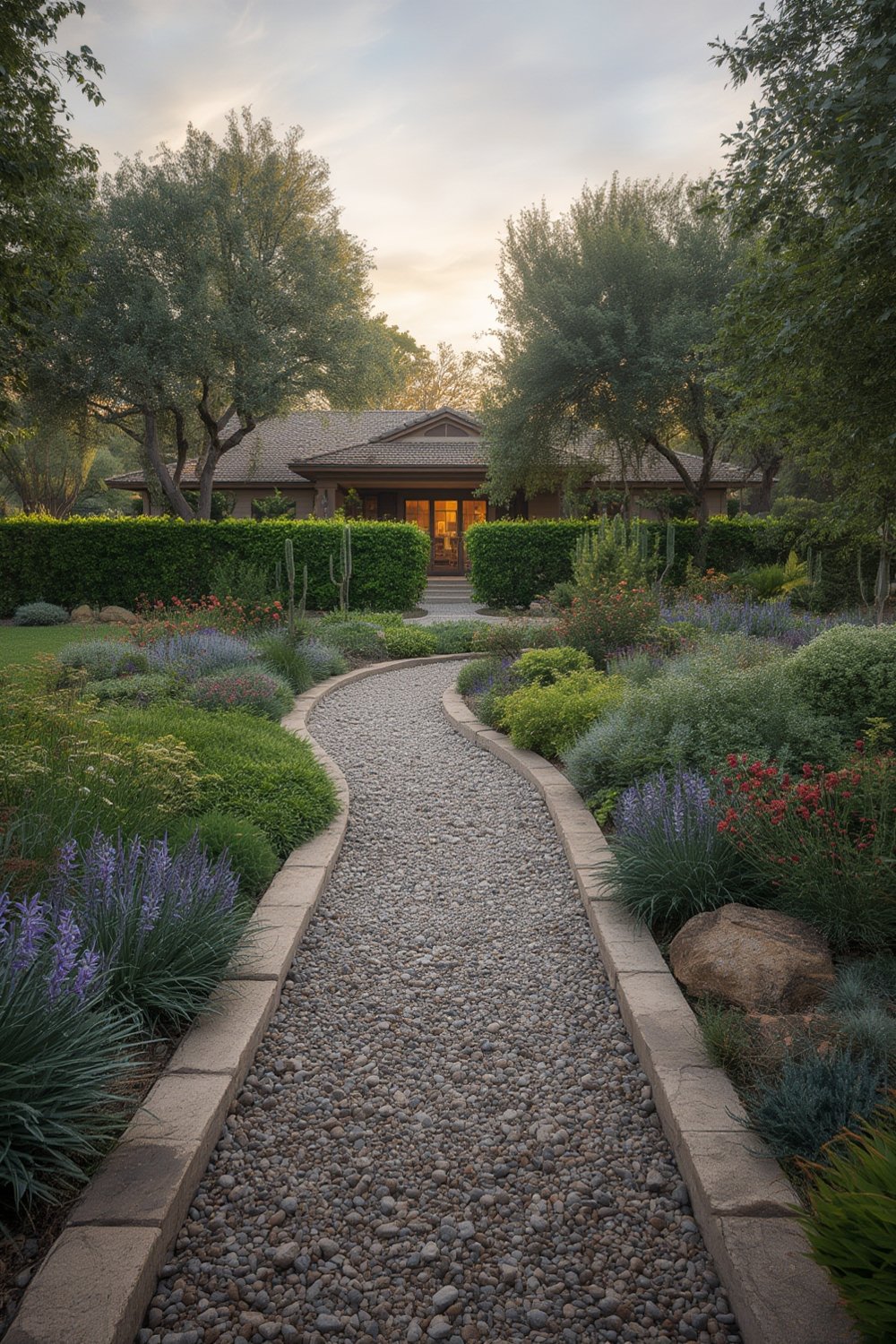
Evidence from the 2024 CoreLogic Wildfire Risk Report shows that a combination of landscaping and other mitigation efforts can reduce expected wildfire loss by 75%, underscoring the real-world impact of adopting this approach.
Step-by-step guide
Follow this actionable process to convert your property into a fire resistant landscape:
- Create a five-foot noncombustible buffer. Remove all vegetation, wood mulch, trees, wood fencing, and combustible outdoor items within five feet of the house perimeter.
- Maintain a clean and functional defensible space up to 30 feet from the house. Regularly clear debris, replace flammable patio furniture, and keep firewood/propane tanks stored well away from structures.
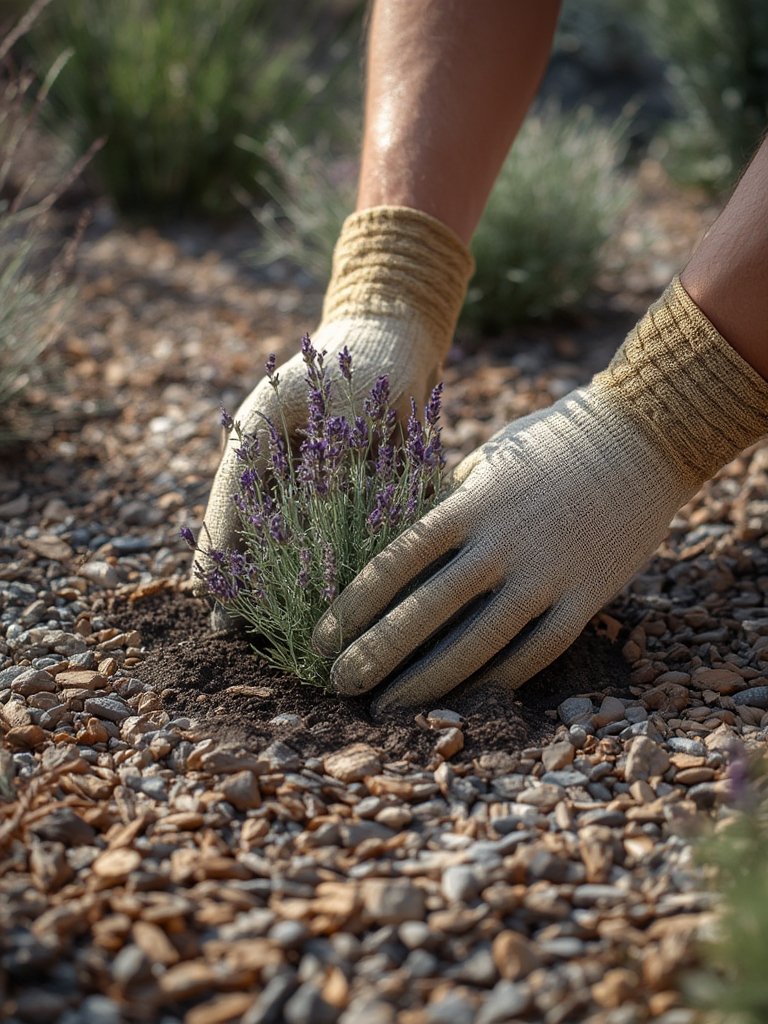
- Replace flammable mulches with gravel or stone. Wood chips and pine needles can ignite easily-opt for gravel or rock to halt fire spread.
- Remove dead vegetation diligently. Dead branches, dry grass, fallen leaves, and pine needles should never be left to accumulate-these materials are wildfire tinder.
- Space and prune your plants wisely. Maintain clearance between shrubs and trees to prevent fire from jumping plant-to-plant.
- Use suitable tools and maintain regularly. Durable tools like a mini chainsaw or bypass pruning shears can dramatically speed up regular property maintenance and reduce fire risk.
Pro Tip: Store tools and seasonal outdoor equipment in a weatherproof, noncombustible outdoor storage box. Not only does this minimize fuel load around your house, but it also protects your gear from fire and the elements.
- Hacks & Tricks: If gravel or stone mulch is not visually appealing, tuck in non-flammable, fire-resistant groundcovers with low moisture demands between stones. For quick post-fire cleanups, use a heavy-duty gardening tool set to efficiently remove charred debris and dead material.
Regular maintenance is your best defense. Monthly trims done with a bypass pruning shears make a huge difference in breaking up fire pathways.
Invest in a retractable garden hose reel that reaches all landscape zones. Quick deployment during a fire can make a critical impact—and will make your regular watering routine more efficient.
Advanced analysis & common pitfalls
Fire resistant landscaping is not just about plant selection. Realistic problems crop up, especially for first-timers. Here’s what can go wrong and where many homeowners stumble:
- Complacency: Skipping ongoing maintenance turns any landscape, no matter how well designed, back into a wildfire risk within a single season.
- Improper mulch choices: Using wood or rubber mulch close to the house can undermine all other mitigation steps.
- Failure to clear the 5-foot zone: Even decorative shrubs or a wood fence adjoining the house can create a bridge for fire to reach your structure.
Note: This requirement is part of California Building Code Section 701A.5 (source). - Underestimating retrofit costs: Comprehensive “home hardening”- which includes landscaping, walls, roofs, windows, doors—ranges from $8,527 to $46,856; actual fire-safe landscaping costs alone remain largely unquantified (Headwaters Economics 2024).
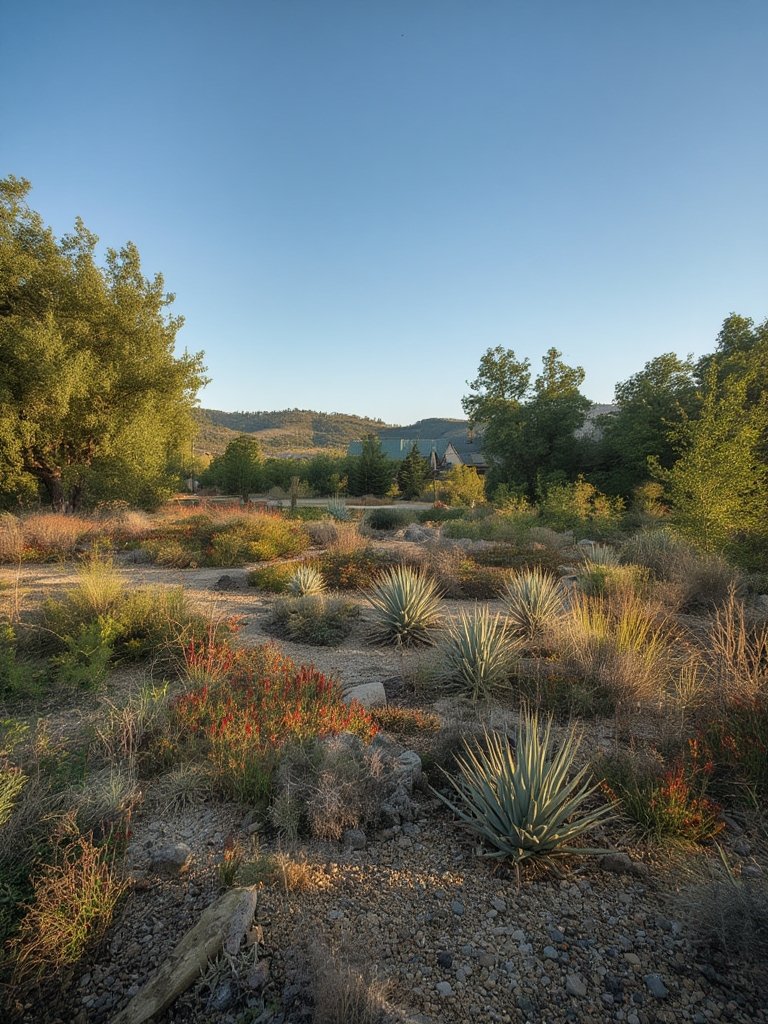
- Plant selection myths: Many sources offer lists of “fire resistant plants,” but few have robust research proving that these species slow fire or resist ignition in real-world scenarios.
| Task/Mistake | Real Risk | Best Practice |
|---|---|---|
| Leaving wood mulch near house | Ignition, rapid fire spread | Only use gravel/stone near structures |
| Ignoring gutter and roof debris | Embers ignite, fire enters attic/roof | Clean debris monthly, especially in fire season |
| Overgrown shrubs under windows | Direct flame contact with structure | Keep low-lying, spaced plants near house |
| Postponing tool upgrades | Slower maintenance; higher risk | Invest in ergonomic, efficient tools like a stand up weed puller |
Few homeowners realize that most plant lists touted online lack peer-reviewed research. Choose species promoted by your local fire authority or university extension, and always combine plant selection with other defensible space methods.
Conclusion
Fire resistant landscaping is not a one-time fix-it’s an ongoing, proactive method to protect your home against wildfire loss by combining smart plant selection, noncombustible materials, and regular landscape maintenance. Research-backed strategies show that these measures can reduce property loss by up to 75% in high-risk zones. Begin integrating fire resistant landscaping principles into your property today, and take control of your wildfire risk before the next season arrives.
Ready to make your garden both safer and more sustainable? Review your yard, upgrade your tools, and get started transforming your home’s first line of defense.
FAQ
What is fire resistant landscaping?
It is an approach to landscape design and maintenance that minimizes flammable materials, uses noncombustible features, and creates defensible space to slow or prevent wildfire from reaching your home.
How much does fire resistant landscaping cost?
Full “home hardening” averages $24,596, but strictly landscaping-related costs are not fully documented. Actual landscape conversion is likely much less, depending on property size and chosen features.
Which plants are best for fire resistant landscaping?
There is no universal list, and research-backed options are rare. Focus on low-growing, high-moisture plants recommended by your local fire agency—always paired with noncombustible mulch and prudent spacing.
How often should I maintain my defensible space?
At minimum, inspect and clear your landscape monthly during fire season. After storms or extreme heat, check more frequently for debris and dead vegetation.
Does fire resistant landscaping guarantee my home will survive a wildfire?
No method offers 100% protection, but research shows it dramatically improves your survival odds and property resilience-especially compared to homes without any defensible space.