



Edible landscaping is reshaping the American front yard, offering the chance to grow food where grass once reigned. If you want a landscape that’s beautiful, productive, and sustainable, this practical guide exposes the real opportunities and hurdles, so you can avoid common mistakes and get the most out of every square foot.
Key Takeaways
- Edible landscaping popularity is sharply rising—over 44% of U.S. households already grow food, and trends show even more growth in 2025.
- Common challenges include Homeowner Association (HOA) rules, lack of space, and balancing curb appeal with practical food production.
- Smart integration of edibles with ornamentals and containers makes this approach work for nearly any yard size or design preference.
- What is edible landscaping and why does it matter?
- How to start: a step-by-step guide
- Advanced analysis and common pitfalls
- Conclusion
- Frequently asked questions
What is edible landscaping and why does it matter?
Edible landscaping is the practice of growing food plants-like vegetables, fruits, and herbs-right in your home’s outdoor planted areas instead of, or alongside, purely decorative plants. This approach transforms ordinary yards into productive, attractive, and eco-friendly spaces. Instead of just admiring your garden, you can harvest it for meals, snacks, or sharing with neighbors.
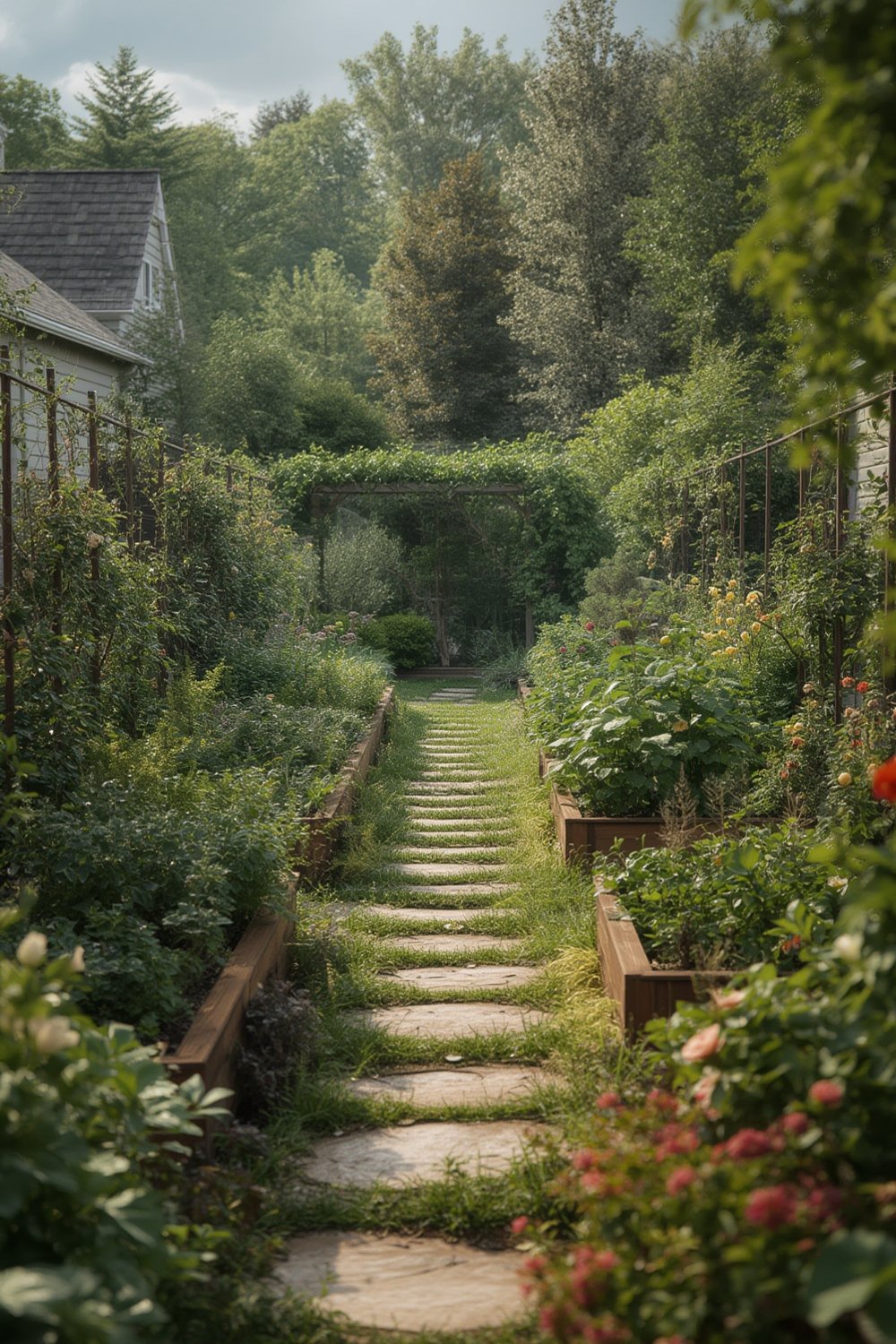
Why is this gaining ground? By 2022, 44% of U.S. households were already growing some of their own food. That number is expected to reach 71% by 2025 (source). Edible landscaping combines curb appeal, sustainability, and food security-helping homeowners use every bit of outdoor space for both beauty and bounty.
It’s not just about putting tomatoes in the yard. The real value comes from blending food plants creatively with flowers, shrubs, and trees, using design strategies that make the result attractive to both you and your community. If you face HOA rules, shrinking yard space, or want more control over the quality and safety of your produce, edible landscaping meets those needs.
How to start: a step-by-step guide
Ready to replace plain turf with something tastier? Here’s a realistic, actionable plan to get started with edible landscaping-whether you have a small yard, containers, or a traditional lawn. You don’t have to overhaul everything at once; incremental changes can deliver big rewards.
- Pro Tip: Start with one visible, manageable planting bed close to your entryway-people are more likely to notice and support the change if it has clear order and ornamental structure.
- Hacks & Tricks: Visit local nurseries or farmer’s markets to find dwarf or decorative food varieties, like purple kale, rainbow chard, or cherry tomatoes bred for containers. These plants combine high yields with strong ornamental value, pleasing neighbors and HOAs.
- Map out your sunlight and microclimates.
Sun and shade determine what edibles will thrive. Track areas with at least 6 hours of sun for fruiting crops. - Review HOA and local rules.
If you’re in an HOA, check guidelines. You may need to balance the “business in the front” look-ornamentals in visible areas-with edibles tucked into side beds or container gardens (details here). - Start small with high-impact, low-maintenance crops.
Dwarf tomato varieties, peppers, and herbs often deliver strong yields and need less maintenance. Fruits like blueberries or compact apple trees can fit into front beds as attractive anchors. - Design for beauty and function.
Alternate leafy greens (like Swiss chard), flowering herbs, or edible perennials between shrubs. Interplant productive crops in clusters or patterns for visual interest. - Use containers to expand your options.
Container foodscapes are HOA-friendly and ideal for patios, porches, or small spaces. Try grouping different colored lettuces, dwarf eggplants, or strawberries in pots. - Invest in good tools and soil.
Raised beds, compost, and a set of durable gardening tools set the stage for easier success. - Plan for watering.
Install a drip or soaker hose, or use a quality retractable garden hose reel to make regular irrigation painless. - Prune, harvest, and maintain.
Use precision garden clippers to keep your landscape orderly and encourage continued production.
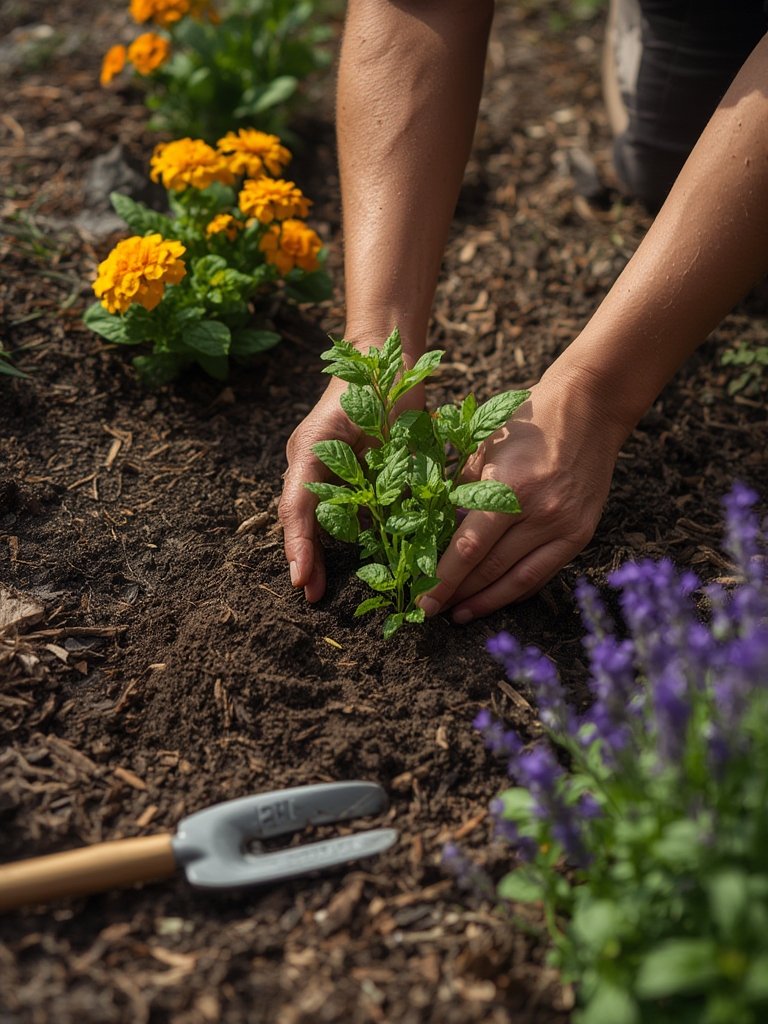
Bonus: Blend in pollinator-friendly flowers like nasturtium or calendula-these attract beneficial insects and serve as beautiful edible garnishes.
Experiment, adapt, and document what works for your climate and space. This phased approach lets you build skills and confidence, all while increasing both yield and curb appeal.
Advanced analysis and common pitfalls
While edible landscaping is trendy and rewarding, realistic challenges can stall progress. Here’s what usually trips up homeowners and how to avoid the common pitfalls.
- Space limitations. Lots are shrinking-even more so in new developments. Creative plant stacking, vertical gardening, and choosing multi-function plants (like blueberry shrubs) are musts.
- HOA restrictions. Over 84% of new single-family homes in the U.S. involve an HOA (source). They may restrict certain species, require neatness, or ban front-yard vegetables. Using containers, ornamental edibles, or hiding crops behind low evergreen hedges can satisfy their codes while still growing food.
- Aesthetic tradeoffs. Mixing edible crops with traditional ornamentals needs careful design-random vegetable plantings can look messy. Choose varieties like rainbow chard, purple basil, or dwarf tomatoes, which look at home among flowers.
- Maintenance workload. Some edible plants, especially traditional annual vegetables, require regular pruning, staking, and soil amendment. Using “edimental” perennials or woody fruiting shrubs can lower ongoing labor.
- Food safety and quality concerns. Nearly half of gardeners say they want to control produce safety and freshness (research), but outdoor crops are still vulnerable to pests and soil-borne issues.
| Challenge | Traditional Landscaping | Edible Landscaping | Solution |
|---|---|---|---|
| Upfront Cost | Usually lower for basic lawn/ornamental beds | Can be higher if using raised beds, specialty plants, or improved soil | Start small; use annuals and containers to spread out budget |
| HOA/Neighbor Resistance | Low (safe, familiar appearance) | Moderate to high (less familiar, potential codes conflict) | Use ornamental edibles, blend plantings, focus on neatness |
| Pest/Disease Risks | Lower (non-edibles attract fewer pests) | Higher (food plants are more targeted by insects/critters) | Select disease-resistant cultivars, rotate crops, attract beneficial insects |
| Maintenance | Low for established beds | Higher if growing annual veggies | Use perennials, automate watering, mulch heavily |
Many novices jump in and are surprised when raised beds or buying fruit trees bumps up costs. They can also underestimate how much tidiness matters if you want to keep neighbors and HOAs happy.
Conclusion
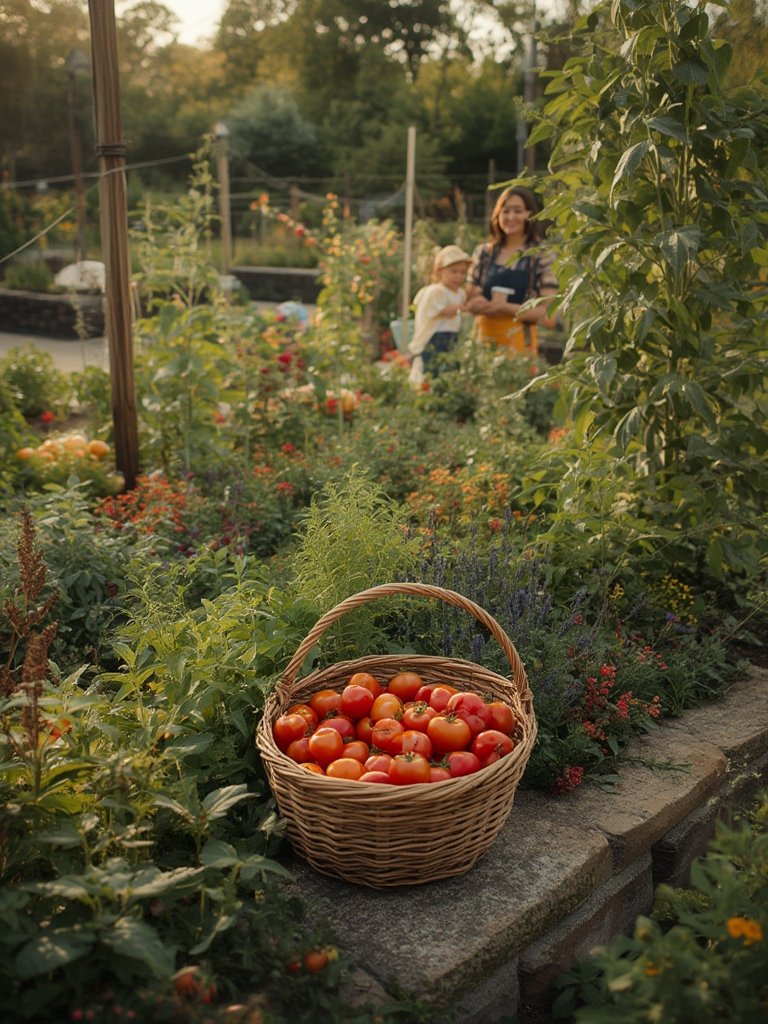
Edible landscaping makes yards more beautiful and productive-but real success comes from balancing practical food growing with design for ongoing curb appeal. Blending ornamentals and crops doesn’t have to be all or nothing. With smart plant selection, careful layout, and a phased approach, you can join the 44% (and growing) of Americans reaping the rewards from their own yards.
Start small, experiment boldly, and share your progress. If you’re ready to give edible landscaping a try, sketch out one edible bed today and plan your first planting-there’s no better time to dig in and grow more than grass.
Frequently asked questions
Can I do edible landscaping if I live in an HOA community?
Yes, though you may need to follow stricter rules. Focus on ornamental edibles, keep beds neat, and use containers or less-visible backyard zones for food crops. Always check with your HOA before planting.
Which edible plants look the most attractive in a front yard?
Dwarf tomatoes, rainbow chard, purple basil, and compact fruiting shrubs (like blueberries) are both productive and decorative. Also consider herbs such as sage, lavender, and thyme.
Is edible landscaping more expensive than traditional landscaping?
Upfront costs can be higher if you add raised beds or invest in premium soil. However, ongoing costs may be lower since you’ll buy less produce at the store. Start small to manage expenses.
Do edible landscapes require more maintenance?
Some edible plants, especially annual vegetables, need more frequent care. Swapping in edible perennials or low-maintenance woody plants can reduce workload while still providing plenty of food.
How can I keep pests away from my food plants?
Mix in pollinator-friendly flowers, rotate crops, and use disease-resistant varieties. Attracting beneficial insects and keeping the garden healthy can help keep pest problems manageable.