


smart irrigation system technology is rapidly transforming how homeowners and businesses manage water use outdoors-slashing bills, saving resources, and improving plant health all while minimizing human effort.
Key takeaways
- Smart irrigation systems can cut landscape water use by 20-50% with precise, weather-adaptive watering.
- Real-life case studies show significant savings in both cost and water, making initial investments worthwhile over time.
- Upfront costs are higher than traditional setups, but water bill reductions and healthier landscapes pay off in the long term.
- What is a smart irrigation system and why does it matter?
- How to get started: Step-by-step guide
- Advanced analysis and common pitfalls
- Conclusion
- FAQ
What is a smart irrigation system and why does it matter?
A smart irrigation system automates landscape or garden watering by using weather data, soil moisture, and plant needs to control when and how much to water. Modern systems connect to the internet, sensors, and weather services, adjusting schedules dynamically to avoid over or under watering. Unlike old-school timers, they optimize every drop, leading to less waste, lower water bills, and healthier plants.
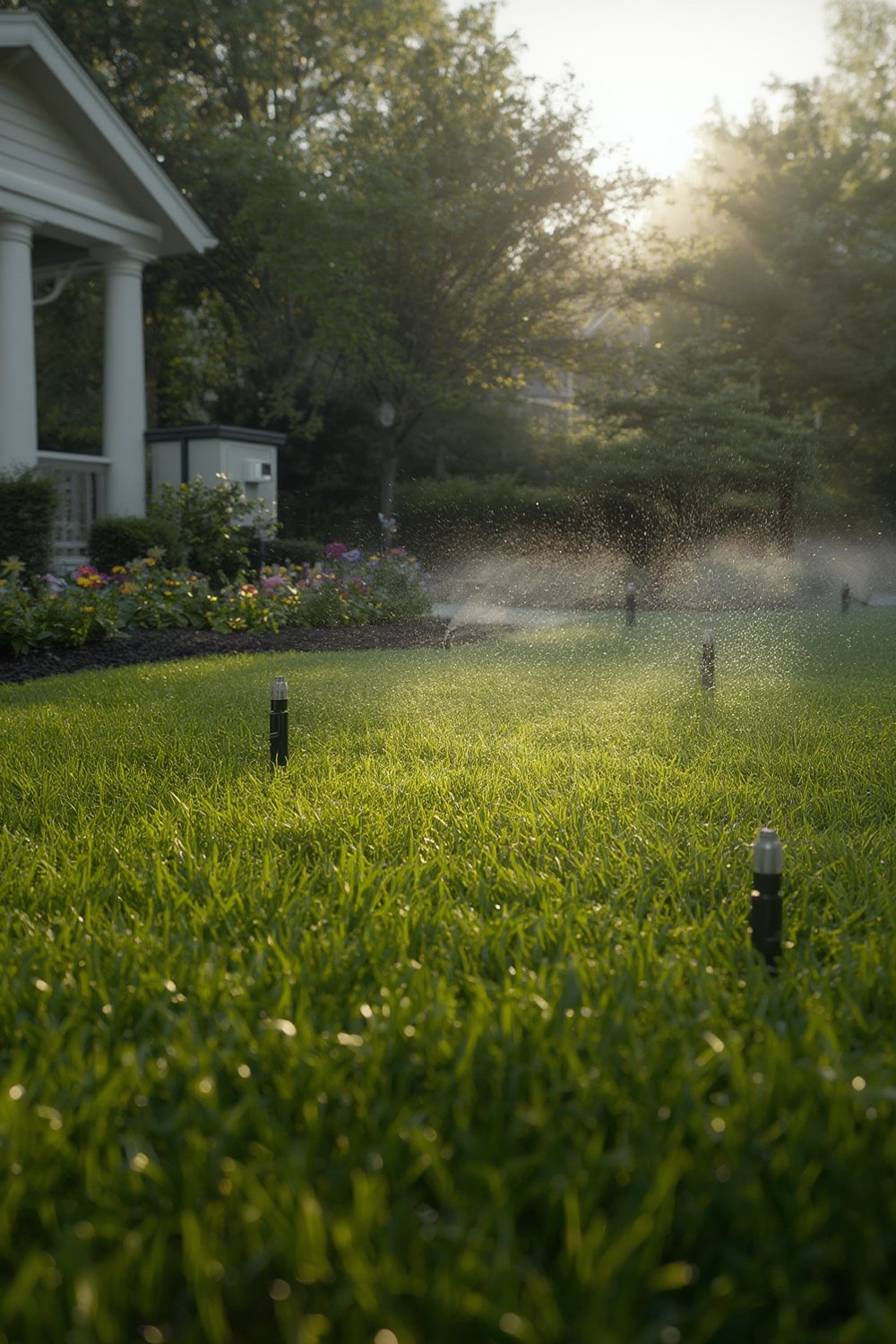
Why does this matter now? Chronic drought, stricter municipal water restrictions, and the rising cost of utilities mean that what was once a “nice-to-have” is rapidly becoming essential. Recent industry research shows smart irrigation can lead to water savings of 20-40% for homes and up to 50% for commercial properties. As an example, one Texas business cut usage by 39%-saving over $3,000 per year by switching to a weather-based controller. Homeowner communities in Arizona saw a 45% drop in landscape water consumption after adopting smart systems with rebates, while maintaining healthier lawns and plantings. And for the home gardener, smarter watering means less time monitoring sprinklers and more time enjoying the yard.
If you love maximizing the results of your gardening efforts, smart automation pairs beautifully with quality tools. For instance, after deploying a smart watering solution, you can fine-tune your landscape even further using Fiskars precision pruning shears for targeted plant trimming, and effortlessly manage lawn health by using a retractable hose reel for supplementary hand watering or spot cleaning. The right smart setup actually increases the efficiency of your whole outdoor routine.
How to get started: Step-by-step guide
- Analyze Your Landscape: Walk your property and note all zones that need irrigation. Lawns, flower beds, vegetable patches, and shrubs may each have different needs. If you have new plantings or drought-tolerant landscaping, list those areas separately.
- Choose Your Smart Controller: Research top-rated irrigation controllers that connect to WiFi and adjust schedules based on local weather. Look for models compatible with your current wiring-most modern controllers retrofit on standard systems. Popular brands often support app-based control from anywhere.
- Install or Upgrade Sprinkler Heads and Sensors: Optimize each watering zone by swapping out inefficient heads for high-efficiency rotators or installing drip lines in beds. For best results, add soil moisture sensors or rain sensors if not included with your controller.
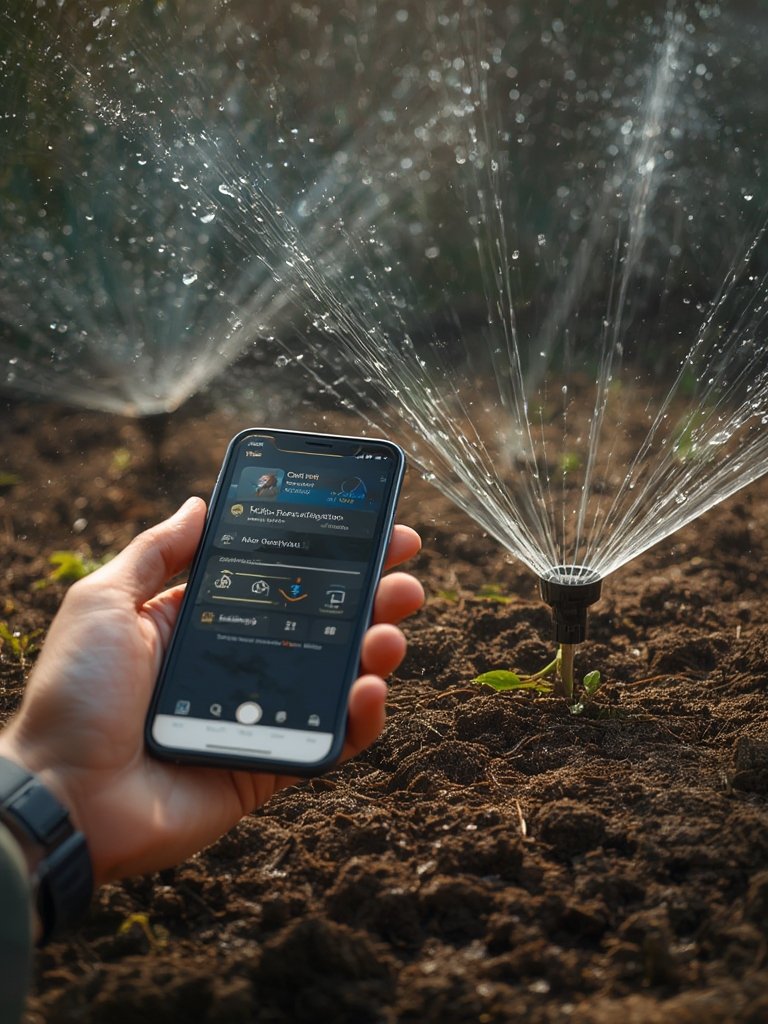
- Configure Weather and App Controls: Link the controller to your WiFi, then set up its app. Input your property’s exact location, soil types, plant categories, and sun exposure. Enable weather-based scheduling. Many systems allow you to manually adjust or override run times via your phone.
- Monitor and Fine-Tune: After initial setup, observe your landscape closely for a few cycles. Look for soggy spots or dryness, and tweak zone times or sensor thresholds as needed. Smart systems learn and adapt but may require your input for optimal results in the first few weeks.
- Pro Tip: Calibrate your system after a rainfall. Let the soil dry a bit, then run each zone and check penetration depth with a soil probe or small spade. This helps set accurate runtimes and prevents shallow roots.
- Hacks & Tricks: Use city water usage history (often found on your utility bill) to set a baseline. After installing your smart irrigation system, compare month-over-month usage to confirm real savings—and adjust watering limits for even tighter control if your landscape is thriving on less.
For gardeners who handle lots of pruning and cleanup along with irrigation upgrades, consider a mini cordless chainsaw for fast, precise trimming while reworking lines or prepping new beds. Upgrading your watering isn’t just about saving water-it’s about streamlining every aspect of outdoor care.
Already using smart lighting outdoors? Plan your WiFi router and device placement so that signals reach both your irrigation controller and installed garden lights to maximize smart ecosystem benefits and avoid future connectivity headaches.
Advanced analysis and common pitfalls
While the smart irrigation system market promises robust savings and convenience, not all installations deliver perfect results without adjustment. Here are key issues and realistic problems to watch for based on current research:
- High Upfront Costs: Smart controllers and sensors can cost several hundred dollars, especially when retrofitted into larger, more complex systems. DIY installations lower labor costs, but professional setup often ensures full optimization and technical support.
- Connectivity Issues: Sparse WiFi signals can cause delayed or missed schedules. Device location and home network strength really matter, especially on larger lots or commercial sites.
- Algorithm Blind Spots: Most smart controllers rely heavily on weather station data. Microclimates, shaded areas, or unique plantings may challenge system algorithms. Manual intervention to tailor each zone is often needed in the first season.
- Integration Gaps: Despite rapid technological advances, integration with smart home ecosystems like Alexa or Google Home is inconsistent. Check controller specs if you want voice commands or automation routines with other devices.
- Maintenance Overlooked: Even the best systems need annual inspection. Sprinkler heads clog, sensors can drift, and software needs updates. Skip regular checks and you risk damaging both plants and savings.
| Feature | DIY Install | Pro Install |
|---|---|---|
| Upfront System Cost | $120-$350 | $400-$1500 (includes labor) |
| Typical Maintenance (Annual) | Self-inspection, free to $30 | $75-$150 |
| Water Savings Potential | 20-40% | 30-50% |
For large or complex gardens, investing in a heavy-duty gardening tool set makes routine checks and adjustments easier, so you can make quick repairs or tweaks without hiring outside help.
Extensive industry reviews confirm that IoT and AI-driven controllers do adjust watering schedules in response to real-time weather changes, though most studies do not measure algorithm accuracy specifically. If you live in a location with microclimates or frequent unpredicted rainfall, be prepared to review and adjust settings during your first season.
For more on underlying technology and ongoing market trends, see analyses from Smart Rain
and the latest reports at Sprinkler Dude.
Conclusion
Smart irrigation system adoption has moved from early-adopter trend to everyday reality-delivering substantial water savings, healthier landscapes, and measurable utility bill reductions for both homes and businesses. Despite higher upfront costs, these connected systems repay their investment with lower ongoing expenses and less effort required for maintenance. If you’re ready to bring your garden or landscape into the future, investing in a smart irrigation system is one of the most practical upgrades you can make. Ready to get started? Assess your zones, research top controllers, and see how simple savings and healthy landscapes can be.
FAQ
How much water can a smart irrigation system actually save?
Typical savings range from 20% to 50% depending on landscape size, system setup, and climate zone. Real-world case studies from Texas and Arizona confirm annual reductions of 39-45% after upgrading to smart, weather-based controls.
Is smart irrigation worth the higher upfront cost?
Most users recover initial investment within two to five years through water bill savings alone. Many rebate programs can also offset part of the purchase or installation cost. Maintenance is minimal, and system upgrades often boost property value.
Does a smart irrigation system require WiFi?
For full functionality-especially weather updates and app controls—WiFi is highly recommended. Some basic models only adjust based on pre-programmed weather histories and local sensors, but most savings and automation come from cloud connectivity.
Can I install a smart irrigation system myself?
Yes, most modern controllers are DIY-friendly and come with clear app-based setup instructions. However, a professional installer can ensure sensor placement, zoning, and calibration are done optimally for complex or large landscapes.
How does smart irrigation affect plant health?
Plants receive the right amount of water at the right time, leading to healthier roots, fewer diseases from overwatering, and better yield for vegetable or flower gardens. In both business and residential studies, improved landscape health is consistently reported after making the switch.