



### Blog Post:
Rain garden design is one of the most effective ways homeowners can tackle stormwater runoff and reduce local flooding on their property. But what exactly makes a rain garden work well, what does it cost, and how do you avoid the common mistakes that lead to failure? This comprehensive, hands-on guide answers those questions and more, using the latest research and 2024 cost trends to help you design a rain garden that actually delivers results.
Key Takeaways
- Professional rain garden installation in 2024 averages $10-$20 per square foot, while DIY builds are much cheaper but require soil testing and careful plant selection.
- Native, water-tolerant plants are essential for stormwater management; region-specific species and effective soil preparation are crucial for success.
- Most failures are caused by poor soil drainage or lack of maintenance—ensure infiltration within 24 hours and budget for annual upkeep.
- The core concept of rain garden design
- Step-by-step guide: How to design your rain garden
- Advanced analysis & common pitfalls
- Conclusion
- FAQ
The core concept of rain garden design
A rain garden is a shallow, landscaped depression that collects runoff from roofs, driveways, and lawns, then filters and absorbs it using specially chosen soil mixes and water-tolerant native plants. The main purpose of rain garden design is to slow, capture, and filter stormwater on-site, preventing local flooding and helping replenish groundwater while keeping pollutants out of streams and lakes.
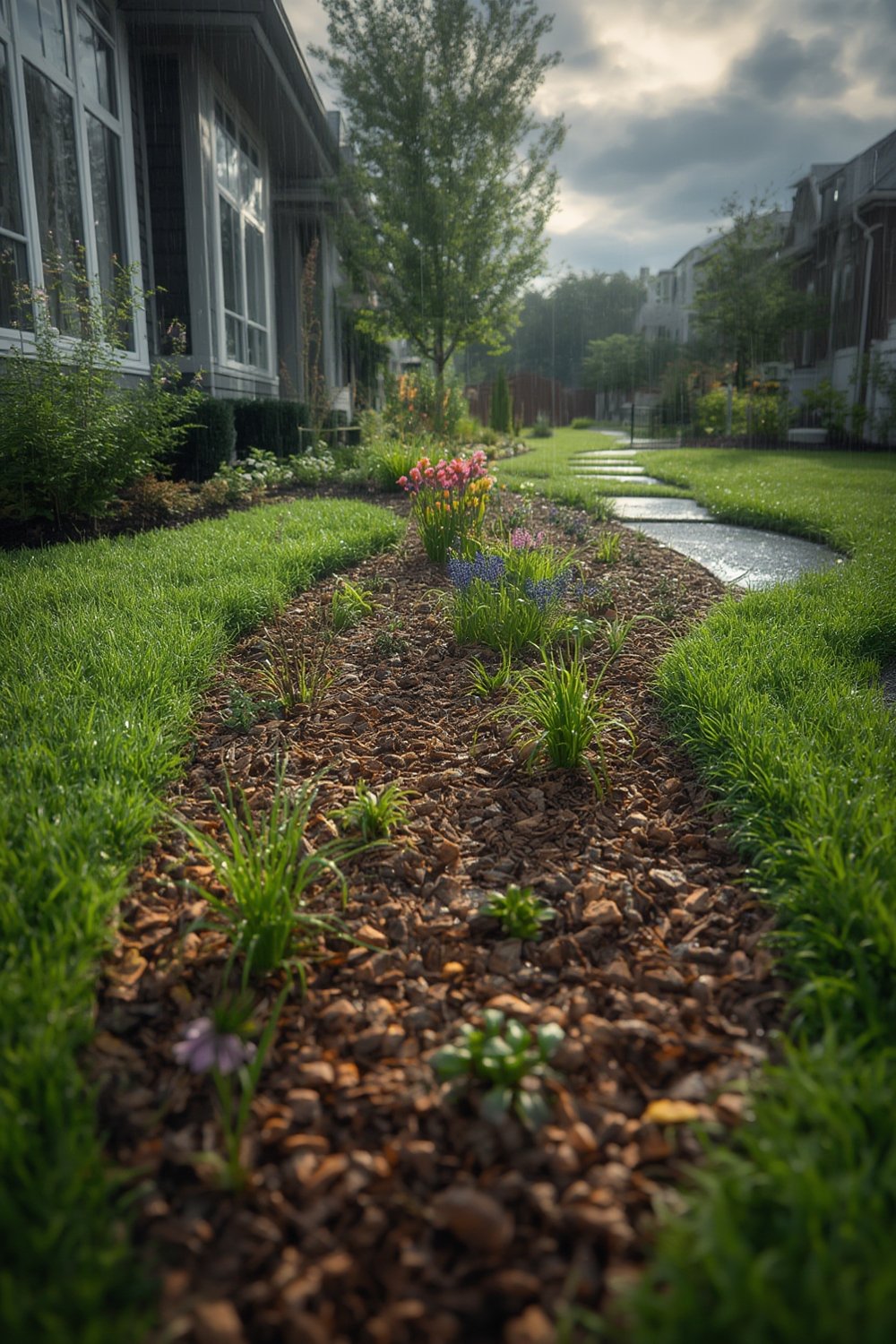
By directing water to an area with amended soil and deep-rooted plants, rain gardens allow runoff to seep into the ground—usually within 24 hours—rather than immediately flowing into storm drains. This reduces flash flooding, erosion, and even lowers the risk of basement leaks. In some regions, municipalities offer cash rebates (many up to $6,000 for residential lots) to encourage installation, as rain gardens significantly ease the burden on urban stormwater systems. See the Chesapeake Bay Trust’s incentives.
But installation and maintenance require real know-how. Site analysis, the right soil mix, and appropriate native plants are nonnegotiable for real, lasting results.
Step-by-step guide: How to design your rain garden
Ready to build your own rain garden? Follow these practical steps based on best practices and up-to-date recommendations for 2024:
-
Site Selection & Sizing:
- Pick a spot at least 10 feet from your house but downhill from a downspout or paved area. Avoid areas near large tree roots or above septic systems. Check that your lawn/slope directs water to this spot.
- Determine surface area to catch runoff from hard surfaces. For every 1,000 square feet of roof or driveway, a garden of 100 to 300 square feet is usually sufficient.
-
Soil Testing:
- Conduct a simple percolation test: Dig a 12-inch-deep hole, fill it with water, and check how long it takes to drain. The site should drain within 24 hours. If not, amend with compost, sand, or, in some cases, add an underdrain. Soil test kits ($15-$75) and professional percolation tests ($100-$1,000) are smart investments according to cost data here.
-
Excavation & Soil Amendment:
- Excavate your chosen area to create a bowl-shaped depression 6 to 12 inches deep (or as recommended for your rainfall and soil type).
- Replace native soil with a 60% sand, 20% topsoil, and 20% compost mix for optimal drainage. Slope sides gently to prevent erosion.
-
Designing Water Flow:
- Create a shallow inlet (using river rock, for example) to slow and distribute water. Add an overflow path or underdrain if your site receives large flows or drains slowly.
-
Plant Selection:
- Choose a mix of water-tolerant native plant seeds, grasses, sedges, and wildflowers appropriate for your region to promote deep roots and maximum infiltration. For Western Washington and other areas, always refer to regional guides like the updated 2024 Rain Garden Handbook for the best plant list.
- Arrange tallest plants in the center and use lower, spreading species on the edges.
-
Planting & Mulching:
- Plant on a cloudy day or late afternoon to reduce transplant shock. Mulch with 2 to 3 inches of shredded hardwood or leaf mulch—not bark chips, which may float away.
-
Establishment & Maintenance:
- Water new plants regularly until established (1 to 2 growing seasons). Weed and remulch annually. Budget about $4 per square foot per year for upkeep according to stormwater cost research.
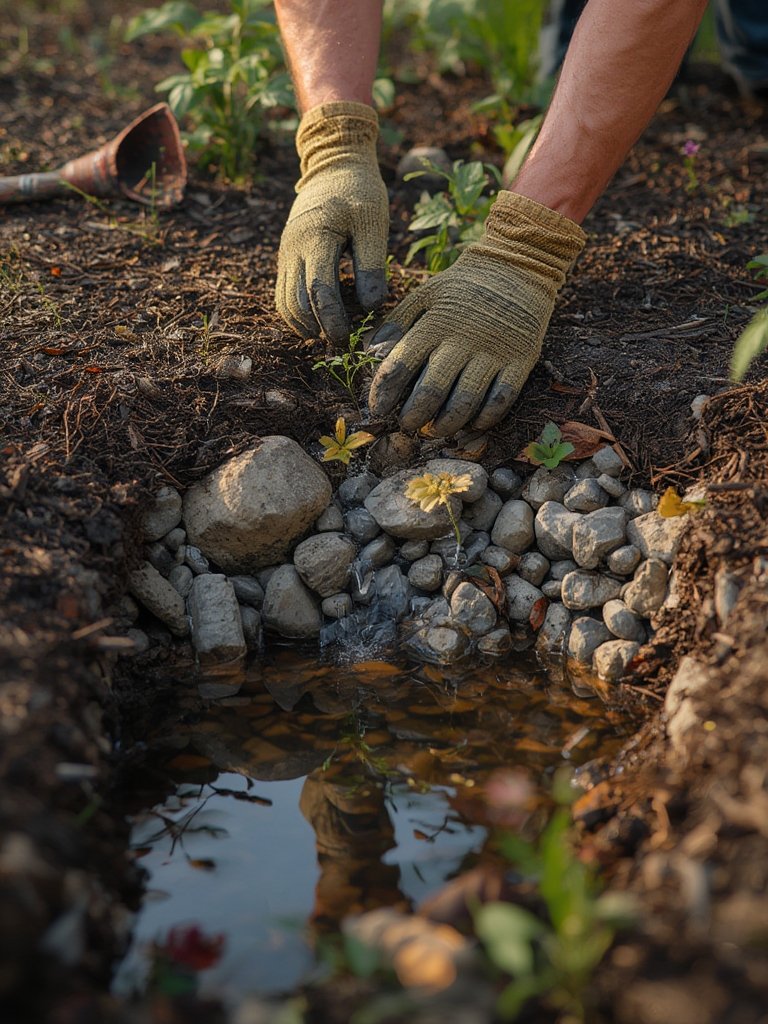
Looking for the right tools to handle excavation and planting? Consider using a mini chainsaw for pruning roots or a heavy-duty gardening tool set to speed up your project and reduce labor fatigue.
Advanced analysis & common pitfalls
Even well-intentioned rain gardens can fail if you skip over basic planning or underestimate ongoing upkeep. Below, you’ll find realistic challenges and how to overcome them, as well as a comparison table to help you choose between DIY and professional installation.
Common pitfalls in rain garden design
- Improper site selection: Placing the garden in compacted, poorly draining, or shaded locations leads to standing water and plant death.
- Skipping soil tests: Rain gardens require adequate drainage. Neglecting basic percolation or soil analysis is a leading cause of failure.
- Poor water flow management: Without a stable inlet and overflow, heavier rain can erode soil, clog roots, or even flood nearby foundations.
- Non-native or poorly selected plants: Using showy but inappropriate plants means the garden won’t thrive or filter water effectively.
- Maintenance neglect: Weeds, dead plants, and compacted soil can quickly turn a rain garden into an eyesore or mosquito hazard if ignored (expect $4/sq ft yearly for tasks like mulching and weeding).
DIY vs. Professional Rain Garden Installation: Cost & Maintenance
| Aspect | DIY Installation | Professional Installation |
|---|---|---|
| Cost (150 sq ft) | $100–$1,500 (with underdrains) | $1,500–$3,000 |
| Site Analysis | Homeowner responsibility (soil/percolation tests needed, $15–$1000) | Handled by contractor (included in quote) |
| Plant Selection | Homeowner must research regional natives | Expert guidance (often includes warranty) |
| Time Frame | 2–4 weekends for most homeowners | 1–3 days with crew and equipment |
| Maintenance | Self-managed | Maintenance plans available |
| Potential for Errors | High if unresearched; improper grading and poor drainage common | Low to moderate; professionals may still get sizing/design wrong, so review plans |
Rebates and stormwater program incentives (up to $6,000 for residential, $20,000 for commercial—see Maryland Rain Check Rebate) can dramatically lower your out-of-pocket expense.
If you want to keep maintenance simple, invest initially in durable pruning and weeding gear. For small jobs and shoreline planting, a reliable pruning shear and a heavy-duty garden tool set speed up routine tasks and reduce costs over time.
Conclusion
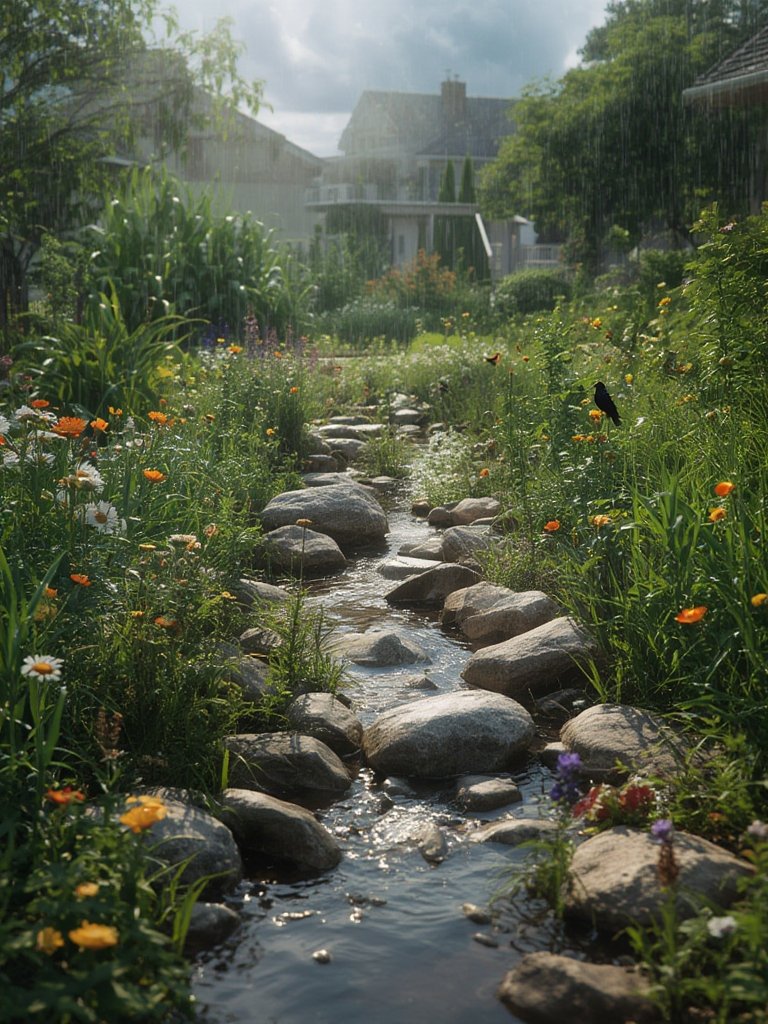
Rain garden design is one of the smartest ways to manage stormwater and prevent landscape flooding—when done right. Start by testing your soil, use cost-effective native plants, and plan for both annual maintenance and long-term reliability. Incentives can cut your costs, but skilled design and routine care will determine your success. Ready to transform your yard and the environment? Plan your rain garden design with these actionable steps and see a real impact. Start your project today—and if you need more landscape gear, don’t forget to check the best new hose reels for easy watering.
FAQ
How much does a rain garden cost in 2024?
Professional installation usually costs $10-$20 per square foot for a residential project (about $1,500–$3,000 for 150 sq ft). DIY rain gardens can range from $100 without underdrains to $1,500 or more for extensive soil amendments. Rebates and grants can reduce these costs significantly. Learn more about cost factors.
What plants work best for rain gardens?
Choose native grasses, sedges, and wildflowers adapted to your region’s rainfall and soils. Look for water-tolerant species that can thrive in both wet and dry cycles. For specific plant lists, consult your state’s handbook or the 2024 Rain Garden Handbook.
Do I need permits for a rain garden?
Most residential rain gardens do not require a permit if you are not altering public drainage or working on complex/stormwater-regulated sites. However, check with your local stormwater authority and see if rebates or design reviews are available for cost savings.
How do I know if my rain garden is working?
Water from storms should fully infiltrate within 24 hours. If you notice standing water lasting longer or plants failing, re-test your soil, add an overflow or underdrain, and consider changing plant selections.
How much annual maintenance does a rain garden require?
Budget about $4 per square foot annually for tasks like mulching, weeding, pruning, and soil testing. The investment is similar to a typical perennial flower bed—routine attention prevents bigger problems later.
nn