



lick mat for dogs is a simple, affordable way to challenge your dog’s brain, slow fast eaters, and make treats last longer—all with one tool. If you want to boost enrichment at home, a lick mat delivers results with almost any breed or age. But not all lick mats work the same, and improper use can lead to mess or frustration. Here’s what you need to know.
Key Takeaways
- Lick mats help reduce boredom, slow speedy eaters, and promote calm in anxious or stressed dogs.
- Easy to use with many food types, but selecting the right mat material and cleaning method is crucial for safety.
- Consistent, creative use prevents common problems like mess, chewing, or loss of interest.
- What Is a Lick Mat for Dogs and Why Use One?
- How to Use a Lick Mat for Dogs: Step-by-Step Guide
- Advanced Analysis & Common Pitfalls
- Conclusion
- FAQ
What Is a Lick Mat for Dogs and Why Use One?
A lick mat for dogs is a flat, textured surface made of flexible rubber or silicone that you spread with soft, dog-safe foods (like peanut butter, yogurt, or wet dog food). As your dog licks at the grooves, they work harder and longer for their treat, getting both mental stimulation and calming benefits. Licking releases endorphins that naturally help dogs relax, making these mats a powerful tool for anxiety, crate training, or grooming distractions.
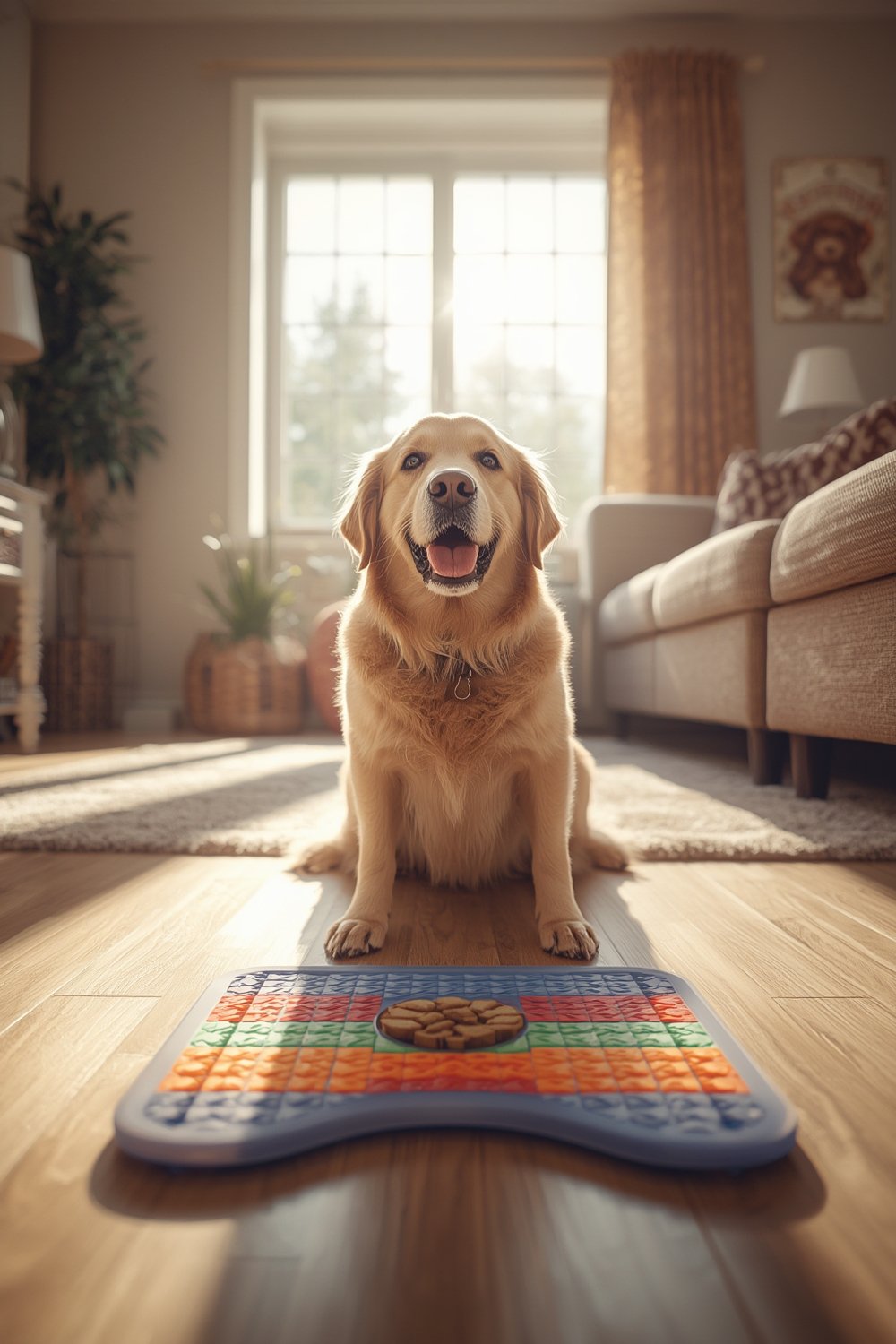
Lick mats are safe for most dogs when used under supervision. They are especially effective for:
- Slowing down fast eaters and reducing gulping at meals
- Reducing destructive boredom, especially for indoor dogs
- Keeping dogs distracted during stressful situations like nail trimming (see our dog nail grinder guide) or grooming (dog grooming kit with vacuum)
- Providing enrichment for puppies, seniors, and dogs on restricted exercise
Unlike puzzle toys or Kongs, lick mats require no moving parts and are easy to clean. Most are inexpensive, but quality matters—cheap mats may crack or cause a chewing hazard.
If your dog is anxious, try pairing the mat with a safe, familiar treat and providing it before a stressful event. For dogs who eat too quickly or have sensitive stomachs, a lick mat can help as part of a gut health routine (see our post on probiotics for dogs).
How to Use a Lick Mat for Dogs: Step-by-Step Guide
Follow these clear, actionable steps for the safest, least-messy, and most rewarding lick mat experience—whether for enrichment, feeding, or calming:
- Pick the Right Mat and Place. Choose a size that fits your dog’s snout and tongue. Mats with suction cups can stick to the floor, tub, or wall. Always supervise chewers and never leave a mat unattended if your dog destroys rubber toys (see our note in our long-lasting chew toy guide).
- Choose Dog-Safe Toppings. Soft foods like plain yogurt, canned pumpkin, mashed banana, wet dog food, or specially formulated dog-friendly peanut butter all work. Watch fat and sugar content—avoid xylitol, raisins, onions, or chocolate.
- Spread Thinly. Use a spoon or butter knife to press food deep into the grooves. The thinner the layer, the longer your dog spends licking.
- Use for Mealtime or Treats. You can use a lick mat for entire meals (especially wet, raw, or freeze-dried dog food—see a complete feeding guide) or spread treats for crate training, bath time, or thunderstorms.
- Supervise and Remove When Done. Take away the mat when your dog is finished, especially if they start chewing on it.
- Clean Immediately. Most silicone mats are dishwasher-safe. Rinse or soak stubborn bits to prevent bacteria. Avoid mats that retain smells or develop cracks.
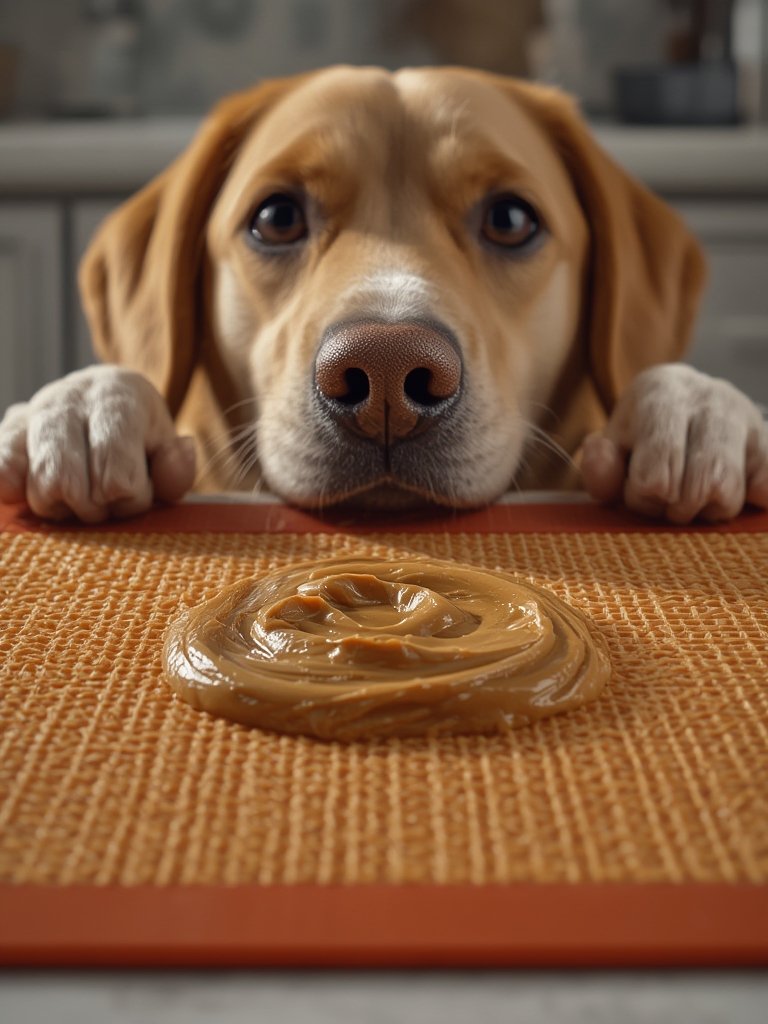
Never use glass or ceramic plates as substitutes—sharp edges or chipped glaze are a real hazard. Always check for loose pieces, especially with tough chewers. If your dog becomes frustrated, start with easier toppings and less challenging grooves.
If you want to further boost your dog’s health and reduce stress-triggered bad breath, look into natural dental supplements like Native Pet GutWell Clean Breath that can also be spread thinly on a lick mat for a double benefit.
For carpet, stairs, or tile mess, a carpet rake helps clean up stray licks or food splatters.
Advanced Analysis & Common Pitfalls
Lick mats are low-risk, but some problems are common:
- Chewing and Destruction: Beware if your dog is a powerful chewer—cheap mats may break. Durable, food-grade silicone is safer than soft rubber. If in doubt, use under supervision only.
- Mess and Slipping: Without suction cups or anti-slip backing, licking can push the mat across your floor or scatter food. Always set up on easy-to-clean surfaces, and know that frozen mixtures make less mess but may frustrate impatient eaters.
- Unhealthy Toppings: It’s tempting to use leftover peanut butter, cheese spread, or fatty table scraps. Too much fat or salt can upset digestion or add calories. Stick to simple, dog-safe fillings, especially for sensitive stomachs or dogs on special diets (see our guide to dog digestive health).
- Stale Mats and Poor Hygiene: Some mats trap food in grooves, making them hard to clean. Dishwasher-safe is a must if you use wet food, or else you risk mold and odors. Always check for splitting, discoloration, or sharp edges on older mats.
- Loss of Interest: Many dogs need novelty; rotating fillings, mats, and even serving location keeps things fresh. Try freezing leftovers from their freeze-dried meals for extra enrichment.
| Issue | What Happens | How to Fix |
| Dog Chews and Rips Mat | Mat is destroyed, becomes a choking hazard | Supervise use; use harder silicone; remove once empty |
| Excess Mess/Sliding | Food tracked onto floor or carpet, mat moves around | Choose mats with suction cups or non-slip backing; serve on tile or outside |
| Dog Loses Interest Quickly | Dog ignores mat after a few uses | Vary toppings, serving spots, and try freezing as a challenge |
| Improper Filling Choice | Digestive issues, weight gain, upset stomach | Stick with plain, dog-safe foods; consult vet before using new ingredients |
| Mold or Odor Buildup | Lingering smells, health hazard, discoloration | Clean thoroughly after each use; replace worn mats |
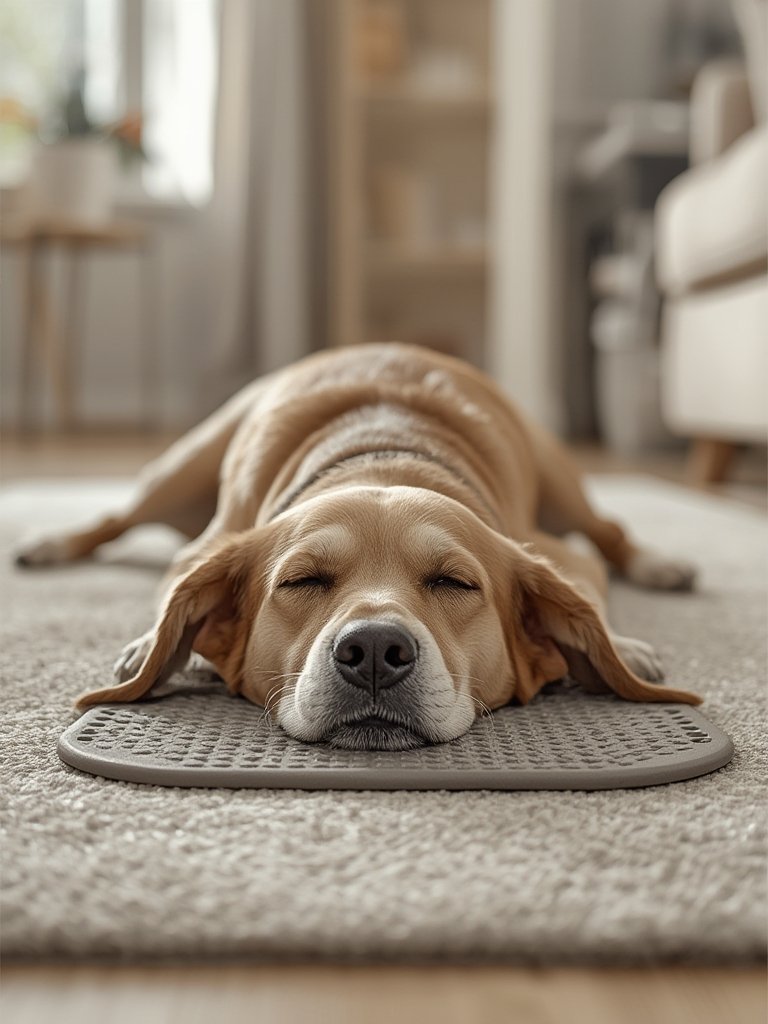
Some dogs try to pull mats up with their paws or teeth, especially if highly food motivated. In these cases, stick to simple, thin-lined mats, and avoid extra soft rubber versions entirely. You might also consider using the mat as a supervised treat only—not a solitary toy.
Conclusion
A lick mat for dogs can be a life-changing enrichment tool, as long as you match your dog’s needs and supervise smartly. Use plain, safe toppings, avoid too much fat, and opt for durable silicone wherever possible. Regular rotation and proper cleaning ensure your investment pays off for years. If you’re struggling with high-energy dogs or want more calming tips, pairing a lick mat with anxiety-friendly supports and safe enrichment strategies delivers the best results.
Start experimenting with a lick mat for dogs at your next snack or mealtime—watch your pet’s satisfaction and calm increase. Ready to upgrade your dog’s enrichment routine? Test a lick mat this week and see real results for yourself!
FAQ
What can I safely put on a lick mat for dogs?
Safe options include plain yogurt (no xylitol), canned pumpkin, bananas, mashed sweet potato, dog-friendly peanut butter, and wet dog food. Always avoid chocolate, raisins, onions, and anything with xylitol.
Are lick mats safe for all dogs?
Lick mats are safe for most dogs when used under supervision. Strong chewers may try to rip or eat the mat—always supervise and remove the mat once the food is gone. For heavy chewers, use only extra-durable silicone mats.
How do I clean a dog lick mat?
Most silicone mats are dishwasher-safe. Rinse or soak the mat in warm water immediately after use to loosen sticky bits. Hand-wash with mild dish soap if needed, and regularly inspect for cracks or mold.
How often can I use a lick mat?
You can use a lick mat daily with healthy treats or wet food. If using calorie-dense toppings, limit to a few times per week or adjust the rest of your dog’s meals to avoid weight gain.
My dog loses interest in the lick mat—what now?
Switch up mat textures, toppings, or serving locations. Try freezing the mat or pressing in kibble and crunchy treats to add challenge. Keep sessions positive and supervised to maintain novelty.
nn
nn
🛒 Recommended Products